Flatliners
"Some lines are better left uncrossed."
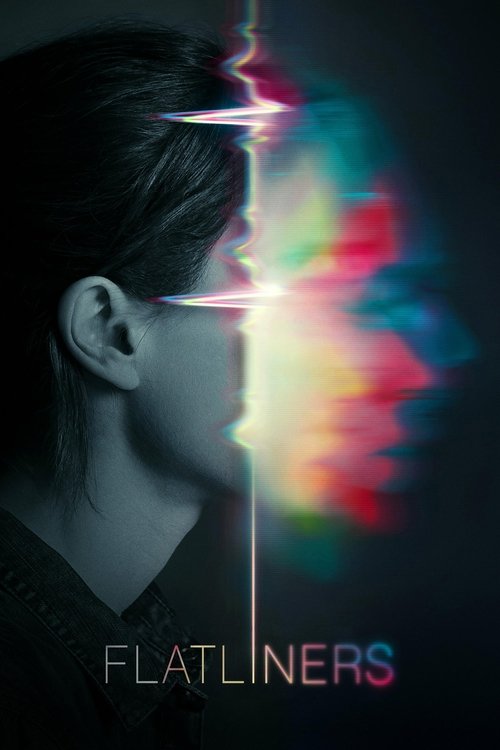
I’ve always had a soft spot for the "dead-is-the-new-black" subgenre. There’s something inherently cinematic about the clinical coldness of a hospital basement being invaded by the supernatural. I remember watching the original 1990 Flatliners on a fuzzy VHS tape and thinking Joel Schumacher was some kind of mad genius for mixing neon lighting with Gothic gargoyles and medical scrubs. When the 2017 remake—or "legacy sequel," as the marketing team desperately wanted us to call it—was announced, I felt that familiar mix of curiosity and dread. I watched this one on a Tuesday night while my neighbor was clearly trying to assemble IKEA furniture through the wall; the rhythmic, aggressive hammering actually provided a better sense of tension than most of the film’s soundtrack.
The Sterile Afterlife
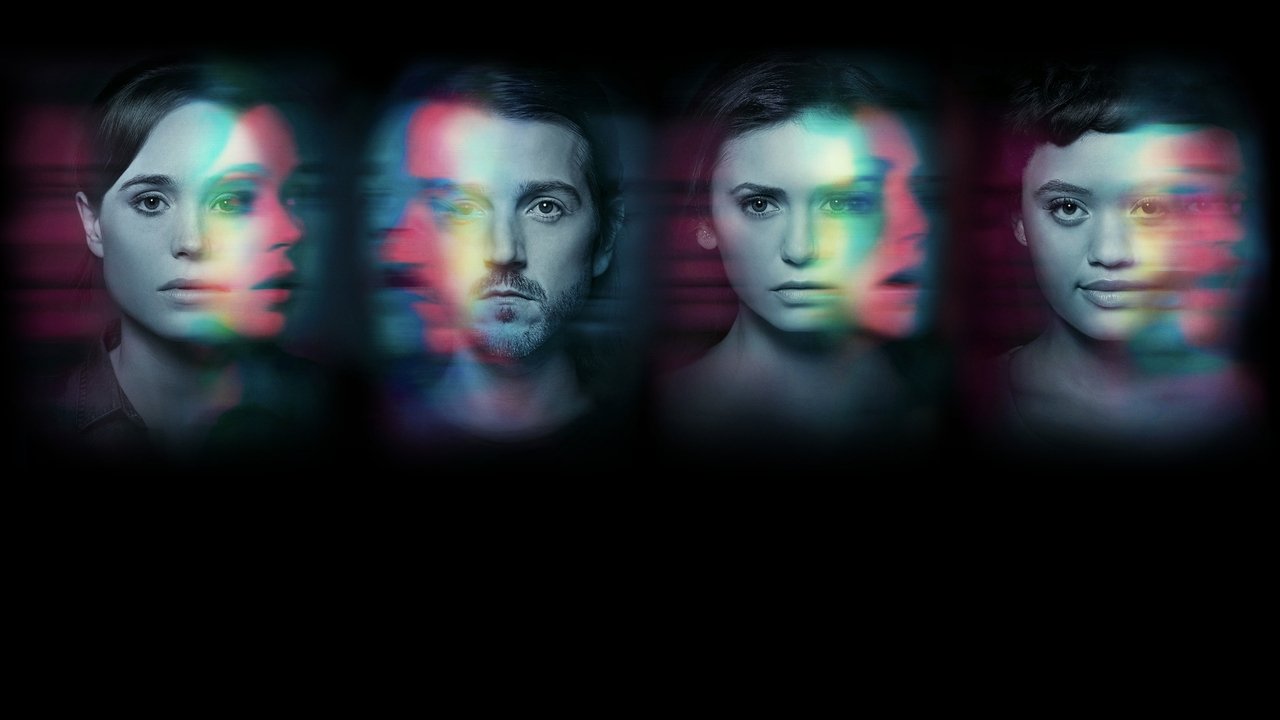
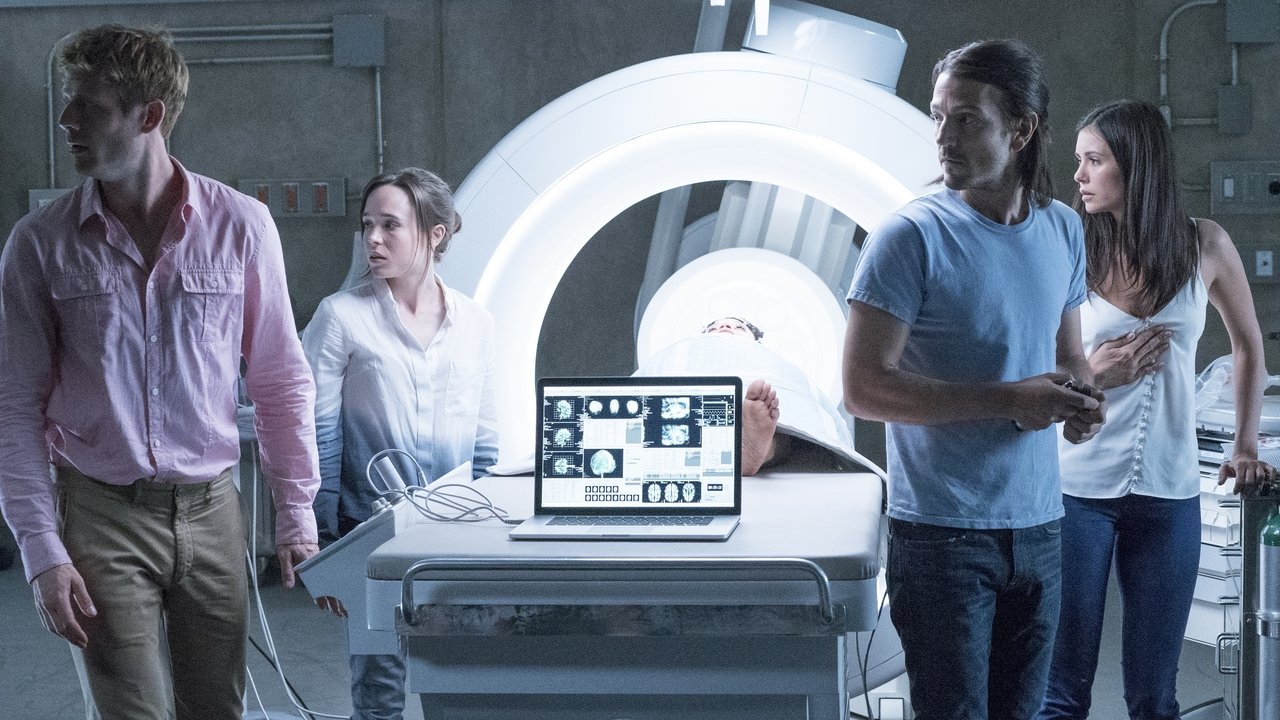
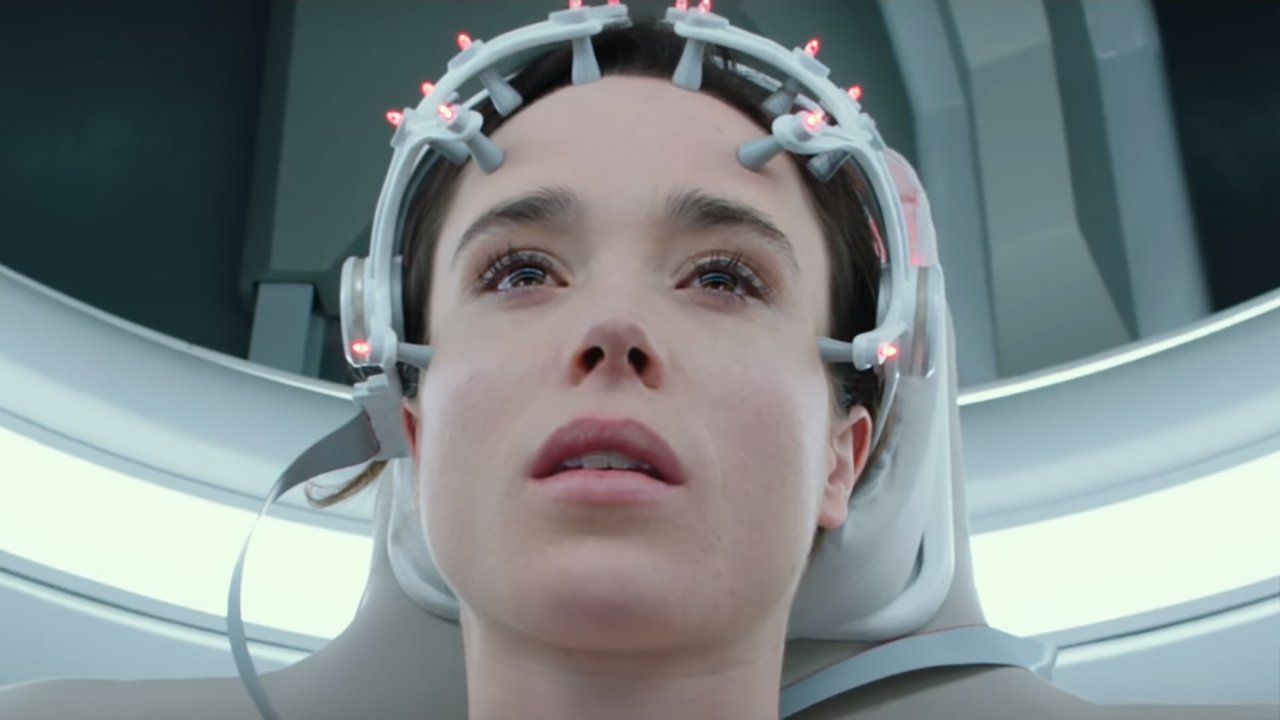
Directed by Niels Arden Oplev—the man who gave us the original gritty The Girl with the Dragon Tattoo—this version of Flatliners ditches the 90s camp for a sleek, contemporary tech-thriller vibe. We follow Elliot Page as Courtney, a medical student haunted by a past tragedy who convinces her classmates to help her stop her heart to see what’s on "the other side."
The setup is pure 2010s: high-tech tablets, clean lines, and a cast of students who look like they stepped out of an Abercrombie & Fitch catalog rather than a grueling 48-hour shift in the ER. In this era of cinema, everything has to be polished until it reflects the viewer's own bored face. The film captures that specific mid-2010s obsession with "optimization"—the characters aren't just exploring death; they’re trying to hack their brains to become "super-doctors." It’s very Limitless meets Final Destination, but unfortunately, it lacks the charisma of the former and the creative kills of the latter.
A Cast Seeking Life Support
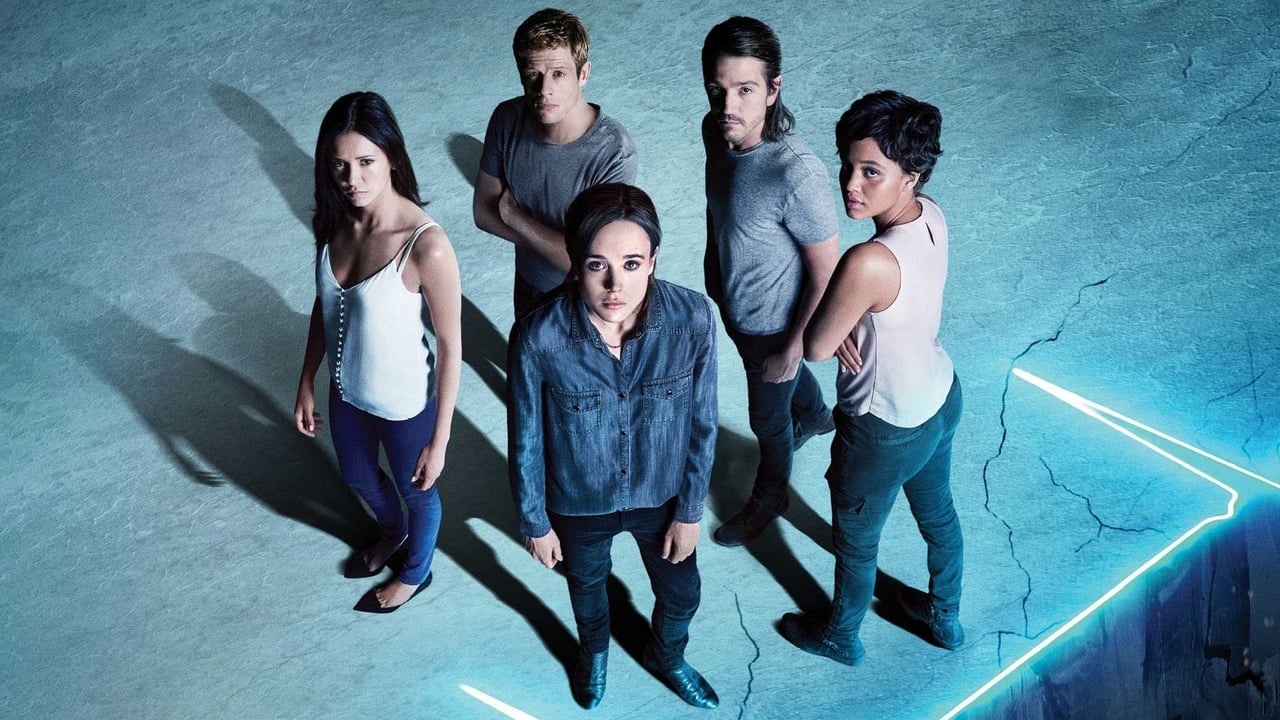
The most frustrating part about this movie is the sheer level of talent being underutilized. Elliot Page brings a grounded, melancholic intensity to Courtney, but the script doesn't give them much to do besides look worried. Then you have Diego Luna, fresh off his Rogue One: A Star Wars Story (2016) fame, playing the "rational" one. Luna is a fantastic actor, but here he spends most of his time looking like he’s wondering if he left the oven on at home.
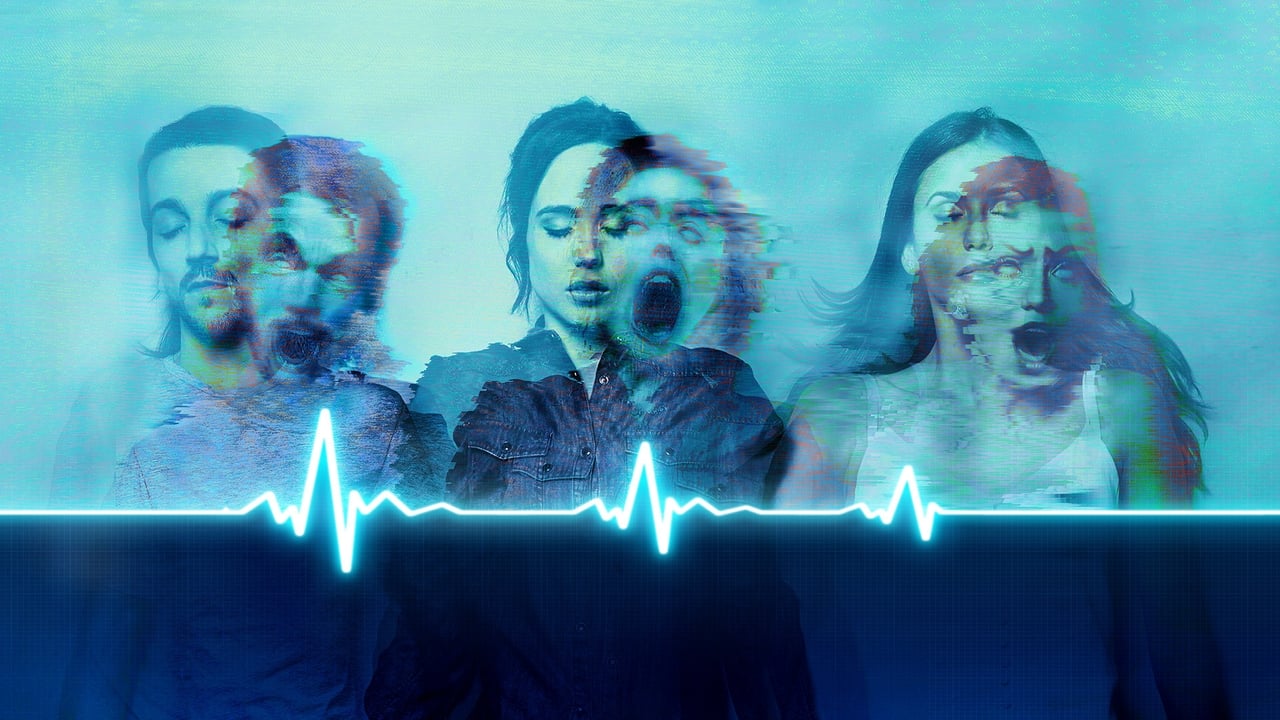
Nina Dobrev (the queen of The Vampire Diaries) and James Norton fill out the ranks as the competitive overachiever and the resident playboy, respectively. Norton, in particular, seems to be having the most fun, leaning into the "privileged jerk" archetype that the original film’s William Baldwin handled with such oily perfection. Kiersey Clemons (Dope) rounds out the group, and while she tries to bring some emotional stakes to her character’s "sin," the writing is just too thin. It's a classic case of "a Ferrari engine in a lawnmower chassis." The actors are doing the heavy lifting, but the narrative wheels are falling off.
The Jump-Scare Pandemic
In the original film, the "hauntings" felt like psychological manifestations of guilt. In 2017, they feel like rejected concepts from The Conjuring universe. We get the standard tropes of contemporary horror: flickering lights, creepy figures standing in corners, and loud musical "stingers" designed to make you jump even if nothing scary is happening. It’s a shame, because the concept of "sins coming back to haunt you" is a goldmine for psychological horror. Instead, we get Nina Dobrev being chased by a ghost that looks like it was rendered on a mid-range gaming laptop.
The CGI afterlife sequences are a perfect example of modern technology removing the mystery. Where Schumacher used shadows and practical sets, Oplev uses a swirling vortex of digital particles. It’s pretty, but it’s not scary. It feels like a screensaver from 2015. There’s a certain irony in the fact that a movie about the mysteries of the universe feels so mechanically processed and devoid of soul.
The "Legacy" Connection
The film’s biggest "stuff you didn't notice" moment (though it's hard to miss) is the return of Kiefer Sutherland. He plays a senior doctor with a cane and a grumpy attitude. Fun fact: Sutherland mentioned in interviews that he considered himself to be playing the same character from the 1990 original (Nelson Wright), just under a different name to hide his past. However, the film never actually confirms this, leaving it as a weird, dangling piece of trivia that adds zero weight to the plot.
Other behind-the-scenes oddities? The cast actually went through a "medical boot camp" to learn how to use the equipment properly. Elliot Page and the crew reportedly learned how to do real CPR and intubations, which makes it even more hilarious when the movie abandons medical reality for "ghost physics" ten minutes later. The film also suffered a brutal 0% score on Rotten Tomatoes upon its initial release, though it eventually "climbed" to a slightly less embarrassing 4%. It’s become a bit of a cult curiosity for exactly that reason—people watch it just to see if it’s really that bad. (It's not, it's just aggressively mediocre).
If you’re looking for a slick, mindless thriller to have on in the background while you scroll through TikTok, Flatliners (2017) is perfectly serviceable. It’s a fascinating artifact of the "remake everything" era, proving that you can have a great cast, a solid budget, and a proven IP, but without a unique vision, you’re just pulse-checking a corpse. It’s not quite a flatline, but the heartbeat is definitely faint.
Keep Exploring...
-

In the Tall Grass
2019
-

Bird Box
2018
-
Secret Obsession
2019
-
The Silence
2019
-

Victor Frankenstein
2015
-
The Boy
2016
-

Underworld: Blood Wars
2016
-

47 Meters Down
2017
-

The Circle
2017
-
Death Wish
2018
-
The Cloverfield Paradox
2018
-
Child's Play
2019
-

Countdown
2019
-
Escape Room: Tournament of Champions
2021
-

Old
2021
-

The Little Things
2021
-
Dead Man Down
2013
-
Jack Reacher: Never Go Back
2016
-
Rambo: Last Blood
2019
-
Unhinged
2020