Get Out
"A chilling dissection of suburban polite society that turns a tea cup into a weapon."
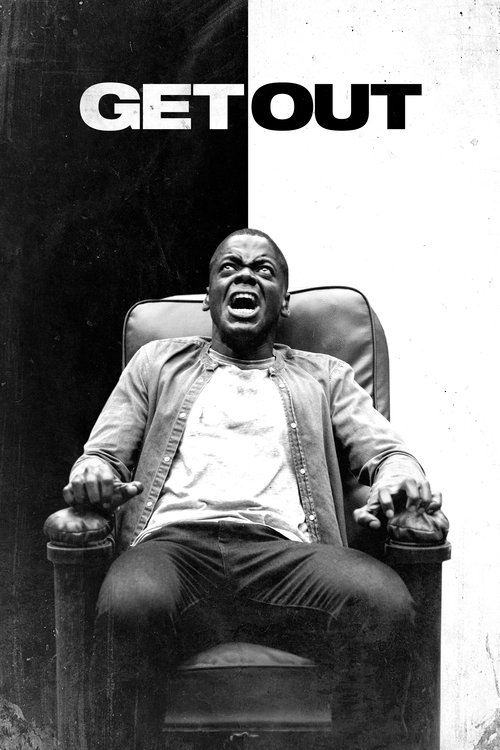
There’s a specific kind of silence that falls over a theater when an audience realizes they aren't just watching a movie, but a collective nerve being touched. I remember sitting in a mid-day screening back in 2017, clutching a lukewarm Sprite that had lost its fizz twenty minutes before the opening credits, feeling the air in the room grow heavy. We weren't just watching a horror flick; we were watching the birth of a new cinematic vocabulary. Jordan Peele, a man we all knew as one half of a brilliant sketch comedy duo, didn't just step behind the camera—he dismantled the genre and rebuilt it to suit a world that was finally starting to look at itself in the mirror.
The Architecture of the Sunken Place
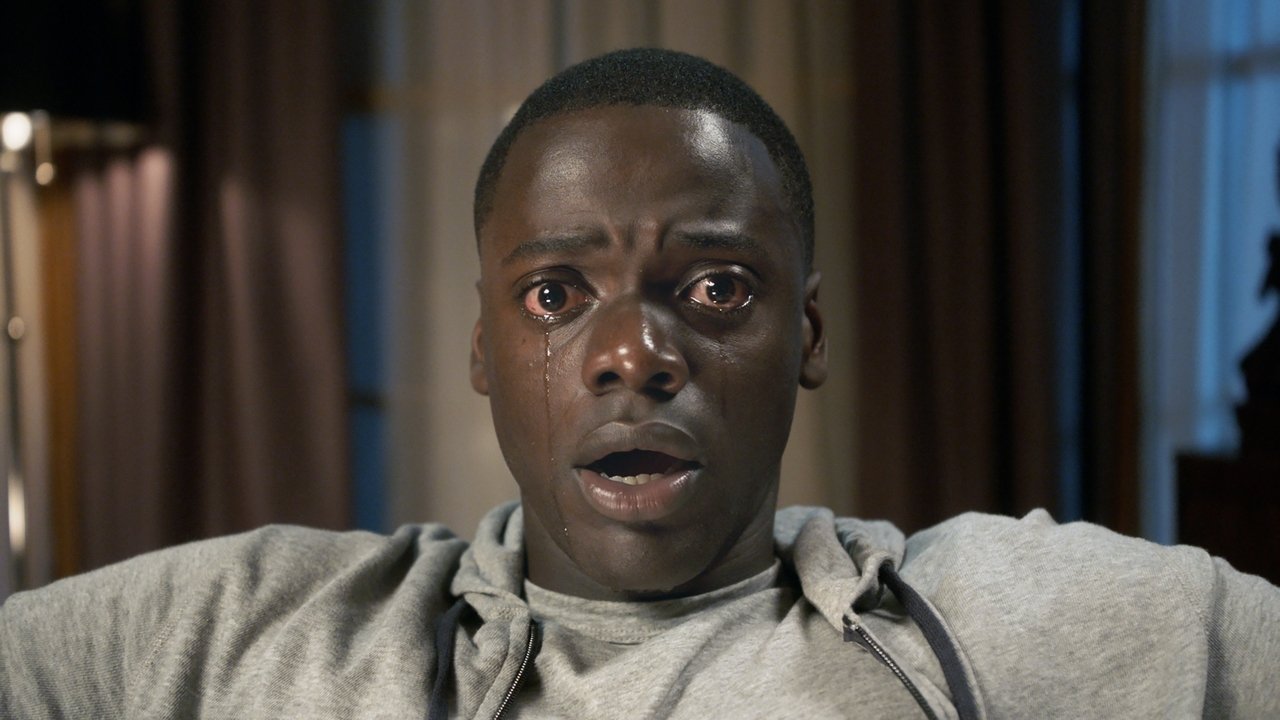
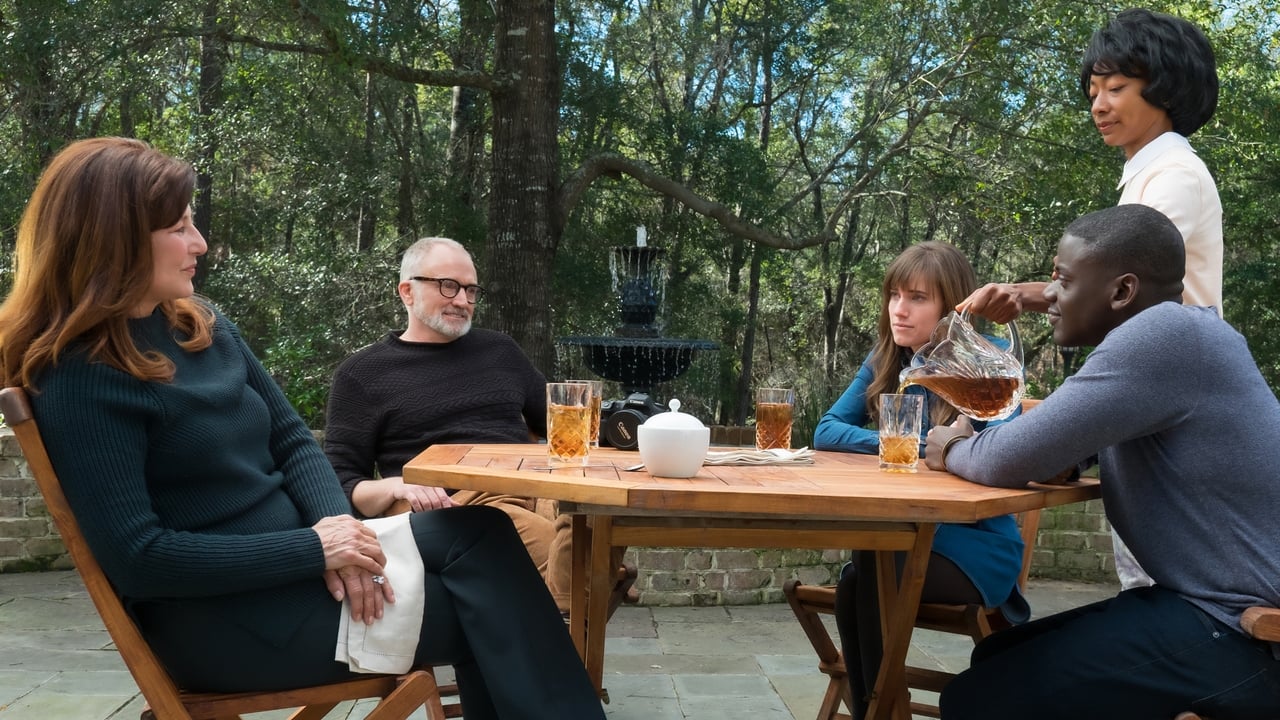
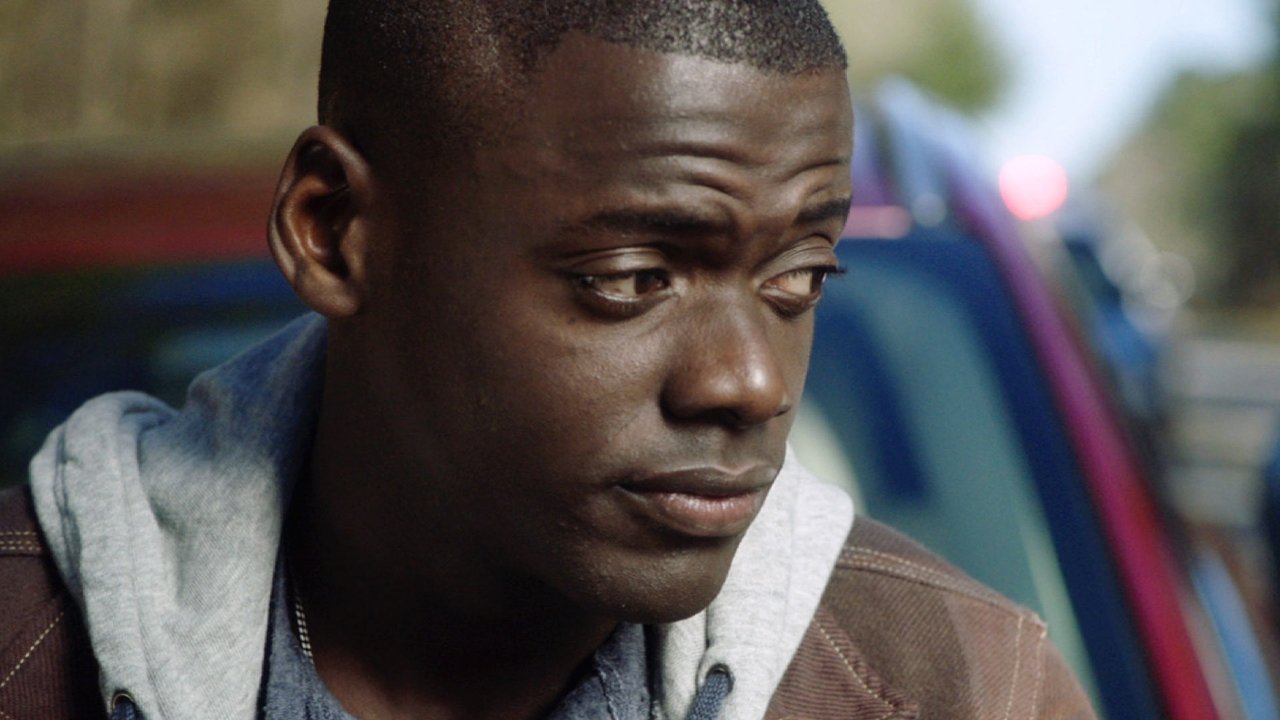
The brilliance of this film isn't just in its jump scares—though there are a few that genuinely rattled my teeth—but in its suffocating atmosphere. From the moment Daniel Kaluuya’s Chris Washington steps onto the Armitage estate, the dread is baked into the lighting. It’s too bright, too green, too welcoming. It’s a sensory overload of "polite" society that feels predatory. Kaluuya delivers a performance of incredible restraint; his eyes do more work than most actors' entire bodies. When he’s paralyzed in that chair, tears streaming down his face while his consciousness drifts into the "Sunken Place," it’s not just a cool visual effect—it’s a physical manifestation of marginalization. The Armitage estate is basically a curated museum of stolen human potential.
Catherine Keener is terrifyingly understated as Missy Armitage. The rhythmic clink-clink-clink of her silver spoon against the porcelain tea cup is a sound that still makes me tense up during breakfast. It’s a domestic sound weaponized. Beside her, Bradley Whitford plays the "I would have voted for Obama a third time" father with a skin-crawling sincerity that feels more dangerous than a masked slasher. He represents the horror of the familiar, the danger lurking behind a friendly handshake and a shared interest in photography.
A Seismic Shift in the Cultural Landscape
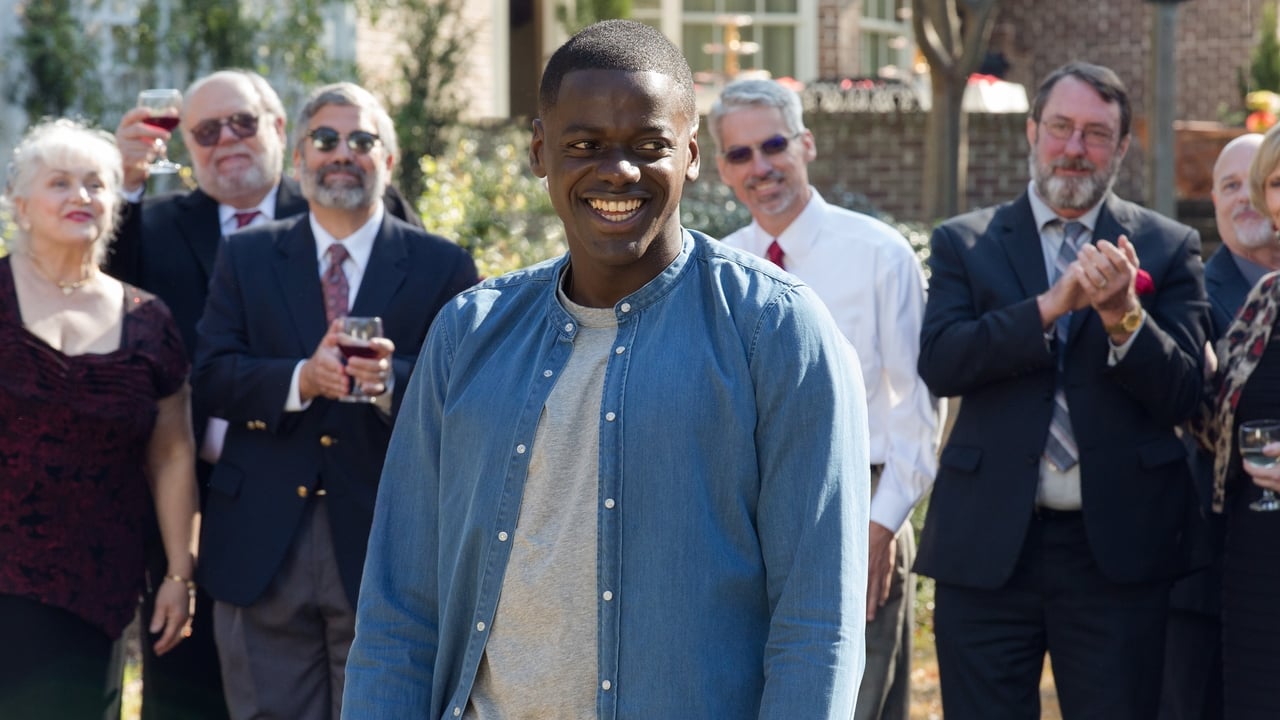
To understand why this hit so hard, you have to look at the moment it arrived. We were in the middle of a massive conversation about representation—the #OscarsSoWhite movement was still echoing—and along comes a $4.5 million indie horror film that completely dominates the box office. It didn't just make money; it became a shorthand for social anxiety. I saw "The Sunken Place" trending on Twitter for months, used to describe everything from political fatigue to celebrity meltdowns.
The financial trajectory of this film is the stuff of legend. Produced by Jason Blum’s Blumhouse on a shoestring budget, it ended up raking in over $250 million worldwide. That kind of ROI isn't just luck; it’s a testament to the fact that audiences were starving for a story that acknowledged the complexities of the modern world without being a dry, academic lecture. Jordan Peele managed to make a movie that was both a brutal social critique and a popcorn-munching thriller. He even became the first African American to win the Oscar for Best Original Screenplay, a milestone that felt like the industry finally catching up to the streets.
The Craft of Discomfort
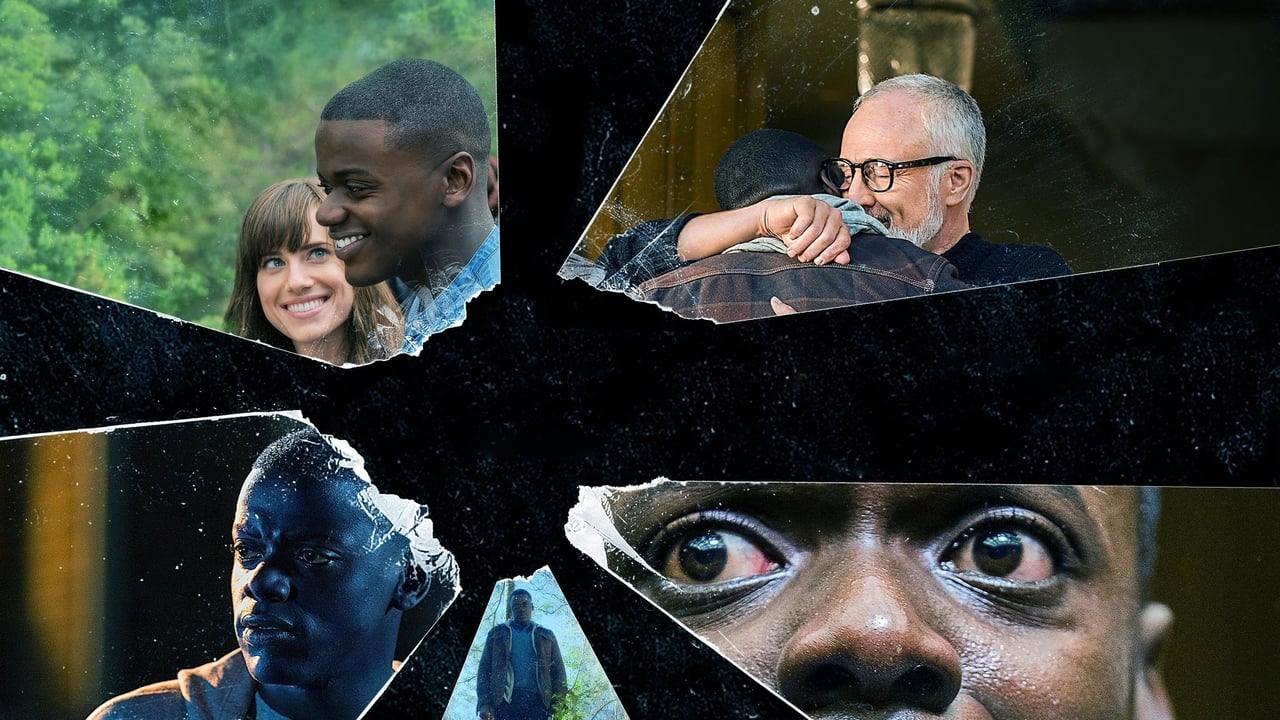
The technical choices here are what elevate it from a "concept movie" to a masterpiece of contemporary cinema. The score by Michael Abels uses Swahili chants—"Sikiliza Kwa Wahenga"—which translates to "listen to your ancestors." It’s a haunting, primal warning that underscores the entire film, reminding us that Chris is walking on the graves of those who came before him. Even the supporting cast, like Caleb Landry Jones as the unhinged brother Jeremy or Marcus Henderson as the eerily fast-running groundskeeper Walter, contribute to a sense that the very air Chris is breathing is toxic.
One of the most fascinating bits of trivia is that the ending we see—the one with Chris’s best friend Rod (a hilarious Lil Rel Howery) arriving in the TSA car—wasn't the original plan. Jordan Peele initially shot a much darker conclusion where the police arrive, Chris is arrested, and the film ends with him behind bars. He changed it because he felt the audience "needed a win" in a world that already felt increasingly bleak. It was a savvy move; that final burst of relief is what allowed the film’s message to really settle in rather than leaving the viewer in a state of total nihilism. White liberalism hasn't looked this terrifying since the invention of the HOA.
Ultimately, the film succeeds because it treats its audience with respect. It assumes you’re smart enough to catch the metaphors but provides enough visceral tension to keep your heart rate elevated even if you ignore the subtext. It’s a rare feat of filmmaking that feels just as sharp and unsettling today as it did during its first weekend. It’s not just a horror movie; it’s a landmark of what happens when a visionary director is given the keys to the genre and told to drive.
Keep Exploring...
-
Us
2019
-
Nope
2022
-
Hereditary
2018
-
The Conjuring: The Devil Made Me Do It
2021
-
Marrowbone
2017
-
Ghostland
2018
-
Don't Breathe
2016
-
It
2017
-
Split
2017
-
A Quiet Place Part II
2021
-
The Batman
2022
-
The Black Phone
2022
-
The Invisible Man
2020
-
Searching
2018
-
Run
2020
-
Pearl
2022
-
Saw X
2023
-

Final Destination Bloodlines
2025
-
Sinners
2025
-

Weapons
2025