Ghost in the Shell
"A neon-soaked dream with a hollow heart."
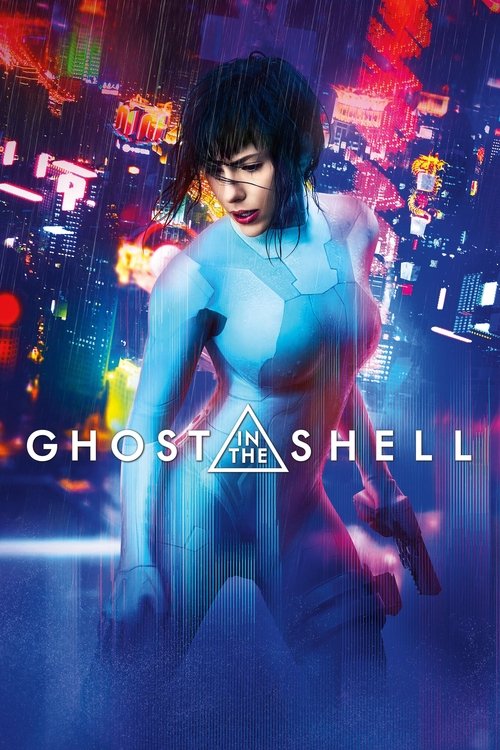
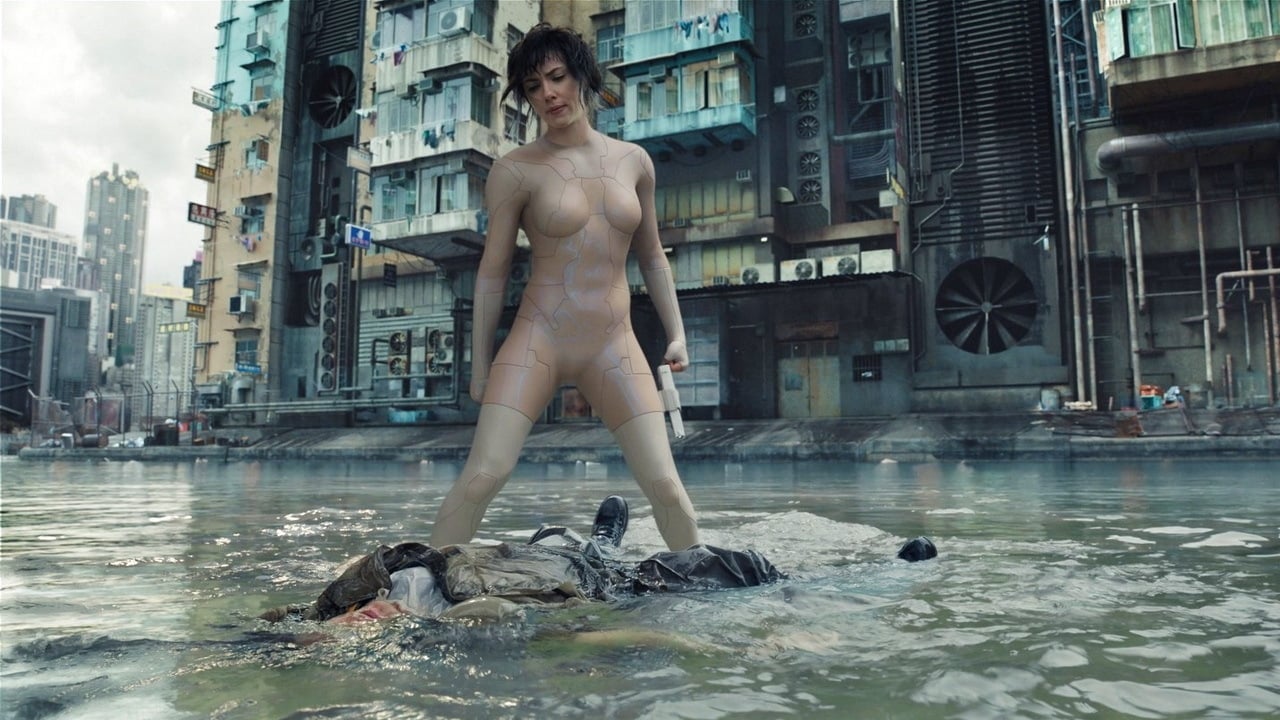
The first time I saw the "shelling" sequence in Rupert Sanders’ 2017 take on Ghost in the Shell, I actually forgot to breathe. Seeing the robotic skeleton of Major Mira Killian dipped into white fluid, the skin forming like 3D-printed lace, and that iconic green-tinted HUD—it was a miracle of modern digital craft. I watched this particular scene on my laptop while sitting in a terminal at O'Hare airport, and I was so transfixed that I almost let a guy walk off with my carry-on bag. That’s the power of this movie’s aesthetic; it grabs you by the eyeballs and refuses to let go.
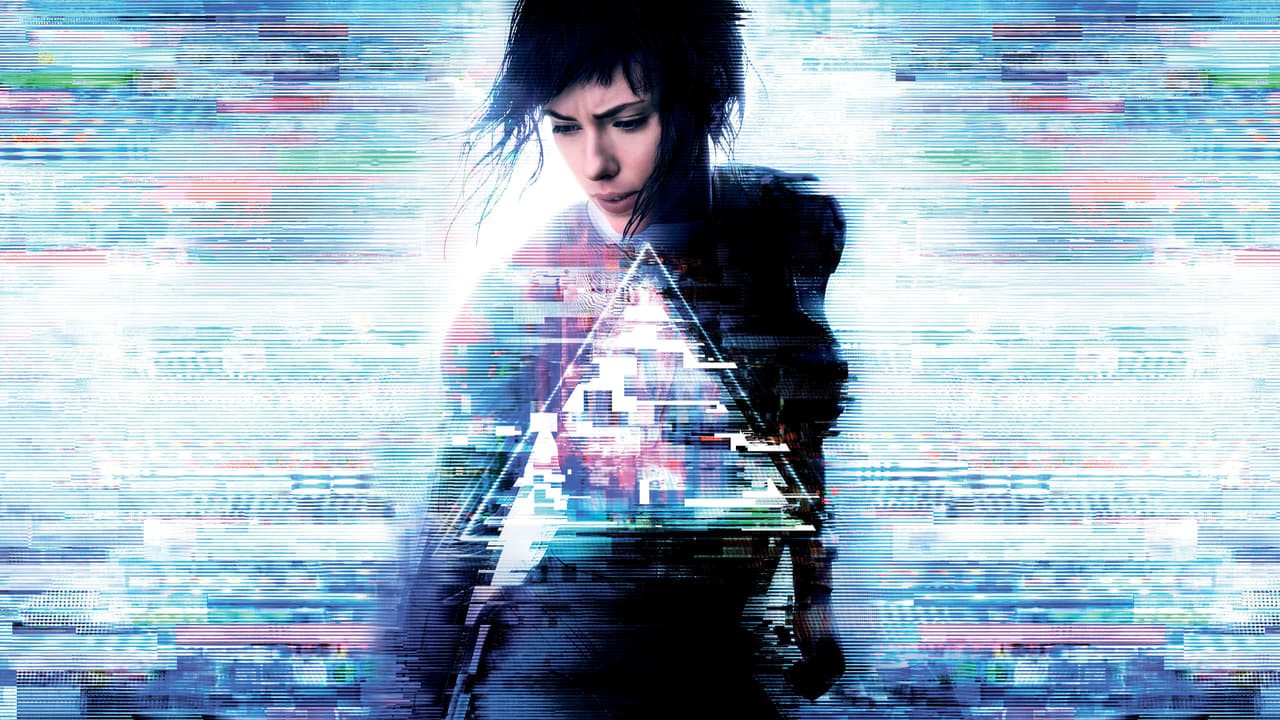
But as the 107 minutes ticked by, I realized that while the "shell" was breathtaking, the "ghost" was nowhere to be found.
Neon, Rain, and Digital Dust
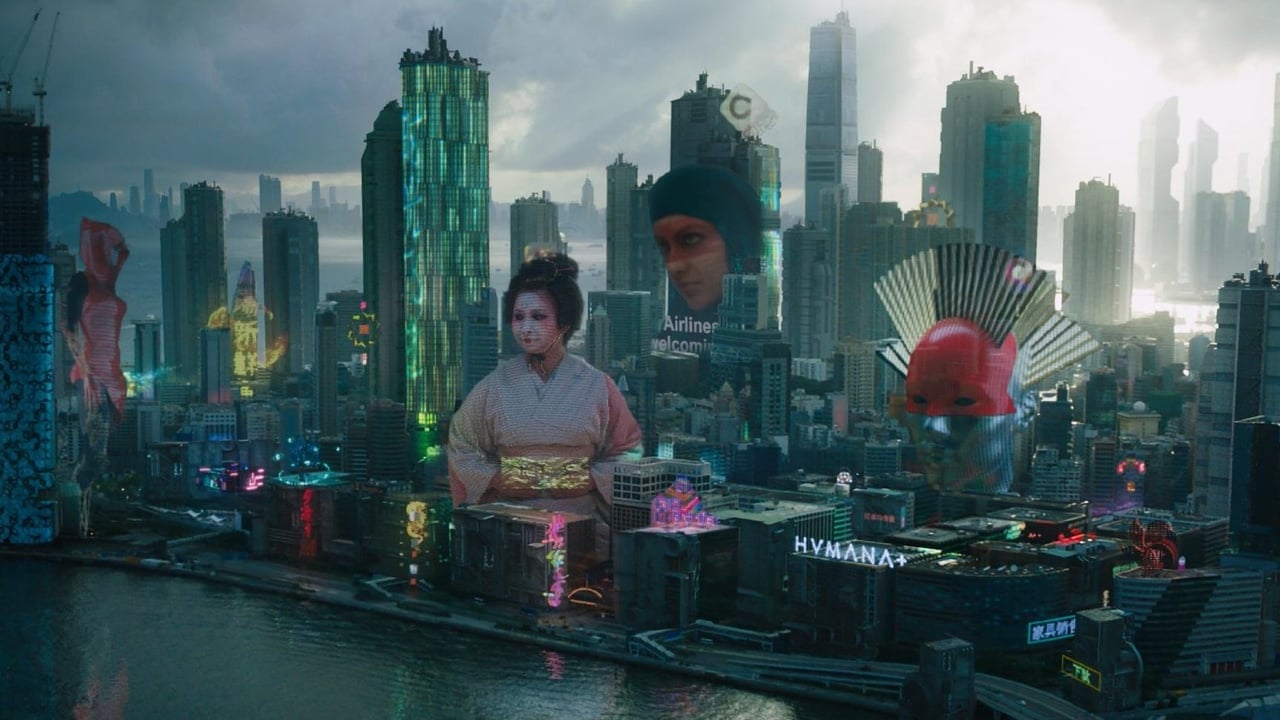
Let’s be clear: this is one of the most visually stunning films of the last decade. In an era where "franchise sludge" often results in muddy, grey-brown cinematography, Rupert Sanders (who gave us the equally pretty Snow White and the Huntsman) treats every frame like a high-fashion editorial. The city is a sprawling, vertical labyrinth of "solidograms"—giant advertisements that loom over the streets like neon ghosts. It captures the spirit of the 1995 anime original while injecting a tactile, grimy realism that feels very "now."
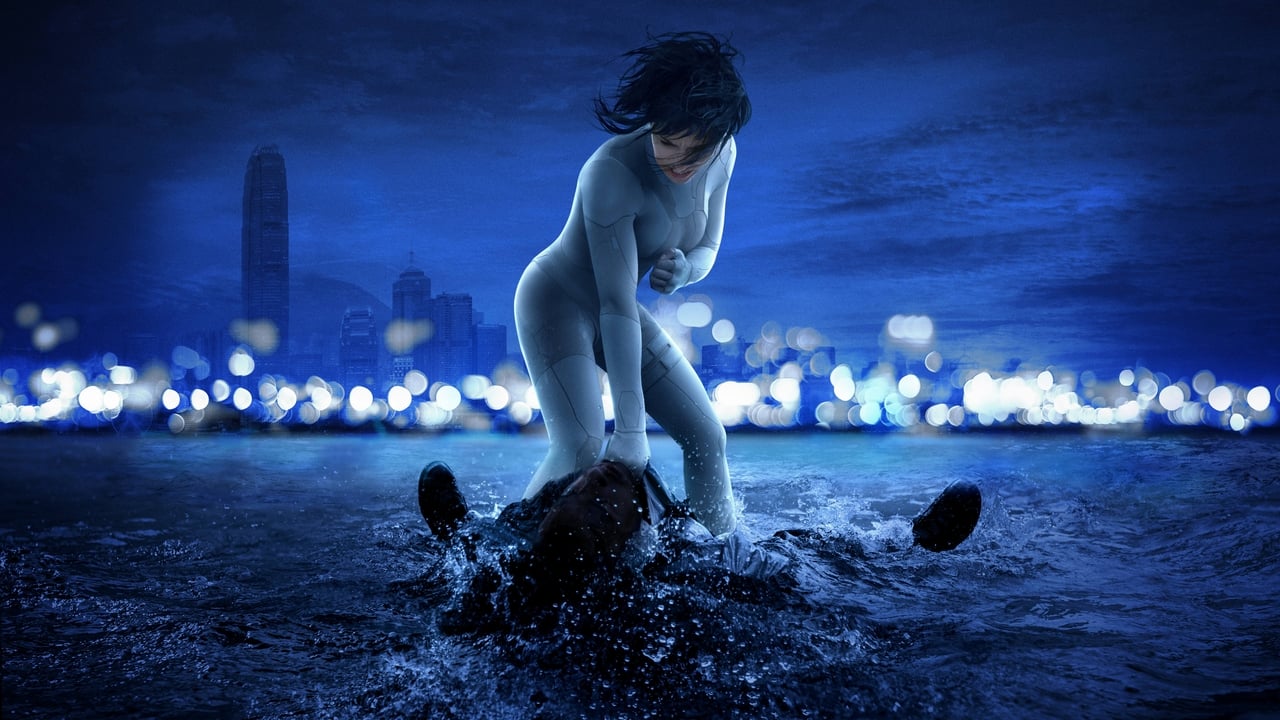
The action choreography is equally sharp. When Scarlett Johansson (relying on her Lucy and Black Widow muscle memory) dives off a skyscraper in her thermoptic suit, the physics feel heavy and dangerous. The mid-movie water fight, where she tackles a cloaked assassin in a flooded plaza, is a masterclass in using slow-motion to highlight impact rather than just to look cool. The action sequences are the only time the movie feels like it’s actually awake.
The Controversy in the Machine
We can't talk about this film without talking about the casting. Back in 2017, the discourse around "whitewashing" was reaching a fever pitch, and Scarlett Johansson became the lightning rod for it. While the film tries to write its way out of the corner with a late-game plot twist regarding the Major’s "original" identity, it ends up feeling clumsy and a little tone-deaf.
Johansson is a great actress, and she plays the Major with a stiff, robotic alienation that works for a cyborg, but she has all the emotional range of a very expensive Roomba. The real soul of the film lives in the supporting cast. Takeshi Kitano (the legendary "Beat" Takeshi from Violent Cop) is a godsend as Aramaki. He’s the only one who speaks Japanese while everyone else speaks English, and he doesn’t care if you can't keep up. He radiates a "don't mess with me" energy that keeps the movie grounded. Meanwhile, Pilou Asbæk as Batou brings a much-needed warmth; his chemistry with the Major is the only thing that makes her feel human.
Why It Became a Modern Cult Curiosity
Despite failing to ignite the box office or win over the hardcore anime purists, the 2017 Ghost in the Shell has developed a strange second life. It’s a favorite for "tech-demo" enthusiasts who want to show off their 4K OLED TVs, and it’s frequently cited by concept artists as a pinnacle of world-building. It sits in that weird space of contemporary cinema: a film that was "canceled" before it even arrived, yet remains undeniably impressive to look at.
The irony is that the original 1995 film was a deep, philosophical dive into what it means to have a soul in a digital world. The 2017 version takes those questions and replaces them with a standard "who am I and where did I come from?" amnesia plot. The script has the narrative depth of a puddle in a Tokyo alleyway. It traded the "ghost" for a very predictable, Hollywood-standard origin story.
Stuff You Might Have Missed:
Weta Workshop actually built a full-scale, functioning robotic skeleton for the "shelling" sequence—they didn't just use CGI. Takeshi Kitano reportedly refused to speak English on set, requiring an assistant to hold up cue cards for his lines in Japanese. The iconic "Spider Tank" at the end of the film was designed to be as close to the original 1995 design as possible, even though it looked "retro" compared to the rest of the tech. Juliette Binoche (from The English Patient) admitted she took the role of Dr. Ouelet because her kids wanted her to be in a big sci-fi movie. The "glitch" effects seen in the Major’s visions were created by actual digital corruption techniques, not just standard filters. Original anime director Mamoru Oshii visited the set and gave Scarlett Johansson his blessing, though that didn't stop the internet's fury.
At the end of the day, Ghost in the Shell is a triumph of style over substance. If you’re looking for a film that will challenge your perception of humanity, go watch the 1995 anime or Blade Runner 2049. But if you want a 107-minute vacation into a breathtaking cyberpunk future where the sets are gorgeous and Takeshi Kitano gets to shoot people with a revolver, it’s a perfectly fine way to spend an evening. Just don’t expect it to haunt you once the credits roll.

Keep Exploring...
-
Samaritan
2022
-
Extinction
2018
-

In the Heart of the Sea
2015
-
Pixels
2015
-
Terminator Genisys
2015
-
Jack Reacher: Never Go Back
2016
-
Passengers
2016
-
Teenage Mutant Ninja Turtles: Out of the Shadows
2016
-

The Huntsman: Winter's War
2016
-
American Made
2017
-

Geostorm
2017
-

Justice League
2017
-

King Arthur: Legend of the Sword
2017
-
Power Rangers
2017
-
The Dark Tower
2017
-
Transformers: The Last Knight
2017
-
Pacific Rim: Uprising
2018
-
Solo: A Star Wars Story
2018
-

Dark Phoenix
2019
-
Gemini Man
2019