Girls Trip
"Good girls go to heaven; the Flossy Posse goes to New Orleans."
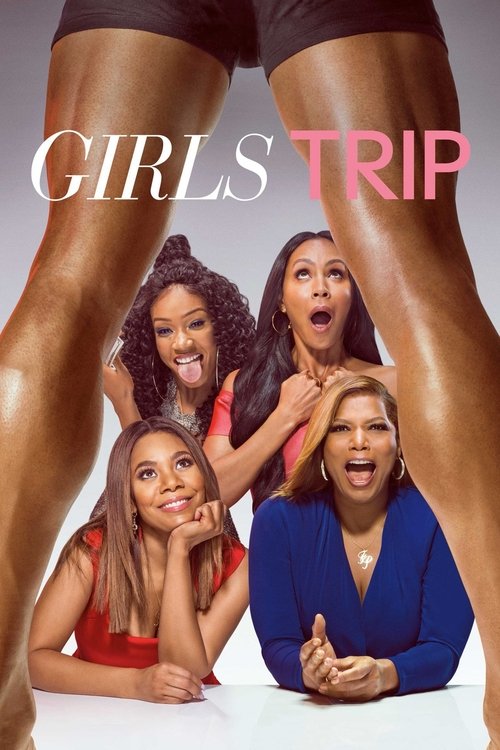
I vividly remember the summer of 2017. While the big studios were busy trying to force-feed us another Transformers sequel and that ill-fated The Mummy reboot with Tom Cruise, a mid-budget R-rated comedy about four Black women heading to New Orleans quietly walked into the room and stole everyone’s drink. I saw it in a packed theater where the air felt like it was vibrating from the collective wheezing of a hundred people who couldn't catch their breath. I watched this while eating a bowl of grapes that were slightly too sour, and for some reason, the sharpness of the fruit matched the chaotic energy of the 'Grapefruit scene' perfectly.
The Quest for the Flossy Posse
At its heart, Girls Trip is a classic adventure story. Instead of a mountain or a magical ring, the destination is the Essence Festival in New Orleans, and the "treasure" is the reclamation of a friendship that has been buried under a decade of "adulting." Regina Hall (who I’ve loved since her hilariously deadpan days in Scary Movie) plays Ryan Pierce, a lifestyle guru who seemingly has it all—the "perfect" marriage to Mike Colter (Marvel's Luke Cage) and a booming business. But we all know the rule of cinema: the more perfect someone’s life looks in the first ten minutes, the more likely it is to explode by the second act.
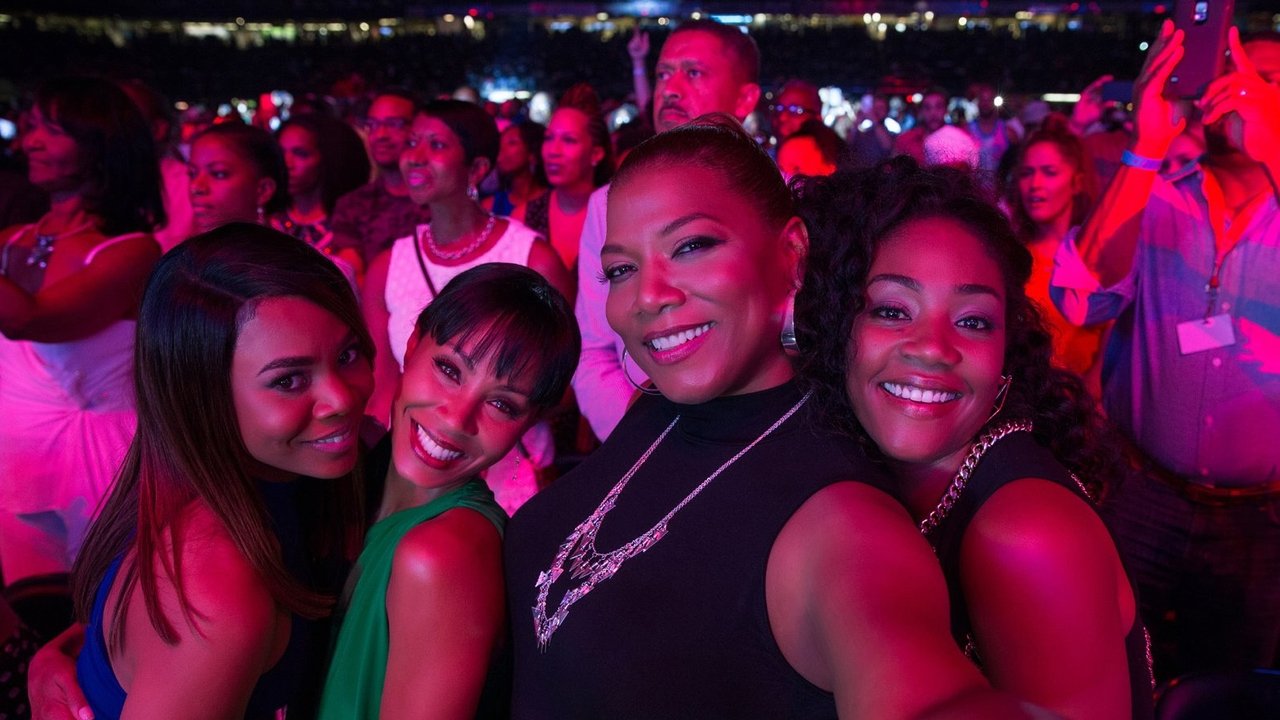
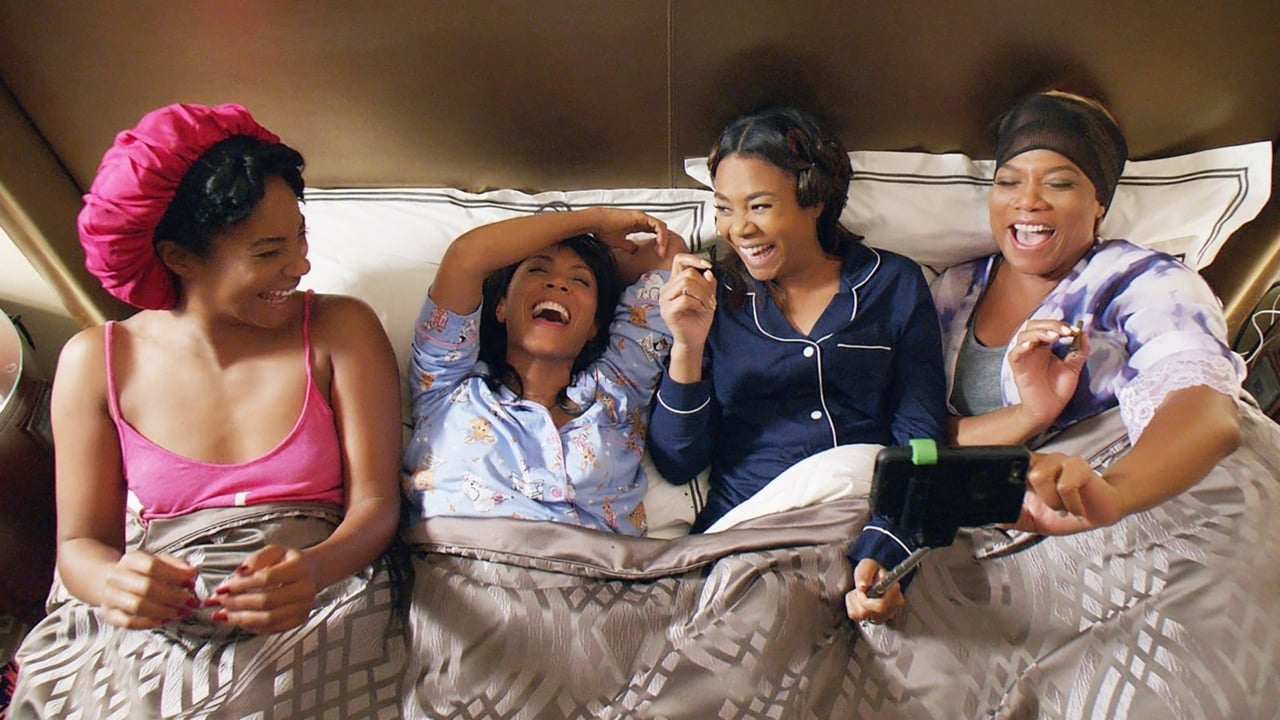
The "Flossy Posse" is rounded out by Queen Latifah (Chicago) as Sasha, a struggling gossip blogger; Jada Pinkett Smith (The Matrix Reloaded) as Lisa, a repressed nurse; and the absolute lightning strike that is Tiffany Haddish. Before this movie, Haddish was a working comedian; after this movie, she was a supernova. Her portrayal of Dina is pure, unadulterated id. She is the friend who will hide a bottle of vodka in her hair and threaten to "absurdly" injure anyone who disrespects her crew.
A New Kind of Blockbuster
What I find fascinating about Girls Trip in our current era of "IP-everything" is how it functioned as a genuine cultural phenomenon without a single superhero cape in sight. In 2017, the industry was still clutching its pearls over whether "diverse" stories could travel. Then, Malcolm D. Lee’s film turned a modest $19 million budget into over $140 million at the box office. It didn't just succeed; it humiliated the "sure thing" blockbusters of that year. It proved that in the streaming era, if you give people a theatrical experience that feels like a party they’re actually invited to, they will show up.
The film leans heavily into the "Adventure" genre’s tropes—the journey to an exotic (well, New Orleans in July is certainly a different climate) location, the escalation of peril (mostly involving public urination and hallucinogenic tea), and the "all is lost" moment before the triumphant finale. The production team actually filmed during the real Essence Festival, which gives the background a frantic, lived-in energy that you just can't recreate on a soundstage. When you see the crowds, those aren't just extras; that's the real, pulsing heart of a cultural landmark.
The Chemistry of Chaos
I have a theory that a comedy is only as good as the chemistry between its leads, and this quartet feels like they’ve been roasting each other since middle school. Jada Pinkett Smith’s transformation from a "mom-jeans" wearing wallflower to a woman zip-lining across Bourbon Street is a masterclass in physical comedy, even if it results in one of the most profoundly disgusting and hilarious visual gags in the history of the genre.
The film also handles the "romance" side of things with a surprisingly light touch. Larenz Tate (Love Jones) shows up as Julian, the "one who got away," providing a nice counterpoint to Mike Colter’s Stewart, who—let’s be honest—is the most punchable husband in cinematic history. Stewart represents the "franchise fatigue" of Ryan’s life; he’s a brand, not a person. The real romance of the film isn't between a man and a woman, but between these four women and the versions of themselves they lost along the way.
From a technical standpoint, Greg Gardiner’s cinematography captures the neon-soaked, humid atmosphere of New Orleans beautifully. It feels sticky. You can almost smell the beignets and the spilled Bourbon Street daiquiris. The pacing is relentless; for a 122-minute comedy, it rarely feels like it’s dragging its feet, mostly because Tiffany Haddish is usually about three minutes away from saying something that will make you want to pause the movie just to process the audacity of it.
Girls Trip isn't just a "raunchy comedy"—it's a vital piece of 21st-century cinema that reminded Hollywood that original stories about Black joy and sisterhood are billion-dollar ideas waiting to happen. It balances the "gross-out" humor of Bridesmaids with a deep, soulful appreciation for the history these women share. If you’re looking for a journey that feels like a weekend you’ll never forget (and might need an apology for), this is the one. It's loud, it's messy, and it's exactly what we need more of.
Keep Exploring...
-
Swiss Army Man
2016
-
The Climb
2017
-
Red Shoes and the Seven Dwarfs
2019
-

The Secret Life of Pets 2
2019
-
Space Jam: A New Legacy
2021
-
Vacation
2015
-

A Dog's Purpose
2017
-

Crazy Rich Asians
2018
-
PAW Patrol: The Movie
2021
-

Peter Rabbit 2: The Runaway
2021
-
Ticket to Paradise
2022
-
Focus
2015
-
Minions
2015
-
Shaun the Sheep Movie
2015
-
The SpongeBob Movie: Sponge Out of Water
2015
-
Ballerina
2016
-

Bridget Jones's Baby
2016
-
Deadpool
2016
-
Finding Dory
2016
-

Kung Fu Panda 3
2016