God's Own Country
"Love in the mud and the blood."

The first time I saw Josh O’Connor, he wasn’t wearing a crown or a bespoke suit. He was knee-deep in Yorkshire muck, looking like he hadn’t slept since the turn of the millennium. I watched this film on a Tuesday night while my radiator made a sound like a ghost trying to escape a pipe, and honestly, the cold, damp atmosphere of the movie seeped right into my living room. God’s Own Country doesn't just show you a farm; it makes you feel the grit under your fingernails and the chapped skin on your knuckles.
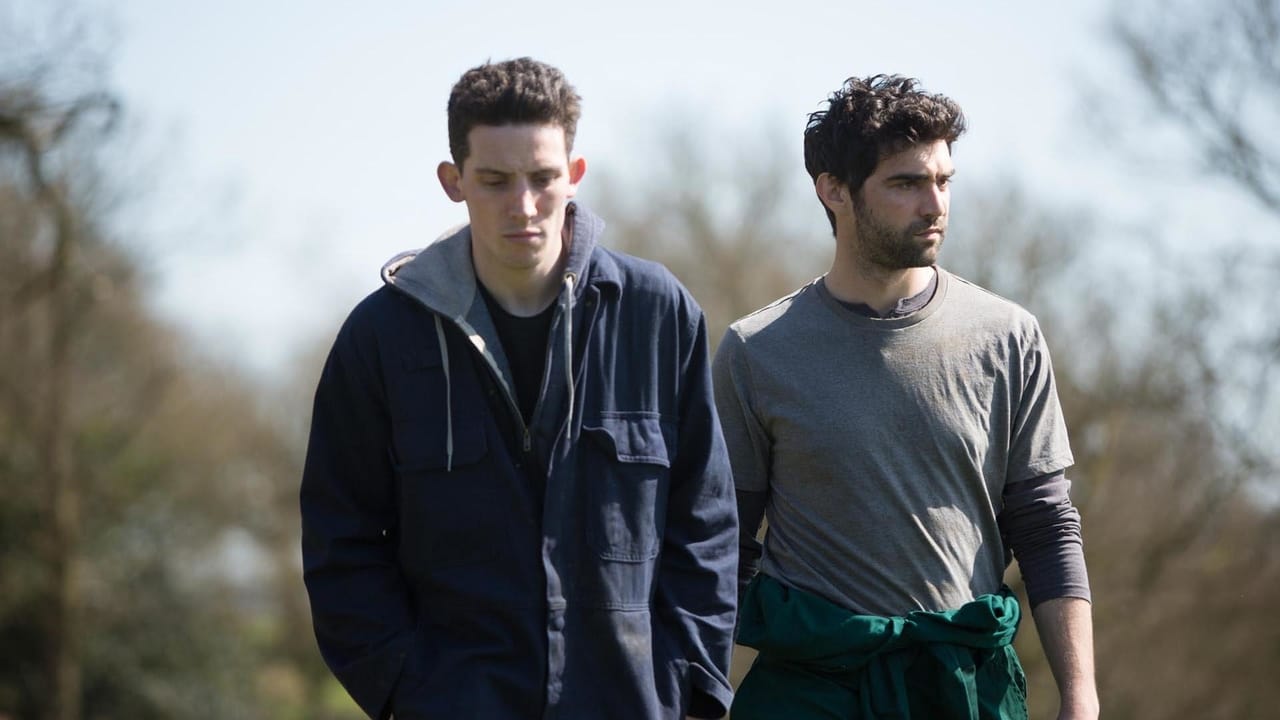
Released in 2017, just as the UK was beginning to grapple with the fractured, post-referendum identity of "Global Britain," Francis Lee’s debut feature arrived like a bucket of cold water to the face. It’s a romance, sure, but it’s a romance that understands that before you can let someone in, you have to stop trying to punch the world into submission.
The Geography of a Closed Heart
Johnny Saxby (Josh O’Connor) is a young man living a life of brutal, repetitive labor. His father, Martin (Ian Hart, who brings a heartbreakingly brittle stoicism to the role), has been sidelined by a stroke, leaving Johnny to manage the family sheep farm under the watchful, weary eye of his grandmother, Deidre (Gemma Jones). Johnny deals with the crushing weight of responsibility the only way he knows how: binge drinking at the local pub and engaging in anonymous, joyless sexual encounters that look more like wrestling matches than intimacy.
O'Connor is a revelation here. Before he was the sensitive, stammering Prince Charles in The Crown, he was Johnny—a man who uses silence as a shield. When Gheorghe (Alec Secăreanu), a Romanian migrant worker, arrives to help with the lambing season, the tension isn’t just about xenophobia or competition; it’s the friction of two different ways of being. Gheorghe treats the land and the animals with a quiet, observant tenderness that Johnny finds alien—and deeply threatening.
There is a philosophy of touch at play here. Johnny’s touch is transactional and violent; Gheorghe’s is transformative. Watching Gheorghe skin a dead lamb to help an orphaned one survive is one of the most remarkable sequences in modern cinema—it’s gruesome, practical, and yet somehow the most romantic thing I’ve ever seen. It’s basically the cinematic equivalent of a weighted blanket—heavy, grounding, and eventually, warm.
Beyond the "British Brokeback" Label

When the film premiered at Sundance, the easy "elevator pitch" was calling it the "British Brokeback Mountain." I get why people did it, but it’s a lazy comparison that misses what makes God’s Own Country so distinct. Where Ang Lee’s masterpiece was about the tragedy of what couldn't be, Francis Lee is interested in the terrifying possibility of what could be.
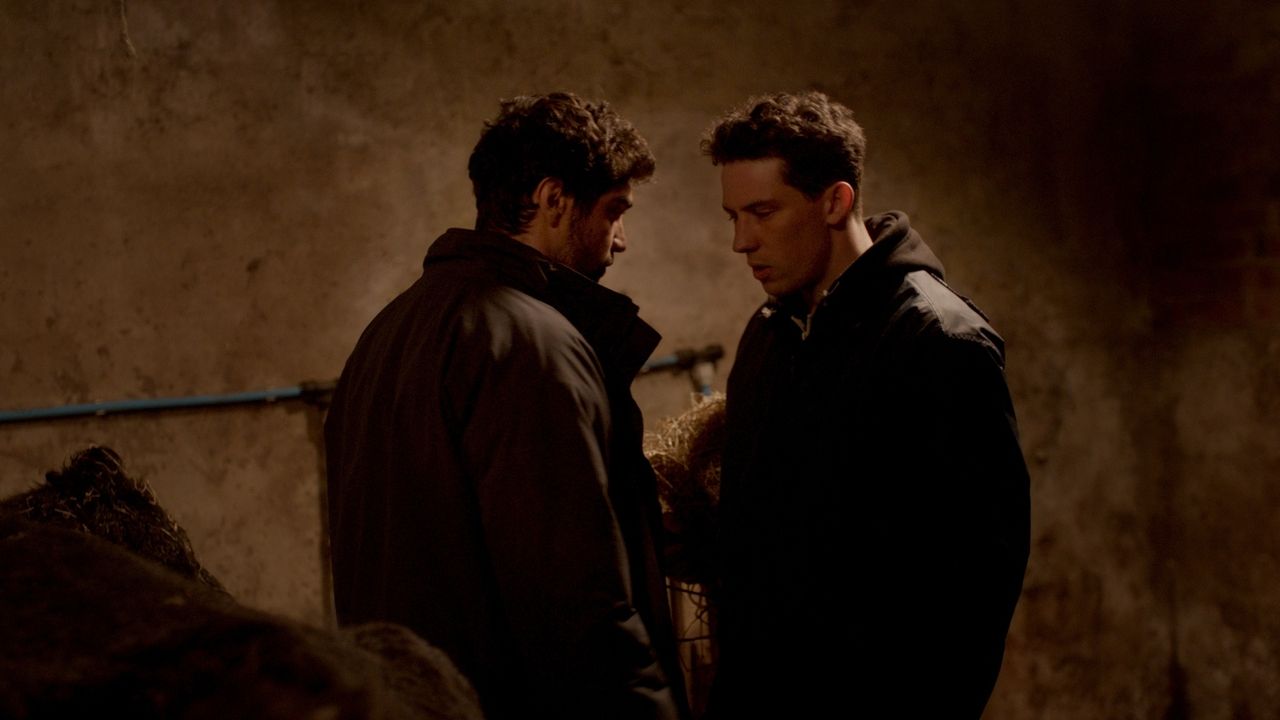
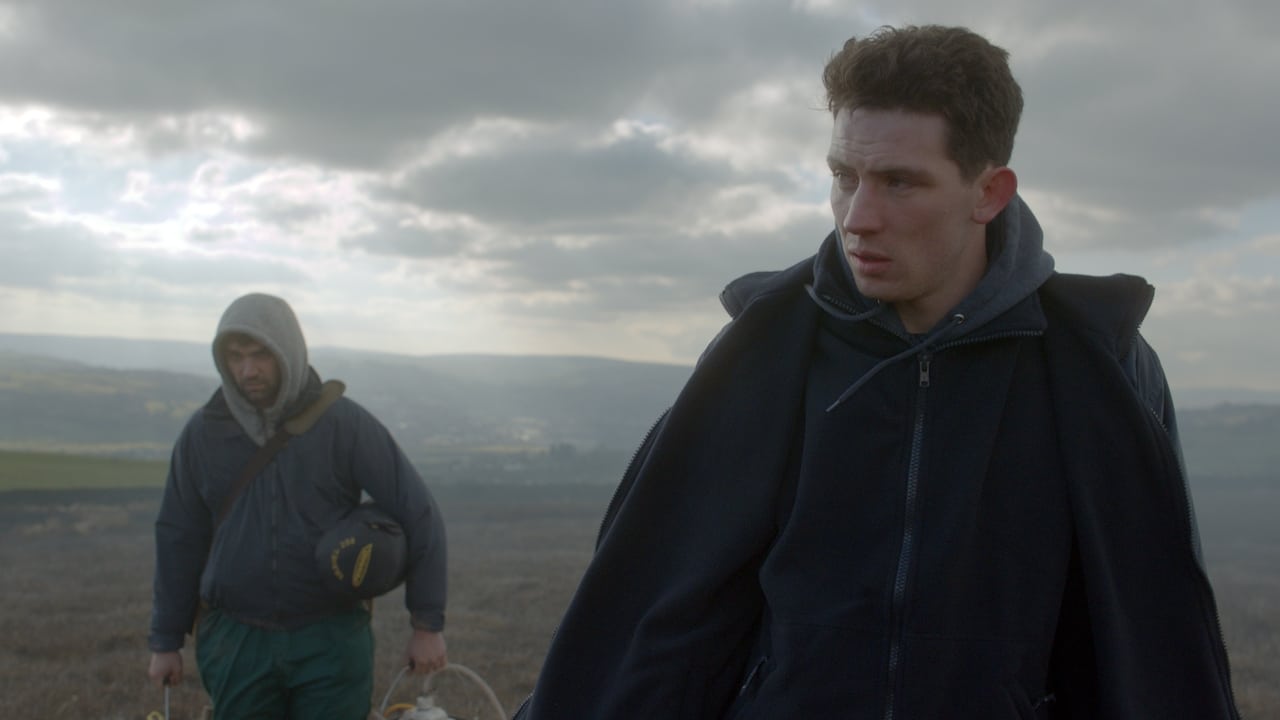
The cinematography by Joshua James Richards (who would go on to shoot Nomadland) is intimately connected to the earth. The camera is often right in the actors' faces, capturing every twitch of a lip or a shift in the eyes. It’s a film that trusts its audience to read the subtext in the landscape. The Yorkshire moors are beautiful, yes, but they are also indifferent and lethal. The film argues that human connection is the only thing that makes that indifference bearable.
One of the coolest details I found out later is that Francis Lee insisted on total authenticity. Josh O'Connor and Alec Secăreanu didn't just play-act at farming; they spent weeks working on actual farms, learning how to birthe lambs and mend walls. O’Connor reportedly lost a significant amount of weight and worked such long shifts that he ended up in the hospital with exhaustion. You can see that physical toll on screen. When they look tired, it’s because they are. When they handle the sheep, they do it with the casual, rough expertise of people who have done it a thousand times.
A Modern Masterpiece of Restraint
In our current era of "prestige" streaming where every emotion is narrated to death, God’s Own Country is a masterclass in showing rather than telling. It engages with the contemporary conversation about migration and the "left behind" rural working class without ever feeling like a lecture. Gheorghe isn't a symbol; he's a man who has been hardened by a different kind of fire, and his presence challenges Johnny’s narrow world-view simply by existing.
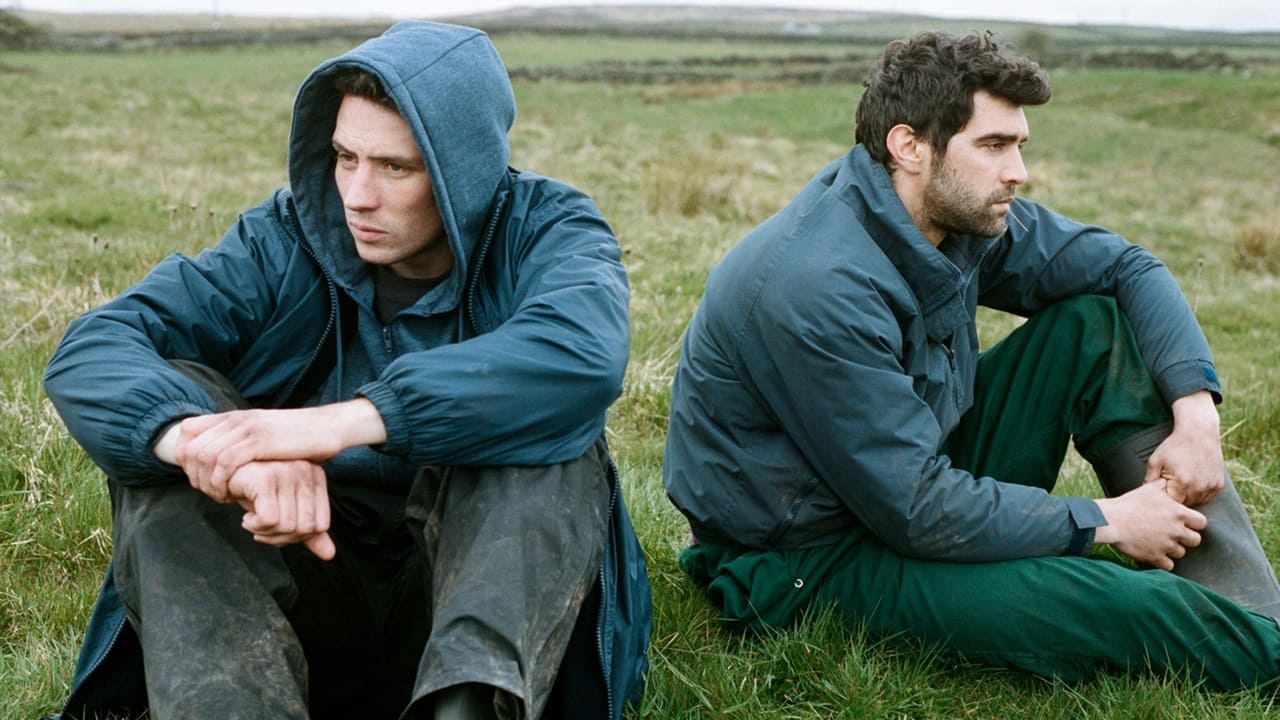
The score by Dustin O’Halloran is sparse, appearing only when the emotional dam finally breaks. For the most part, the soundtrack is the wind, the bleating of sheep, and the heavy breathing of two men trying to figure out if they’re allowed to be happy.
I’ll be honest: I usually find "gritty realism" a bit of a chore. I like my escapism. But this film grabbed me because it’s fundamentally about the bravery required to be soft. In a world that prizes "rugged individualism," the most radical thing Johnny Saxby does isn't coming out—it's deciding to care about something other than his own survival.
This isn't a "light" watch, but it’s an essential one. It’s a film that lingers in the back of your mind like the smell of woodsmoke on a sweater. If you’ve ever felt like you had to build a wall around yourself just to get through the day, Johnny Saxby’s journey will hit you right in the solar plexus. It’s a beautiful, muddy, hopeful piece of work that proves even the harshest soil can grow something worth keeping.
Keep Exploring...
-

I Want to Eat Your Pancreas
2018
-

A Whisker Away
2020
-

Clouds
2020
-
Mary Shelley
2017
-

A Silent Voice: The Movie
2016
-

Love, Simon
2018
-

Five Feet Apart
2019
-
Little Women
2019
-
Portrait of a Lady on Fire
2019
-
The Art of Racing in the Rain
2019
-

Weathering with You
2019
-

All the Bright Places
2020
-
Gabriel's Inferno: Part II
2020
-
Gabriel's Inferno: Part III
2020
-

I Still Believe
2020
-
Life in a Year
2020
-

CODA
2021
-
A Street Cat Named Bob
2016
-
I, Daniel Blake
2016
-
Anomalisa
2015