Good Time
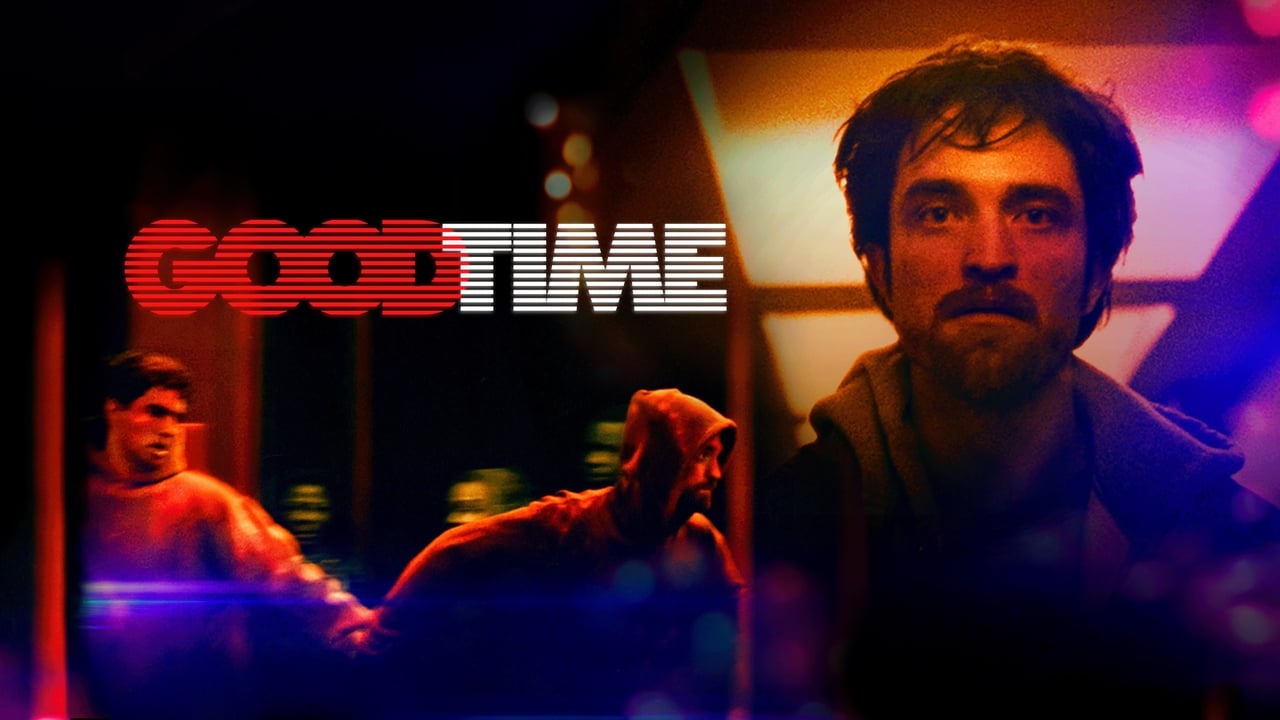
"One night. No rules. No way out."
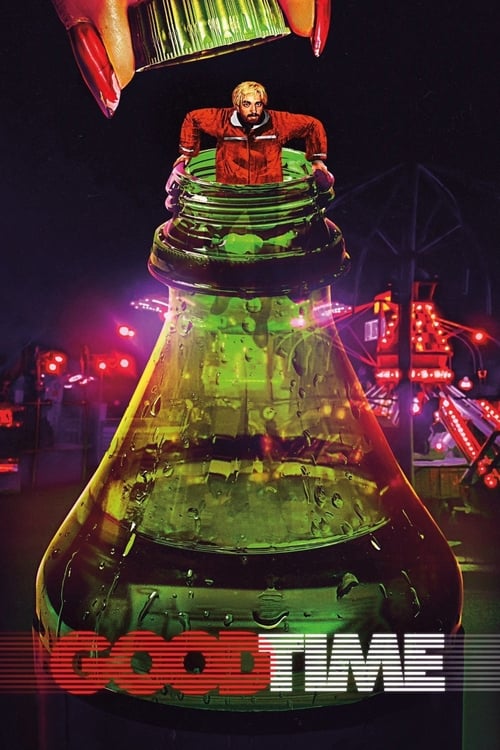
I watched Good Time for the first time in a cramped basement apartment during a heatwave, and my air conditioner was making a rattling sound that perfectly synced up with the movie’s anxiety-inducing synth score. It was one of those rare moments where the environment perfectly mirrored the art. By the time the credits rolled, I was sweating, my heart was hammering against my ribs, and I felt like I had personally participated in a botched bank robbery.
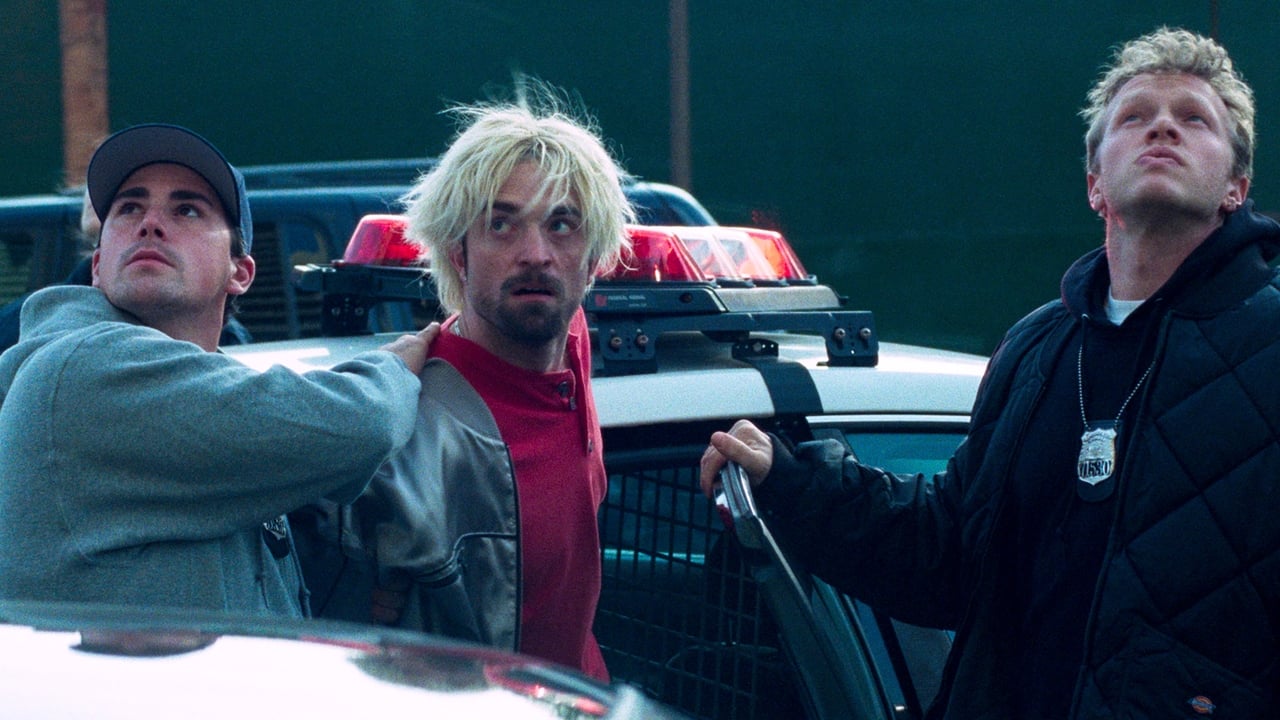
If you’ve only ever known Robert Pattinson as the sparkly vampire from that one franchise, this is the film that will permanently recalibrate your brain. Released in 2017, just as the "prestige indie" wave was truly cresting, Good Time isn't just a movie; it’s a controlled panic attack. Directed by Josh Safdie and Benny Safdie, it follows Connie Nikas (Robert Pattinson) over the course of one disastrous night in New York City as he tries to break his brother Nick (Benny Safdie) out of custody.
A Neon-Soaked Descent into Chaos
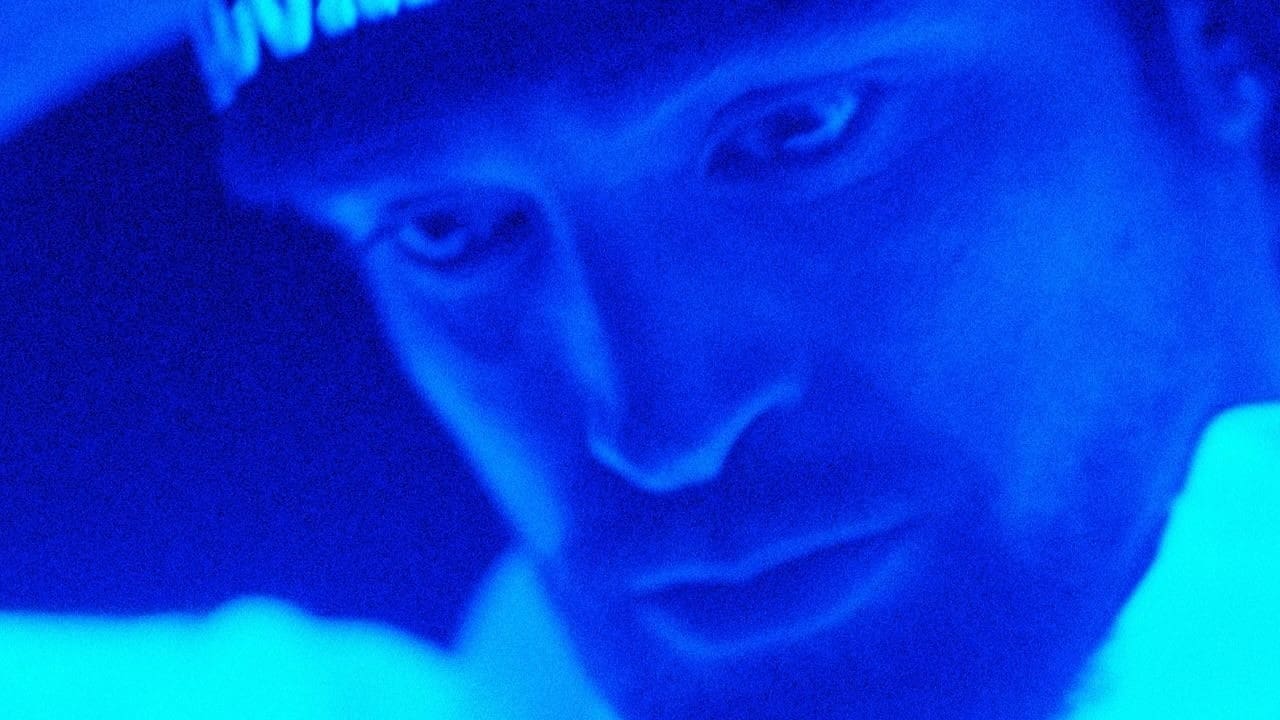
The Safdie brothers don't do "slow burns." They do "immediate explosions." From the opening frame, there is a sense of desperate momentum that never lets up. The cinematography by Sean Price Williams is claustrophobic—lots of tight, grainy close-ups that make you feel like you’re trapped in the backseat of a stolen car with Connie. Everything is bathed in the sickly glow of neon signs and fluorescent hospital lights, giving the New York underworld a dreamlike, almost hallucinatory quality.
What makes this film stand out in the current era of polished, CGI-heavy thrillers is its raw, tactile nature. It feels dangerous. It feels like the camera crew might have actually been arrested while filming it. This is a film that values "vibe" and "texture" over traditional plot beats. You aren’t watching a hero’s journey; you’re watching a desperate man skip stones across the surface of a pond, and each stone is a person he’s willing to sink to keep himself afloat. Connie Nikas is basically a human parasite with a bleach-blonde dye job.
Pattinson’s Masterclass in Desperation
We have to talk about Robert Pattinson. For a long time, there was this discourse about whether he could "actually act," but Good Time ended that conversation with a sledgehammer. As Connie, he is manipulative, charismatic, and utterly terrifying. He’s the kind of guy who can talk his way into a secure hospital wing or a stranger’s apartment just by sheer force of frantic will.
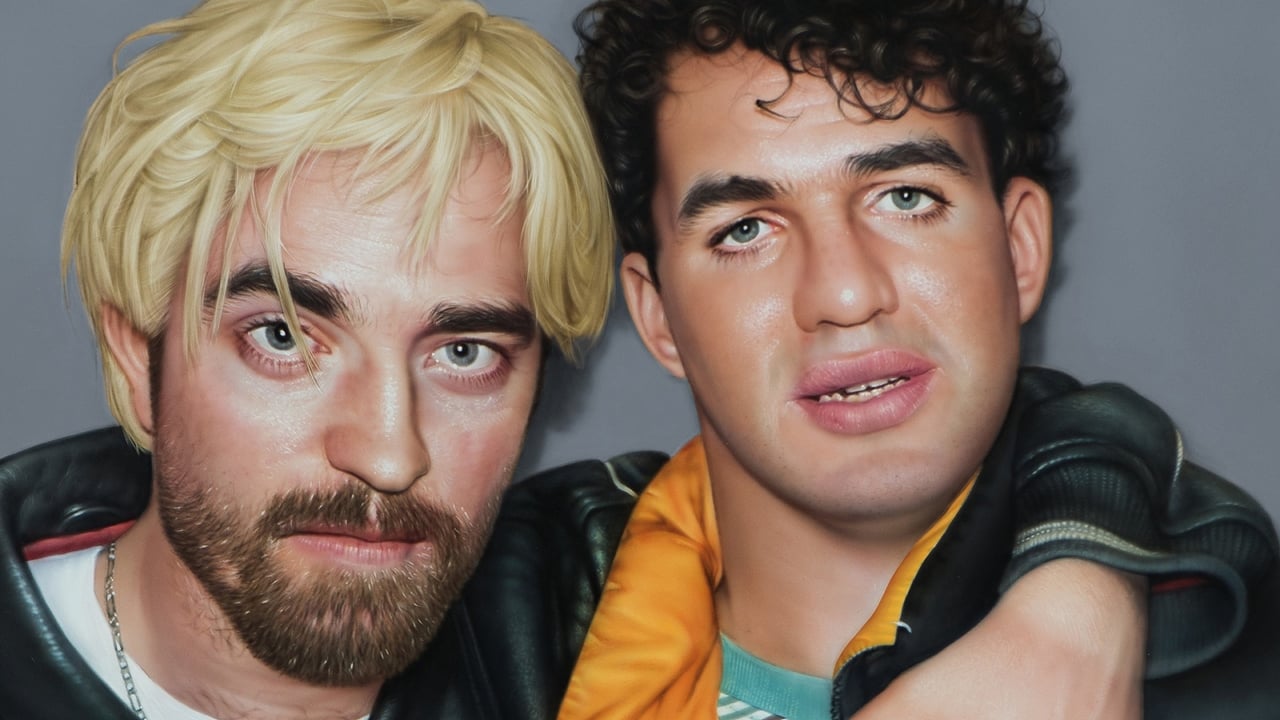
The supporting cast is equally sharp. Benny Safdie gives a heart-wrenching performance as Nick, a man with intellectual disabilities who is essentially the soul that Connie is trying (and failing) to save. Then there’s Buddy Duress as Ray, a guy Connie picks up along the way who brings a chaotic, unpredictable energy to the second half of the film. Taliah Webster, as the teenager Crystal who gets swept up in Connie’s wake, provides a grounding, sobering look at the collateral damage Connie leaves behind. Even small roles, like Barkhad Abdi as a security guard or Jennifer Jason Leigh as Connie’s erratic girlfriend, feel lived-in and authentic.
The Art of the Indie Hustle
One of the most fascinating things about Good Time is its "indie gem" DNA. The Safdies are the kings of the low-budget hustle. Apparently, Robert Pattinson reached out to them after seeing a promotional still for their previous film, Heaven Knows What, before he’d even seen the movie itself. He just saw the "energy" of the image and wanted in.
The production was a masterclass in making $2 million look like a fever dream. They shot on the streets of New York with minimal permits, often using long lenses to capture Robert Pattinson moving through real crowds of people who had no idea they were in a movie. This "guerilla" style is what gives the film its frantic, documentary-like edge. Buddy Duress was actually fresh out of Rikers Island when they started filming; the Safdies have a knack for casting "real" people alongside A-listers to create a sense of gritty hyper-realism that you just don't get in studio-funded projects.
Then there’s the music. Daniel Lopatin, performing as Oneohtrix Point Never, created a score that feels like it's vibrating under your skin. It’s a mix of 80s synth-horror and modern experimental electronic music that drives the film's pace. In an era where most movie scores are designed to fade into the background, this one demands your attention. It’s the heartbeat of the movie.
Why It Matters Now
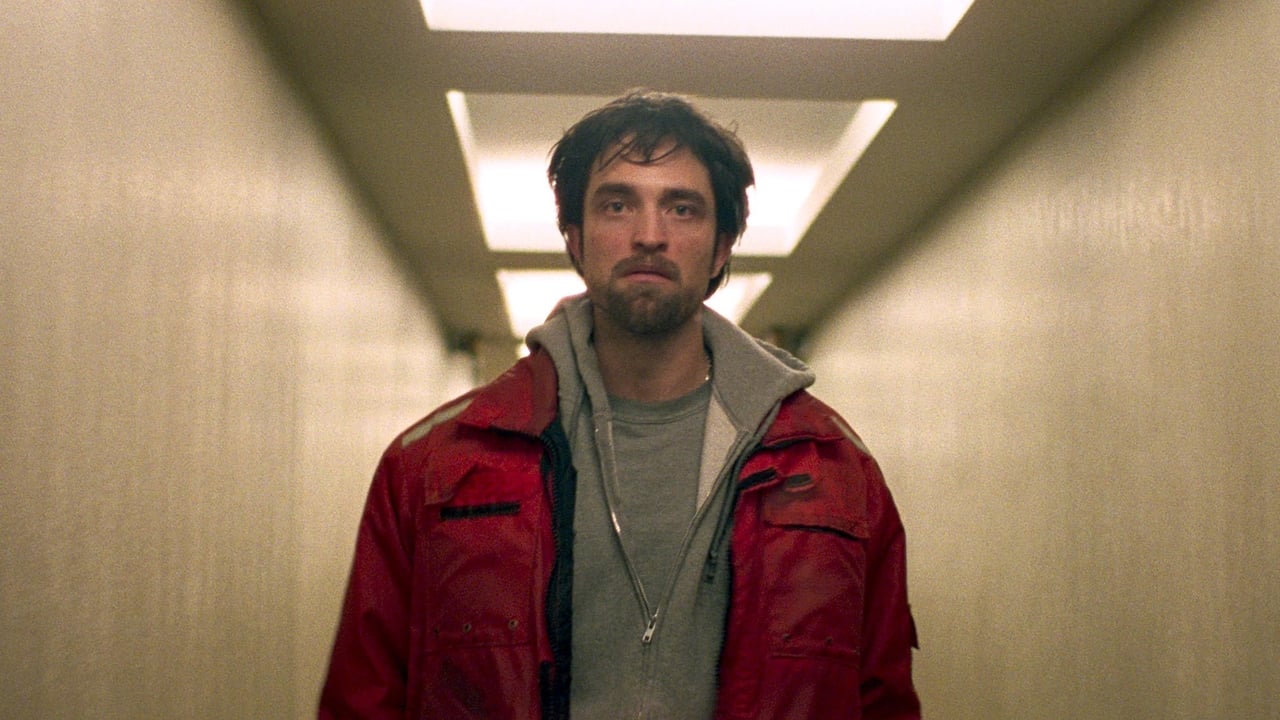
In a cinema landscape currently dominated by "safe" choices and franchise fatigue, Good Time feels like a shot of adrenaline. It captures the modern anxiety of the 2010s—the feeling of being trapped in a system that wasn't built for you, and the frantic, often self-destructive ways we try to navigate it. It also engages with a very contemporary conversation about privilege; Connie is a white man who consistently uses the marginalized people around him—security guards, teenage girls of color, his own brother—as shields against the consequences of his own actions.
It doesn’t offer easy answers. It doesn’t give you a cathartic ending where everyone learns a lesson. It just leaves you on the sidewalk, breathless and slightly rattled, wondering how one night could go so spectacularly wrong.
Good Time is a rare beast: a high-octane thriller that also functions as a deeply tragic character study. It’s ugly, it’s loud, and it’s undeniably brilliant. If you’re tired of movies that hold your hand and tell you everything is going to be okay, let the Safdie brothers drag you through the neon-lit gutters of Queens for a couple of hours. You won't regret it, but you might need a nap afterward.
Keep Exploring...
-

Uncut Gems
2019
-
Les Misérables
2019
-
Emily the Criminal
2022
-
Batman vs. Robin
2015
-
Patriots Day
2016
-
Snowden
2016
-
The Accountant
2016
-
El Camino: A Breaking Bad Movie
2019
-
Joker
2019
-
Promising Young Woman
2020
-

The Devil All the Time
2020
-
Wrath of Man
2021
-
The Outfit
2022
-
Searching
2018
-
Run
2020
-
The Lighthouse
2019
-
The Batman
2022
-
Suburra
2015
-
Miss Sloane
2016
-
Sherlock: The Abominable Bride
2016