Happy Death Day
"Waking up is a real killer."
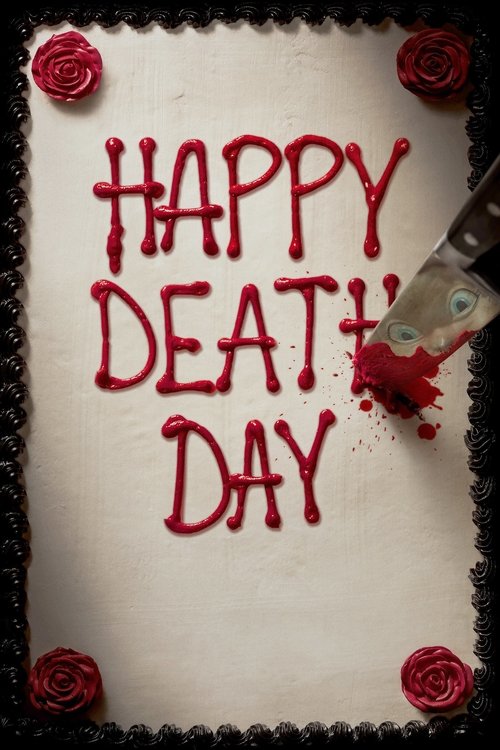
If you see a grown man wearing a giant, plastic baby mask in a dark alley, your first instinct shouldn't be "mystery solved," it should be "sprint in the opposite direction." Yet, in 2017, that unsettling infant face became the unlikely icon of a slasher revival that nobody saw coming. I watched this film on my laptop while my cat was aggressively kneading my stomach, and honestly, the rhythmic poking of claws perfectly matched the repetitive, stabbing anxiety of Tree Gelbman’s very bad, no good, recurring birthday.
While the mid-2010s were drowning in "elevated horror" and brooding supernatural entities, Christopher Landon (who honed his craft writing the Paranormal Activity sequels) decided to give us something that felt like a high-octane blend of Mean Girls and Groundhog Day. It was a refreshing pivot. In an era where franchises were starting to feel like homework, Happy Death Day arrived as a standalone shot of adrenaline that reminded me why going to the cinema to watch a blonde girl scream could still be an absolute blast.
The Rothe Factor
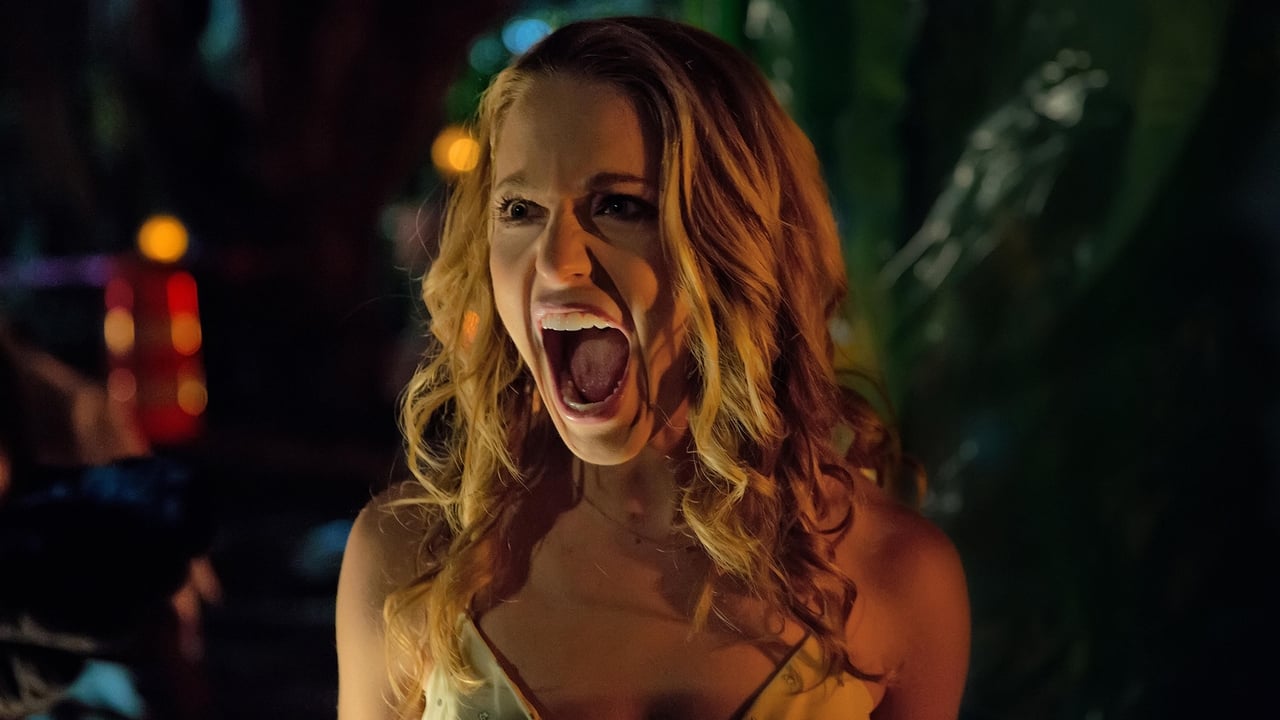
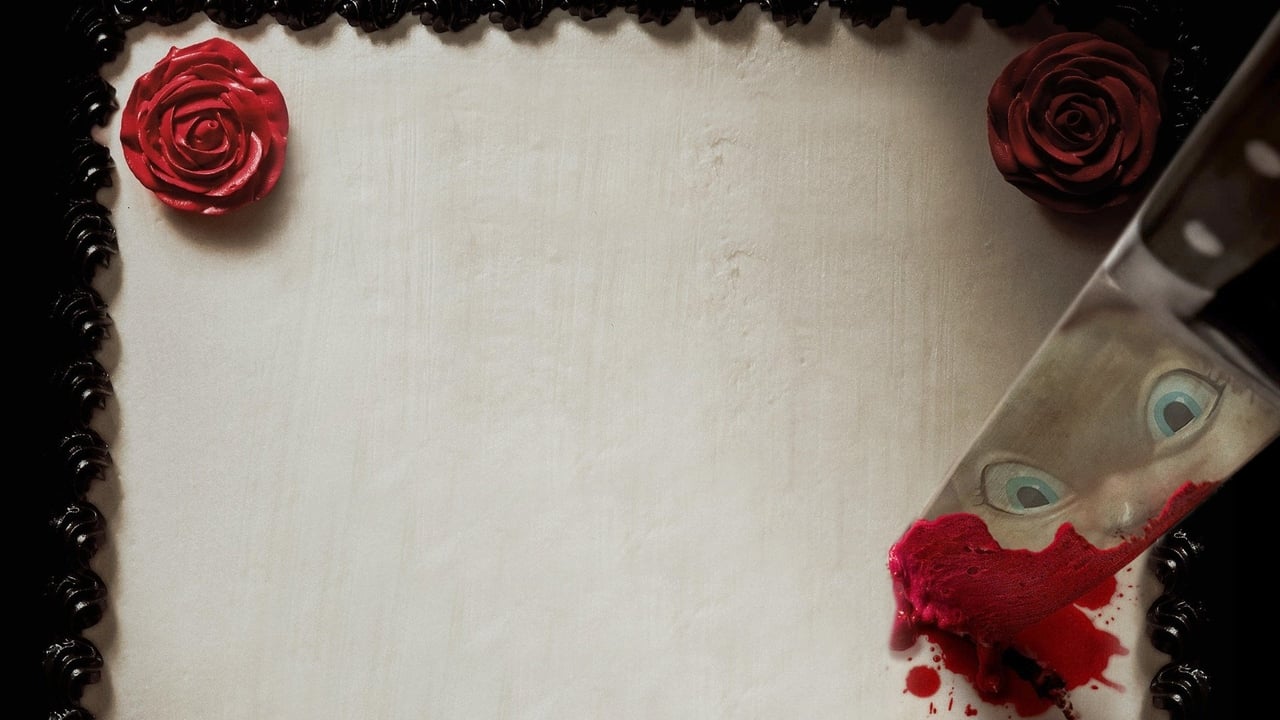
The entire engine of this movie isn't the gimmick or the kills; it’s Jessica Rothe. I’ll be bold here: most slashers treat their protagonists like meat-popsicles with no expiration date, but Rothe turns Theresa 'Tree' Gelbman into a fully realized, deeply flawed human being who actually evolves. She starts the film as a spectacularly unpleasant sorority sister—the kind of person who throws away a birthday cupcake her roommate made from scratch—and ends it as a hardened tactical genius.
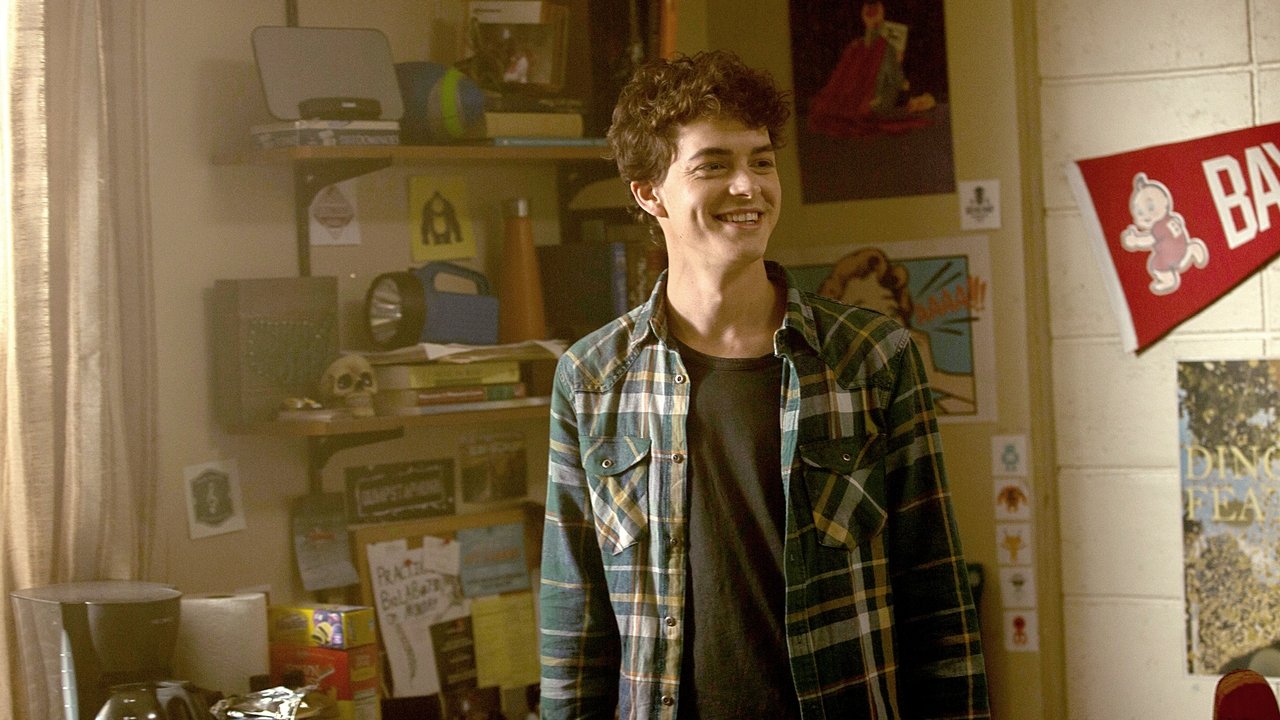
Watching her navigate the "loop" is where the comedy shines. There’s a montage midway through where she realizes there are no consequences to her actions, leading to a naked stroll across campus that perfectly captures the "I’m done with this" energy we’ve all felt on a Monday morning. Jessica Rothe manages to balance the physical comedy of being repeatedly murdered with a genuine emotional arc regarding her late mother. It’s a performance that deserved way more awards-season chatter than a "slasher movie" usually gets. Israel Broussard provides the perfect, grounded foil as Carter, the "nice guy" who doesn't feel like a cliché, but rather the only sane person in a world gone loopy.
The Blumhouse Blueprint
From a production standpoint, this film is a fascinating case study in the "Blumhouse Model." Jason Blum has practically mastered the art of high-concept, low-budget filmmaking, and Happy Death Day is the crown jewel of that strategy. With a lean budget of just $4.8 million, the film went on to rake in over $125 million globally. That’s the kind of ROI that makes studio executives weep with joy. It proved that in the age of $200 million superhero epics, a clever script and a killer hook could still dominate the cultural conversation.
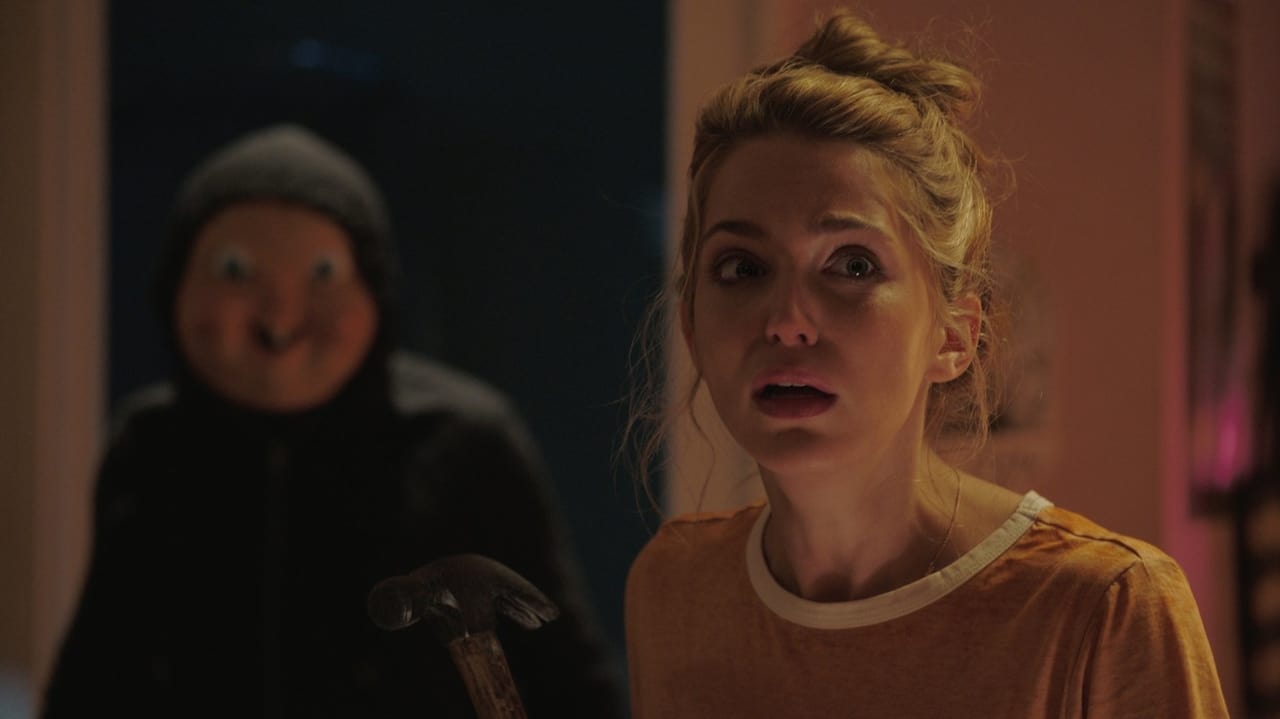
Interestingly, the film’s signature "Baby Mask" was designed by Tony Gardner, the same man who helped create the iconic Ghostface mask for Scream. Christopher Landon apparently wanted something that was both scary and "childish," and Gardner delivered a mask that looks like a nightmare-fuel version of a Gerber baby. It’s the perfect symbol for a film that plays with the idea of "growing up" while being hunted by your own immaturity.
Slasher Rules and Revisionist History
What I appreciate most about the screenplay by Scott Lobdell and Landon is how it handles the "slasher rules." Usually, in these movies, the killer is an unstoppable force of nature. Here, the killer is just a person with a knife, and Tree’s advantage is that she gets to "save" her progress like a video game. It shifts the horror from "How do I run?" to "How do I solve this puzzle?" It’s a mystery wrapped in a slasher, tucked inside a comedy.
The film also dodged a major bullet with its ending. Originally, the movie had a much darker, much more depressing finale where Tree dies in the hospital after "breaking" the loop, but test audiences absolutely hated it. They had grown to love Tree so much that they demanded she get a win. It was a rare moment where "studio interference" (guided by audience feedback) actually saved the film's legacy. It transformed the movie from a cynical horror flick into a celebratory redemption story.
Happy Death Day is the ultimate proof that you don't need a massive budget or a decades-old IP to make a "modern classic." It’s smart, it’s fast, and it’s genuinely funny without sacrificing the tension of a good stalk-and-slash. In an era of streaming bloat, this 97-minute ride is a masterclass in economic storytelling. If you’ve ever wanted to watch someone become a better person by being murdered a dozen times, this is the birthday present you didn't know you needed. It’s a film that knows exactly what it is—and what it is is a hell of a lot of fun.
Keep Exploring...
-
Happy Death Day 2U
2019
-
Scouts Guide to the Zombie Apocalypse
2015
-
Freaky
2020
-
The House with a Clock in Its Walls
2018
-
Bodies Bodies Bodies
2022
-
Hubie Halloween
2020
-
Get Out
2017
-

Jigsaw
2017
-
Game Night
2018
-
Escape Room
2019
-
Us
2019
-
The Conjuring: The Devil Made Me Do It
2021
-
Scream
2022
-
Smile
2022
-
Scary Stories to Tell in the Dark
2019
-
Scooby-Doo! Return to Zombie Island
2019
-
Circle
2015
-
It Follows
2015
-
Cam
2018
-
Unfriended: Dark Web
2018