Hostiles
"Forgiveness is a bloody business."
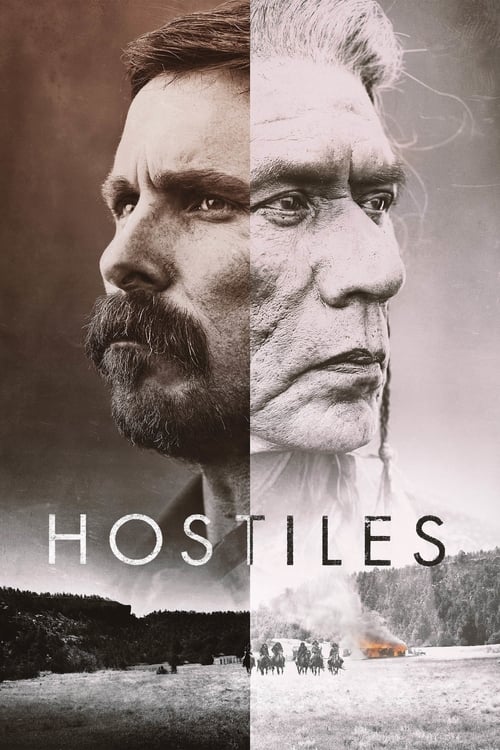
I remember watching Hostiles for the first time on a Tuesday evening while nursing a lukewarm cup of coffee I’d forgotten to finish. The cold, bitter dregs in my mug felt surprisingly appropriate for the film’s opening thirty minutes. It isn't a "fun" movie in the traditional sense, but it’s the kind of cinematic experience that stays in your marrow long after the credits roll. It’s a Western that refuses to play by the rules of the genre’s golden age, opting instead for a somber, haunting look at what happens to the human soul after decades of state-sanctioned violence.
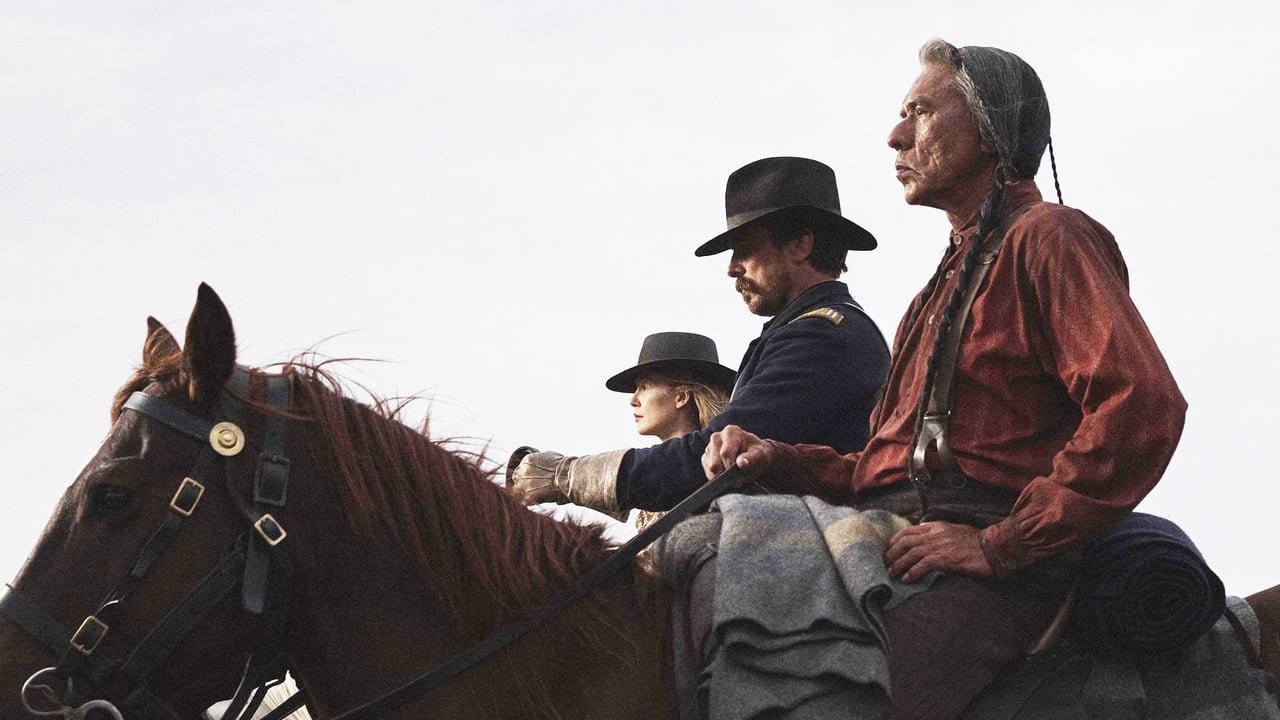
The Eyes of a Broken Frontier
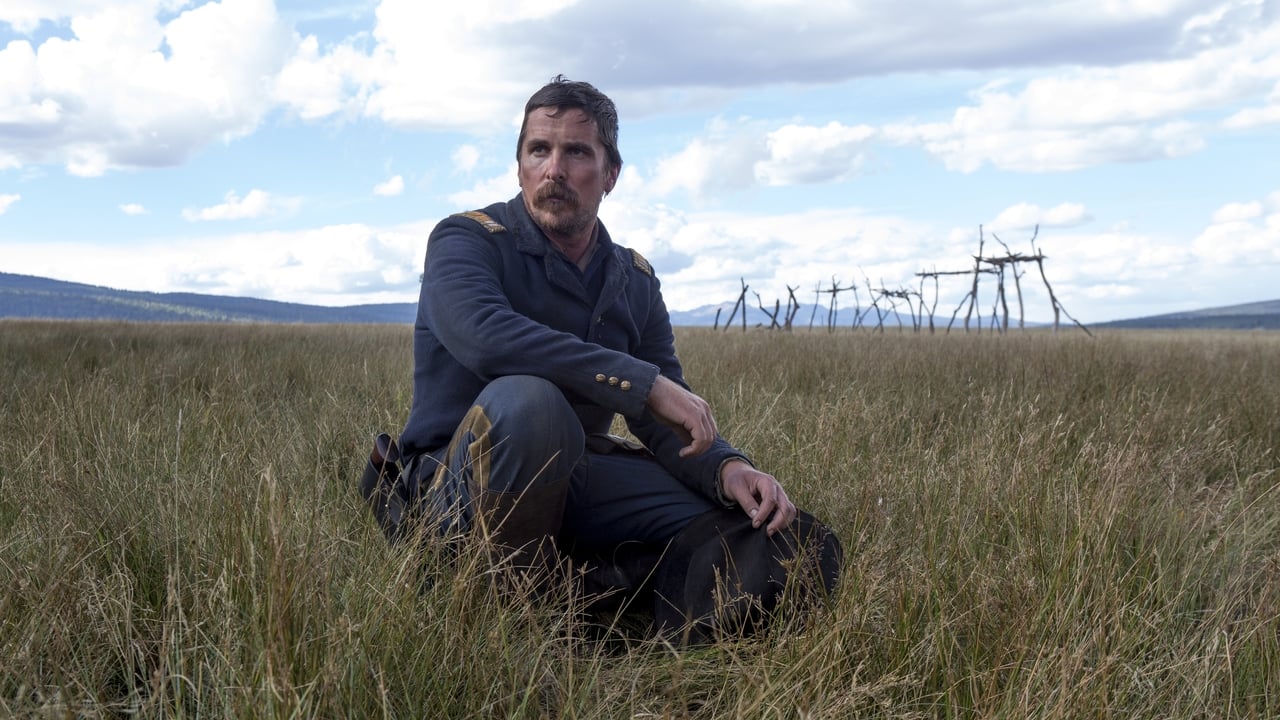
The first thing you notice isn't the landscape, though Masanobu Takayanagi’s cinematography (he also shot The Grey) captures the American West with a rugged, unsentimental beauty. No, the first thing you notice is Christian Bale’s face. Playing Captain Joseph Blocker, Bale delivers a performance of incredible restraint. His eyes look like they’ve seen the end of the world and decided the paperwork wasn't worth the effort. Blocker is a man who has spent his life killing Native Americans, and he’s good at it. When he’s ordered to escort his dying nemesis, Chief Yellow Hawk (Wes Studi), back to Montana, his reaction isn’t just anger—it’s a deep, existential weariness.
Then there’s Rosamund Pike. If you only know her from Gone Girl, her performance here as Rosalee Quaid will wreck you. The film opens with a sequence of such sudden, jarring brutality that it almost feels like a horror movie. Pike’s portrayal of a woman who has lost everything—literally within the first ten minutes—is raw and jagged. Her chemistry with Bale isn't romantic in the "Hollywood" sense; it’s two hollowed-out people finding a strange, silent frequency to exist on. Watching them navigate their shared trauma is basically a two-hour stare-down with PTSD on horseback, and it’s riveting.
A Modern Lens on a Brutal Past
Released in late 2017, Hostiles arrived at a time when the "Modern Western" was undergoing a fascinating transformation. Unlike the black-and-white morality of the John Wayne era, director Scott Cooper—the man behind Crazy Heart and Black Mass—uses the 1892 setting to talk about now. In an era characterized by deep political polarization and social upheaval, a story about two men who spent their lives trying to extinguish one another finding a path to mutual respect feels almost radical.
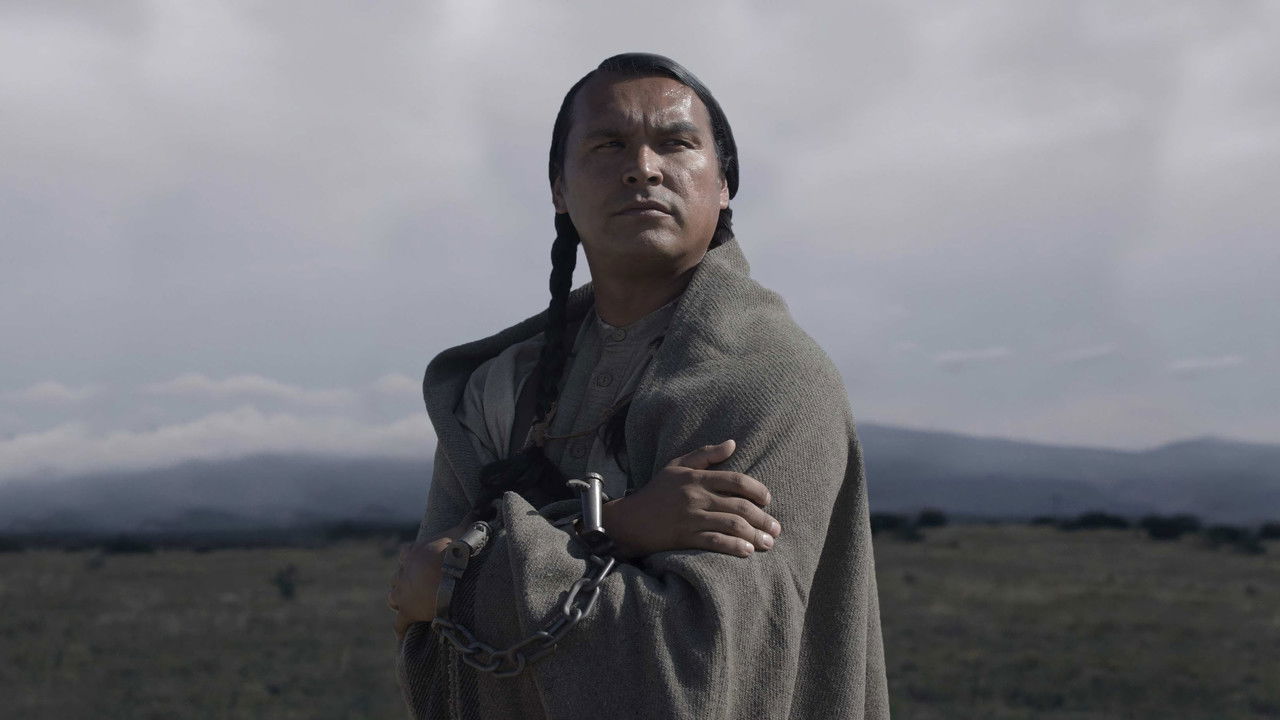
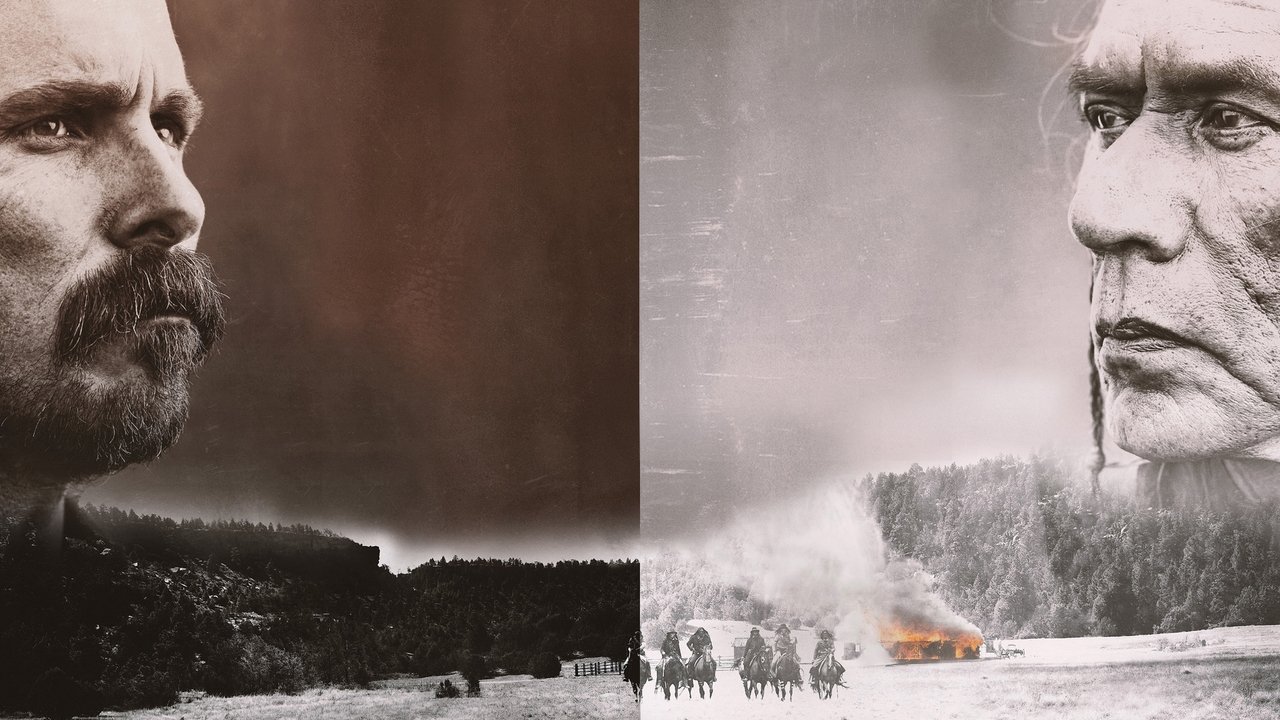
The film does a remarkable job of avoiding the "Noble Savage" tropes that plagued Westerns for decades. Wes Studi, a legend who has been in everything from The Last of the Mohicans to Avatar, brings a regal, quiet dignity to Yellow Hawk. He isn't a plot device for Blocker’s redemption; he is a man with his own history of violence and his own reasons for wanting to go home. The inclusion of actors like Adam Beach and the use of the Northern Cheyenne language add a layer of authenticity that contemporary audiences (rightfully) demand. It’s a film that acknowledges the "Manifest Destiny" myth for what it was: a long, bloody trail of tears.
The Script in the Drawer and the Dirt on the Boots
One of the coolest things about this movie’s DNA is its origin story. The screenplay was actually based on a manuscript by Donald E. Stewart, who won an Oscar for Missing (1982). After Stewart passed away, his widow found the unfinished script in a desk drawer and eventually got it into Scott Cooper’s hands. You can feel that "lost-to-time" weight in the dialogue. It doesn’t sound like modern screenwriting; it sounds like words carved out of granite.
To keep things grounded, Cooper insisted on shooting the film chronologically and largely in natural light. This meant the cast was out in the elements—dust, rain, and fluctuating temperatures—which clearly bled into the performances. When you see Rory Cochrane (who you might remember as the stoner Slater from Dazed and Confused) as Master Sergeant Thomas Metz, you aren't seeing movie makeup. You’re seeing a man who looks genuinely physically and mentally exhausted. Cochrane’s performance is the secret heart of the movie, representing the soldiers who simply "broke" under the weight of the frontier.
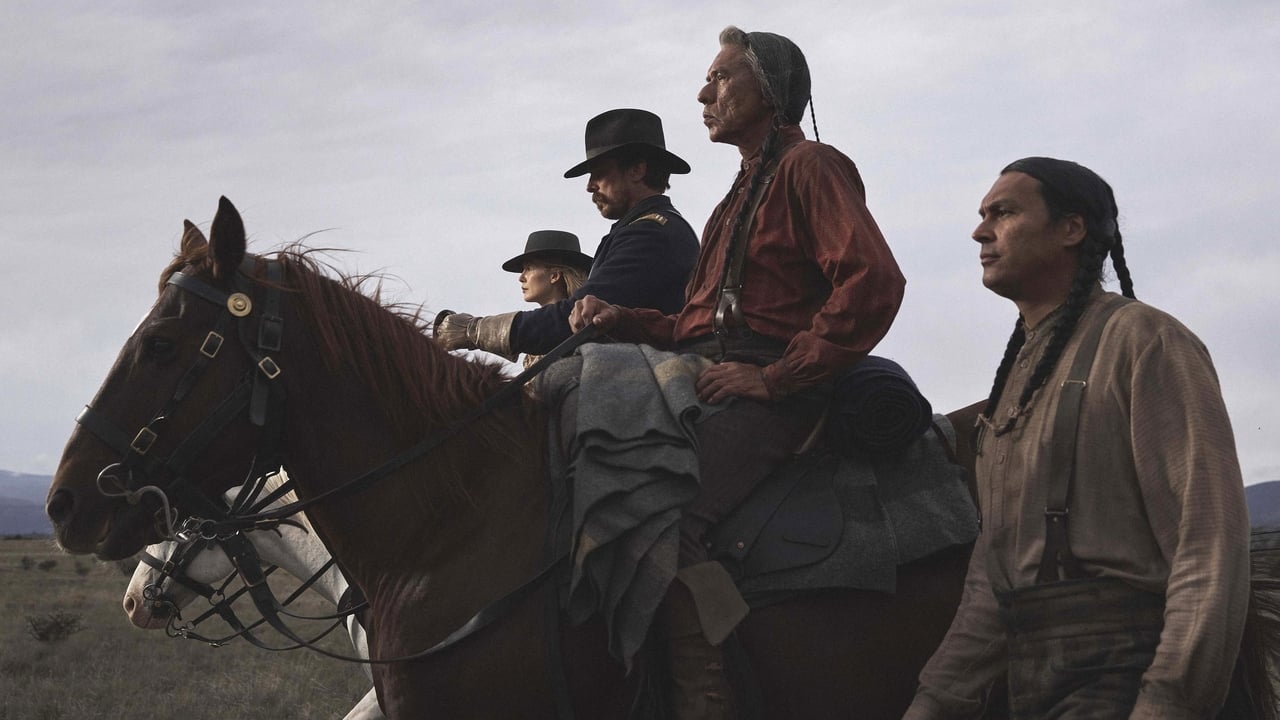
The ensemble is rounded out by heavy hitters like Jesse Plemons (the king of "unsettlingly calm" supporting roles) and a brief but impactful Timothée Chalamet, who was just on the cusp of his Call Me by Your Name superstardom. They all feel like they belong in this dirt.
Hostiles didn't light up the box office, mostly because it’s not the kind of movie you watch while scrolling on your phone. It demands your full attention and rewards it with a hauntingly beautiful score by Max Richter and a thematic depth that most modern blockbusters lack. It’s a "dad movie" with a soul, a revisionist Western that actually has something to revise.
If you’re looking for a film that explores the heavy price of hatred and the slim, flickering hope of redemption, this is it. It’s a tough watch, sure, but it’s a necessary one. Just make sure your coffee is hot before you start—you won’t want to get up to reheat it once the journey begins.
Keep Exploring...
-
Black Mass
2015
-

In the Heart of the Sea
2015
-
The Pale Blue Eye
2022
-
Antlers
2021
-
The Walk
2015
-

Eddie the Eagle
2016
-
The Lost City of Z
2017
-
Out of the Furnace
2013
-
The Revenant
2015
-
Mowgli: Legend of the Jungle
2018
-
Vice
2018
-
Everest
2015
-
Risen
2016
-
News of the World
2020
-
13 Hours: The Secret Soldiers of Benghazi
2016
-

Miss Peregrine's Home for Peculiar Children
2016
-
The Magnificent Seven
2016
-

Cars 3
2017
-

Okja
2017
-

Alpha
2018