iBoy
"Connectivity is the new superpower"
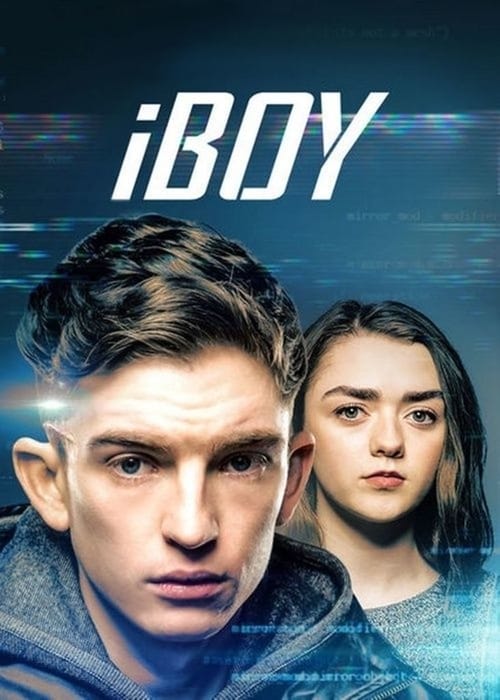
In 2017, we were collectively obsessed with the idea that our devices were becoming part of our biology. We had Black Mirror telling us our eyes would soon be cameras and stranger things happening in our pockets every time a new iOS update dropped. Then came iBoy, a film that took that "what if phones, but too much?" anxiety and turned it into a literal, physical premise. It’s a movie where the protagonist quite literally has the "cloud" shoved into his gray matter, and while the title sounds like a discarded Apple prototype from 2004, the film itself is a surprisingly gritty, street-level take on the superhero origin story.
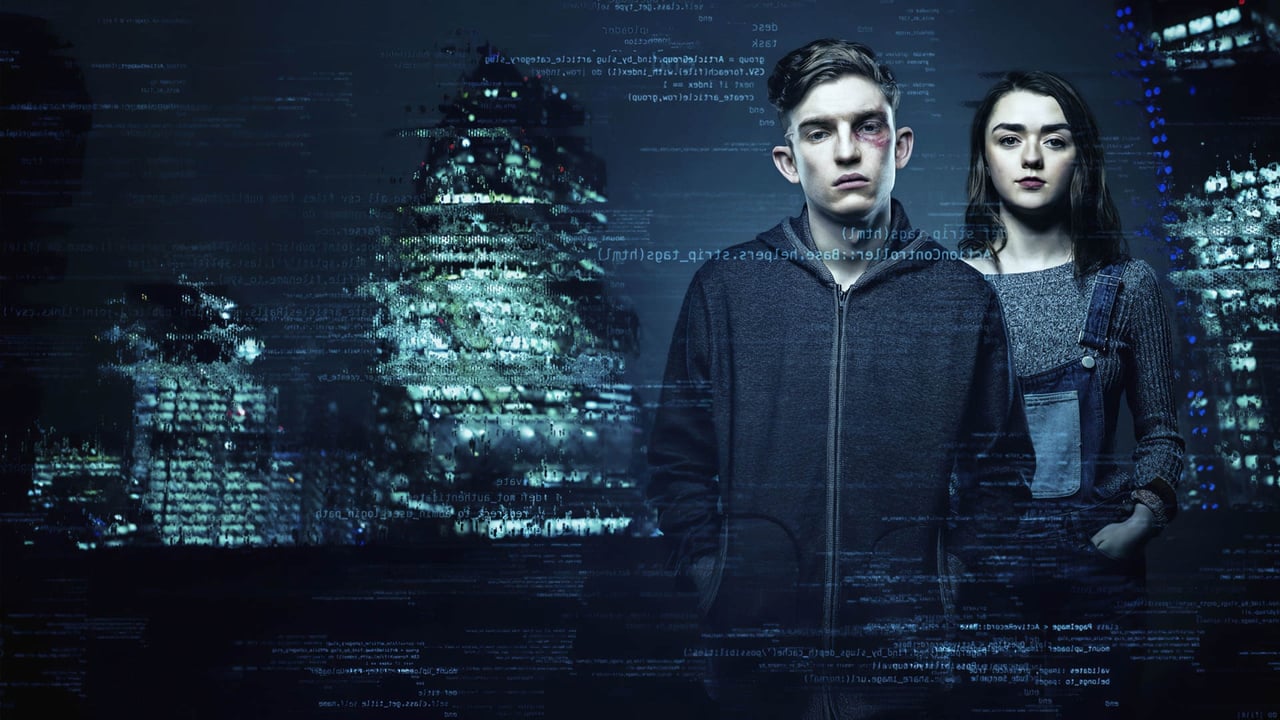
I watched this on a Tuesday afternoon while drinking a cup of Earl Grey that I’d accidentally over-steeped until it tasted like liquefied tree bark, and strangely, that bitter punch suited the grey, dampened aesthetic of the London council estates where the story unfolds.
The Smartphone in the Skull
The setup is pure "contemporary urban legend." Tom, played by Bill Milner, is a quiet, unremarkable teenager living with his grandmother (Miranda Richardson) in a high-rise flat. After witnessing an attack on his friend Lucy (Maisie Williams), Tom tries to flee, gets shot at, and his smartphone—which he was using to call for help—is shattered into his brain by a bullet. He wakes up from a coma not with a massive hospital bill (thank you, NHS), but with the ability to see digital transmissions, hack into any local network, and turn people’s phones into mini-explosives.
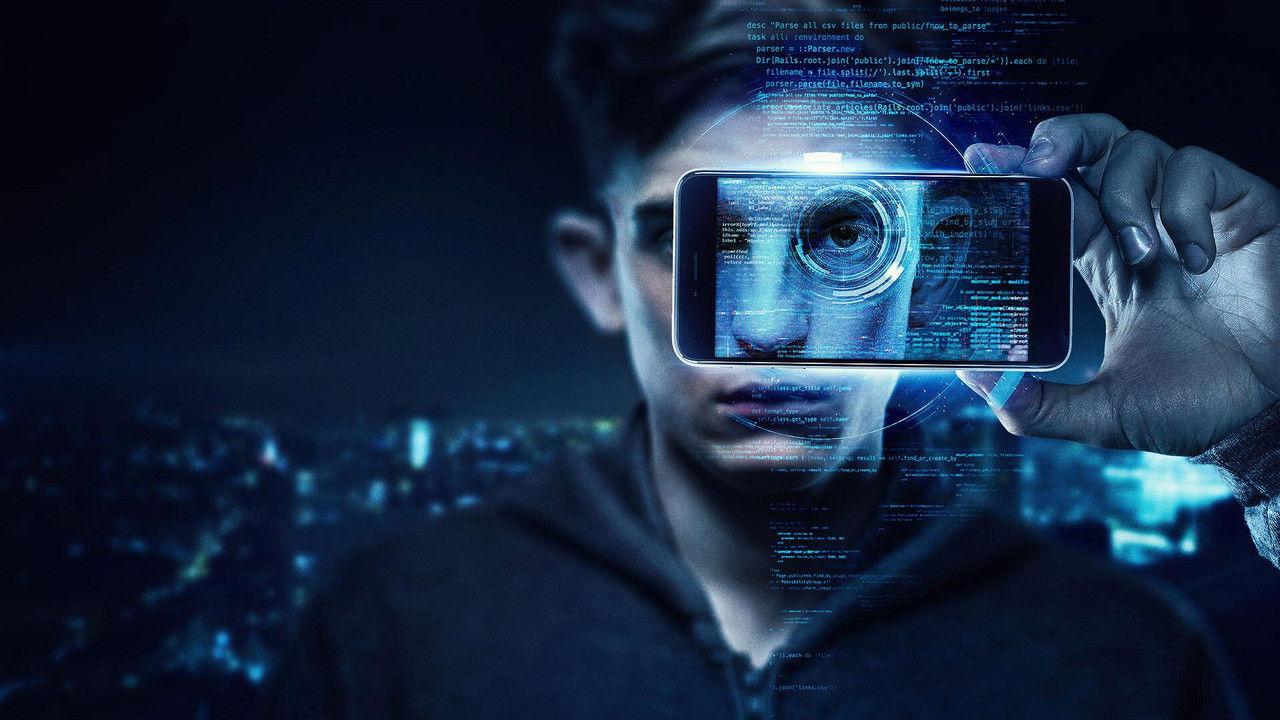
It’s a fascinating, low-budget way to handle superpowers. Instead of flying or lifting cars, Tom’s "action" is almost entirely internal and visual. Director Adam Randall uses a digital HUD (Heads-Up Display) that overlays the screen, showing us what Tom sees: a web of glowing lines, text messages floating in mid-air, and the hidden digital lives of everyone around him. In an era of $200 million Marvel spectacles, there’s something refreshing about a hero whose primary weapon is a high-speed data connection and a vengeful spirit. iBoy manages to make a Wi-Fi signal feel more intimidating than a laser beam.
Gritty London and Digital Vengeance
Where iBoy really finds its footing is in its atmosphere. This isn't the postcard London of Big Ben and red buses; it’s the harsh, concrete reality of the Tower Hamlets. The cinematography captures that specific overcast British gloom that makes everything feel slightly damp and dangerous. This setting provides a sharp contrast to the high-tech nature of Tom’s powers. Seeing a kid in a hoodie using an augmented reality interface to take down drug dealers in a stairwell feels like a very specific 2010s "cyberpunk-lite" vibe.
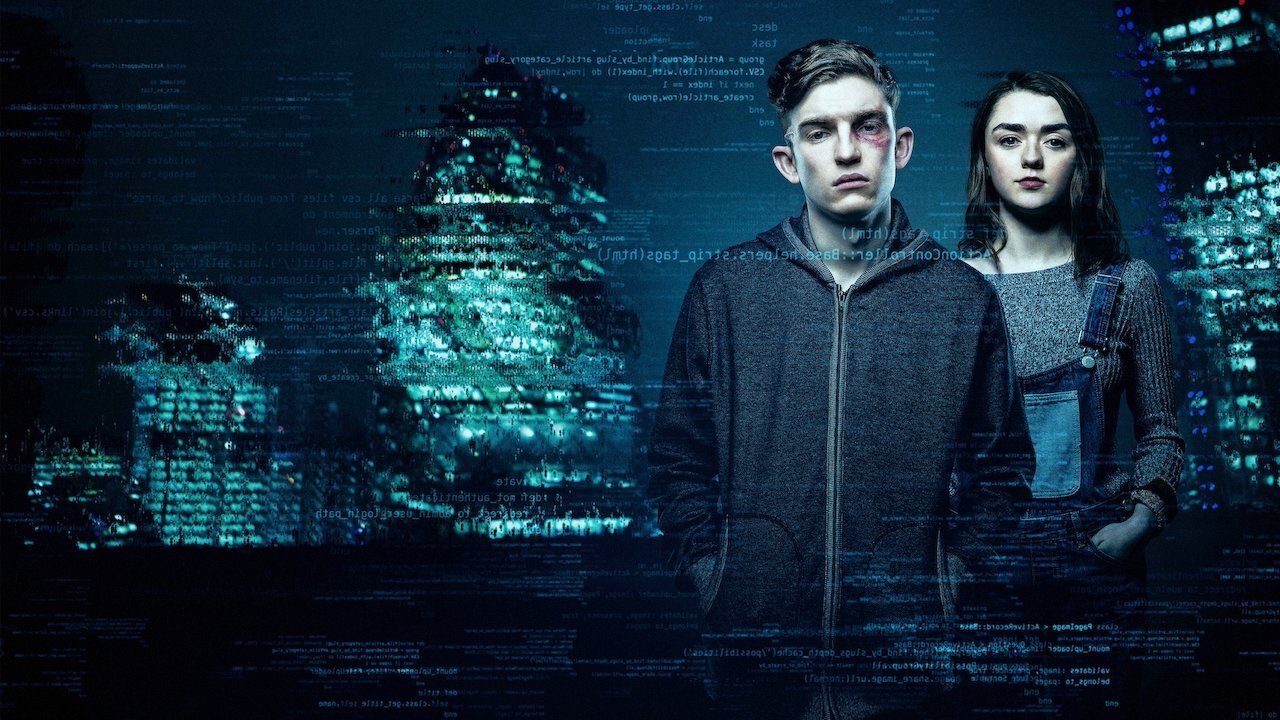
The action sequences are less about fistfights and more about digital sabotage. There’s a standout moment where Tom infiltrates a gang’s hangout by manipulating their electronics, creating a sense of techno-horror for the criminals who have no idea why their lives are suddenly glitching out. It’s clever, though it does occasionally lean into the "hacking is magic" trope that can be a bit eye-rolling if you know even a lick about how WPA2 encryption actually works. But for a 90-minute thriller, I’m willing to suspend my disbelief—if Peter Parker can get powers from a radioactive spider, I can accept a kid becoming a human router.
A Cast Doing the Heavy Lifting
The film benefits immensely from a cast that feels "too good" for what could have been a silly B-movie. Bill Milner brings a great sense of shell-shocked vulnerability to Tom. He’s not a confident hero; he’s a kid who is clearly overwhelmed by the sensory overload of hearing every phone call in a three-block radius. Maisie Williams, fresh off the height of her Game of Thrones fame, provides the emotional anchor. Her character, Lucy, is dealing with the trauma of the initial attack, and the film treats her recovery with more gravity than your standard "damsel in distress" plotline.
Then there’s Rory Kinnear as the villain, Ellman. Kinnear is one of those actors who can make eating a sandwich look menacing, and here he plays a mid-level crime boss with a cold, corporate detachment that makes him far scarier than the thugs Tom fights in the streets. Jordan Bolger and Charley Palmer Rothwell round out the cast as the localized threats, making the estate feel lived-in and genuinely perilous.
The Indie Hustle Behind the Screen
From a production standpoint, iBoy is a textbook example of how to maximize a limited budget. Produced by XYZ Films and Pretty Pictures for about $1.5 million, the film relies on its "vision" rather than expensive set pieces. They didn't have the money for massive explosions, so they used sound design and creative editing to make Tom’s "shocks" feel powerful. The screenplay, co-written by Joe Barton (who would later go on to create the brilliant Giri/Haji), keeps the dialogue lean and avoids the "with great power comes great responsibility" speeches in favor of more localized, personal stakes.
The film was one of the early "Netflix Originals" that signaled the streaming giant's move toward acquiring high-concept international indies. It’s the kind of movie that probably would have disappeared in a limited theatrical run but found a massive second life on laptops and tablets—the very devices that gave Tom his powers. There’s a meta-layer to watching a movie about a human smartphone on an actual smartphone that feels very "2017."
iBoy doesn't reinvent the wheel, and it occasionally stumbles into predictable vigilante tropes in its final act, but it’s a stylish, well-acted diversion. It captures a very specific moment in our cultural history where we started to realize that our digital footprints are just as real as our physical ones. It’s a tight, moody thriller that proves you don’t need a cape or a massive budget to tell a compelling superhero story—just a good data plan and a very specific kind of brain injury. If you’ve got 90 minutes and an interest in "street-level sci-fi," it’s a signal worth picking up.
Keep Exploring...
-

Hardcore Henry
2015
-
The New Mutants
2020
-
Jurassic World
2015
-
Maze Runner: The Scorch Trials
2015
-
Pixels
2015
-
Self/less
2015
-
Terminator Genisys
2015
-
The Hunger Games: Mockingjay - Part 2
2015
-
Criminal
2016
-
Monster Trucks
2016
-
Resident Evil: The Final Chapter
2016
-
Spectral
2016
-
Star Trek Beyond
2016
-
Teenage Mutant Ninja Turtles: Out of the Shadows
2016
-
The 5th Wave
2016
-

Underworld: Blood Wars
2016
-
X-Men: Apocalypse
2016
-
Captain Underpants: The First Epic Movie
2017
-

Geostorm
2017
-
Ghost in the Shell
2017