In the Fade
"Grief doesn't seek a trial; it seeks an end."
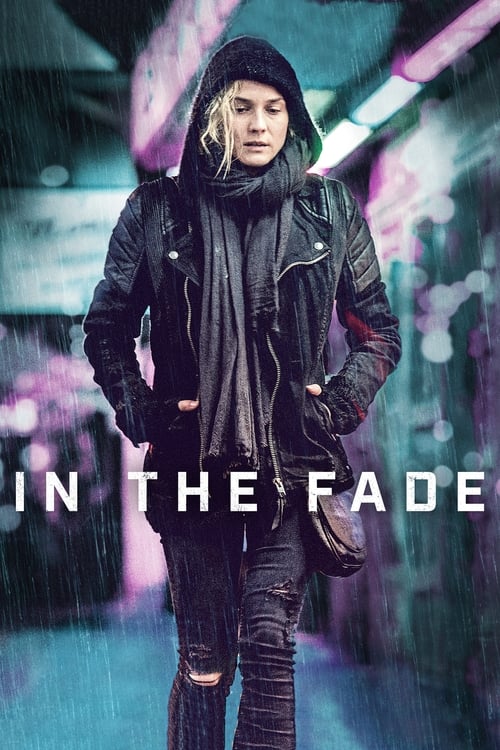
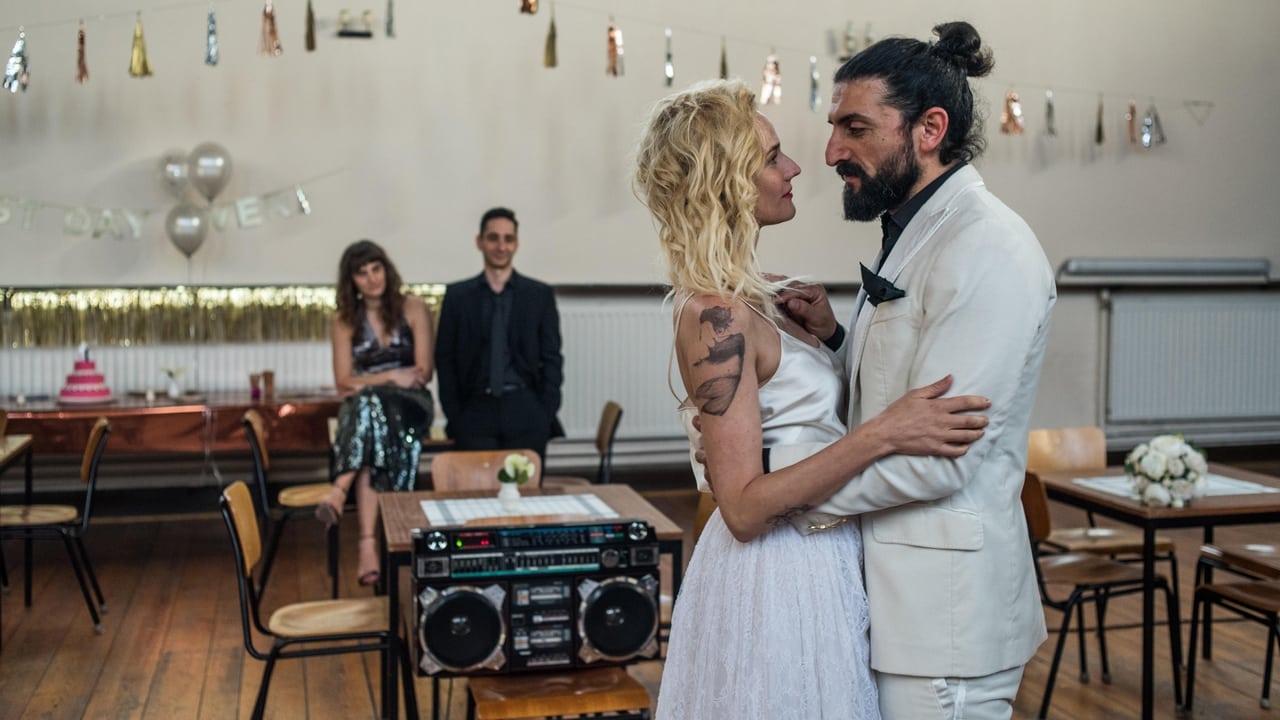
The first thing you notice about Diane Kruger in In the Fade isn’t the dialogue—it’s the way she breathes. Or rather, the way she forgets to. Within the first fifteen minutes, her character, Katja, is stripped of everything: her Kurdish husband, Nuri (Numan Acar), and her young son are obliterated by a nail bomb left outside Nuri's office in Hamburg. I watched this film late on a Tuesday night while my radiator was hissing like a disgruntled cobra, and that mechanical, rhythmic wheezing felt like the only appropriate soundtrack for the suffocating grief on screen.
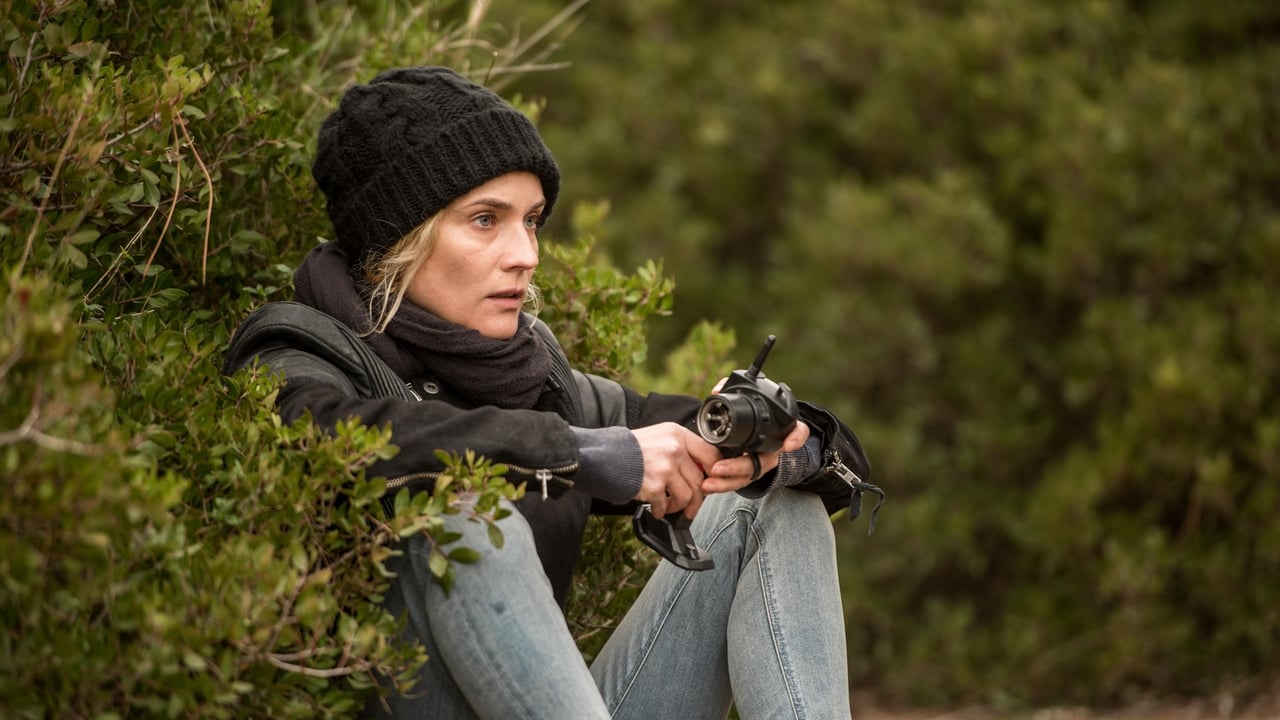
Director Fatih Akin (Head-On, The Edge of Heaven) doesn't give you the "Hollywood" version of a tragedy. There are no soaring violins or soft-focus memories. Instead, he gives us the gray, damp reality of a German winter and a woman whose soul has been turned into a jagged piece of glass. It’s a film that demands you sit in the discomfort of a life interrupted by senseless, political hatred.
The Face of Modern Fury
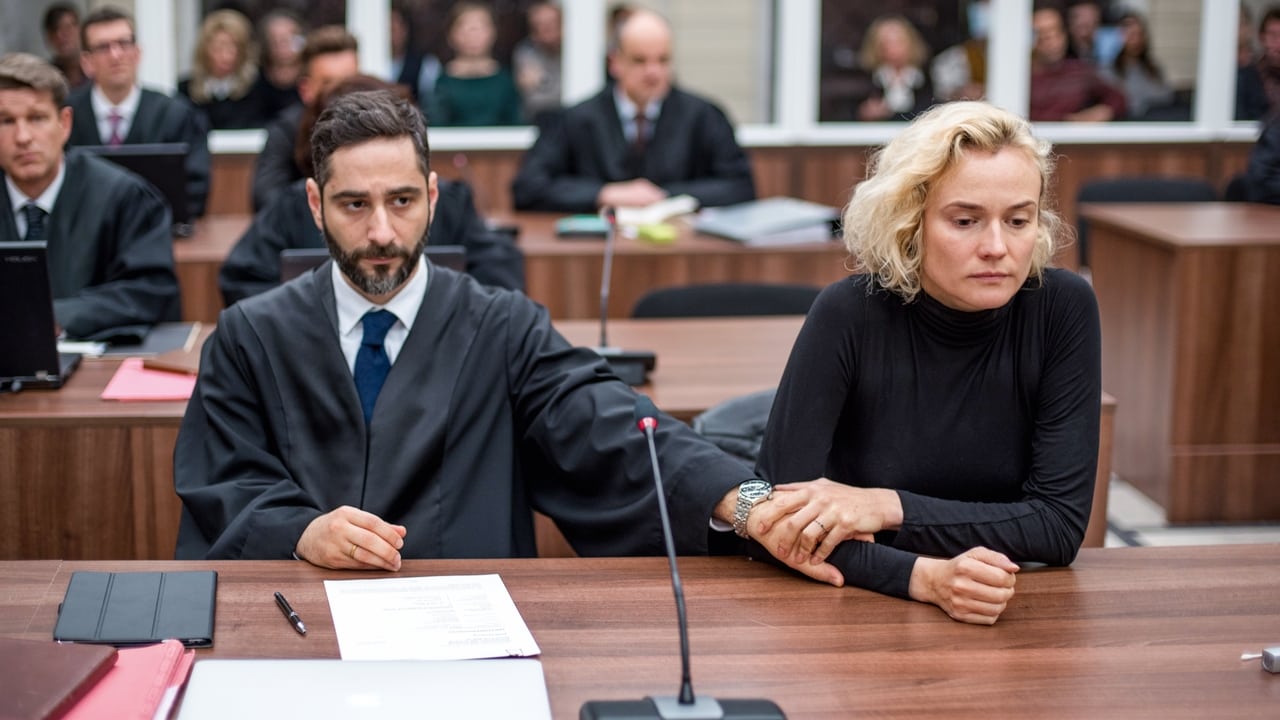
This was Diane Kruger’s first leading role in her native German language, and frankly, I’m annoyed it took this long. We’ve seen her be the "beautiful enigma" in big-budget stuff, but here, she is feral. She carries the film through a three-act structure that feels like descending a staircase into a very dark basement. The first act is "The Family," a raw look at the immediate aftermath of the blast. The second is "Justice," a courtroom drama that will make your blood boil. The third is "The Sea," where the movie shifts gears into a revenge thriller.
I’ll be honest: the court scenes are more terrifying than any horror movie jump-scare. Watching the defense lawyer (Johannes Krisch) pick apart a grieving woman’s character because her husband once sold weed—ignoring the literal Nazis in the room—is a masterclass in making the audience want to throw their remote through the screen. It captures a specific contemporary anxiety: the feeling that the "system" is more interested in its own protocols than in actual truth.
A Mirror to the Moment
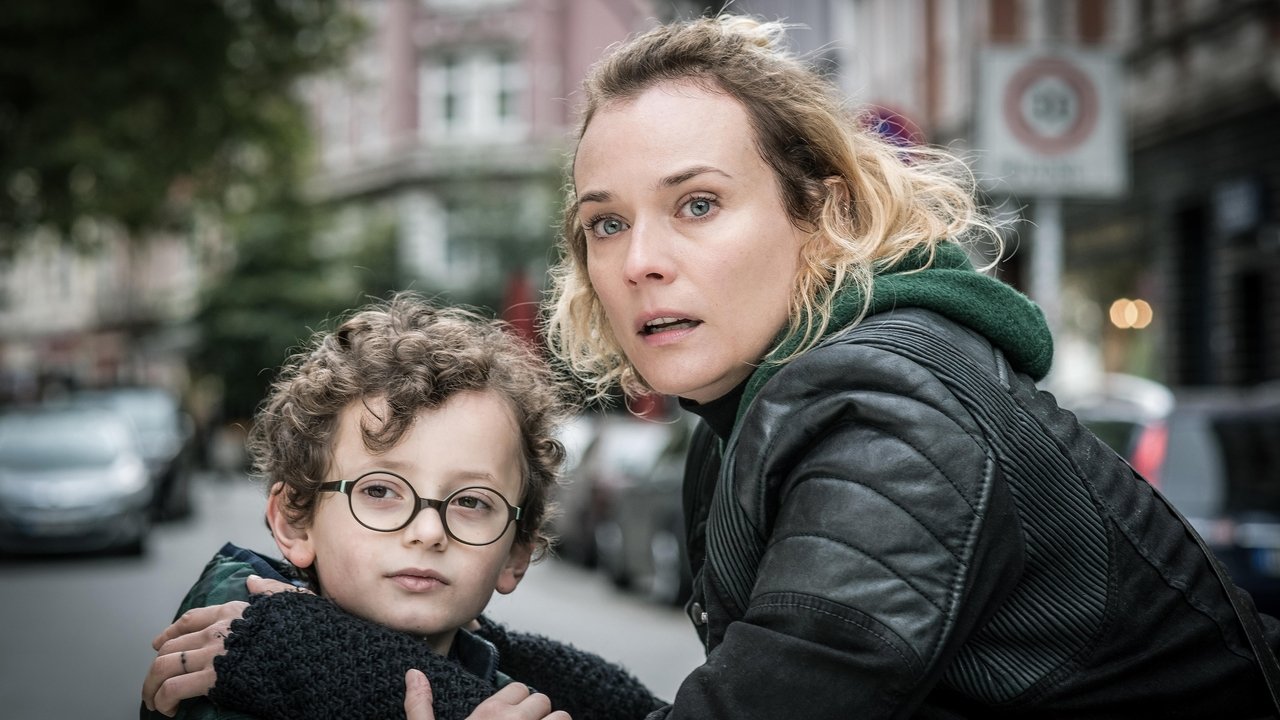
Released in 2017, In the Fade arrived right as the world was waking up to a surge in far-right extremism. Fatih Akin based the story on the real-life "NSU murders" in Germany, where a Neo-Nazi group killed ten people over a decade, and the police spent years wrongly investigating the victims' families for "mafia ties" instead of looking at the obvious racial motivations.
That’s what makes this film feel so urgent even now. It’s not just a sad story; it’s a critique of how society treats "the other." Nuri isn't a saint—he’s a former drug dealer who turned his life around—and the film uses that history to show how easily the law can be weaponized against the marginalized. Numan Acar is only in the film for a few minutes, but his chemistry with Kruger is so lived-in that his absence feels like a physical weight on the rest of the movie.
Breaking the Procedural Mold
Most courtroom dramas end with a gavel bang and a sense of "we did it." In the Fade refuses to give you that pat on the back. When the trial shifts toward a verdict that feels like a second explosion, Fatih Akin pivots. He takes us to the sun-drenched coast of Greece, which should feel like a relief after the rain of Hamburg, but instead feels ominous.
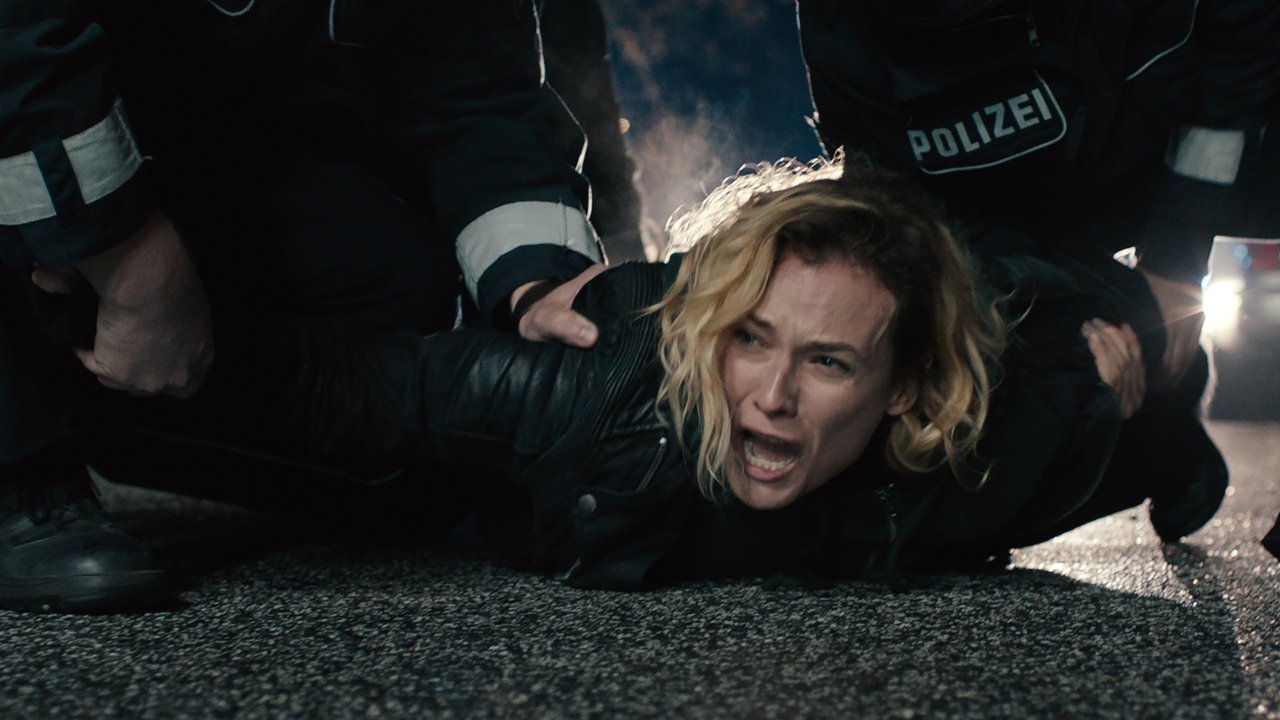
I’ve heard some critics say the third act feels like it belongs to a different movie—a more "generic" thriller. I disagree. I think it’s the only honest place the story could go. If the law fails you, and your heart is already a crater, what’s left? Katja isn't a superhero; she’s a person who has run out of reasons to be civil. The ending is polarizing, and I’m still not sure how I feel about the morality of it, but I know I couldn’t look away.
Stuff You Didn't Notice
Fatih Akin originally thought about casting a much older actress, but after meeting Diane Kruger at a party in Cannes, he realized her international "star" persona would add a layer of tragic irony to the character’s isolation. The film was shot almost entirely in chronological order. This is a nightmare for production budgets, but it allowed Kruger to literally wither away as the film progressed. You can see the physical toll of the story on her face by the final frame. * The "justice" segment was filmed in the actual courtroom buildings in Hamburg, lending a cold, institutional authenticity that a soundstage could never replicate.
In the Fade is a grueling watch, but an essential one for anyone who thinks the drama genre has gotten too polite. It’s a film about the "now"—about the cracks in the legal system, the persistence of hate, and the impossible choices grief forces us to make. It’s not a film that wants you to be happy; it’s a film that wants you to feel, and on that front, it’s a total knockout. Just maybe turn off your radiator before you start it.
Keep Exploring...
-

Batman vs. Robin
2015
-
Don't Be Bad
2015
-

Dope
2015
-
Heist
2015
-
Mr. Holmes
2015
-
Suburra
2015
-
Imperium
2016
-

Miss Sloane
2016
-
The Infiltrator
2016
-
I Don't Feel at Home in This World Anymore
2017
-
Roman J. Israel, Esq.
2017
-
See You Up There
2017
-
22 July
2018
-
Border
2018
-
Can You Ever Forgive Me?
2018
-
The Guilty
2018
-
The Old Man & the Gun
2018
-

Under the Silver Lake
2018
-
White Boy Rick
2018
-

Black and Blue
2019