It
"A raw, heart-wrenching dive into childhood trauma that redefined the modern horror blockbuster."
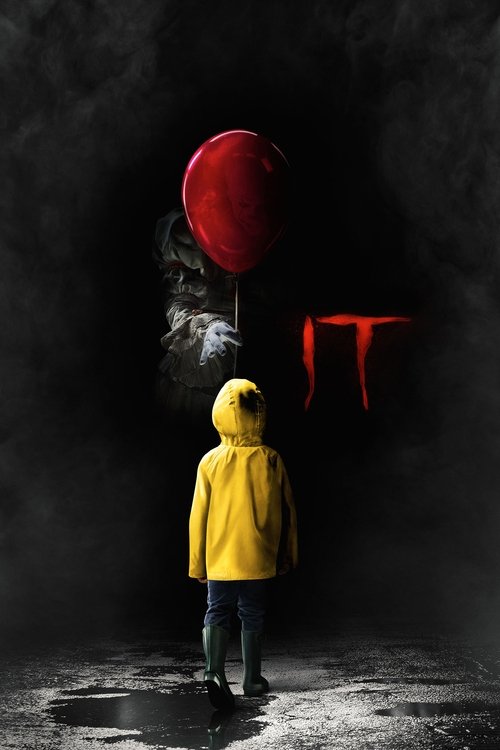
I still remember the specific, distracting hum of the theater’s HVAC system when I first saw that paper boat slide toward the storm drain. It was an oddly sterile sound that made the sudden, wet crunch of Georgie’s arm being severed feel impossibly loud. It wasn’t just the gore that shook me; it was the realization that Andy Muschietti wasn't interested in the sanitized, "fun" horror of the early 2010s. He wanted to show us that being a kid isn't just about bicycles and summer breaks—it’s about survival.
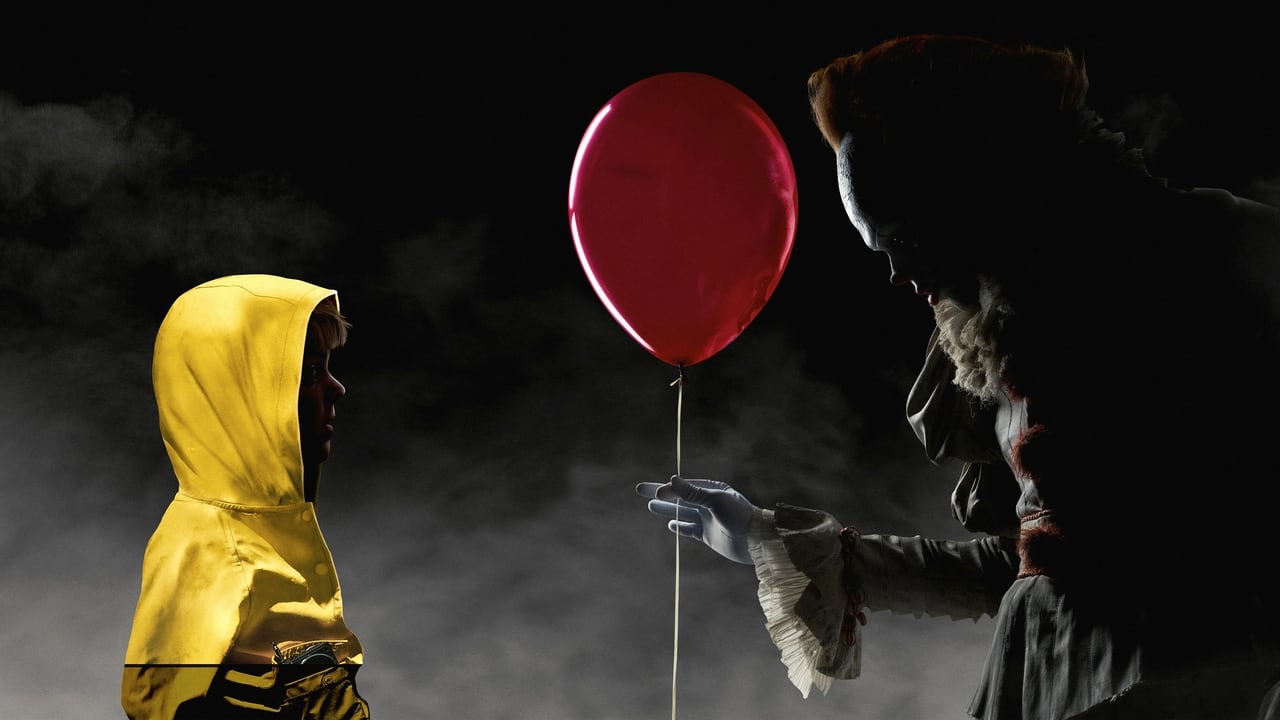
The Anatomy of a Nightmare
When we talk about It (2017), we have to talk about the "Stranger Things" effect. Released right as 1980s nostalgia was hitting a fever pitch, the film could have easily been a cynical cash-in. Instead, it feels like a necessary evolution. By moving the "Losers Club" timeline from the 1950s to the late 80s, the film engages with a brand of Americana that feels more immediate to contemporary viewers. We see a Derry that is crumbling under the weight of its own secrets, a town where the adults are arguably more terrifying than the monster in the sewer.
The casting is the film's secret weapon. Jaeden Martell brings a fragile, stuttering dignity to Bill, but it’s Sophia Lillis as Beverly Marsh who provides the movie’s soul. Her struggle with a predatory father is filmed with a grim, claustrophobic intensity that makes Pennywise feel like a mercy by comparison. Finn Wolfhard (who was actually the only actor kept from the original, aborted version of the project) provides the necessary gallows humor as Richie, though I’ll admit Jack Dylan Grazer nearly steals the show as the hyper-neurotic Eddie. I watched this movie in a theater where the guy sitting next to me was wearing a "Can't Sleep, Clowns Will Eat Me" t-shirt, and even he looked uncomfortable during the blood-soaked bathroom sequence.
The Shape of Our Worst Fears
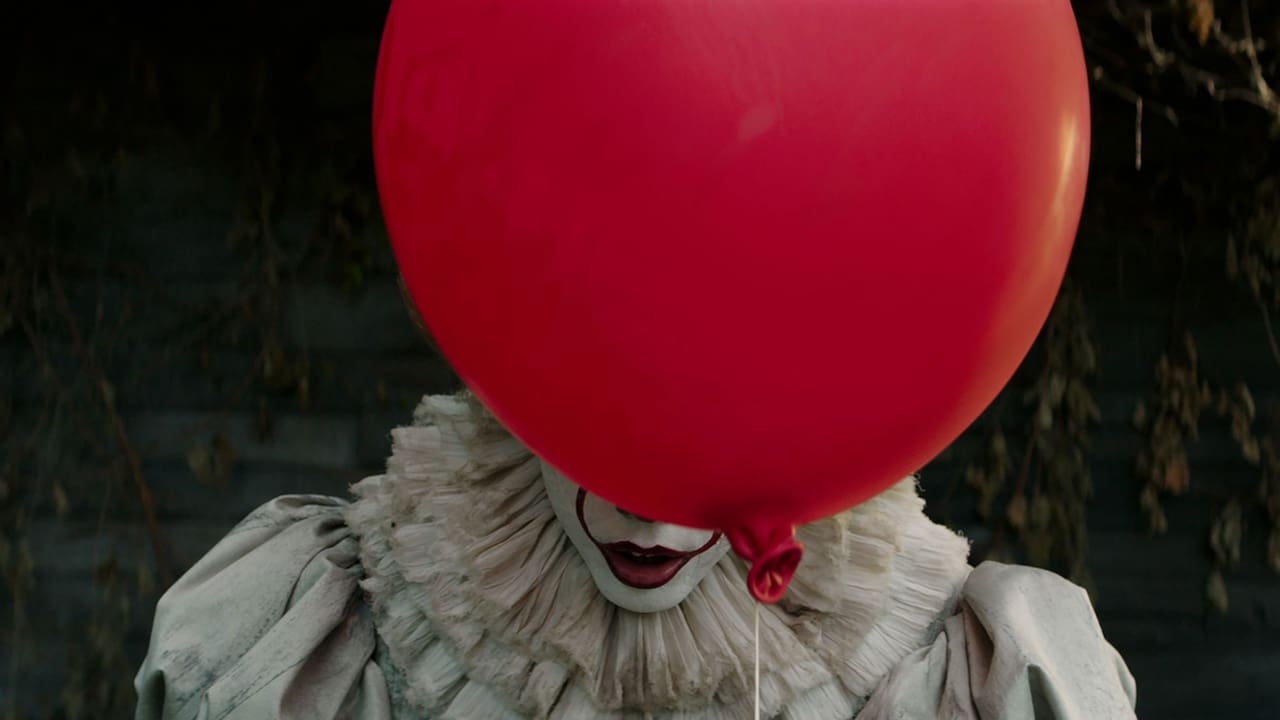
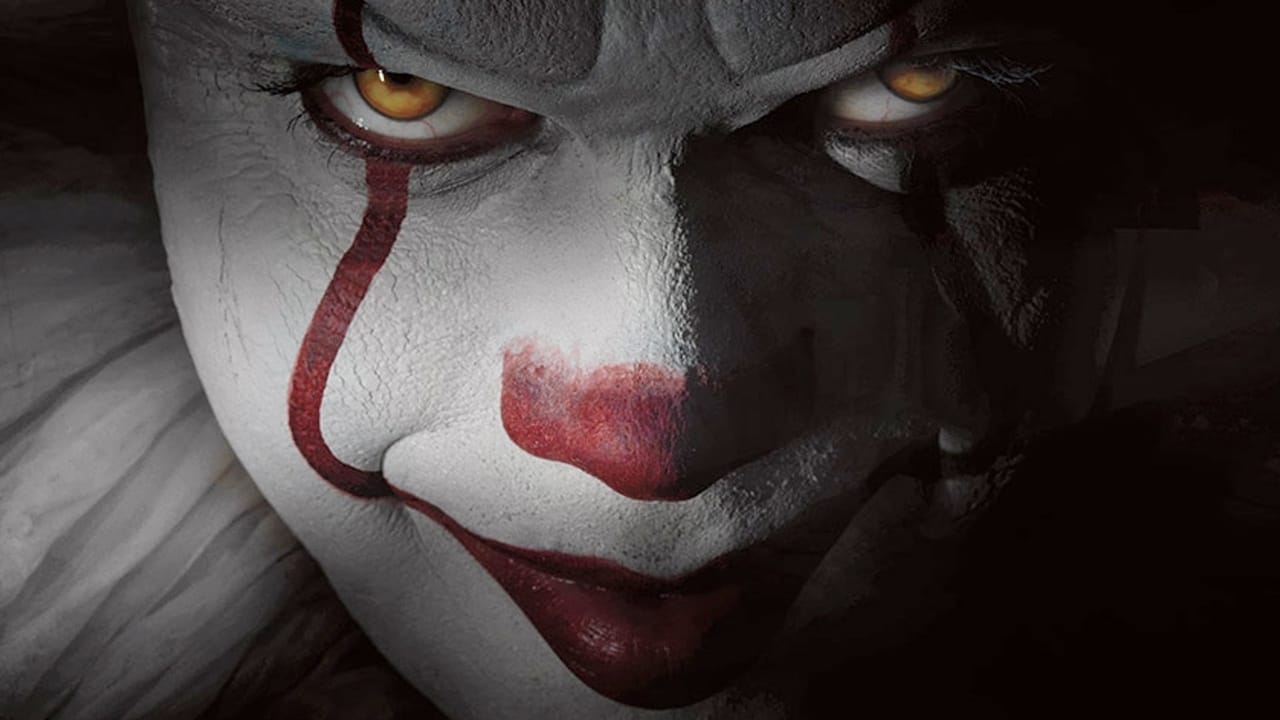
Then, of course, there is the clown. Taking over for Tim Curry is a thankless task, but Bill Skarsgård didn’t try to replicate the 1990 miniseries' campy Brooklyn-cabbie vibe. His Pennywise is something distinctly other. He plays the entity as a predator that doesn't quite understand how to wear a human face. Apparently, that unsettling wall-eyed look where one eye drifts off-center wasn't CGI; Skarsgård can actually do that on command, and Muschietti used it to make the character feel physically broken.
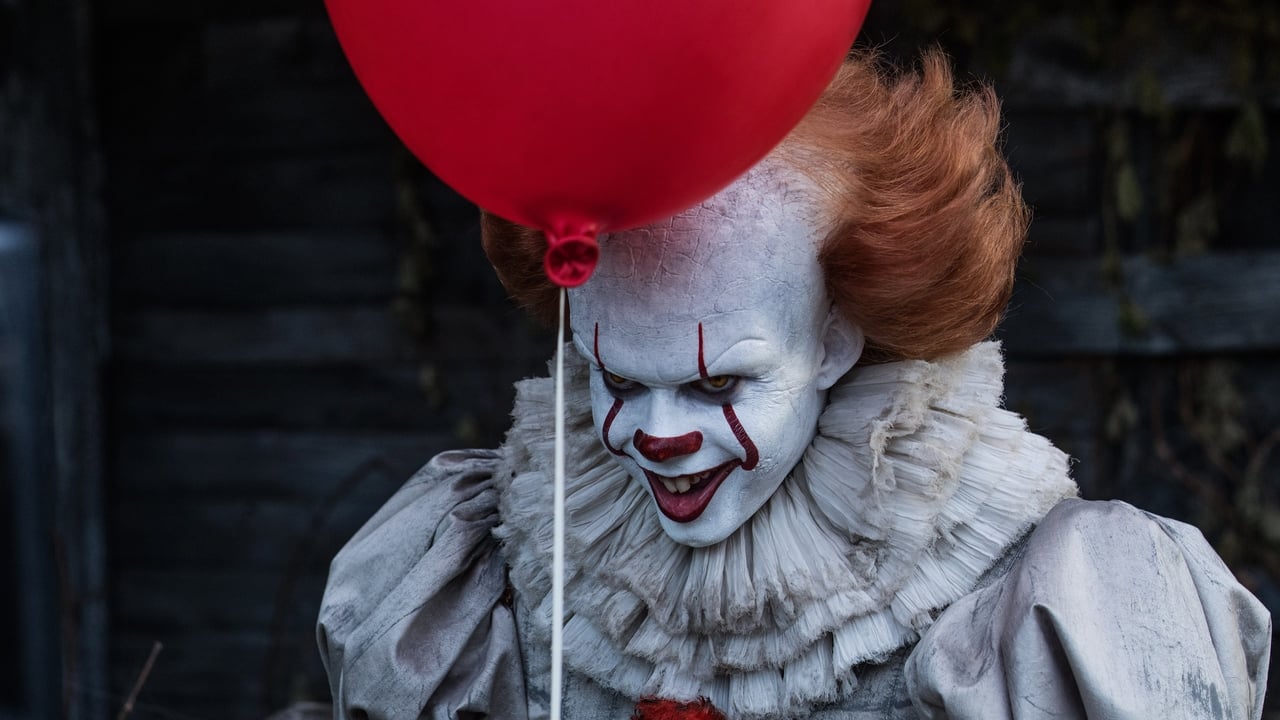
The fear mechanics here are a blend of high-budget spectacle and psychological dread. While some critics complained about the abundance of jump-scares, I found the "scares" to be deeply rooted in character. The monster isn't just a clown; it’s the personification of puberty, grief, and the loss of innocence. When the Losers descend into the sewers, they aren't just fighting a boogeyman; they are confronting the reality that the world is a cruel, indifferent place. The CGI Georgie-ghost is significantly scarier than any of the giant monster reveals, precisely because it hits that nerve of personal, domestic horror.
A Billion-Dollar Boogeyman
From a production standpoint, It is a fascinating anomaly in the current landscape of franchise dominance. It was a $35 million R-rated horror film that behaved like a Marvel movie at the box office. By the time it finished its run, it had pulled in over $719 million, proving that audiences were hungry for horror with a high-gloss finish and a genuine emotional core. This success paved the way for the "Prestige Horror" boom we’re still seeing today, though few films have managed to capture this specific lightning in a bottle.
The film's journey to the screen was famously rocky. Cary Joji Fukunaga (the mind behind the first season of True Detective) spent years developing a version that was reportedly much darker and more transgressive. While he eventually left over creative differences, his DNA remains in the screenplay he co-wrote with Gary Dauberman. You can feel that friction between Fukunaga’s grim sensibilities and Muschietti’s more operatic, Spielbergian flourishes. It’s a tension that works, preventing the movie from becoming too saccharine or too nihilistic.
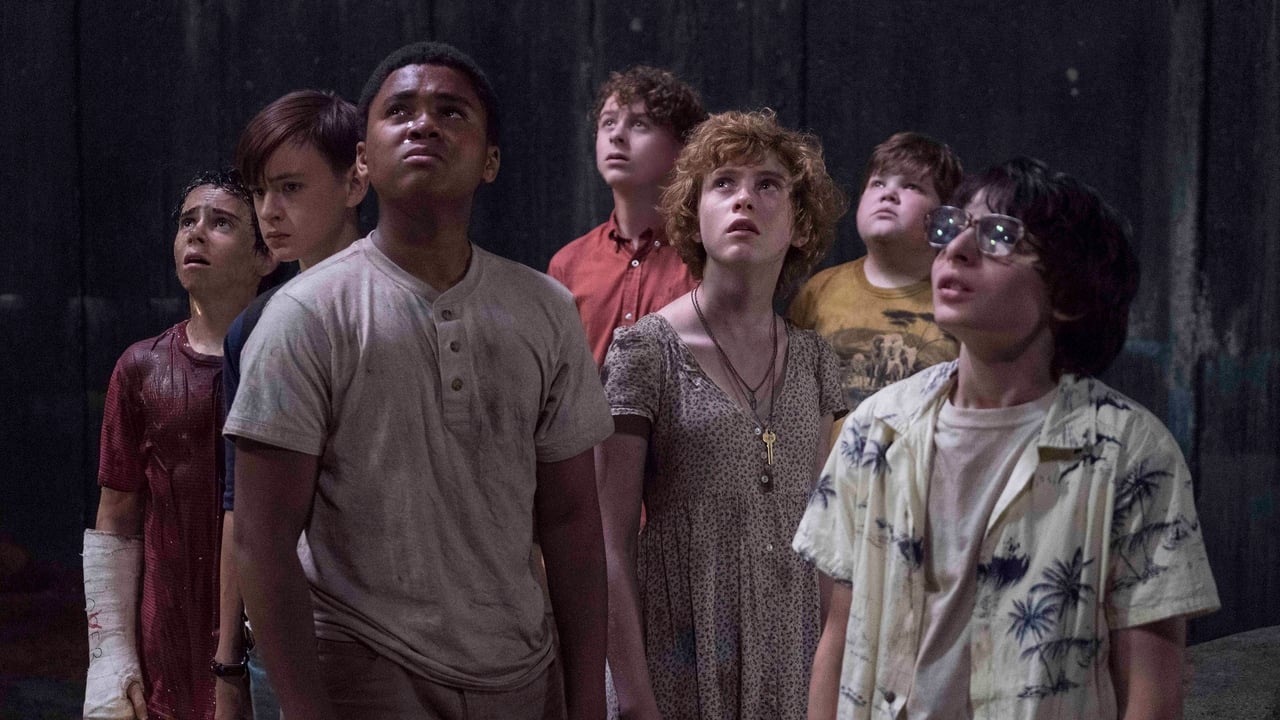
What lingers long after the credits roll—and after Benjamin Wallfisch’s haunting score fades—is the sense of camaraderie. We’ve seen a thousand movies about kids on bikes, but It feels like one of the few that understands the specific, desperate loneliness of being thirteen. It’s a film that respects its audience enough to be genuinely disturbing, while still finding room for a rock fight set to an 80s synth track.
It manages to bridge the gap between "elevated horror" and the blockbuster popcorn flick, reminding us why we go to the movies in the first place: to be scared together, and to realize we’re not alone in the dark. Even if you hate clowns, the heart of the Losers Club is impossible to resist. It’s a definitive piece of contemporary horror that actually earns its massive cultural footprint.
Keep Exploring...
-
It Chapter Two
2019
-
10 Cloverfield Lane
2016
-

The Shallows
2016
-

The House That Jack Built
2018
-
Run
2020
-

Bridge of Spies
2015
-
Don't Breathe
2016
-
The Accountant
2016
-
Split
2017
-
A Quiet Place
2018
-
The Conjuring: The Devil Made Me Do It
2021
-
The Black Phone
2022
-
Along with the Gods: The Two Worlds
2017
-
Get Out
2017
-
Once Upon a Time... in Hollywood
2019
-
The Invisible Man
2020
-
A Quiet Place Part II
2021
-
Five Nights at Freddy's
2023
-
Conclave
2024
-
Bird Box
2018