It Comes at Night
"Trust is a luxury you can't afford."
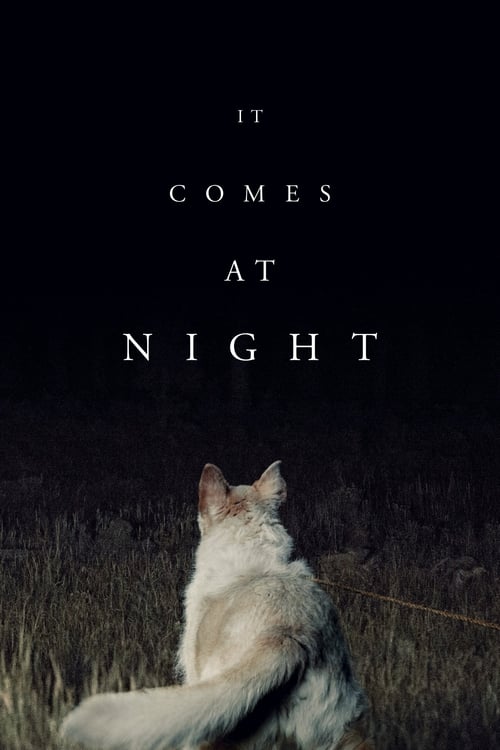
In 2017, A24 pulled off one of the greatest cinematic heists in history, and it left a lot of people very, very angry. If you went to the theater expecting a creature feature—the kind suggested by a trailer filled with gas masks, snarling shadows, and a title that practically promises a boogeyman—you likely walked out feeling like you’d been sold a lemon. But looking back at it now, through the rearview mirror of a post-2020 world, Trey Edward Shults wasn't trying to trick us; he was trying to warn us about how quickly "civilized" people turn into wolves when the lights go out.
I watched this recently on my couch while my neighbor’s car alarm kept going off every twenty minutes, and honestly, that sporadic, shrill intrusion of the outside world only made the movie’s suffocating atmosphere feel more oppressive. It’s a film that thrives on the sound of things that might be happening just out of sight.
The Marketing Misdirection
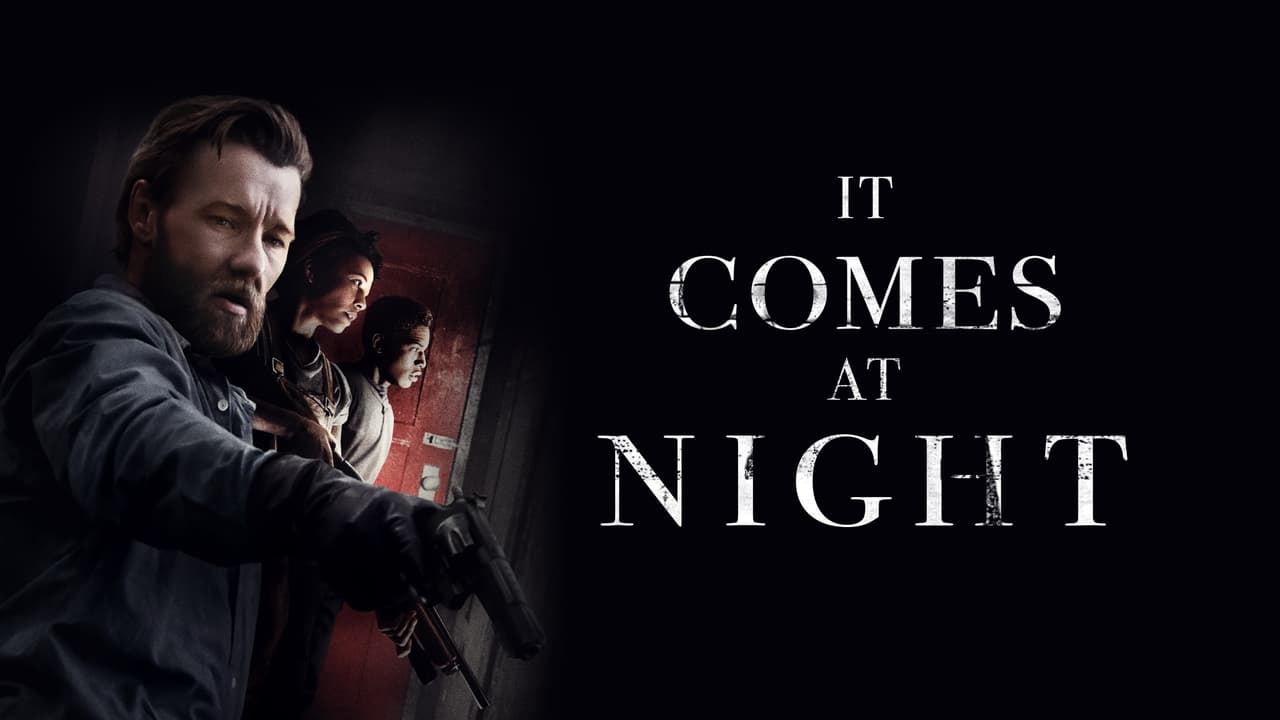
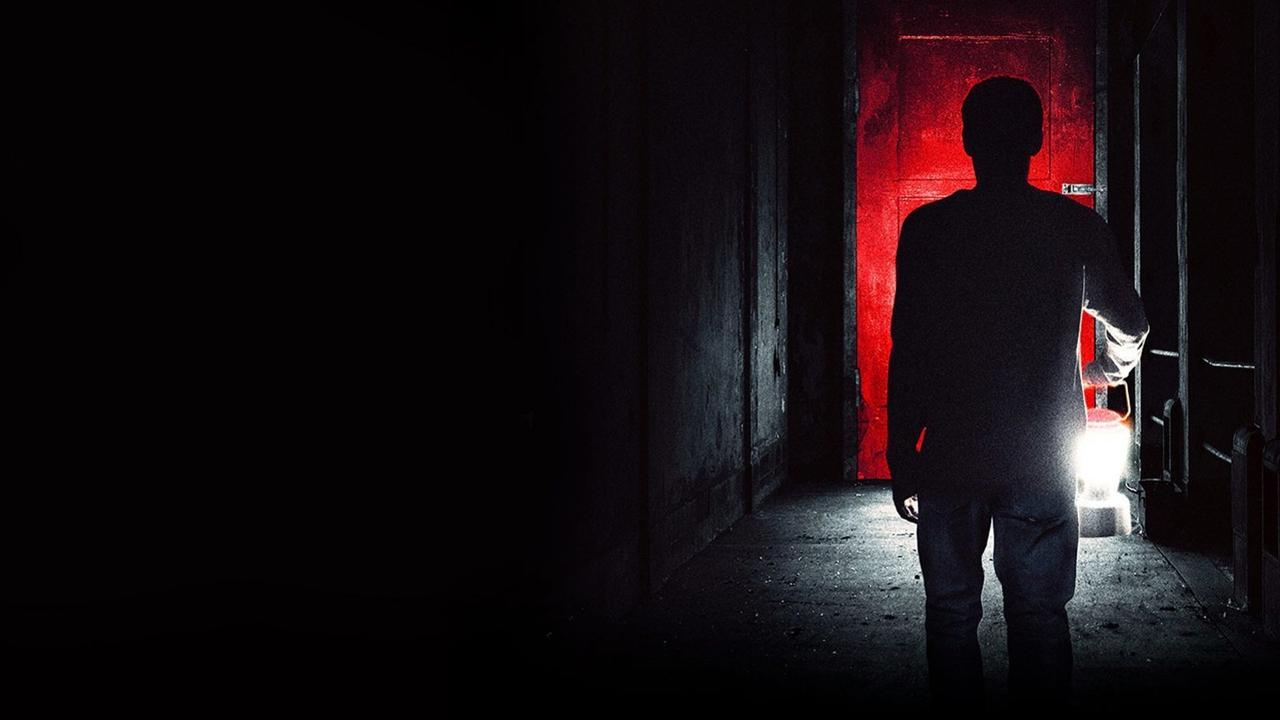
The "It" in the title is the movie’s biggest Rorschach test. For the family at the center of the film—led by a fiercely protective and increasingly pragmatic Joel Edgerton—the threat is a vague, flesh-rotting plague that has already turned the world into a graveyard. They live in a boarded-up house in the woods, governed by a set of strict rules: never go out at night, always use the red door, and never, ever go out alone.
When another family (played by Christopher Abbott and Riley Keough) blunders into their orbit seeking water, the movie shifts from a survival horror into a high-stakes chamber drama. The real "It" isn't a monster in the woods; it’s the corrosive paranoia that enters the house the moment a stranger is allowed to sit at the dinner table. Marketing this as a monster movie was a felony, but as a study of tribalism, it’s a total knockout. I love how Joel Edgerton plays Paul not as a hero, but as a guy who has pre-traumatized himself so deeply that he’s lost the ability to see a human being as anything other than a biological hazard.
Squinting Into the Dark
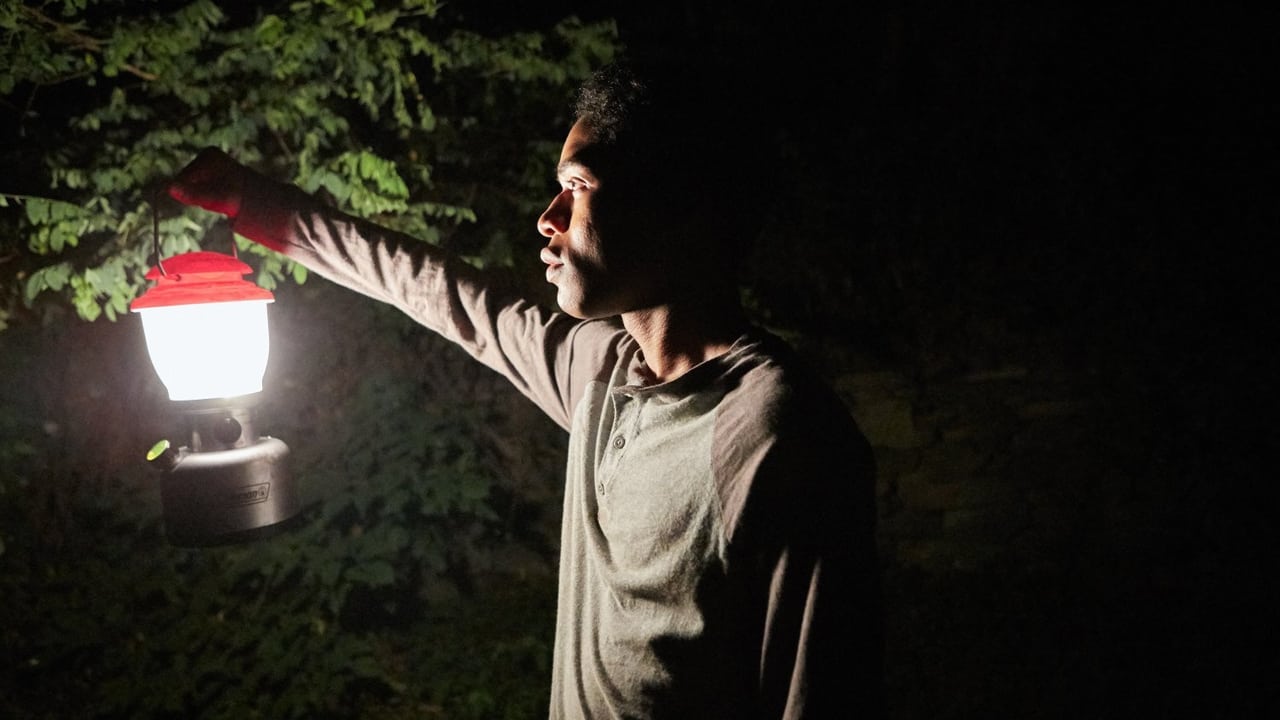
Technically, this film is a masterclass in making the audience feel like they need an eye exam. Trey Edward Shults and cinematographer Drew Daniels use natural light—or the lack of it—to turn the hallways of a simple house into a labyrinth. Most of the nighttime scenes are lit only by flashlights, creating a "cone of vision" effect where you’re constantly squinting at the edges of the frame.
Apparently, the production was a bit of a pressure cooker. They shot the whole thing in about 24 days at a real house in Woodstock, and you can feel that cramped, sweaty energy in every scene. One of the coolest details I picked up on is how the aspect ratio actually changes. As the paranoia ramps up and the characters feel more trapped, the screen subtly narrows, squeezing the image until you feel like the walls are literally closing in on you. It’s the kind of technical flourish that you don't notice consciously, but your heart rate definitely does. The dog was the only one with common sense, and watching him stare into the pitch-black woods while the humans argued about logistics gave me more chills than any CGI jump scare ever could.
Why We’re Still Talking About It
Despite the "D" CinemaScore from opening weekend audiences who wanted a zombie flick, It Comes at Night has aged into a definitive piece of "elevated horror" (a term I personally find pretentious, but it fits the A24 vibe). It’s a film born from real-life grief—Trey Edward Shults wrote the script right after the death of his father, channeling that sense of helplessness and impending loss into a story about a world that simply refuses to be saved.

I found Kelvin Harrison, Jr. to be the secret weapon here. As Travis, the teenage son caught between his father’s cynicism and his own lingering humanity, he’s the one who actually experiences the "horror." His nightmares are the only time we see the "It" of the title, and they are surreal, gooey, and deeply unsettling. It’s a better pandemic movie than Contagion because it understands that the virus isn't the problem—other people are.
If you can get past the lack of a literal creature, this is one of the leanest, meanest thrillers of the last decade. It’s a movie that asks what you’re willing to sacrifice to keep your own family safe, and then refuses to give you an easy answer. Just don't watch it if you're already feeling a bit cynical about your neighbors; it won't help.
It Comes at Night doesn't end with a bang or a reveal; it ends with a hollowed-out silence that stayed with me long after the credits rolled. It’s a bleak, beautifully shot reminder that the scariest thing in the dark is usually just another person who’s just as scared as you are. For a 5-minute bus stop read or a late-night watch, it's a gut-punch that reminds me why I love indie horror: it doesn't need a monster budget to ruin your sleep.
Keep Exploring...
-
The Gift
2015
-
Black Mirror: Bandersnatch
2018
-
Suspiria
2018
-

Midsommar
2019
-

The Lodge
2020
-
Antlers
2021
-
Mr. Harrigan's Phone
2022
-

Paper Towns
2015
-
Hail, Caesar!
2016
-
The Boy
2016
-
A Cure for Wellness
2017
-
Bad Times at the El Royale
2018
-
Bird Box
2018
-
Escape Room: Tournament of Champions
2021
-
Malignant
2021
-

Old
2021
-
The Room
2019
-
Crimson Peak
2015
-
1922
2017
-
Life
2017