Jigsaw
"New game, same old Billy."
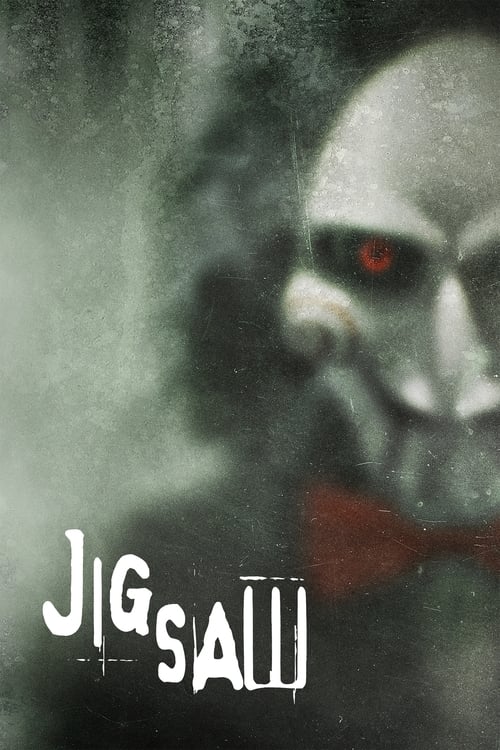
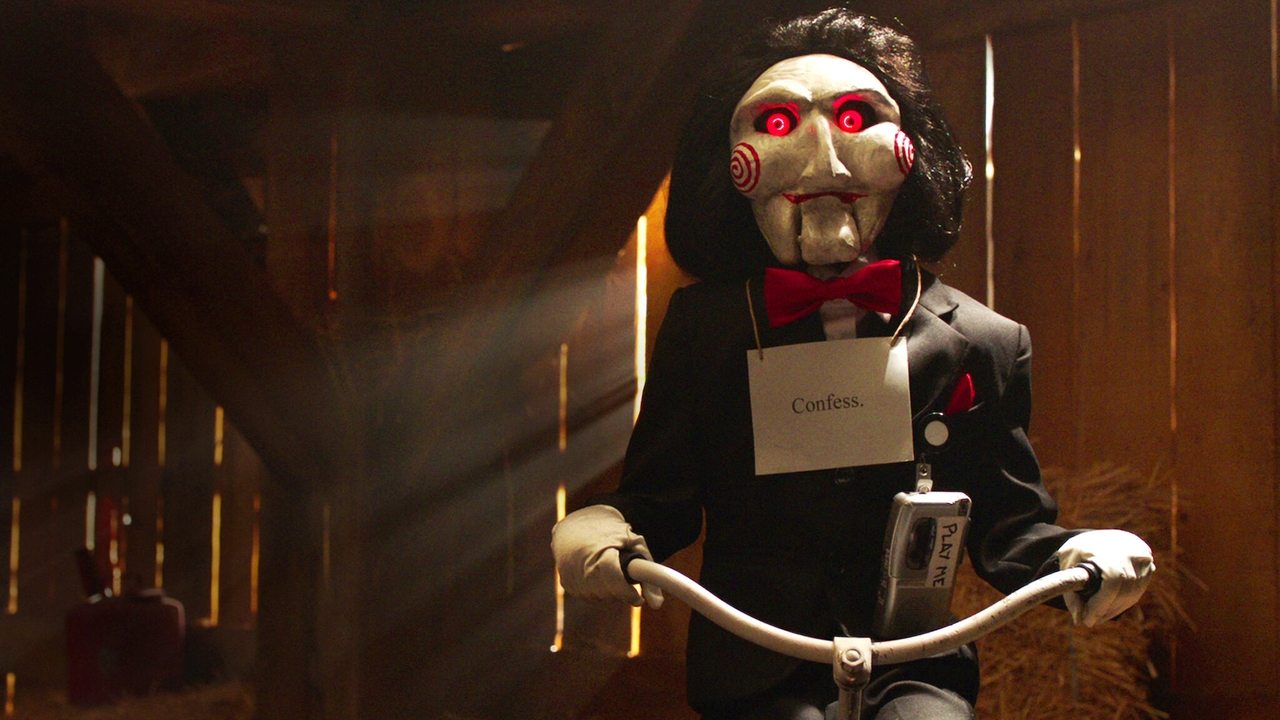
By 2017, I thought we were done with the "torture porn" era. The mid-2000s craze of grimy, green-filtered basements and rusted syringes had mostly given way to the "elevated horror" of A24 and the jump-scare dominance of the Conjuring universe. But then, like a recurring nightmare you’ve actually grown kind of fond of, Billy the Puppet came rolling back into theaters on his squeaky tricycle.
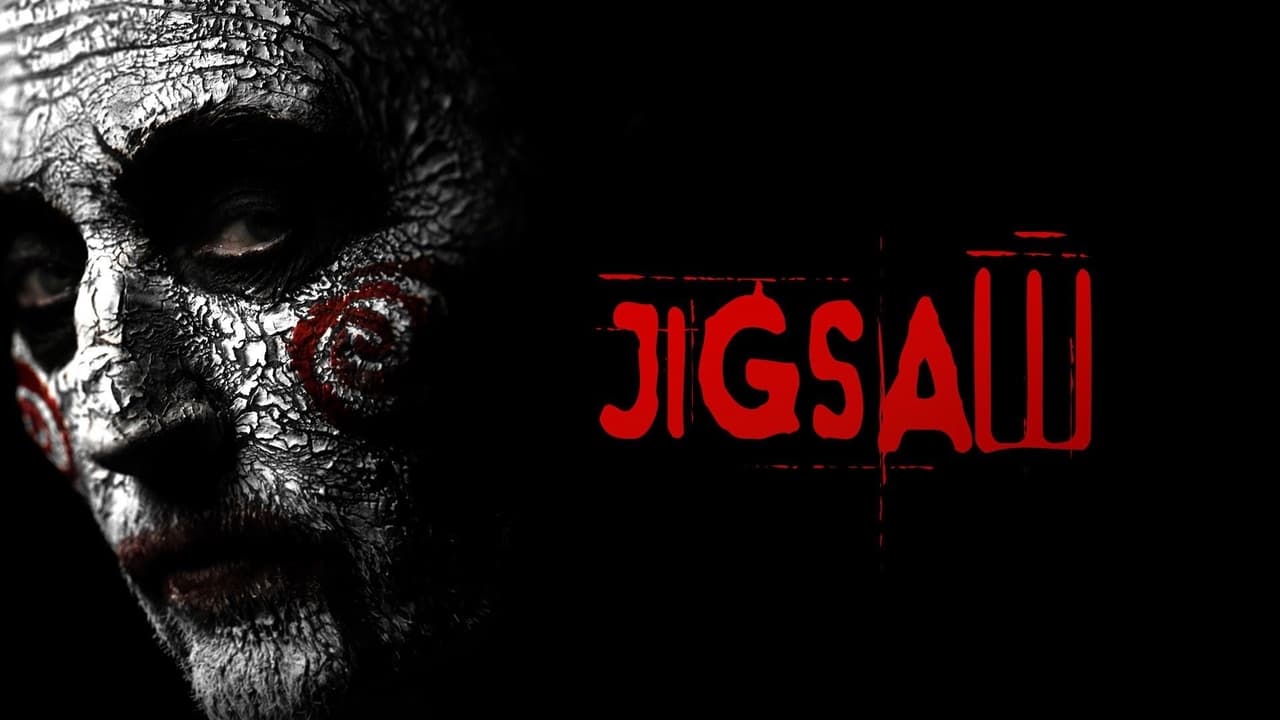
Watching Jigsaw in a packed theater during its opening weekend, I realized something: the Saw franchise is the ultimate cinematic comfort food for people who like their popcorn with a side of cognitive dissonance. I distinctly remember the guy sitting two rows ahead of me quietly whispering "don't do it" to the screen every time a character reached for a suspicious lever, as if we hadn't all spent the last thirteen years learning exactly what happens when you touch things in a John Kramer joint.
A Shiny New Coat of Blood
Directors Michael Spierig and Peter Spierig—the duo behind the stylish vampire flick Daybreakers—were an interesting choice to reboot the series. They traded the franchise’s signature "shaky-cam-in-a-sewer" aesthetic for something much sleeker. This is easily the most expensive-looking Saw film. The lighting is crisp, the sets (mostly a deadly barn) feel expansive, and the gore is presented with a high-definition clarity that makes every laceration pop.
The plot follows the classic two-track structure: a group of five strangers wake up in a series of trap-laden rooms, while a group of forensic specialists and detectives play a game of "Who’s the copycat?" outside. Matt Passmore plays Logan Nelson, a combat vet turned medical examiner, while Callum Keith Rennie brings a weathered, cynical energy to Detective Halloran. But the real standout for me was Hannah Emily Anderson as Eleanor Bonneville. Her character is a "Jigsaw fangirl" who frequents the dark web to collect trap blueprints. It felt like a very 2017 nod to the true-crime obsession taking over social media at the time, turning the villain into a twisted folk hero.
The Logic of the Clockwork
Of course, we aren't here for the character arcs. We’re here for the "IKEA furniture from hell." The traps in Jigsaw feel a bit more high-tech than the Rube Goldberg machines of the early films. The "Bucket Head" trap that opens the film is a masterclass in tension, and the "Cycle Trap"—essentially a giant human blender—is the kind of over-the-top practical effects showcase that makes horror fans lean forward.
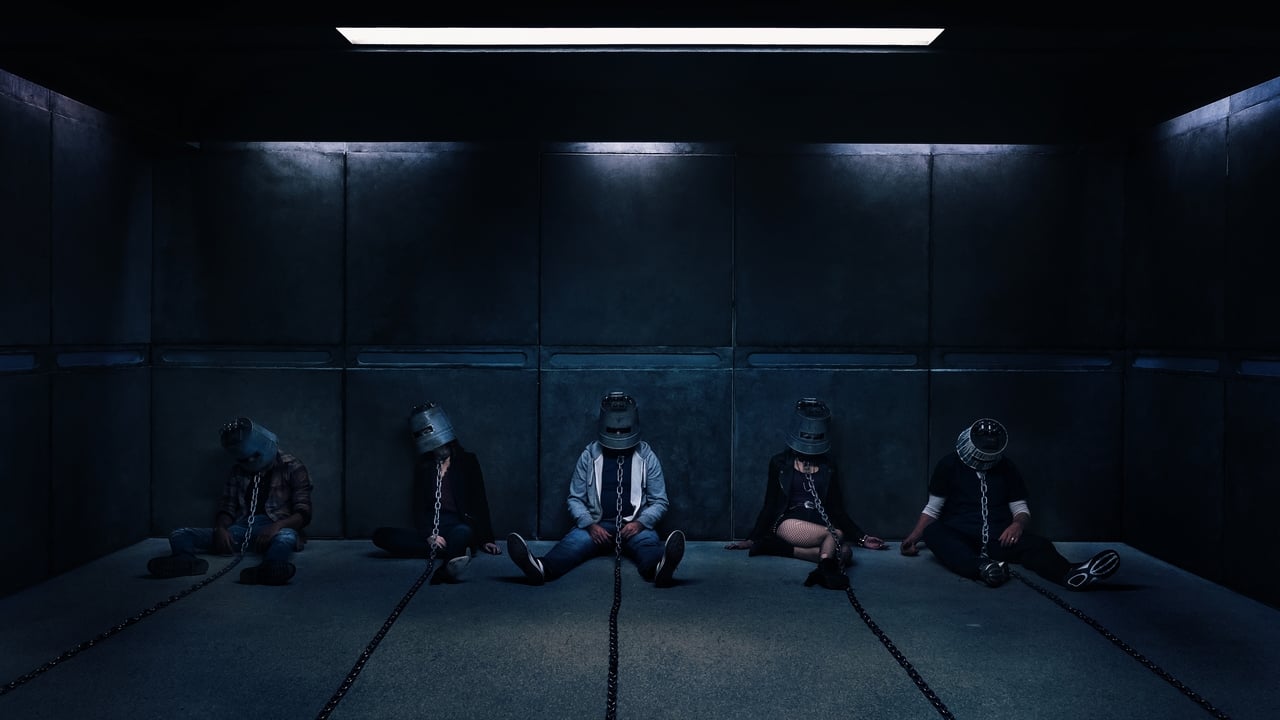
However, there’s a distinct "Legacy Sequel" feel to the whole production. In an era where Star Wars and Halloween were busy de-aging actors and rewriting timelines, Jigsaw tries to do both. It attempts to weave a story that fits into the gaps of the original trilogy while functioning as a fresh start. It’s a bit like watching a magician try to perform a card trick while also explaining the physics of the deck; sometimes the logic-defying timeline gymnastics get in the way of the actual suspense.
The $100 Million Ghost
Financially, Jigsaw was a beast. On a modest $10 million budget, it clawed its way to over $100 million worldwide. That’s the magic of this franchise; it’s an annual dividend for Twisted Pictures. Even in 2017, when the market was saturated with superhero blockbusters, there was a clear hunger for a mid-budget, R-rated thriller that didn't require a PhD in multiverse theory to enjoy.
The film also relies heavily on the gravelly, authoritative presence of Tobin Bell. Even when he isn’t on screen, his voice looms over the proceedings like a dark cloud. Tobin Bell is to Saw what Robert Englund is to Nightmare on Elm Street—the irreplaceable soul of the machine. The Spierig brothers lean into this, utilizing the "ghost of John Kramer" to keep the audience guessing about the timeline. Is he alive? Is it a flashback? Is it a twin? (Okay, it’s never a twin, but you get the point.)
Ultimately, Jigsaw succeeds as a piece of "now" cinema by acknowledging how the world has changed since 2004. The forensic tech is better, the social media buzz is louder, and the traps are shinier, but the core appeal remains the same: watching people make terrible choices under pressure. It’s a film that knows exactly what its audience wants—a twist that makes you go "huh?" followed by a blast of Charlie Clouser’s iconic theme music.
It isn't a masterpiece of the genre, but as a late-stage entry in an eight-film saga, it’s surprisingly nimble. It balances the franchise’s gore-hound roots with the polished demands of modern theatrical horror. If you can forgive the slightly convoluted ending and some questionable character motivations, it’s a perfectly grisly way to spend 90 minutes. It reminded me that even in the age of streaming dominance, some things—like a well-timed jump scare or a spinning saw blade—just work better on a big screen with a bunch of cringing strangers._
***
The Spierig brothers allegedly used the "barn" setting as a nod to the more agricultural, rural horror tropes of the 70s, though they updated it with enough sensors and hydraulics to make Elon Musk jealous. Also, keep an eye out for the "Billy" puppet—it was reportedly rebuilt for this film to look just slightly more "modern" while retaining its creepy, hand-painted aesthetic.
Keep Exploring...
-
Saw X
2023
-
Spiral: From the Book of Saw
2021
-
Saw III
2006
-
Saw IV
2007
-

Saw V
2008
-
Saw II
2005
-

Saw 3D
2010
-
Saw VI
2009
-
Saw
2004
-
Escape Room
2019
-
Scream
2022
-
Smile
2022
-
Happy Death Day
2017
-
The House with a Clock in Its Walls
2018
-
Scary Stories to Tell in the Dark
2019
-

Smile 2
2024
-
Winchester
2018
-
Regression
2015
-
The Boy
2016
-
A Cure for Wellness
2017