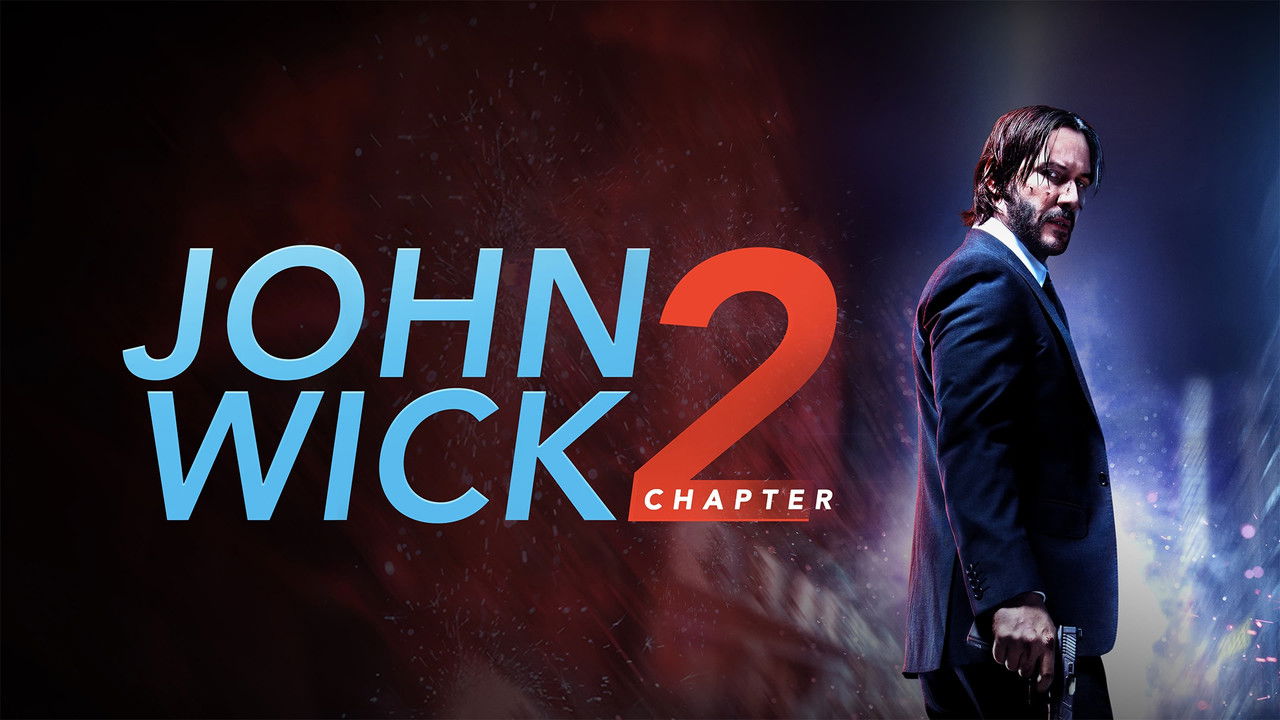
John Wick: Chapter 2
"The man. The myth. The marker."
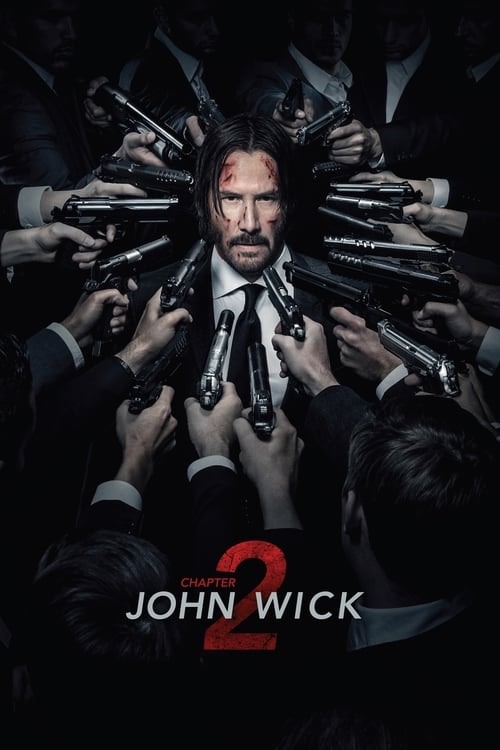
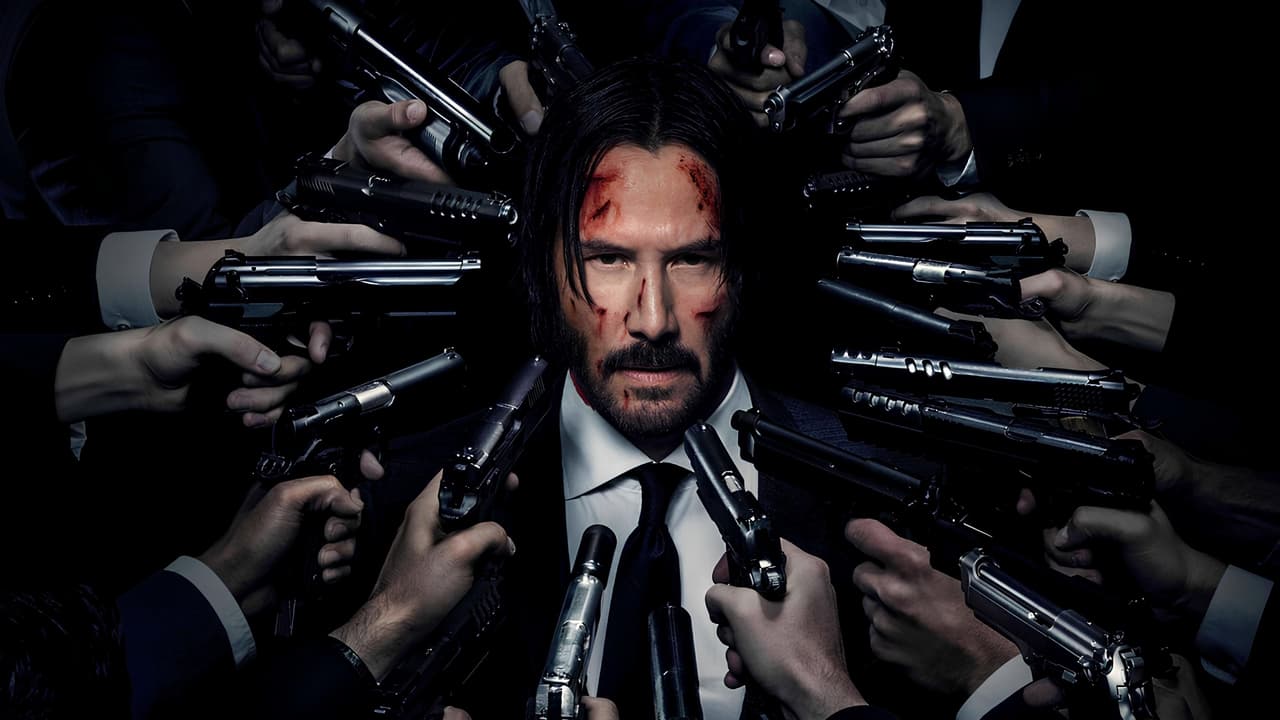
The first time I saw John Wick walk into a high-end Roman tailor to buy a suit "with tactical lining," I realized the action genre had finally stopped apologizing for being ridiculous. For years, we’d been stuck in the "Bourne" era of shaky-cam—where you couldn't tell if a guy was getting punched or just having a seizure near a strobe light. John Wick: Chapter 2 arrived in 2017 like a bucket of ice water to the face. It didn’t just double down on the original’s "dead dog" revenge trope; it expanded the universe into a baroque, blood-soaked mythology that felt less like a movie and more like a grim graphic novel come to life.
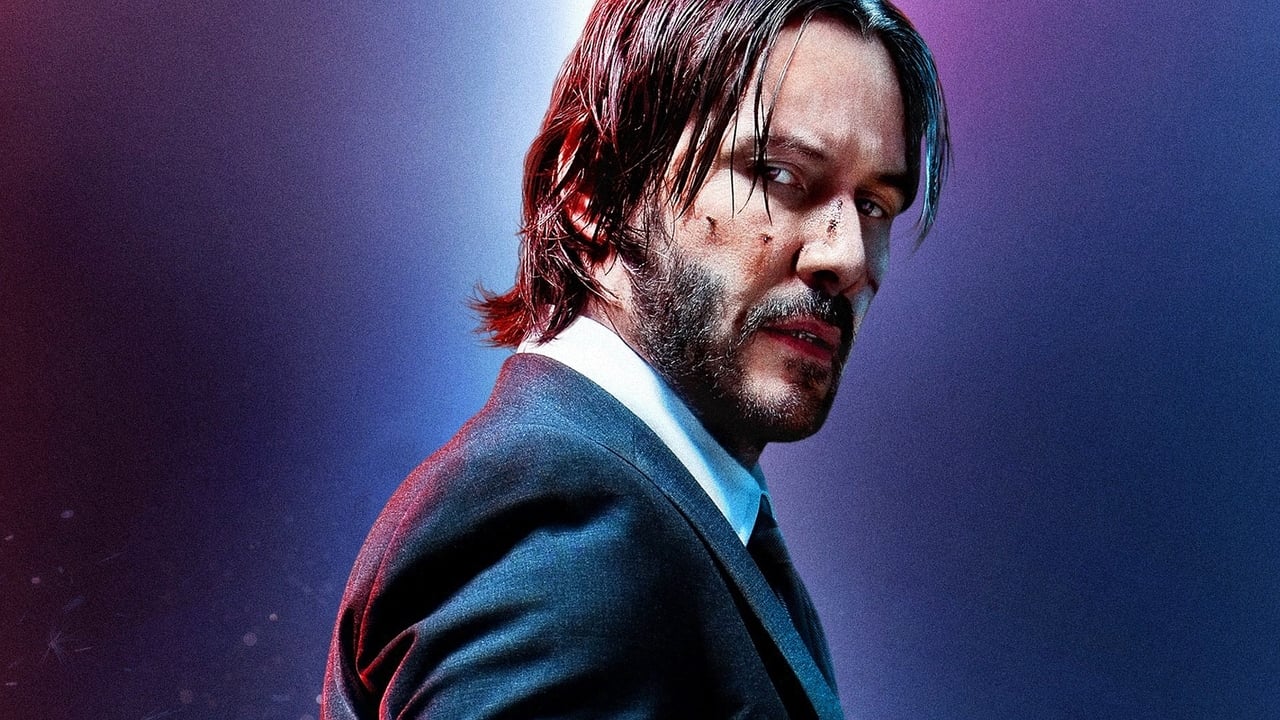
I actually watched this for the third time while my neighbor was testing a new leaf blower for three hours straight, and honestly, the rhythmic drone of the machinery blended into the film’s industrial score so perfectly I barely noticed. It’s that kind of movie—a relentless, mechanical march toward an inevitable, violent conclusion.
The Bureaucracy of the Bullet
While the first film was a lean, mean home-invasion-turned-rampage, Chapter 2 is where writer Derek Kolstad and director Chad Stahelski decided to build a sandbox. We are introduced to the "Blood Oath," a gold-pressed marker that forces Keanu Reeves’ John Wick out of his five-day retirement. The stakes here aren't personal—at least not at first. They are contractual. There’s something deeply cynical and contemporary about a film where the world’s most dangerous man is undone not by a villain’s master plan, but by the ultimate cosmic HR violation.
Riccardo Scamarcio plays Santino D’Antonio, the oily aristocrat holding John’s marker. He wants his sister dead so he can take her seat at the "High Table." It’s a classic Shakespearean setup dressed in Tom Ford suits. By moving the action to Rome, Stahelski—a former stuntman who famously doubled for Reeves in The Matrix—elevates the franchise from a gritty New York noir to a global epic. The cinematography by Dan Laustsen is a feast of deep teals and searing oranges, making every frame look like a high-fashion editorial from a magazine that only caters to professional killers.
Stunt-Work as High Art
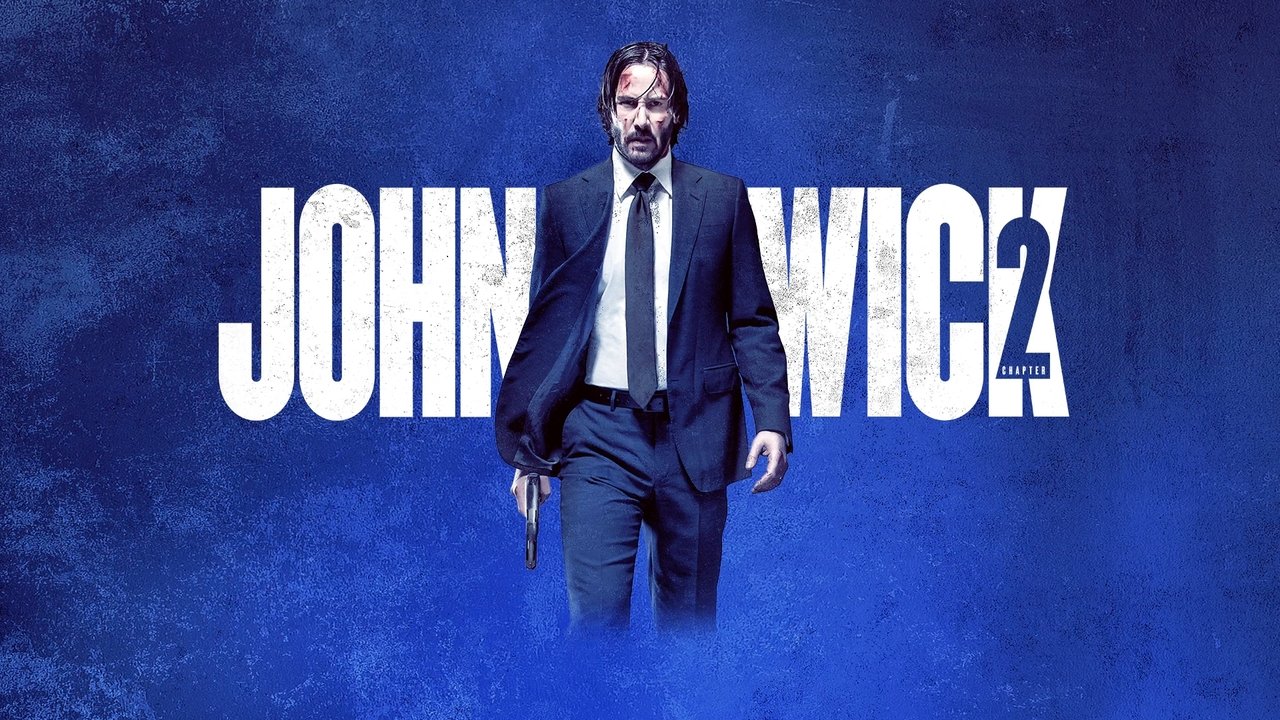
The real draw, obviously, is the "Gun-fu." In an era where superhero movies were increasingly relying on "The Volume" and digital doubles, John Wick: Chapter 2 felt like a defiant stand for practical craft. Keanu Reeves famously performed about 95% of his own stunts here, and it shows in every labored breath and stiff movement. He doesn't move like a 20-something ninja; he moves like a 50-year-old man who has been hit by several cars. There is a weight to his violence that feels earned.
The centerpiece is the "catacombs" sequence. Before filming, Reeves spent months in "tactical 3-gun" training, learning to transition between a rifle, shotgun, and pistol with the muscle memory of a competitive shooter. Watching him reload a shotgun one-handed while sliding through Roman ruins isn't just "cool"—it’s a showcase of physical discipline that most modern blockbusters are too lazy to attempt. It’s basically a high-fashion version of a workplace dispute settled with Glocks.
Then there’s the supporting cast. Common shows up as Cassian, a rival assassin who shares a drink with John in the middle of a death-match because "professional courtesy" is the only thing keeping this world from collapsing into total chaos. Their fight in the fountain is a masterclass in clarity; you see every grip, every stumble, and every drop of blood. And seeing Laurence Fishburne as the Bowery King feels like a giant, winking gift to anyone who spent the turn of the millennium obsessing over the Morpheus/Neo dynamic.
A Phenomenon in Neon
From a production standpoint, Chapter 2 is a fascinating case study in "sequel-itis" done right. With a budget of $40 million—double that of the first film—the team didn't just buy more explosions. They bought better locations and more rehearsal time. The result was a box office explosion, pulling in over $171 million. It proved that audiences were starving for R-rated, tactile action that respected their intelligence and their eyesight.
The film also leans heavily into the "Mirror Room" finale, a direct and gorgeous homage to Bruce Lee’s Enter the Dragon. It’s a sequence that could have been a confusing mess of reflections, but under Stahelski’s direction, it becomes a psychedelic labyrinth of ego and violence. By the time the credits roll and John is declared "Excommunicado," the film has successfully transitioned from a hit-man flick into a full-blown existential nightmare.
The "pencil" story from the first movie? We finally see it happen here. It’s a moment that could have been goofy, but in the hands of this crew, it’s played with a grim, somber intensity that makes you believe the myth. This is the era of the "Legacy Sequel" and the "Cinematic Universe," but John Wick did it differently—he didn't build a universe with post-credit teasers; he built it with world-weary stares and a very specific set of rules.
John Wick: Chapter 2 is the rare sequel that surpasses the original by leaning into its own absurdity without ever losing its "cool." It’s dark, it’s intense, and it treats its violence with a reverent, almost religious gravity. In a decade of franchise saturation, it remains a gold standard for what can happen when you give a stuntman a camera and a lead actor who is willing to bleed for the shot. It doesn't offer comfort, and it certainly doesn't offer a happy ending. It just offers a man, a dog, and a very long list of people who made a very big mistake.
Keep Exploring...
-
John Wick: Chapter 3 - Parabellum
2019
-
John Wick: Chapter 4
2023
-
John Wick
2014
-
Furious 7
2015
-
Bad Boys for Life
2020
-

The Beekeeper
2024
-
Sicario
2015
-
Patriots Day
2016
-
The Hitman's Bodyguard
2017
-
Batman vs. Robin
2015
-

The Gangster, the Cop, the Devil
2019
-
The Stronghold
2021
-
Don't Breathe
2016
-
The Accountant
2016
-
Nobody
2021
-

Ballerina
2025
-
The Fate of the Furious
2017
-
The Foreigner
2017
-
The Equalizer 2
2018
-

Along with the Gods: The Two Worlds
2017