Jumanji: Welcome to the Jungle
"The game where your biggest weakness is cake."
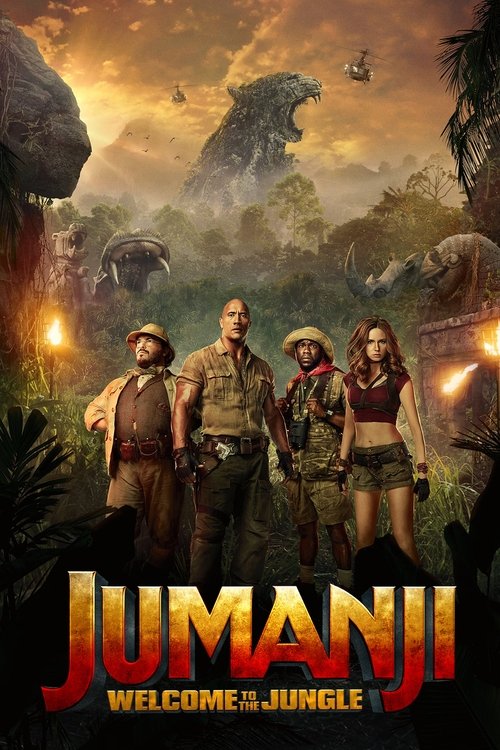
When the first trailers for a Jumanji sequel dropped in 2017, the collective internet groan was audible from space. We were deep in the "reboot everything" era of Hollywood, and the prospect of touching a beloved Robin Williams classic felt like a cynical cash grab. I went into the theater with my arms crossed, fully prepared to roll my eyes at a generic jungle romp. I also happened to be wearing a pair of mismatched neon socks because my dryer had developed a taste for cotton, which felt oddly appropriate for a movie about people waking up in the wrong bodies.
Within twenty minutes, Jake Kasdan’s Jumanji: Welcome to the Jungle had completely disarmed me. It didn’t just avoid the pitfalls of the "legacy sequel"—it vaulted over them with a backflip. By ditching the board game for a dusty 1990s cartridges-and-cables console, the film managed to comment on our modern obsession with digital avatars while delivering one of the most cohesive action-comedies of the decade.
A Masterclass in Body-Swap Synergy
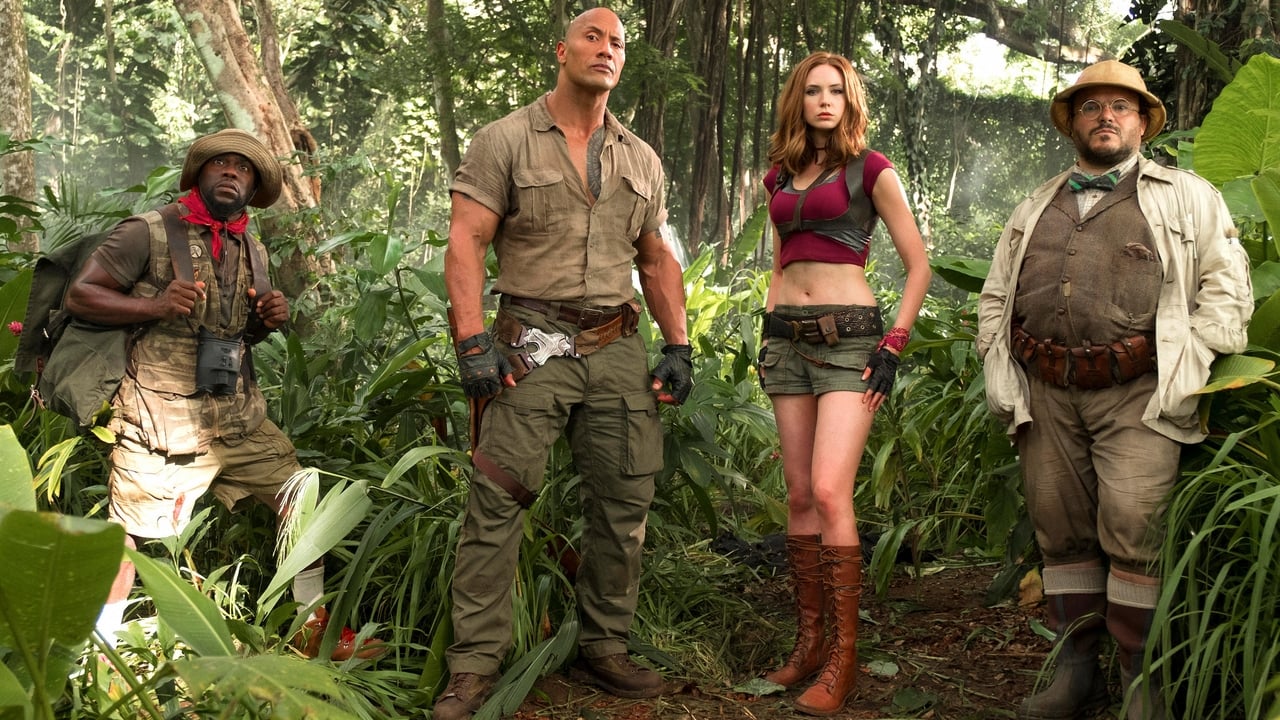
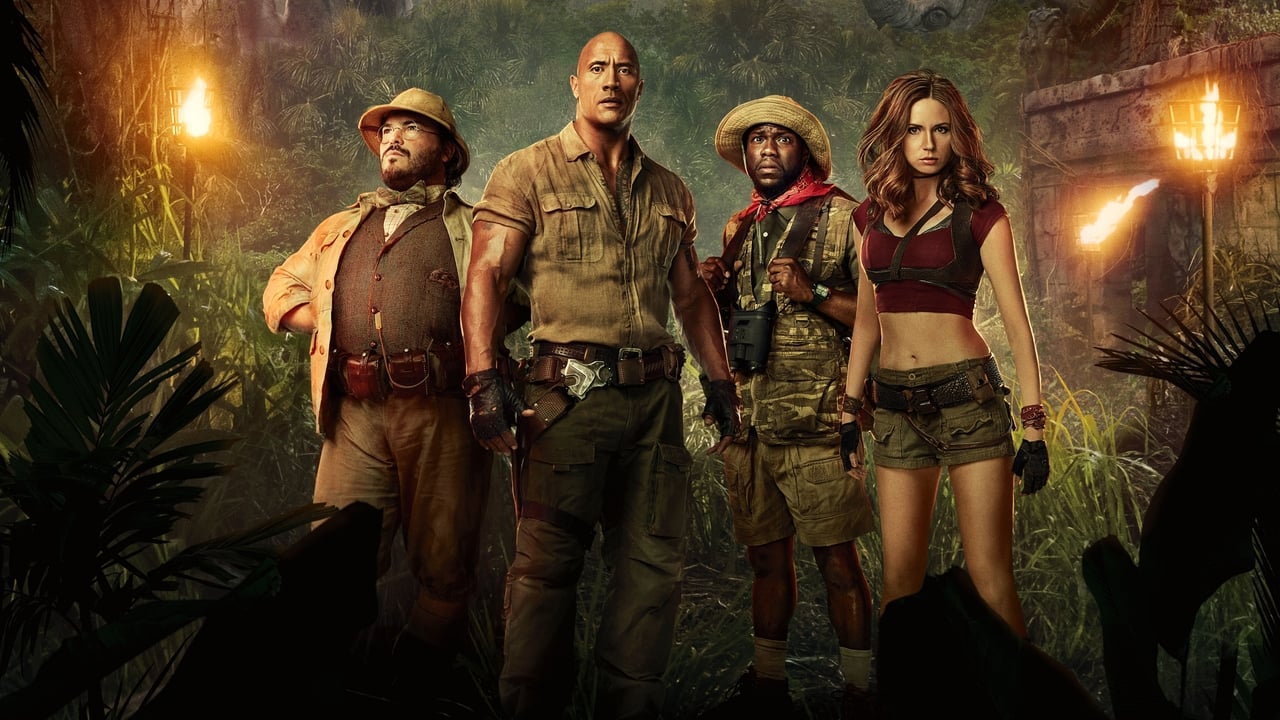
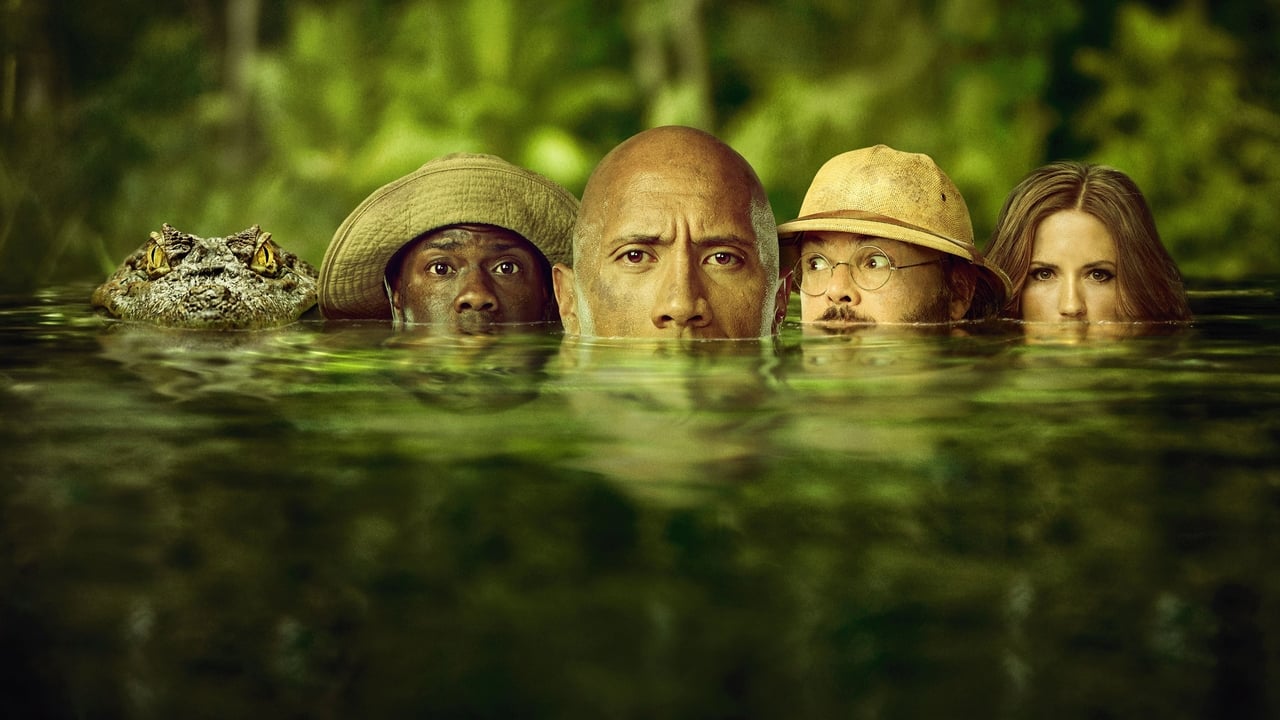
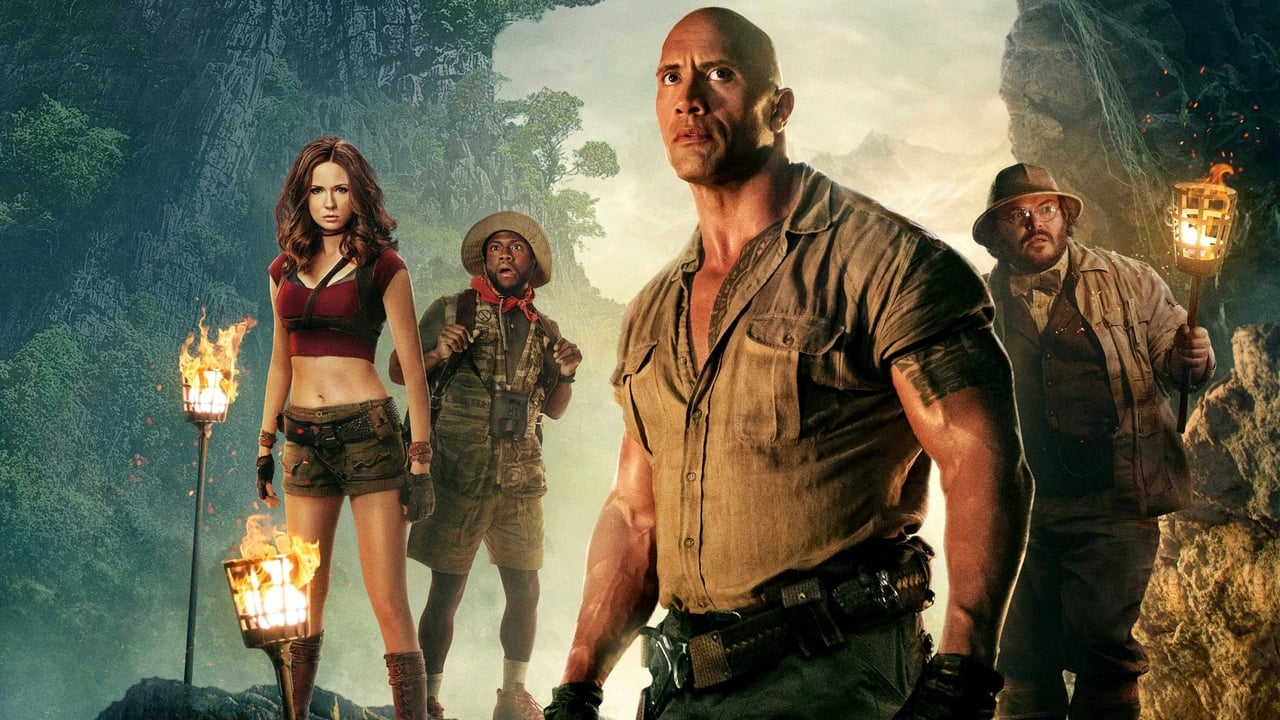
The secret sauce here isn't the CGI rhinos; it’s the sheer commitment of the central quartet to the bit. The premise is The Breakfast Club meets Tomb Raider: four high school archetypes get sucked into the game and transformed into avatars that are the polar opposites of their real-world identities.
Dwayne "The Rock" Johnson plays Dr. Smolder Bravestone, but he’s actually Spencer, a neurotic, allergy-prone nerd. Watching the world’s biggest action star try to navigate "smoldering intensity" while internally screaming like a frightened teenager is the most vulnerable and hilarious work Johnson has ever done. It’s a meta-commentary on his own brand that actually lands.
Then there’s Kevin Hart as Franklin "Mouse" Finbar. Usually, Hart is a high-energy firecracker, but here he’s the former high school jock trapped in a tiny body whose only specialized skill is "backpack carrier." The chemistry between Johnson and Hart is well-documented, but Kasdan harnesses it perfectly here, turning their real-life height difference into a recurring gag about character stats and exploding cake.
However, the film belongs to Jack Black. Playing Professor Sheldon Oberon—the avatar for Bethany, a self-absorbed, phone-obsessed popular girl—could have been a disaster of cheap stereotypes. Instead, Black plays it with a weirdly touching sincerity. Whether he’s teaching Karen Gillan’s character how to flirt or mourning the loss of his "phone-y phone," Jack Black deserves an Oscar for playing a 16-year-old girl named Bethany. He doesn't just play a caricature; he captures the specific vocal fry and existential dread of a teenager deprived of Instagram.
Leveling Up the Action
From a craft perspective, the film understands the language of video games better than almost any actual "video game movie." It uses tropes—NPCs (Non-Player Characters) like Rhys Darby’s Nigel who repeat the same three lines of dialogue, cutscenes that explain the lore, and the "three lives" mechanic—to create genuine stakes. When a character loses a life, they fall from the sky and respawn, a visual gag that never gets old but also serves to remind us that their mortality is literal and ticking down.
The action choreography is surprisingly crisp for a comedy. Karen Gillan as Ruby Roundhouse gets a standout sequence involving "dance fighting" to Big Mountain’s "Baby, I Love Your Way." It’s a clever jab at the absurdity of female character designs in games—bare midriffs in a jungle and nonsensical combat styles—while still letting Gillan look like an absolute powerhouse. The film leans into its $90 million budget, utilizing the lush landscapes of Oahu, Hawaii (the same stomping grounds as Jurassic Park) to give the world a sense of scale that CGI green screens usually flatten.
The $995 Million Sleeper Hit
In an era dominated by the MCU and Star Wars, the financial trajectory of Welcome to the Jungle was nothing short of miraculous. It opened against The Last Jedi and, instead of being crushed, it showed incredible "legs," eventually raking in over $995 million worldwide. It became Sony’s highest-grossing domestic film at the time, proving that audiences were hungry for high-concept, standalone fun that didn't require ten movies of homework to understand.
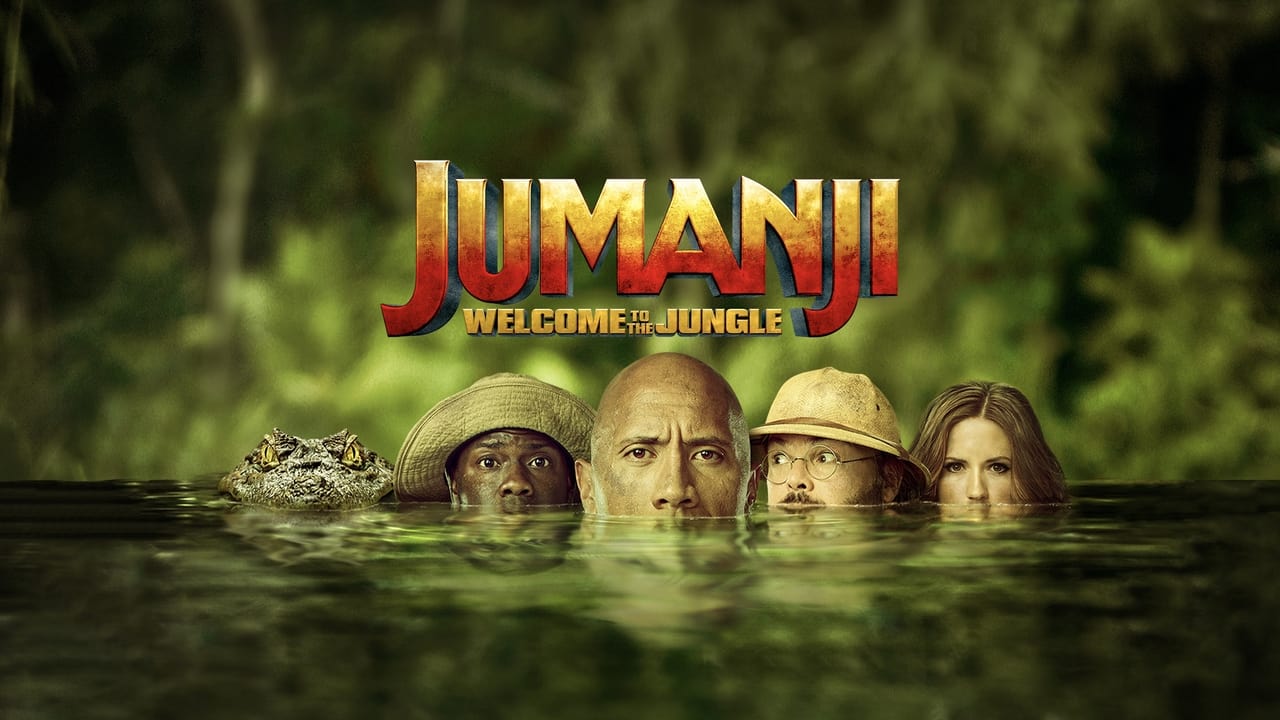
The film handles the legacy of the 1995 original with surprising grace. There’s a moment involving a treehouse built by Alan Parrish (the character played by Robin Williams) that provides a quiet, respectful bridge between the two eras. It acknowledges the past without being tethered to it.
If there’s a weak link, it’s Bobby Cannavale’s Van Pelt. He’s a standard-issue, "insect-controlling" villain who exists mostly to give the heroes something to run away from. He lacks the menacing, reality-bending whimsy of the original’s hunter, but in a movie focused so heavily on the internal growth of its four leads, a cardboard-cutout villain is a forgivable sin.
Jumanji: Welcome to the Jungle is the rare blockbuster that actually feels like it was made by people who like movies. It doesn't coast on brand recognition; it builds a better mouse trap. It’s a riotous, heart-on-its-sleeve adventure that turns "The Rock" into a coward and a middle-aged man into a teenage girl, and somehow, it’s the most logical thing you’ll see all year. If you’re looking for a film that earns every minute of its runtime with a grin, this is the one to plug in and play.
Keep Exploring...
-
Jumanji: The Next Level
2019
-
Jungle Cruise
2021
-
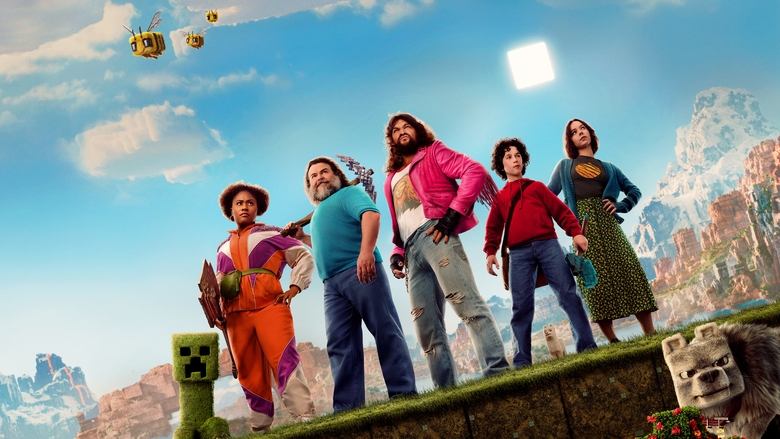
A Minecraft Movie
2025
-
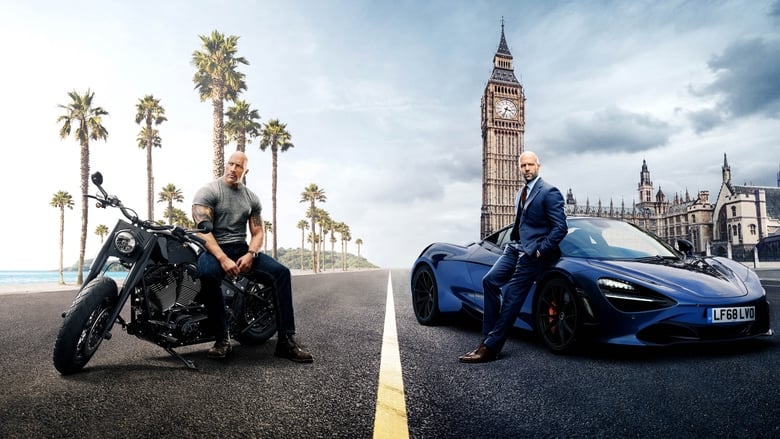
Fast & Furious Presents: Hobbs & Shaw
2019
-
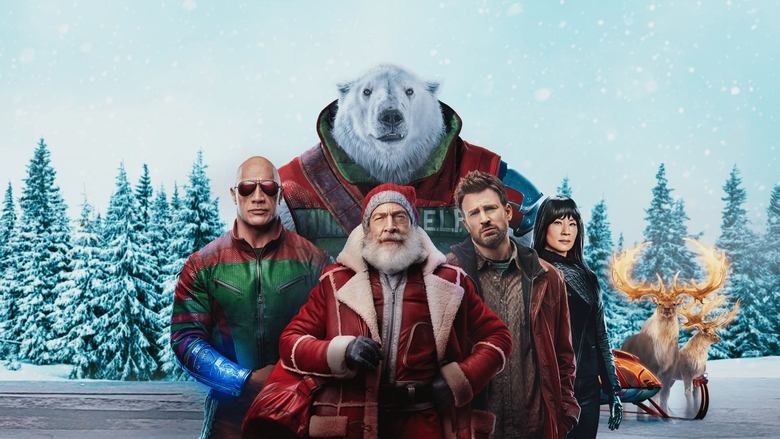
Red One
2024
-
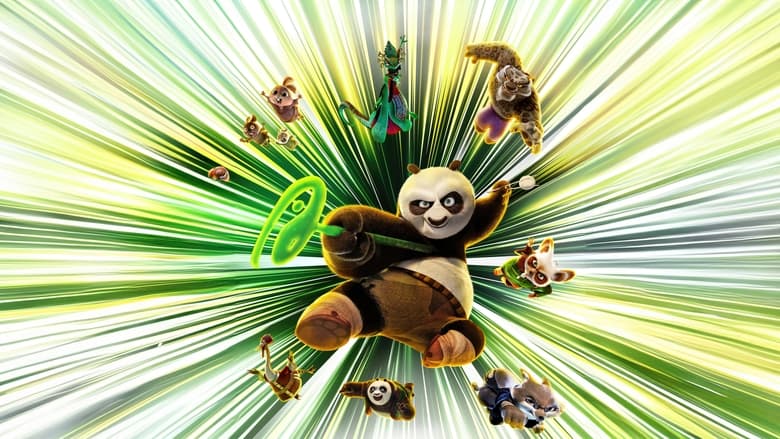
Kung Fu Panda 4
2024
-
Central Intelligence
2016
-
Justice League vs. Teen Titans
2016
-
The SpongeBob Movie: Sponge Out of Water
2015
-
Deadpool
2016
-
Kung Fu Panda 3
2016
-
Despicable Me 3
2017
-
Kingsman: The Golden Circle
2017
-
Thor: Ragnarok
2017
-
Deadpool 2
2018
-
Frozen II
2019
-
Shazam!
2019
-
The Croods: A New Age
2020
-

Minions: The Rise of Gru
2022
-

Sonic the Hedgehog 2
2022