Justice League
"Six heroes, two directors, one very expensive mustache."
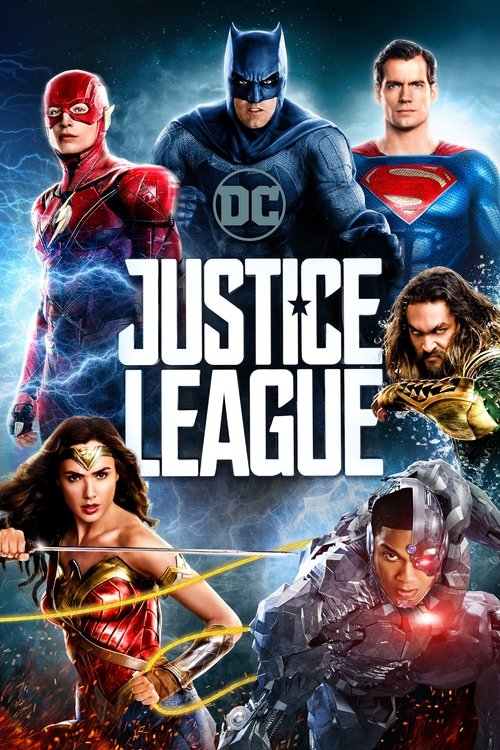
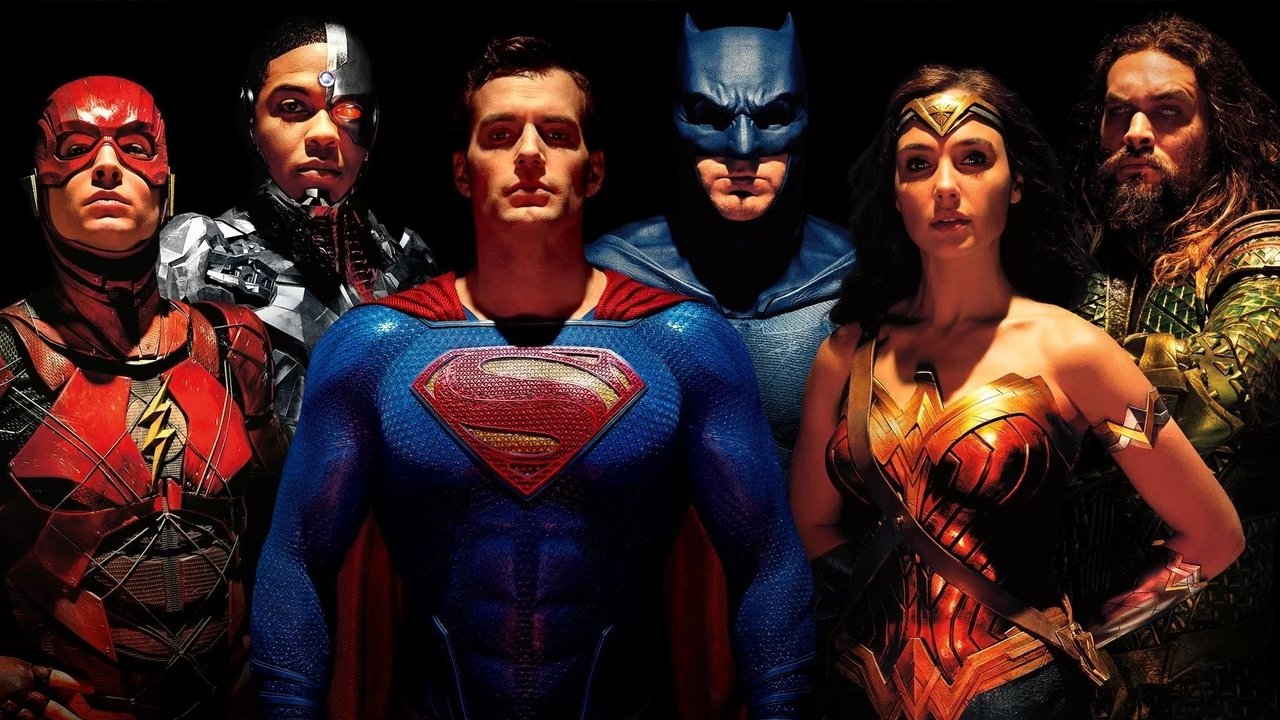
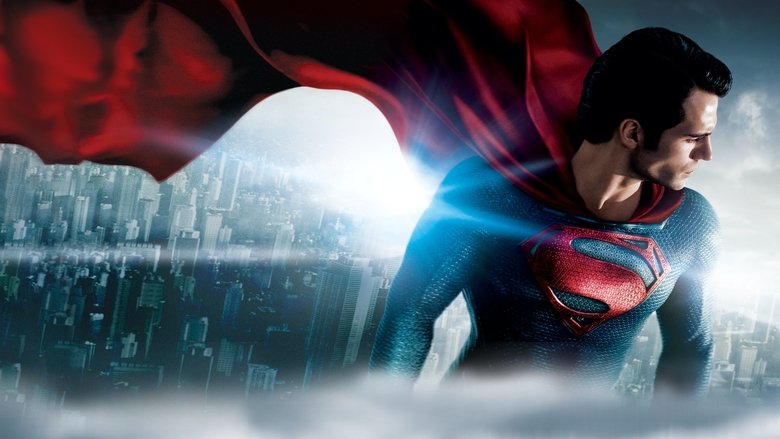
There is a specific, haunting quality to the uncanny valley, and it usually involves digital ghosts or de-aged legends. But in the 2017 theatrical cut of Justice League, the horror is localized entirely within Henry Cavill’s upper lip. Watching Superman—the literal symbol of hope—speak through a blurry, CGI-reconstructed mouth because he was contractually obligated to keep a mustache for a Mission: Impossible sequel is the perfect metaphor for this film. It is a work of art at war with its own face.
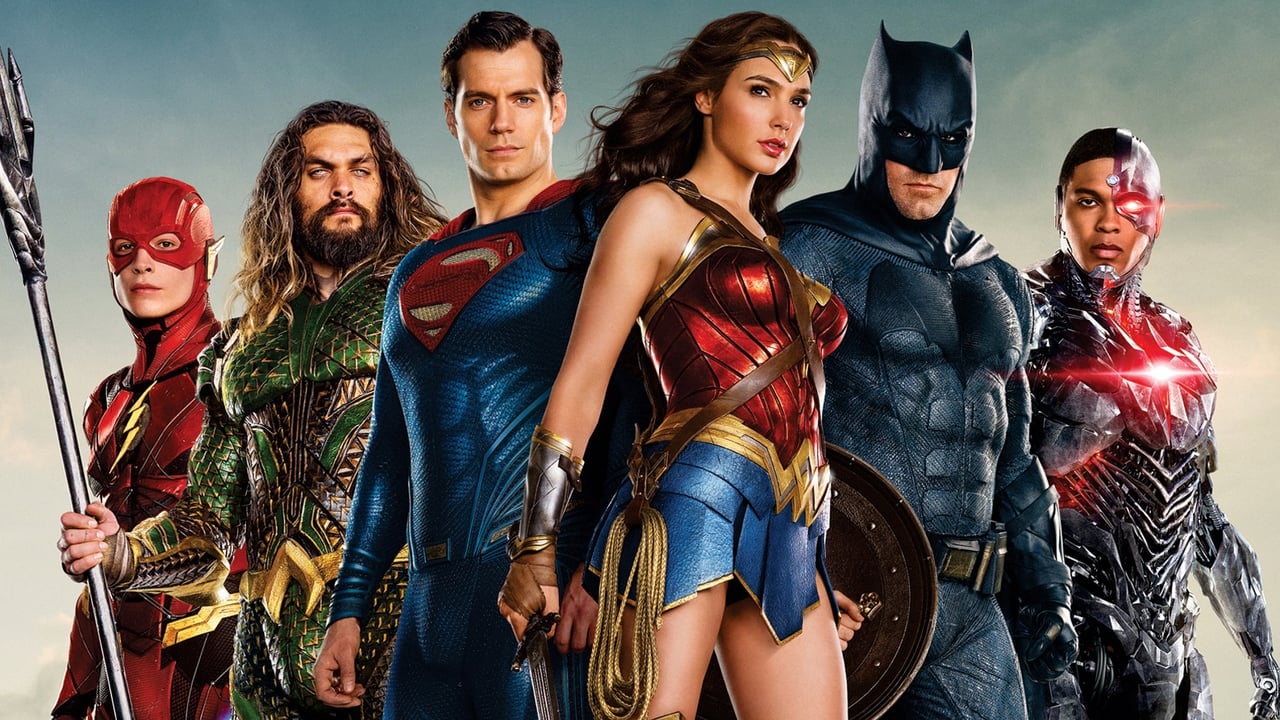
I’ll never forget the first time I sat through this; I was actually nursing a mild concussion from a clumsy rec-league soccer header, and for the first forty minutes, I genuinely wasn’t sure if the movie’s jagged tonal shifts were the film's fault or my brain leaking. It turns out, it was the film. Justice League (2017) isn't just a movie; it’s a forensic crime scene where you can see exactly where Zack Snyder’s operatic, deconstructed gloom was surgically removed and replaced with Joss Whedon’s quippy, neon-lit sitcom energy.
A Frankenstein of Franchises
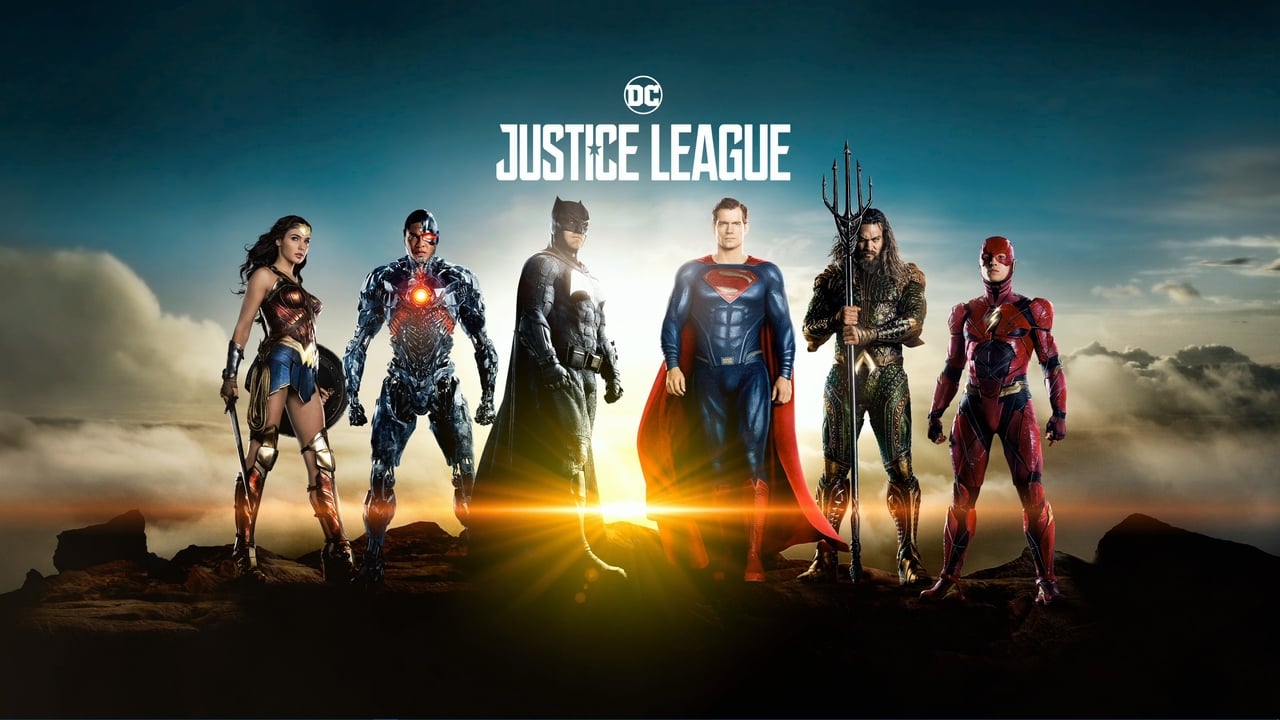
The DNA of this film is a mess. Following the polarizing reception of Batman v Superman: Dawn of Justice, the studio was desperate to "lighten up," and the result is a movie that feels like a group project where the kid who did none of the work was put in charge of the final presentation. One minute, Ben Affleck’s Bruce Wayne is brooding in the shadows of a beautiful, grainy Icelandic village; the next, he’s making a joke about his "thirst" that feels like it was focus-grouped by a board of directors who have only ever seen a human smile in a brochure.
Ben Affleck looks tired here, and not just "Batman-tired," but "I-signed-up-for-a-noir-trilogy-and-now-I’m-doing-bits" tired. Contrast this with Gal Gadot, who remains the absolute MVP. Coming off the massive success of Wonder Woman, she carries the film’s earnestness on her back. When she’s leading the charge, the movie almost convinces you it has a soul. Then, Ezra Miller’s Barry Allen slides across the floor in a bit of physical comedy that feels like it belongs in a different zip code, and the illusion shatters.
The Physics of the Punch
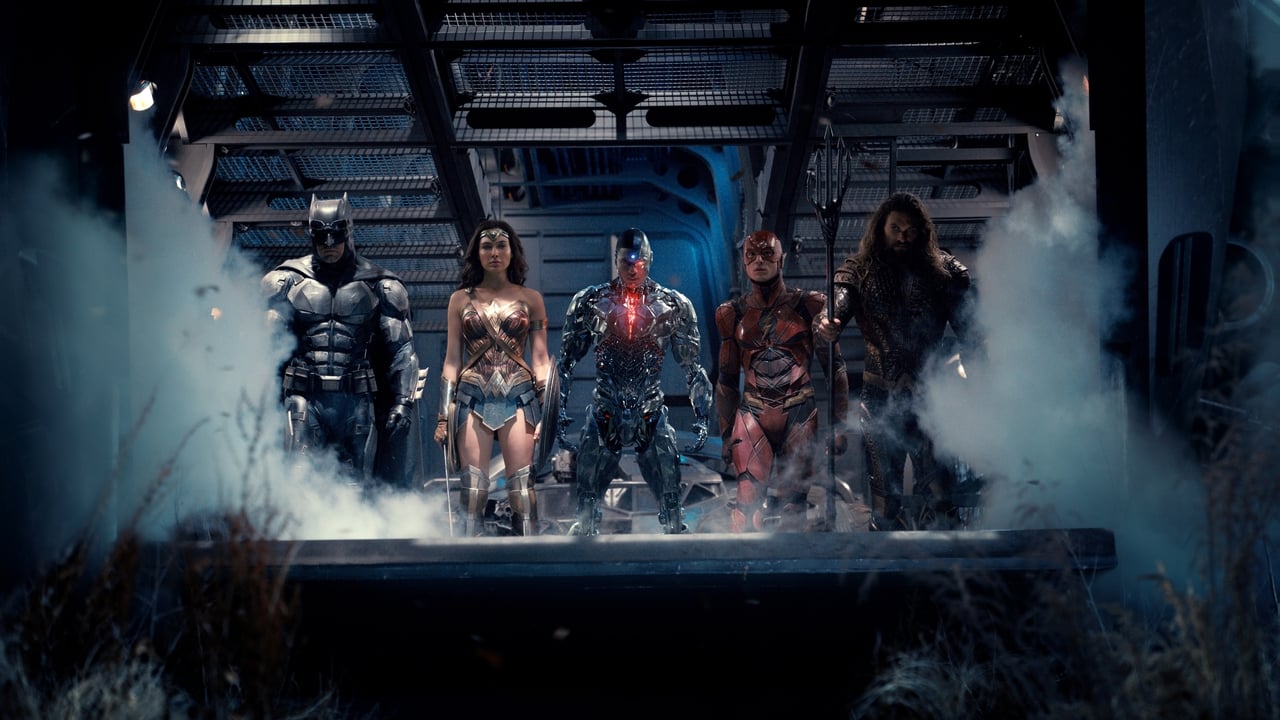
From an action standpoint, the 2017 cut is a fascinating study in "compromise choreography." The opening sequence with the Amazons defending a Mother Box from Steppenwolf is genuinely thrilling—a masterclass in verticality and stunt coordination. You can feel the weight of the horses and the impact of the arrows. It’s pure Zack Snyder (and his stunt team, led by Eunice Huthart and Damon Caro), emphasizing the mythic power of these warriors.
But as the movie progresses, the action loses its center of gravity. The final battle in a nameless, deserted Russian town is swamped in a hideous orange-red sky that screams "we ran out of time in the VFX suite." The fights become weightless. Jason Momoa’s Arthur Curry (Aquaman) is reduced to "whooping" while flying through the air, and Ray Fisher’s Victor Stone (Cyborg)—who was supposed to be the emotional heart of the story—is buried under some of the clunkiest CGI armor of the decade. The choreography loses the "crunch" of the earlier DC films, trading impact for speed and quips. It’s action as a placeholder rather than a narrative tool.
The Cult of the "Snyder Cut"
What makes Justice League truly significant in our current era isn't the movie itself, but the unprecedented digital uprising it sparked. This film is the poster child for "The Theatrical Version is a Lie." Because the production was so fraught—Snyder leaving due to a personal tragedy and Whedon rewriting roughly 80 pages of the script—the fans turned the "Snyder Cut" into a holy grail.
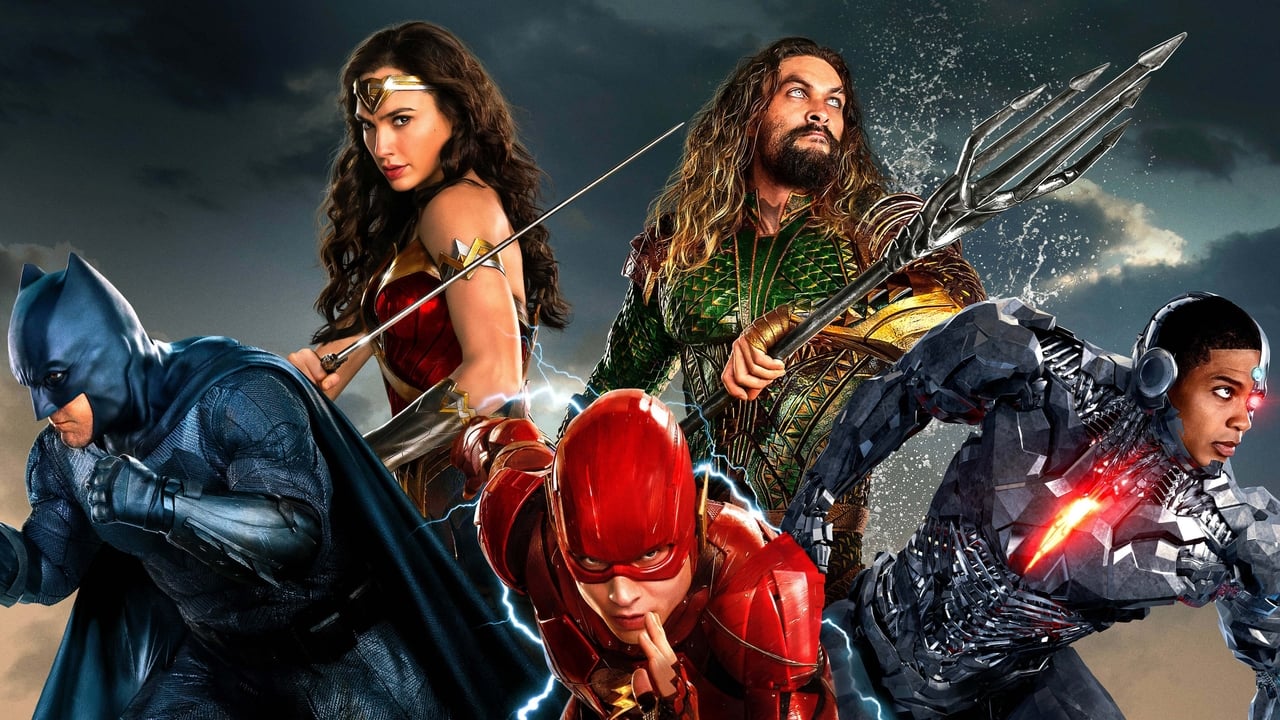
It’s a bizarre cultural artifact now. We live in a world where the "real" version eventually came out on HBO Max in 2021, making this 120-minute theatrical cut feel like a weird, alternate-reality fever dream. It’s a movie that barely exists anymore in the hearts of fans, yet it remains this fascinating monument to studio panic. Behind the scenes, the drama was even more intense, with Ray Fisher later speaking out about the "gross, abusive" environment during reshoots, a moment that became a lightning rod for the #MeToo era’s expansion into general workplace accountability in Hollywood.
Ultimately, watching Justice League (2017) today is like looking at a map of a city that was never built. You can see the foundations of something epic, but the storefronts are all wrong and the roads lead to nowhere. There are flashes of chemistry—Jason Momoa and Ben Affleck have a rugged, "dads at a BBQ" rapport that almost works—but it’s all drowned out by the sound of a studio trying to fix a watch with a sledgehammer. It’s a fast-paced, occasionally fun, but fundamentally hollow experience that proved you really can't save the world alone—especially when your directors aren't on the same page.
Keep Exploring...
-
Batman v Superman: Dawn of Justice
2016
-
Zack Snyder's Justice League
2021
-

Rebel Moon - Part One: A Child of Fire
2023
-
Star Wars: The Rise of Skywalker
2019
-
Rebel Moon - Part Two: The Scargiver
2024
-
Man of Steel
2013
-
Terminator Genisys
2015
-
Transformers: The Last Knight
2017
-
Pacific Rim: Uprising
2018
-

Dark Phoenix
2019
-
Gemini Man
2019
-
Men in Black: International
2019
-
Terminator: Dark Fate
2019
-
Eternals
2021
-
Black Adam
2022
-
Jurassic World Dominion
2022
-
Moonfall
2022
-
Allegiant
2016
-
The 5th Wave
2016
-
Valerian and the City of a Thousand Planets
2017