Justice League Dark
"Magic is a messy business, and Batman’s out of his depth."
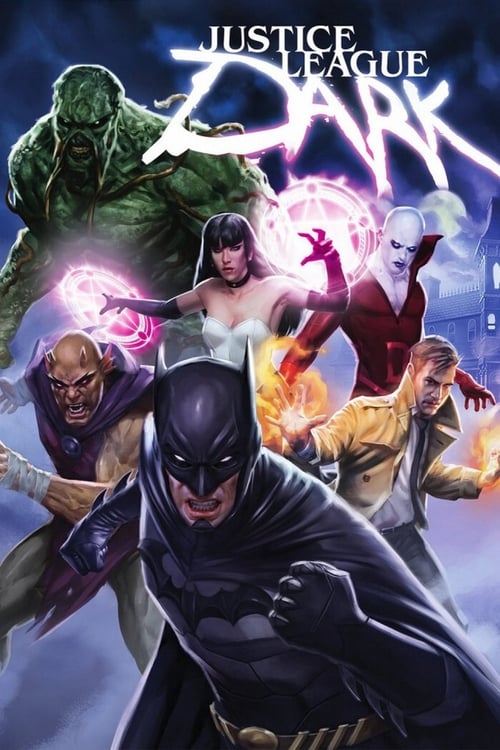
I’ve always found it hilarious when Batman is forced to hang out with the "weirdos" of the DC Universe. You have the world’s greatest detective—a man who believes in logic, forensic evidence, and punching criminals until they stop breathing—standing in a room while a man in a trench coat performs an exorcism with a cigarette dangling from his lip. I watched Justice League Dark on a rainy Tuesday while trying to assemble a particularly spiteful IKEA bookshelf, and honestly, the demons on screen were significantly less frustrating than the leftover wooden dowels I couldn't find a home for.
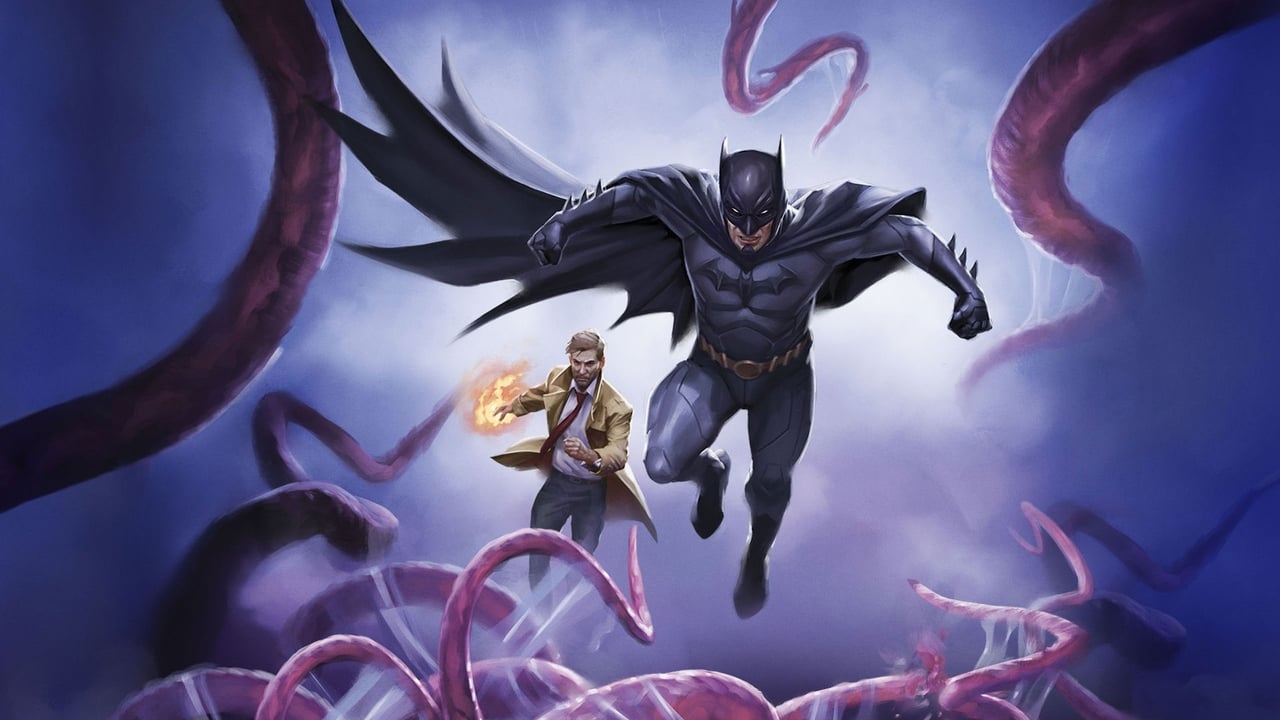
Released in 2017, this animated feature arrived during that peak era of "shared universe fever." While the live-action DC Extended Universe was busy tripping over its own cape with Batman v Superman, the animation department was quietly building a cohesive, gritty, and surprisingly bold world known as the DCAMU. Justice League Dark is a standout from this period because it refuses to play by the standard "laser-beams-from-the-sky" rules.
Magic, Mayhem, and Mismatched Heroes
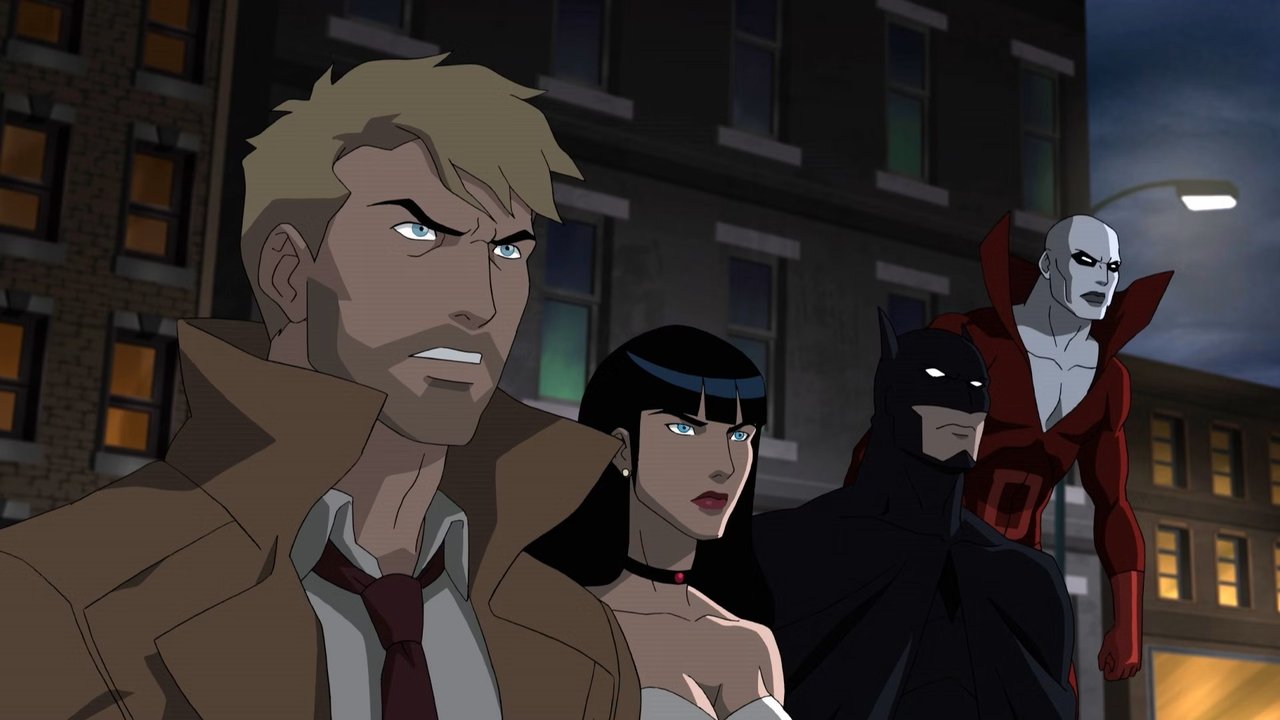
The plot kicks off with a wave of "demon hallucinations" causing normal citizens to commit horrific crimes. When the traditional Justice League realizes they can't punch a curse into submission, Batman (Jason O'Mara, who voiced the Bat across this entire era with a reliable, gravelly stoicism) goes looking for John Constantine.
The casting of Matt Ryan as Constantine remains one of the greatest "wins" in comic book history. After his live-action NBC show was prematurely axed, the fans essentially bullied the universe into keeping him in the role through animation and later Legends of Tomorrow. He owns this character. Ryan brings a weary, cynical charm to the screen that makes you believe he’s actually spent a decade gambling with soul-eating deities in the backrooms of London pubs.
What really makes the film pop, though, is the supporting cast. Camilla Luddington (the voice of Lara Croft in the recent Tomb Raider games) provides a soulful Zatanna, and Nicholas Turturro steals every scene he’s in as Deadman. Deadman is essentially the "Subjective Irrelevance" of the superhero world—a ghost in a circus outfit who just wants a little respect. His banter with the team keeps the movie from sinking too deep into its own "dark and edgy" aspirations.
Action Without the Punching Bags
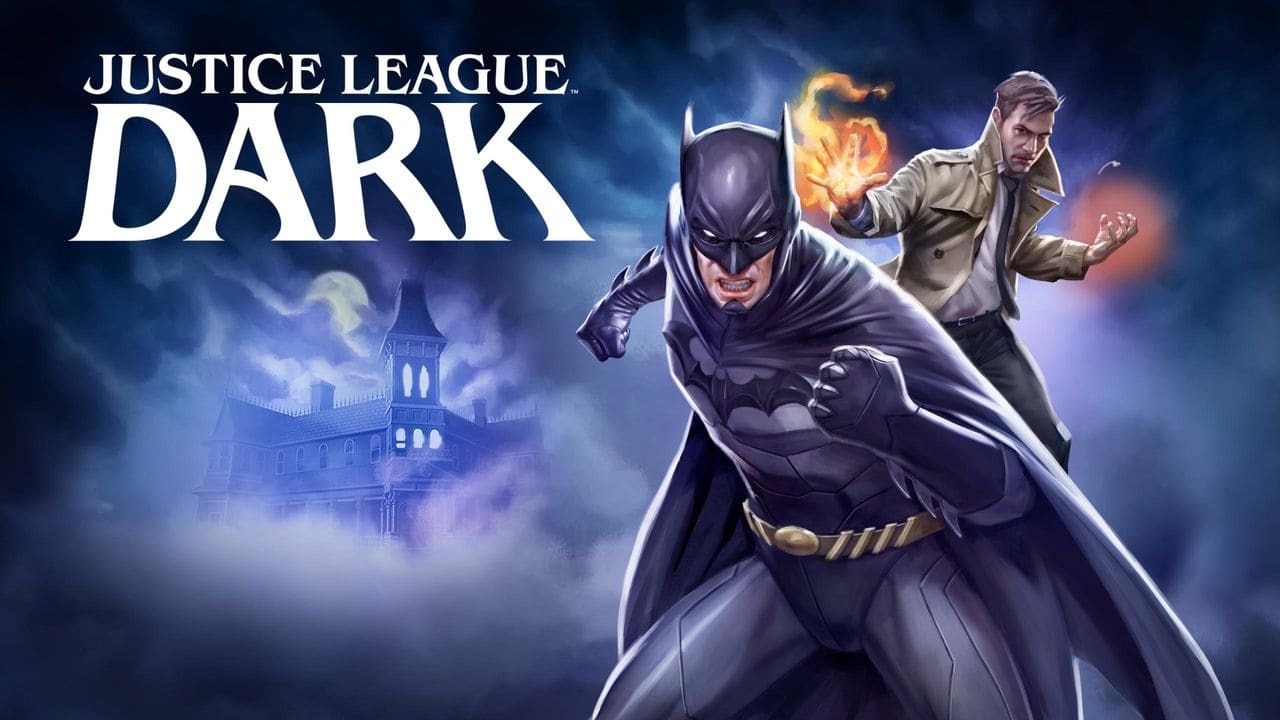
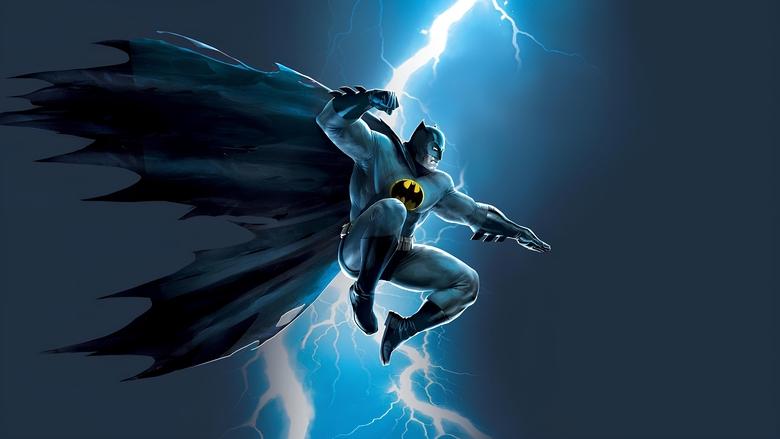
Directed by Jay Oliva—the man responsible for the legendary The Dark Knight Returns two-parter—the action here is wonderfully creative. In an era where superhero fights often devolve into gray CGI blobs hitting each other in a parking lot, Justice League Dark uses magic to create genuine visual flair.
The choreography isn't about physics; it's about escalation. Spells manifest as intricate geometric sigils, and the "final boss" fight feels more like a dark fantasy epic than a Saturday morning cartoon. The pacing is breathless, clocking in at a lean 76 minutes. It moves with a frantic energy that mirrors a high-stakes poker game where the players keep raising the stakes with cursed artifacts and ancient grudges.
I’ve always maintained that DC’s animated movies are the only place where the characters actually feel like they’re in danger. Because this was a direct-to-video release (or a "streaming original" in today’s parlance), it didn't have to worry about the PG-13 constraints of a massive theatrical blockbuster. There is a weight to the violence and a genuine creep factor to the body horror that makes the stakes feel real.
The Del Toro Shadow and The Streaming Shift
For the trivia hunters out there, it’s worth noting that Justice League Dark almost looked very different. For years, Guillermo del Toro (the maestro behind Pan’s Labyrinth and The Shape of Water) was attached to a live-action version of this team titled Dark Universe. When that project stalled in development hell—a place Constantine knows well—this animated feature became the primary way for audiences to see these characters interact.
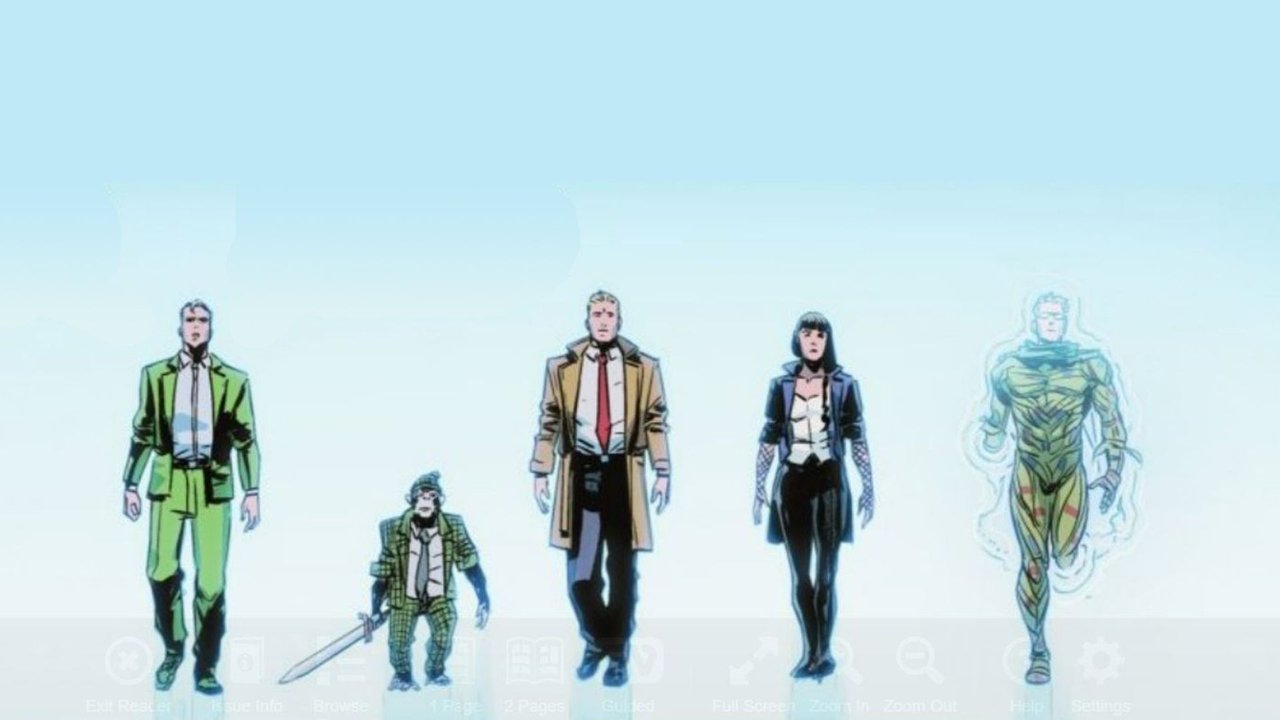
It’s a fascinating snapshot of how studios began using animation to test the waters for niche IP. At the time, "franchise fatigue" was a whisper; now, it’s a roar. Looking back, Justice League Dark feels like a blueprint for how to do a "B-team" movie right: don't over-explain the lore, focus on the chemistry between the outcasts, and make sure the magic actually looks like it costs the user something.
The film also features a brief but great appearance by Rosario Dawson as Wonder Woman and Jerry O'Connell as Superman, reminding us that even the "gods" of this world are terrified of things that go bump in the night. It’s a tight, focused adventure that manages to bridge the gap between superheroics and horror without losing its identity.
Ultimately, Justice League Dark is a reminder of a time when DC was taking interesting, weird risks with their secondary characters. It’s not a life-changing masterpiece, but it’s a damn good way to spend an hour. If you’re tired of the same old "hero saves the city" tropes, let Matt Ryan pour you a metaphorical drink and show you the grime underneath the Justice League’s fingernails. It’s snappy, spooky, and significantly easier to enjoy than an IKEA bookshelf.
Keep Exploring...
-
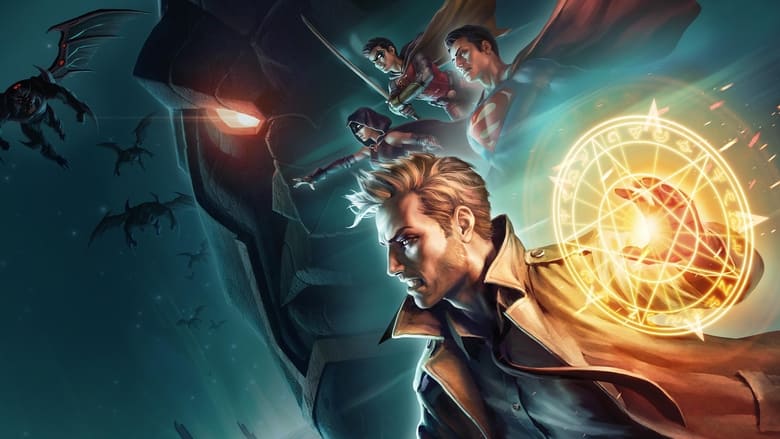
Justice League Dark: Apokolips War
2020
-
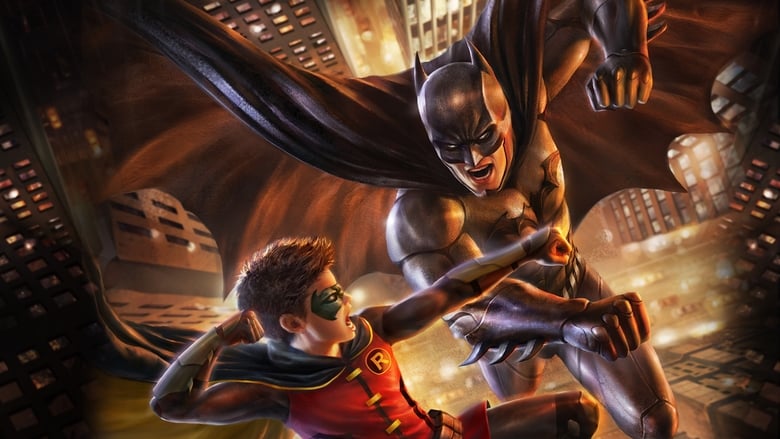
Batman vs. Robin
2015
-
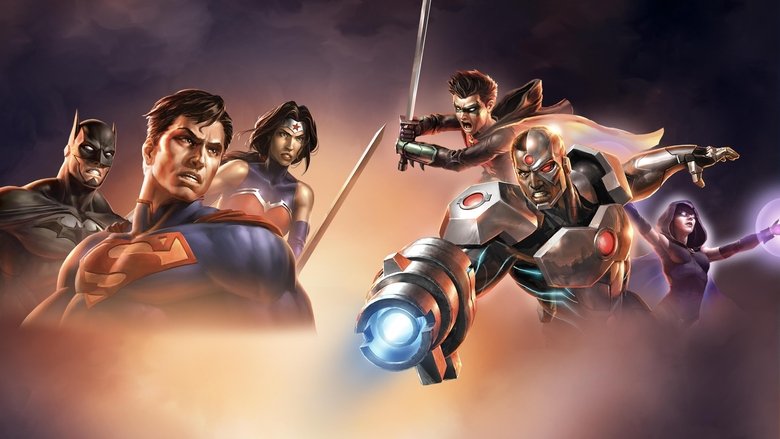
Justice League vs. Teen Titans
2016
-
Batman: Bad Blood
2016
-
Justice League: The Flashpoint Paradox
2013
-

Justice League: Throne of Atlantis
2015
-
The Sea Beast
2022
-
Boruto: Naruto the Movie
2015
-
The Boy and the Beast
2015
-
Resident Evil: Vendetta
2017
-

My Hero Academia: Two Heroes
2018
-
The Seven Deadly Sins: Prisoners of the Sky
2018
-
My Hero Academia: Heroes Rising
2019
-
One Piece Film Red
2022
-
Nimona
2023
-
Batman: The Dark Knight Returns, Part 1
2012
-

Batman: The Dark Knight Returns, Part 2
2013
-
X-Men: Apocalypse
2016
-
Raya and the Last Dragon
2021
-

Minions: The Rise of Gru
2022