King Arthur: Legend of the Sword
"Excalibur gets a Cockney makeover."
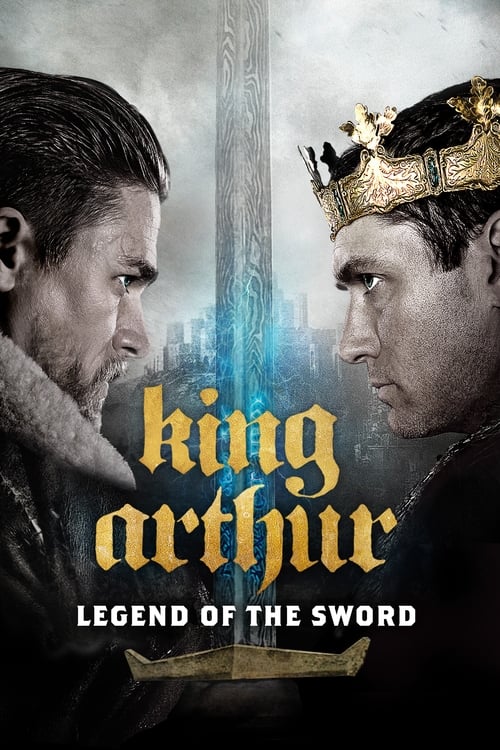
I remember watching King Arthur: Legend of the Sword for the first time while trying to fix a leaky faucet with a pair of pliers that were definitely not meant for plumbing. My kitchen was a mess, I was frustrated, and somehow the chaotic, high-speed energy of Guy Ritchie’s attempt at a medieval epic matched my mood perfectly. This isn't your grandfather’s Arthurian legend. There are no shimmering lakes or poetic soliloquies about the divine right of kings here. Instead, we get a movie that feels like someone dropped a tab of acid into the script for Lock, Stock and Two Smoking Barrels while a medieval historian screamed in the background.

Released in 2017, this film was the ultimate victim of the "Cinematic Universe" fever that gripped every studio post-Marvel. Warner Bros. didn’t just want a movie; they wanted a six-film franchise. When this one tanked at the box office—losing nearly $150 million—those dreams evaporated faster than Merlin in a fog bank. But looking back at it now, away from the stench of financial failure, there’s something genuinely ballsy about what Guy Ritchie (the man who gave us the gritty Sherlock Holmes) tried to do.
The Sword in the Street
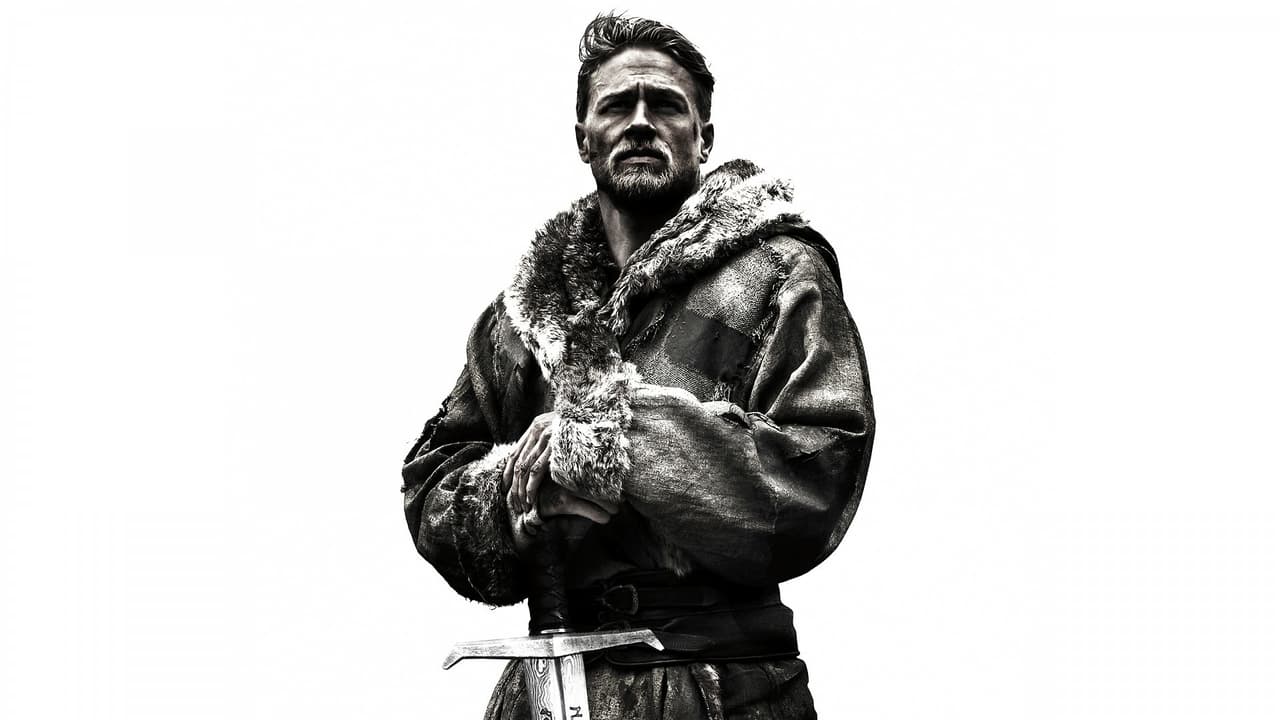
The film starts with massive, skyscraper-sized elephants knocking down castles, but it quickly pivots to what Ritchie does best: fast-talking criminals in dirty alleys. Charlie Hunnam, fresh off Sons of Anarchy, plays Arthur not as a noble knight, but as a street-smart hustler running a brothel in Londinium. He’s got the haircut of a modern-day Shoreditch barista and the swagger of a middleweight boxer.
The highlight of the entire movie for me is the "growing up" montage. Most directors would give us twenty minutes of a kid training with a wooden sword. Ritchie gives us three minutes of rapid-fire cuts, heavy percussion, and Arthur getting punched in the face until he’s a grown man. It’s snappy, it’s funny, and it completely ignores the self-serious "chosen one" tropes that usually make these movies a slog. Hunnam is surprisingly charismatic here; he plays Arthur with a weary "I didn’t ask for this" attitude that feels very grounded in our current era of reluctant heroes.
Scenery Chewing and Magic Swords
Every great hero needs a villain who looks like they’re having the time of their life, and Jude Law delivers exactly that as Vortigern. Law, who worked with Ritchie on the Sherlock films, plays the usurper king with a cold, fashion-forward menace. He wears leather coats that look like they were stolen from a Rick Owens runway and spends his time sacrificing family members to a giant octopus-lady in a basement. It’s wonderfully over-the-top.
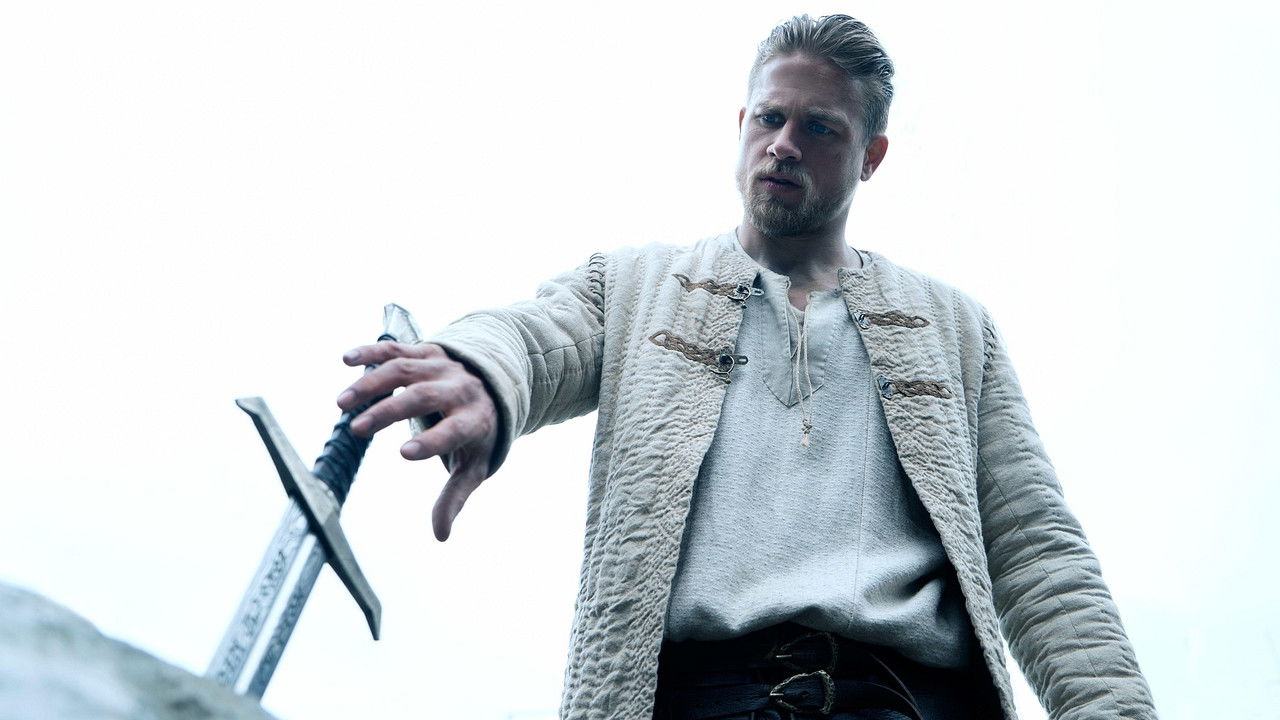
When Arthur finally pulls Excalibur from the stone, the movie shifts gears into a full-blown fantasy music video. The sword doesn't just cut people; it slows down time and turns Arthur into a one-man army. The visual effects in these sequences feel more like a video game than a traditional film—specifically the "God of War" style of hyper-realized violence. It’s essentially a two-hour music video for a band that only plays lutes and drum machines. Speaking of which, the score by Daniel Pemberton is an absolute banger. It uses heavy breathing, gravelly vocals, and frantic strings that make you feel like you’re being chased through an alleyway.
Why This Flop Became a Cult Favorite
So, why did people hate this? At the time, critics were exhausted by franchise-building. The film is undeniably messy; the "Mage" played by Àstrid Bergès-Frisbey is a thinly veiled stand-in for Guinevere because the producers were trying to "subvert expectations," and the plot often gets lost in the frantic editing. There’s a cameo by David Beckham as a scarred soldier that was mocked relentlessly on social media—though, to be fair, he’s perfectly fine as a bit of stunt casting.
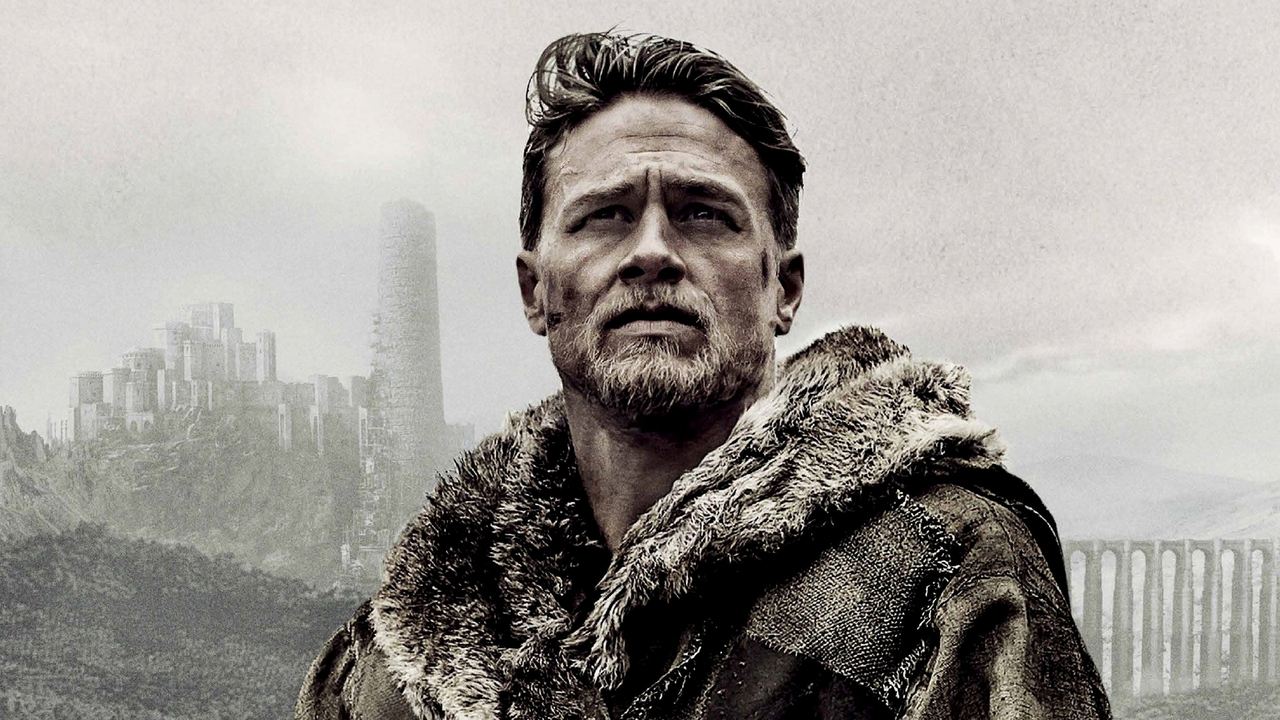
But the reason I find myself coming back to it is that it has a pulse. In an era where many big-budget blockbusters feel like they were directed by a corporate committee, Legend of the Sword feels like it was directed by a guy who really likes tracksuits and heist movies. It’s weird, it’s loud, and it doesn't care if you like it.
The trivia behind the scenes is just as chaotic as the film. Apparently, Charlie Hunnam was so determined to get the role that he told Ritchie he’d fight the other actors (including Henry Cavill) for it. Ritchie also reportedly had a three-hour cut of the film that was even more experimental before the studio stepped in to trim it down. You can see the scars of that editing process everywhere—supporting characters like Djimon Hounsou’s Bedivere or Aidan Gillen’s "Goosefat Bill" feel like they had entire subplots removed. Yet, the remnants are fascinating. It’s a "cult classic" in the making because it’s a high-concept disaster that never stops trying to entertain you.
If you’re looking for a historically accurate portrayal of the 5th century, you are in the wrong place. But if you want to see a guy in a sheepskin coat use a magic sword to beat up a demon knight while the soundtrack breathes heavily in your ear, this is a blast. It’s a reminder of a moment when studios were still willing to give massive budgets to directors with eccentric styles, even if the result was a beautiful, disjointed mess. Put it on a big screen, turn the volume up, and enjoy the Cockney carnage.

Keep Exploring...
-

The Man from U.N.C.L.E.
2015
-
Aladdin
2019
-

The Legend of Tarzan
2016
-
Wrath of Man
2021
-
Operation Fortune: Ruse de Guerre
2023
-
The Ministry of Ungentlemanly Warfare
2024
-
Batman vs. Robin
2015
-
Justice League vs. Teen Titans
2016
-

Guy Ritchie's The Covenant
2023
-

In the Heart of the Sea
2015
-
Pixels
2015
-
The Last Witch Hunter
2015
-
13 Hours: The Secret Soldiers of Benghazi
2016
-

Deepwater Horizon
2016
-

Jack Reacher: Never Go Back
2016
-
Miss Peregrine's Home for Peculiar Children
2016
-
The Great Wall
2016
-

The Huntsman: Winter's War
2016
-
Warcraft
2016
-
American Made
2017