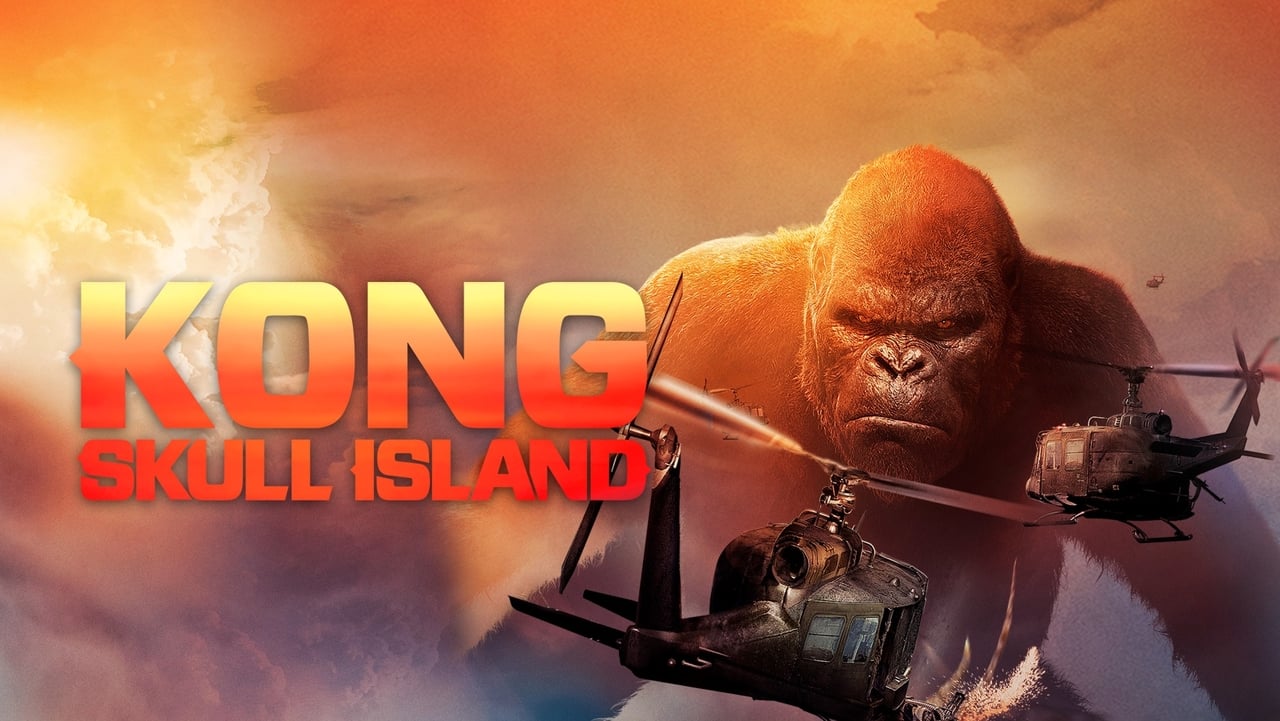
Kong: Skull Island
"Rock and roll, napalm, and a very angry ape."
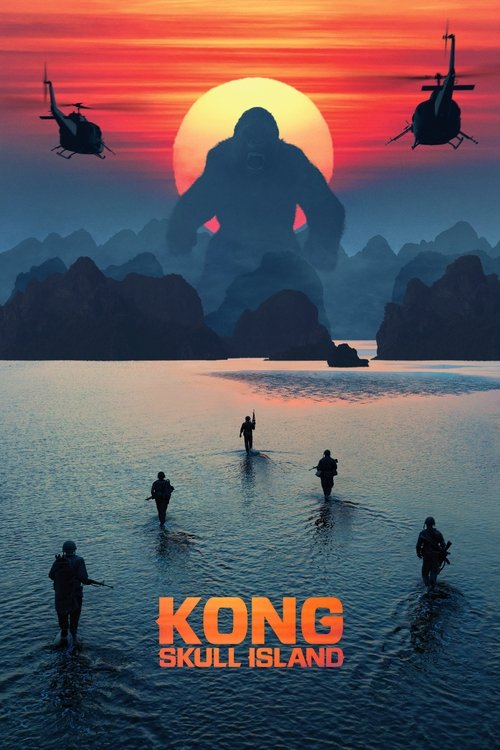
If you drop a needle on a Creedence Clearwater Revival record while a squadron of Hueys flies into a storm front, you usually know exactly what kind of movie you’re in for. But Jordan Vogt-Roberts didn’t just want to make another Vietnam War fever dream; he wanted to see what happens when those helicopters get swatted out of the sky by a five-hundred-ton primate with a grudge. Kong: Skull Island (2017) is a loud, neon-soaked, and aggressively fun correction to the idea that monster movies need to be dour, rainy affairs where you barely see the creature until the third act.
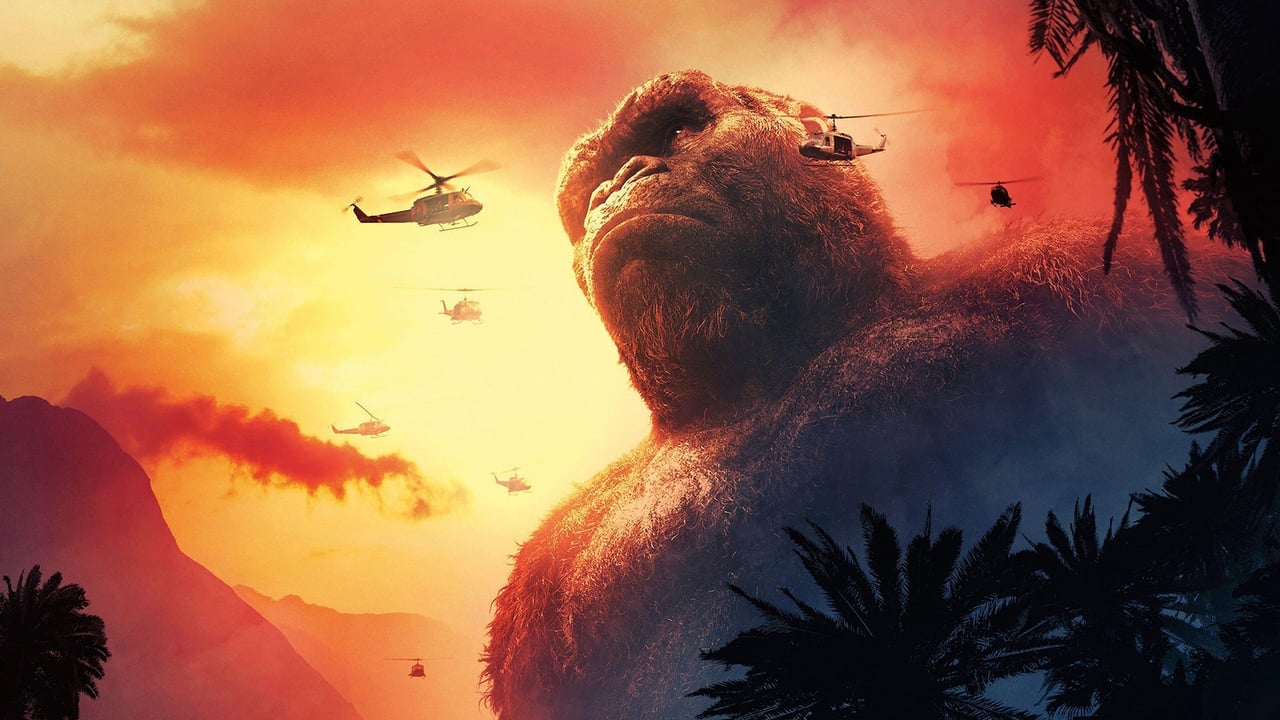
I watched this on a screen so big I actually got a mild case of motion sickness during the "Boneyard" sequence, which I treated by eating an entire bag of slightly stale pretzel M&Ms. It turns out that a sugar rush is the perfect physiological accompaniment to a film that moves with the frantic energy of a teenager who just discovered slow-motion editing and a massive pyrotechnics budget.
Monsters in the Technicolor Sun
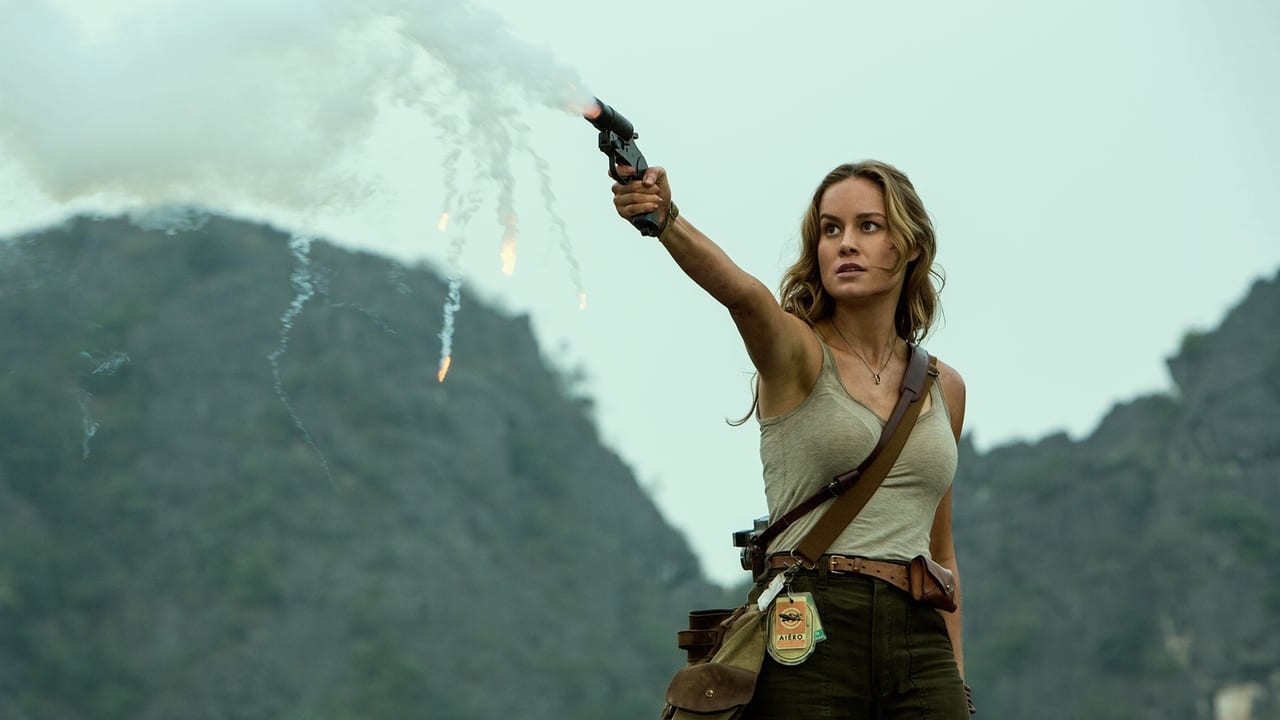
In an era where "gritty realism" often means "I can't see anything because the lighting budget was five dollars," Larry Fong (the cinematographer behind the hyper-stylized 300 and Watchmen) delivers a visual feast. This isn't the muddy, desaturated New York of Peter Jackson’s 2005 epic. This is an island of saturated oranges, deep jungle greens, and blood-red sunsets. The film looks like a series of Mondo posters come to life.
The action choreography is where the film really earns its keep. Most modern blockbusters suffer from "weightless CGI syndrome," where giant monsters feel like they’re made of pixels and air. Here, when Kong slams a tree trunk into a "Skullcrawler," you feel the displacement of air. The scale is handled beautifully—Vogt-Roberts often keeps the camera at human eye level, making the monsters feel genuinely towering rather than just "big on screen." The initial helicopter attack is a masterclass in chaotic geography; it’s basically the "Ride of the Valkyries" sequence if the Valkyries were being punched into the dirt.
A Cast Doing the Most (and Least)
The human ensemble is an odd collection of talent that highlights the "franchise-first" mentality of the late 2010s. You have Tom Hiddleston (Loki) playing a SAS tracker who looks like he wandered out of a Barbour catalog, and Brie Larson (Room) as a "photo-journalist" who mostly exists to look concerned through a Leica lens. They’re perfectly fine, but they’re clearly there to provide the "A-list" sheen required for a $185 million budget.
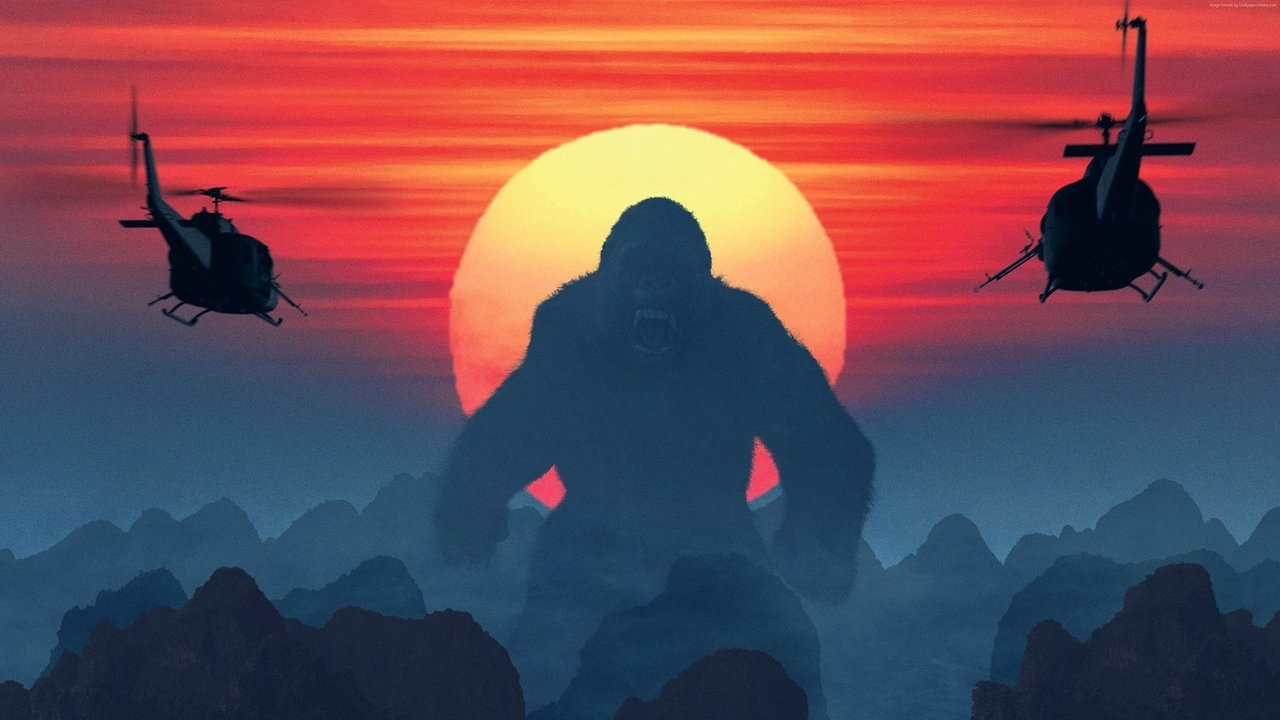
The real heavy lifting is done by the character actors. Samuel L. Jackson plays Lieutenant Colonel Preston Packard as a man who has lost his war and refuses to lose his pride. His staredown with Kong is the film's most iconic moment, turning the giant ape into a symbol of the "unwinnable" conflict. Then there’s John Goodman (The Big Lebowski), who brings a delightful, paranoid weight to the role of Bill Randa, the man who knows too much.
But the undisputed MVP is John C. Reilly as Hank Marlow, a WWII pilot who’s been stranded on the island for 28 years. He provides the soul that the movie desperately needs. While Hiddleston is busy looking handsome in tight shirts, Reilly is explaining the local ecosystem with the weary resignation of a man who has seen his best friend eaten by a giant bird. The film is about 40% better every time John C. Reilly is on screen talking to a katana.
Building a Better Beast
From a production standpoint, Kong: Skull Island was a massive gamble for Legendary Pictures. It was the second entry in their "MonsterVerse" (following 2014’s Godzilla), and it had to prove that audiences wanted a shared universe that wasn't centered on capes and cowls. To differentiate this Kong from his predecessors, the design team went back to the 1933 original—giving him a bipedal, upright gait rather than the silverback-gorilla movement of the 2005 version. This allowed Toby Kebbell (who also plays a major role as Jack Chapman) to provide the motion-capture performance with a more human, mythic quality.
Interestingly, this was the first major Hollywood production to film extensively in Vietnam. The landscapes of Ninh Bình and Ha Long Bay provide a primordial texture that a green screen simply can’t replicate. You can feel the humidity. You can see the real dust. This commitment to location shooting, combined with the 1970s period setting, gives the film a distinct identity in a crowded marketplace of interchangeable sequels. It’s a "legacy sequel" done right—it respects the history of the character while sprinting away from the familiar "Beauty and the Beast" tropes that have defined the franchise since the thirties.
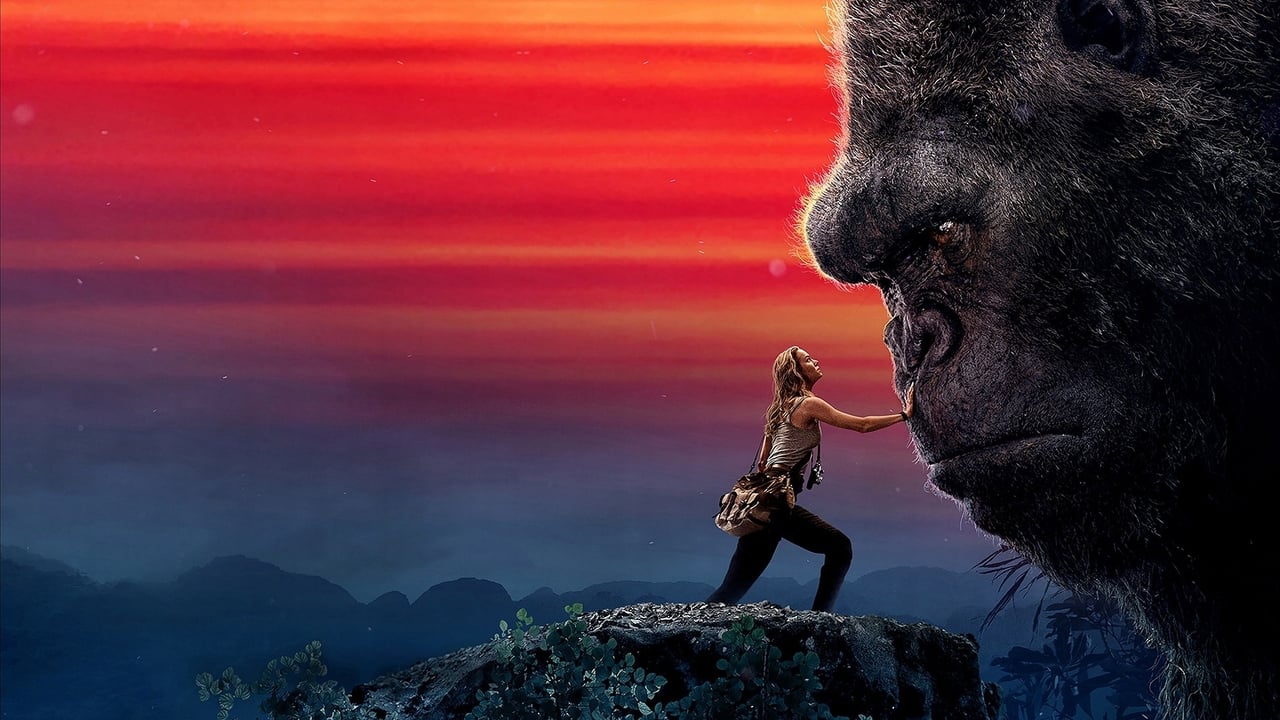
Kong: Skull Island is a unapologetic B-movie with an A-list budget. It understands that we aren't here for the deep psychological mapping of a British tracker; we're here to see a giant ape fight a multi-legged lizard while things explode in the background. It’s a vibrant, kinetic, and occasionally brutal piece of escapism that looks better than 90% of the blockbusters released in the last decade. If you can handle the thin character arcs, the sheer spectacle of the "Sker Buffalo" and the "Man-Eating Tree" will make those 118 minutes fly by.
Stuff You Didn't Notice
- Size Matters: This version of Kong is 104 feet tall. For context, Peter Jackson's 2005 Kong was only about 25 feet tall. He needed to be big enough to eventually fight the 350-foot Godzilla in the sequel. - The Toby Kebbell Double-Dip: Toby Kebbell is one of the go-to guys for mo-cap (he played Koba in the Planet of the Apes films), but he also plays the soldier Jack Chapman here. He’s essentially acting against himself in spirit. - Anime Influence: Director Jordan Vogt-Roberts is a massive nerd. You can see clear visual nods to Neon Genesis Evangelion and Princess Mononoke in the creature designs and framing. - The Apocalypse Now Homage: The theatrical poster is a direct, shot-for-shot tribute to the iconic Apocalypse Now poster, cementing the film's "Vietnam-with-monsters" identity. - The After-Credits Hook: This was the film that truly established the "Hollow Earth" lore, leading directly into Godzilla: King of the Monsters and Godzilla x Kong.
Keep Exploring...
-
Batman v Superman: Dawn of Justice
2016
-
Doctor Strange
2016
-
Jumanji: Welcome to the Jungle
2017
-
Wonder Woman
2017
-
Aquaman
2018
-
Pokémon Detective Pikachu
2019
-
Doctor Strange in the Multiverse of Madness
2022
-
Jurassic World
2015
-

The Legend of Tarzan
2016
-
Warcraft
2016
-
Jurassic World: Fallen Kingdom
2018
-
Pacific Rim: Uprising
2018
-
Kung Fu Panda 4
2024
-
A Minecraft Movie
2025
-
Avengers: Age of Ultron
2015
-
The Last Witch Hunter
2015
-
Suicide Squad
2016
-
X-Men: Apocalypse
2016
-
Pirates of the Caribbean: Dead Men Tell No Tales
2017
-
xXx: Return of Xander Cage
2017