Lady Bird
"The war of home, the ache of leaving."

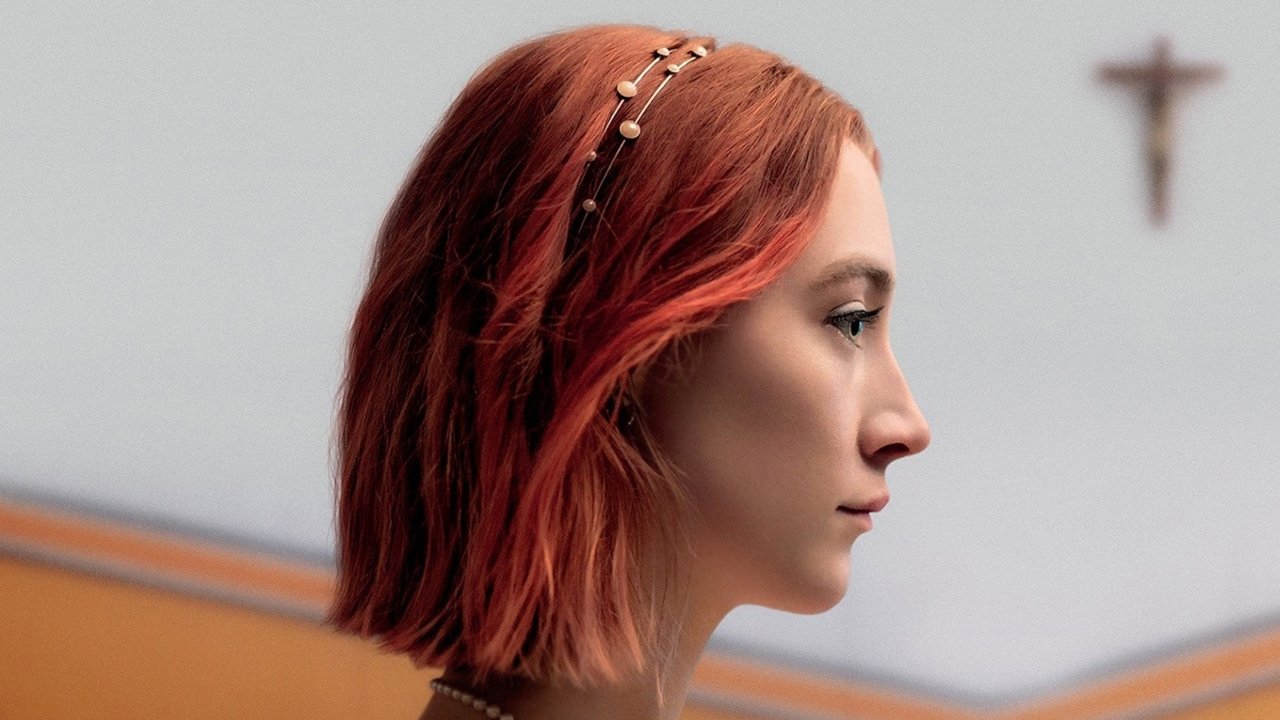
I remember exactly where I was when I first saw the trailer for Lady Bird. I was sitting in a coffee shop that smelled faintly of burnt oat milk, trying to look busy on a laptop, and within thirty seconds of watching Saoirse Ronan hurl herself out of a moving car to escape a conversation with her mother, I knew this movie was going to haunt me. It’s not just a movie; it’s a specific frequency of teenage desperation that Greta Gerwig managed to trap in amber.
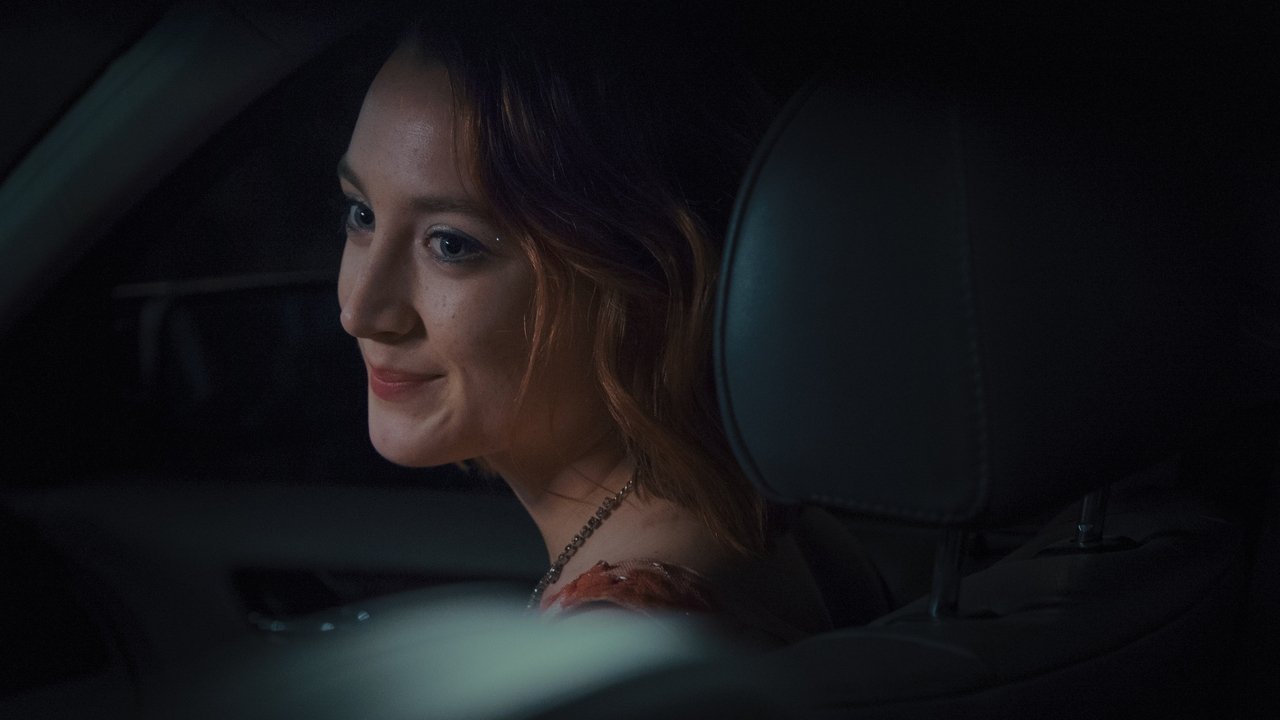
I watched it again recently on a flight where the guy next to me was snoring so loudly it sounded like a structural failure in the fuselage, yet I was still completely locked into the world of 2002 Sacramento. It’s a film that demands your attention because it refuses to be "just" a coming-of-age story. It’s a combat manual for mothers and daughters.
The Sacred Art of the Passive-Aggressive Slighting
The beating heart of this film isn't a romance; it’s the friction between Christine "Lady Bird" McPherson and her mother, Marion, played with terrifying, bone-deep accuracy by Laurie Metcalf. If you grew up with a mother who loves you fiercely but doesn't particularly like you on a random Tuesday, this film is basically a documentary. Laurie Metcalf should have a wing in the Smithsonian dedicated to the way she can fold a shirt and make it feel like a declaration of war.
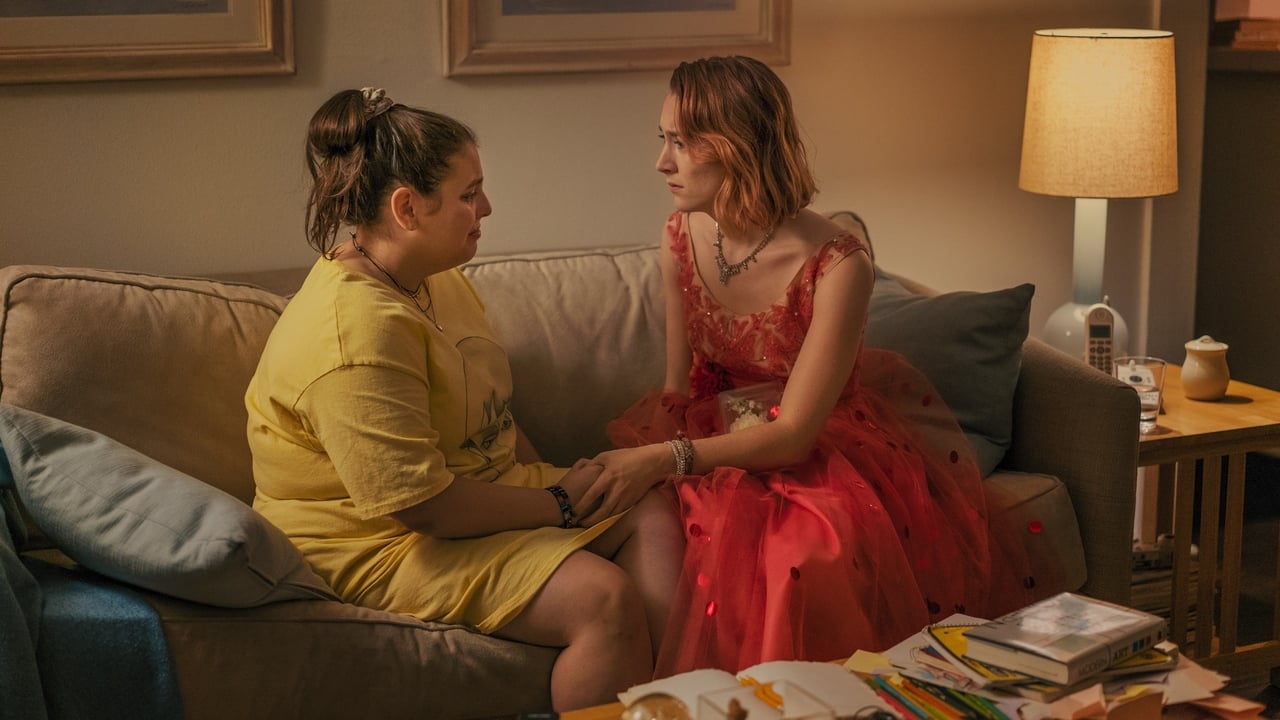
Saoirse Ronan (who was already legendary from Atonement and Brooklyn) gives Lady Bird a jagged, desperate edge. She isn't a "manic pixie dream girl" or a sanitized teen lead; she’s kind of a jerk. She’s selfish, she lies to her friends, and she’s desperately trying to curate a personality that doesn't smell like the "wrong side of the tracks." Seeing her interact with Beanie Feldstein as Julie—the best friend who represents the person Lady Bird is afraid she actually is—is a masterclass in the quiet heartbreak of outgrowing your own life before you've actually left it.
The Pretentiousness of the Early 2000s
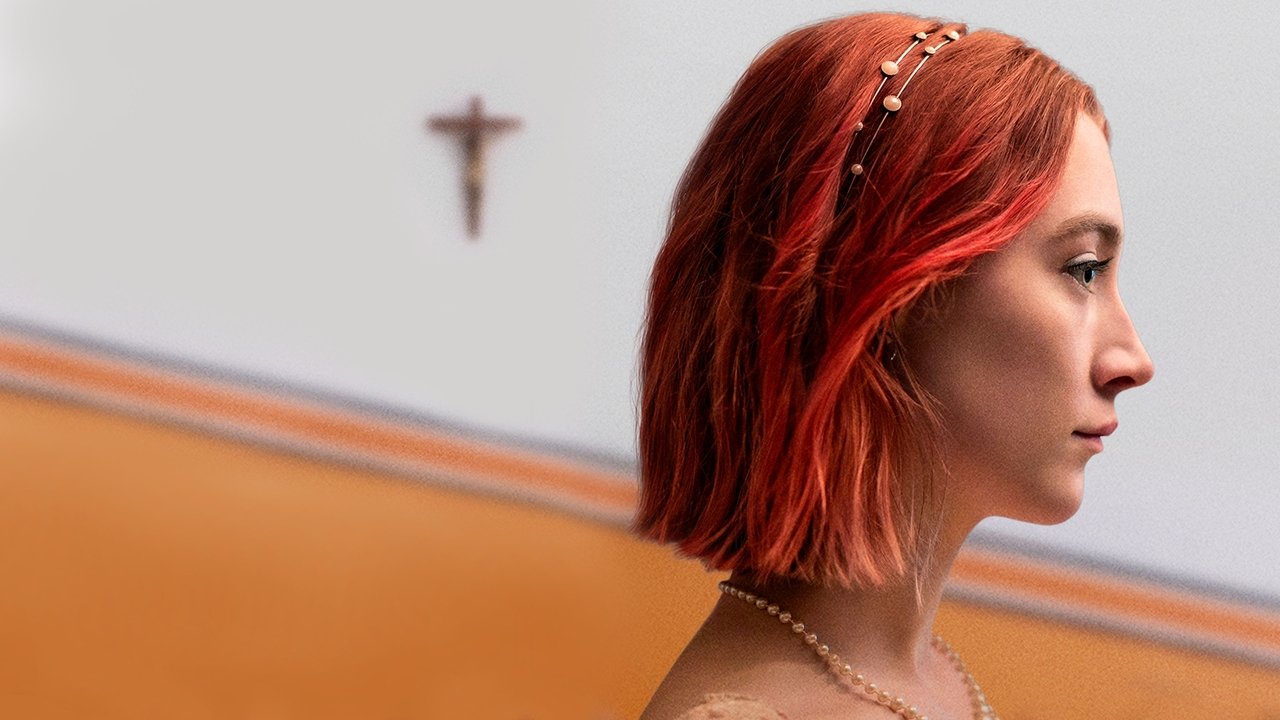
One of the greatest joys of Lady Bird is how it treats its male characters. They aren't villains; they’re just milestones. Lucas Hedges (who was everywhere in 2017, from Manchester by the Sea to Three Billboards) is heartbreaking as Danny, the "perfect" boyfriend with a secret that feels monumental in a Catholic high school setting.
Then, there’s Timothée Chalamet as Kyle. Look, the "Kyle" phase is a universal trauma we all must endure. He’s the guy who reads Howard Zinn, rolls his own cigarettes, and acts like he’s too deep for the very concept of money while living in a house with a built-in pool. Chalamet plays him with such pitch-perfect, eye-rolling pretension that you can almost smell the clove cigarettes through the screen. It’s a reminder that in the mid-2000s, "edginess" was just having a bad haircut and an unearned sense of intellectual superiority.
Gerwig’s direction is incredibly lean. At 94 minutes, the film moves with the frantic energy of a senior year. There’s no filler. Every scene—whether it’s a disastrous theater audition or a somber moment with Tracy Letts as Lady Bird’s struggling father—feels essential. Tracy Letts is the unsung hero here, providing the soft, crumbling limestone foundation that keeps the McPherson household from imploding.
Stuff You Didn’t Notice (But Makes It Better)
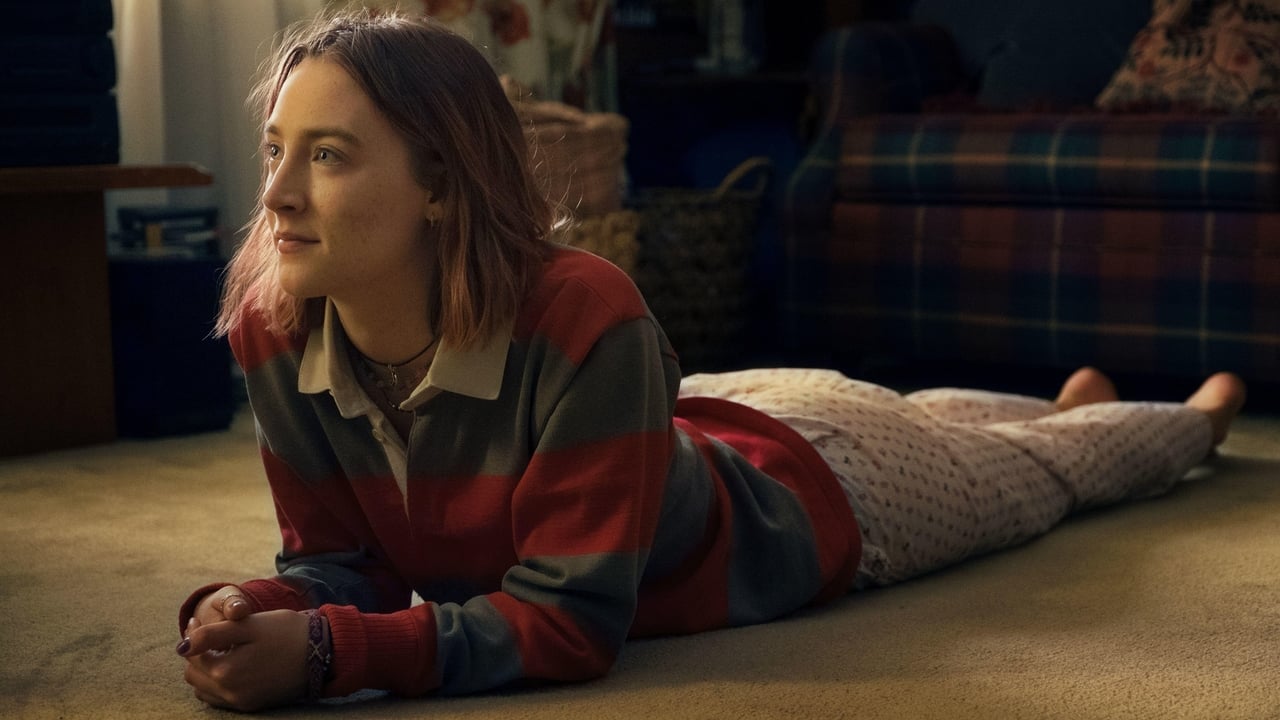
Part of why Lady Bird feels so lived-in is the production's commitment to authenticity. Here are a few things that explain why it feels so "real":
The Acne is Real: Saoirse Ronan suggested they shouldn't cover up her skin blemishes with makeup. She wanted Lady Bird to look like a real teenager, not a 25-year-old model playing seventeen. It’s a small choice that makes the character infinitely more relatable. The Journals: To get the cast into the 2002 headspace, Greta Gerwig gave the actors her own high school journals, photos, and letters. She even took them on a tour of her actual childhood haunts in Sacramento. The Dave Matthews Band Letter: Gerwig desperately wanted to use "Crash into Me" for a pivotal scene. She wrote a personal, gushing letter to Dave Matthews explaining that the song is "simultaneously embarrassing and total art." He loved the letter and cleared the track. The Director’s Rule: Greta refused to use a "video village" (the monitors where directors usually sit). She stayed right next to the camera and the actors, creating an intimacy that shows up in every frame. * The Title: The name "Lady Bird" actually comes from an old nursery rhyme ("Ladybird, ladybird, fly away home"). It’s a subtle nod to the film’s central theme: the desperate urge to leave and the sudden, crushing realization of what you left behind.
Lady Bird is the rare contemporary film that managed to become a cultural touchstone almost instantly without relying on a franchise or a massive budget. It’s a film about the "middle" of America—the places we think are boring until we view them through the rearview mirror. It reminds me that being "special" isn't nearly as important as being present. If you haven't seen it, or if you haven't seen it since your own teenage angst started to scab over, give it a watch. Just be prepared to call your mother afterward.
Keep Exploring...
-
Little Women
2019
-
The French Dispatch of the Liberty, Kansas Evening Sun
2021
-
I, Tonya
2017
-
BlacKkKlansman
2018
-
The Favourite
2018
-
Licorice Pizza
2021
-
Hustle
2022
-
Joy
2015
-
Me and Earl and the Dying Girl
2015
-
Paterson
2016
-
American Made
2017
-

Cars 3
2017
-
T2 Trainspotting
2017
-
The Ballad of Buster Scruggs
2018
-
The Sisters Brothers
2018
-
Vice
2018
-
I Care a Lot
2021
-

To All the Boys: Always and Forever
2021
-
Babylon
2022
-
The Banshees of Inisherin
2022