Le Brio
"Winning isn't about being right, it's about being heard."
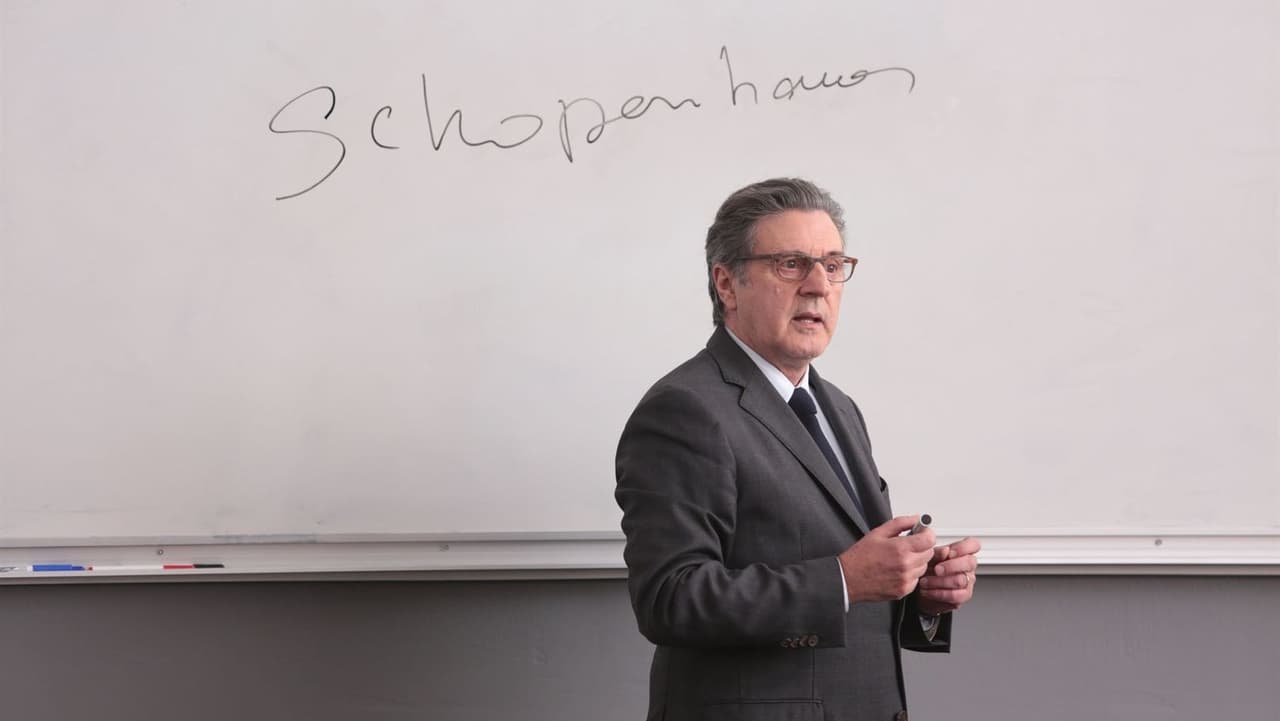
There is a specific kind of silence that falls when someone says exactly the wrong thing in a room full of people. In the opening minutes of Le Brio, that silence is deafening. We’re in a packed law school lecture hall at Panthéon-Assas University in Paris, and Pierre Mazard, played with a prickly, magnificent arrogance by Daniel Auteuil, has just verbally dismantled a late-arriving student with a tirade that dances dangerously close to—and then leaps over—the line of blatant prejudice.
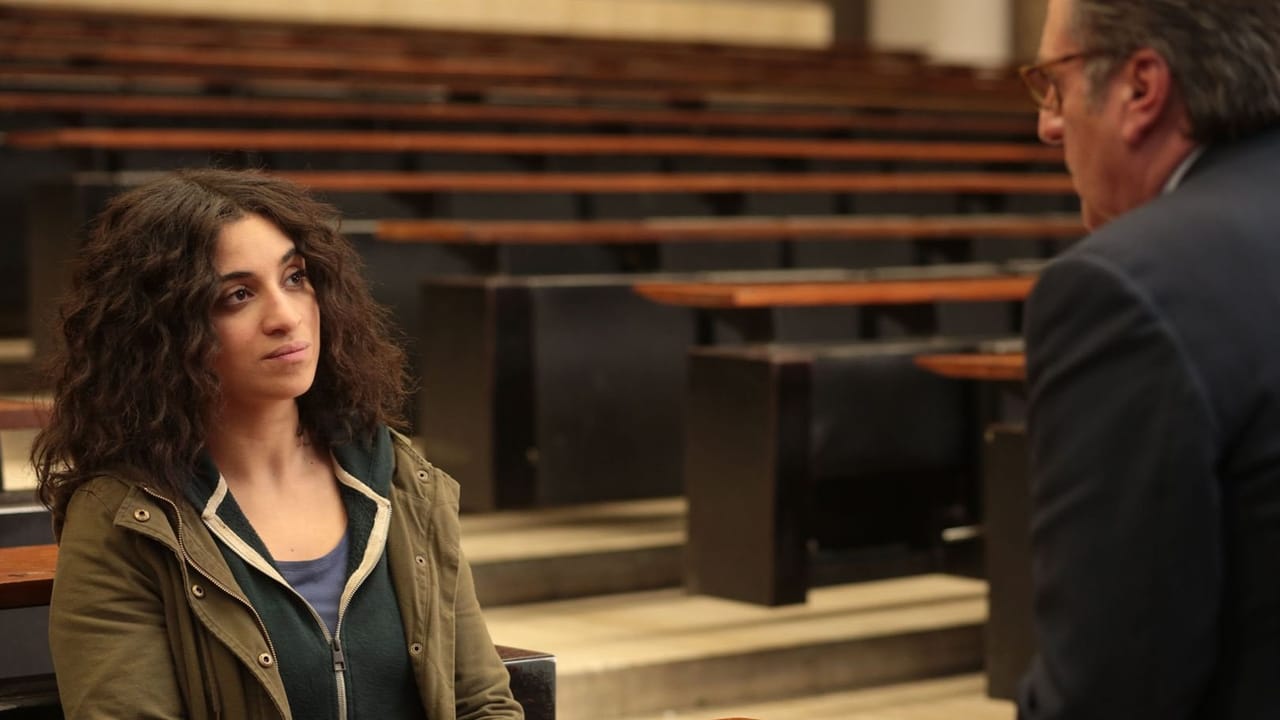
The student is Neïla Salah, portrayed by Camélia Jordana in a performance that crackles with defensive energy. She’s from the banlieue (the suburbs), she’s Algerian-French, and she represents everything Mazard’s crusty, old-world academic sensibilities find "improper." When the video of his outburst goes viral, the university president gives Mazard an ultimatum to save his job: he must mentor Neïla for the prestigious national eloquence competition.
I watched this film on a Tuesday evening while my radiator was making a rhythmic, metallic clanking sound that somehow synced up perfectly with the staccato pace of the French dialogue. It was the kind of distraction that usually ruins a drama, but Le Brio has a tempo that absorbs the world around it. It’s a film about the rhythm of speech, after all.
The Art of the Verbal Duel
If you’ve seen My Fair Lady or Whiplash, you know the bones of this story. It’s the "gruff mentor and talented underdog" trope, but director Yvan Attal (who you might know from Munich or his own directorial effort My Wife is an Actress) transplants it into the hyper-literate, hyper-contentious world of French rhetoric.
Daniel Auteuil is a titan of French cinema, and here he is at his most deliciously punchable. He’s a man who treats Arthur Schopenhauer’s The Art of Always Being Right as a holy text. Auteuil plays the kind of man who would correct your grammar while your house was on fire. His Mazard isn't just a bigot; he’s a provocateur who uses language as a shield against a changing world.
Opposite him, Camélia Jordana is a revelation. I didn’t realize until after the credits rolled that she actually got her start on a French reality singing competition. You can feel that stage presence in her performance. She doesn’t play Neïla as a victim; she plays her as someone who is exhausted by the "outsider" label but is too smart to let it be her only identity. Their chemistry is less "father-daughter" and more like two fencers who slowly realize they’re using the same brand of foil.
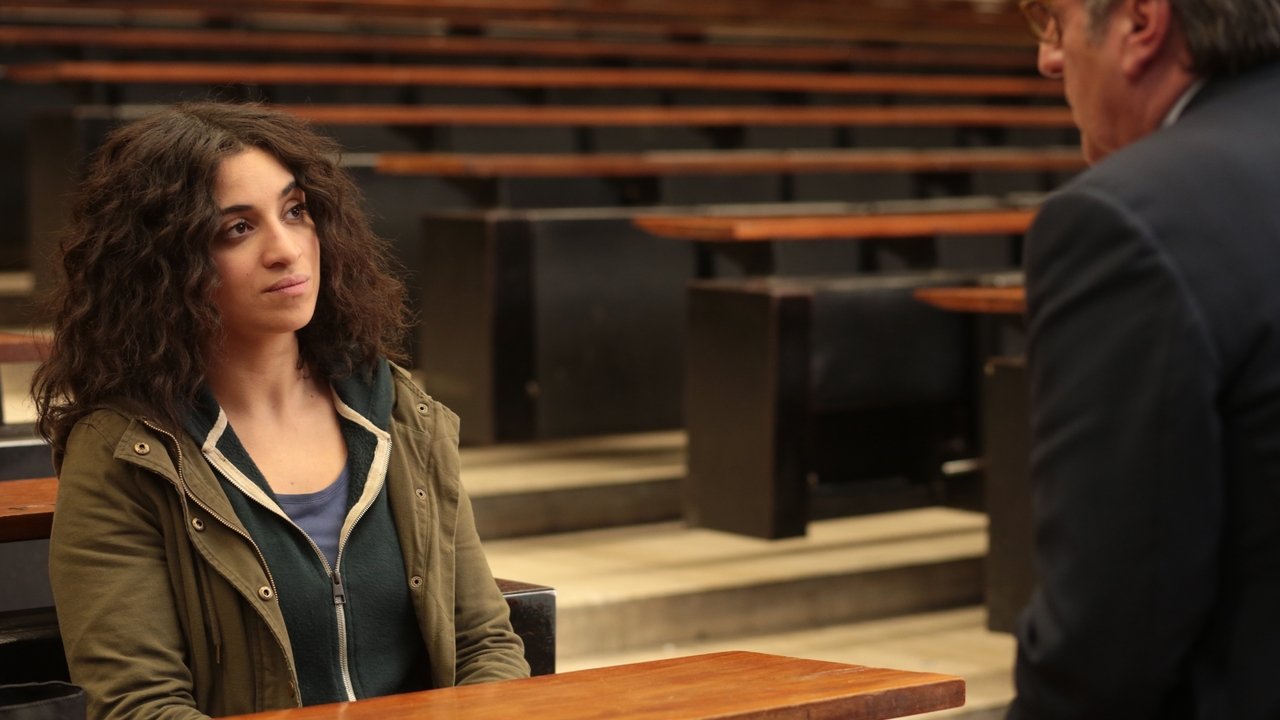
A Modern Duel in an Ancient Setting
What makes Le Brio feel vital for a contemporary audience is how it handles the "cancel culture" of it all without becoming a preachy op-ed. Released in 2017, the film arrived just as the world was grappling with how to handle institutional figures who are brilliant but "problematic." The film doesn't necessarily redeem Mazard’s views—it makes it clear he's a relic—but it argues for the power of education as a two-way street.
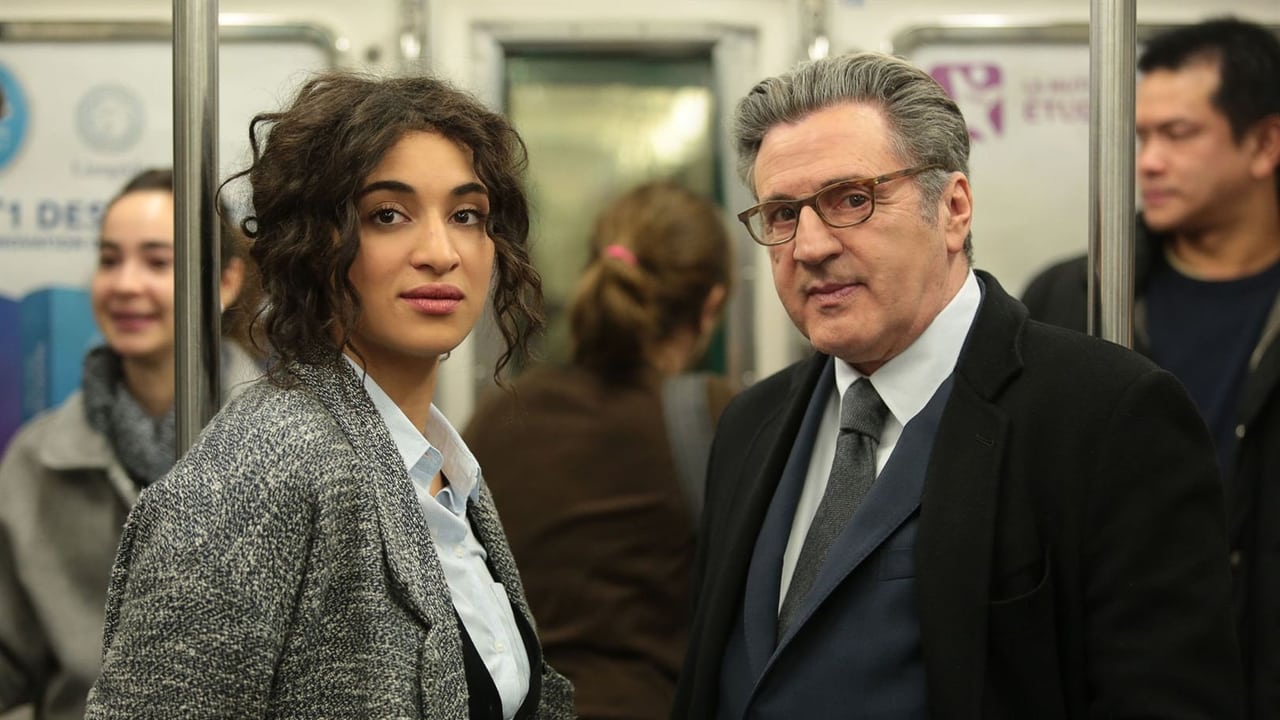
It’s a movie that asks us to like a jerk, and somehow, we mostly do because the jerk is forced to admit he’s no longer the smartest person in the room. The training montages are my favorite part. They aren't about lifting weights or running up stairs; they’re about learning to breathe, how to stand, and how to use a "bad" argument to win a "good" point. There’s a scene on the Paris Metro where Mazard forces Neïla to provoke strangers just to practice her rhetorical defenses, and it’s as tense as any action sequence.
The cinematography by Rémy Chevrin (who shot Love) captures Paris not as a postcard, but as a series of barriers—the grand, cold marble of the university versus the cramped, lively apartments of the suburbs. You feel the weight of the history Neïla is trying to break into.
Why It Slipped Under the Radar
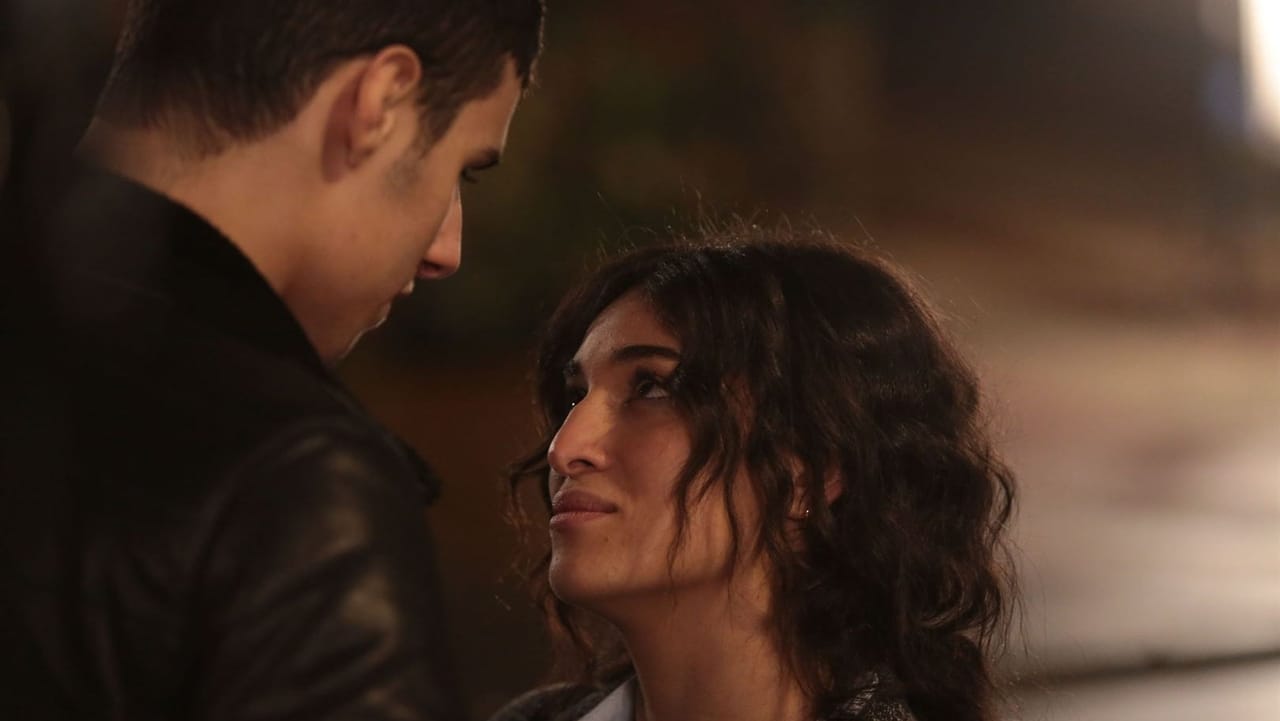
Despite being a box office hit in France and earning Camélia Jordana a César Award for Most Promising Actress, Le Brio remains a bit of a hidden gem internationally. Subtitled comedies about legal rhetoric are a hard sell for the Marvel-fatigued masses, but that’s exactly why you should seek it out. It’s a film that respects your intelligence.
One of the cooler details I found out later is that the "eloquence competition" isn't a Hollywood invention; these contests are a massive part of French academic culture. The film used real students and actual debate prompts, which explains why the background characters in the competition scenes look so genuinely stressed. It’s a niche world, but Yvan Attal makes it feel like the Super Bowl of snark.
The script, co-written by Noé Debré, is a masterclass in "show, don't tell." We don't need a monologue about Neïla's struggle; we see it in the way she adjusts her coat when she walks into a posh library. We don't need Mazard to say he’s lonely; we see it in the way he lingers in the lecture hall after everyone else has left.
Le Brio is a sharp, witty, and surprisingly emotional look at the bridges we build with words. While it occasionally leans into the predictable "big finale" beats of a competition movie, the performances by Daniel Auteuil and Camélia Jordana elevate it far above the standard classroom drama. It’s a film that understands that while words can be used to exclude, they are also the only tools we have to truly understand one another. If you’re looking for something that feels sophisticated yet accessible, this is your next Friday night watch.
Keep Exploring...
-
My Life as a Zucchini
2016
-
Nothing to Hide
2018
-
La Belle Époque
2019
-
Anomalisa
2015
-
Dope
2015
-
The Dressmaker
2015
-

Justice League vs. Teen Titans
2016
-
Like Crazy
2016
-
Battle of the Sexes
2017
-

I Don't Feel at Home in This World Anymore
2017
-
The Man Who Invented Christmas
2017
-
Can You Ever Forgive Me?
2018
-

Sink or Swim
2018
-
Welcome to Marwen
2018
-
Dolemite Is My Name
2019
-
The Dirt
2019
-

The Laundromat
2019
-
The Peanut Butter Falcon
2019
-
Riders of Justice
2020
-
Fatherhood
2021