Leatherface
"Before the mask, there was a boy."
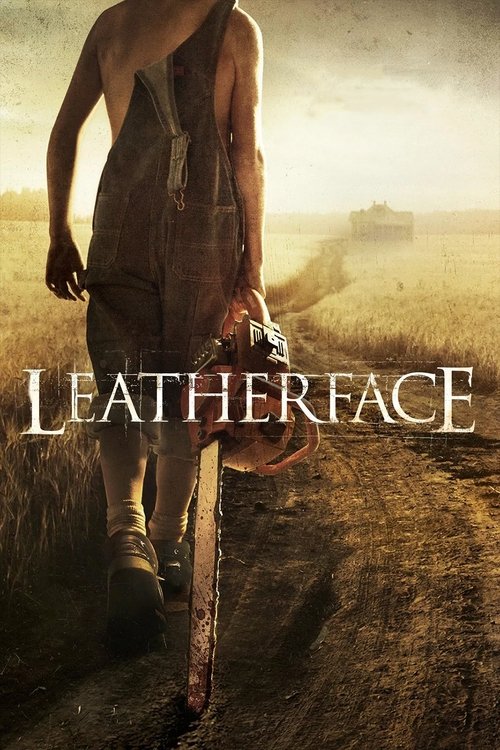
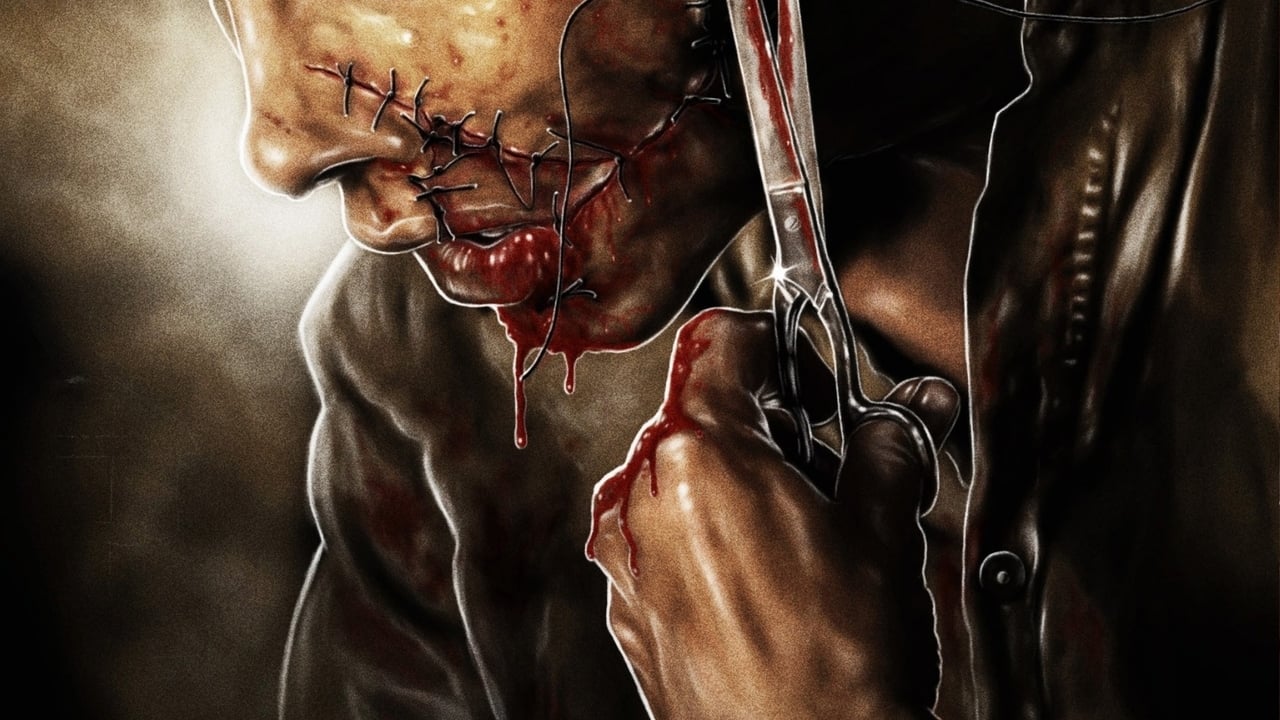
The dust-choked roads of Texas have been tread so many times by horror fans that you’d think there’d be a permanent paved highway leading straight to the Sawyer farmhouse by now. Yet, in 2017, directors Alexandre Bustillo and Julien Maury—the French duo who traumatized a generation with the grueling home-invasion masterpiece Inside (2007)—decided to take us back to the beginning. They didn't just want to show us the buzz; they wanted to show us the birth. It’s a gritty, mean-spirited little road movie that feels less like a traditional slasher and more like a nihilistic descent into a sun-bleached hell.
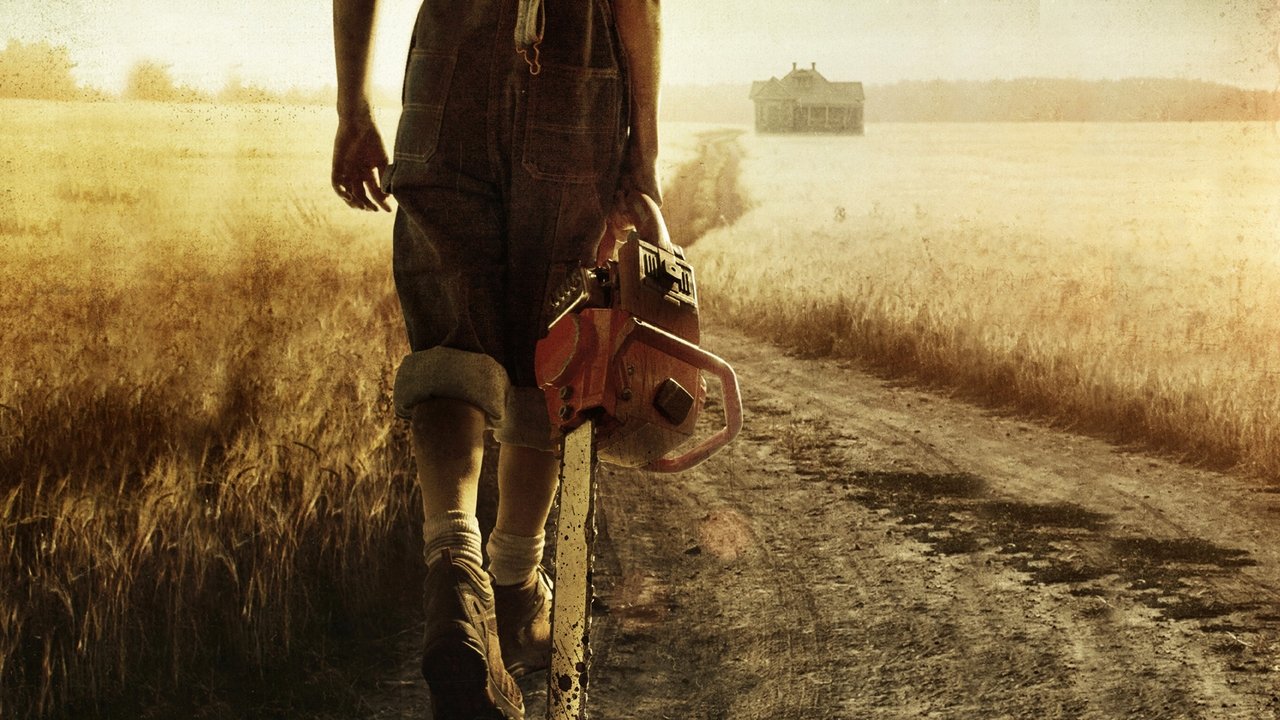
I actually watched this on my laptop during a particularly turbulent flight while the lady next to me was aggressively knitting a neon green sweater, and the contrast between her cozy hobby and the sight of a character hiding inside a hollowed-out cow carcass was, frankly, the most surreal cinema-going experience I’ve had in years. It made the gore feel weirdly personal.
The Mystery of the Mask
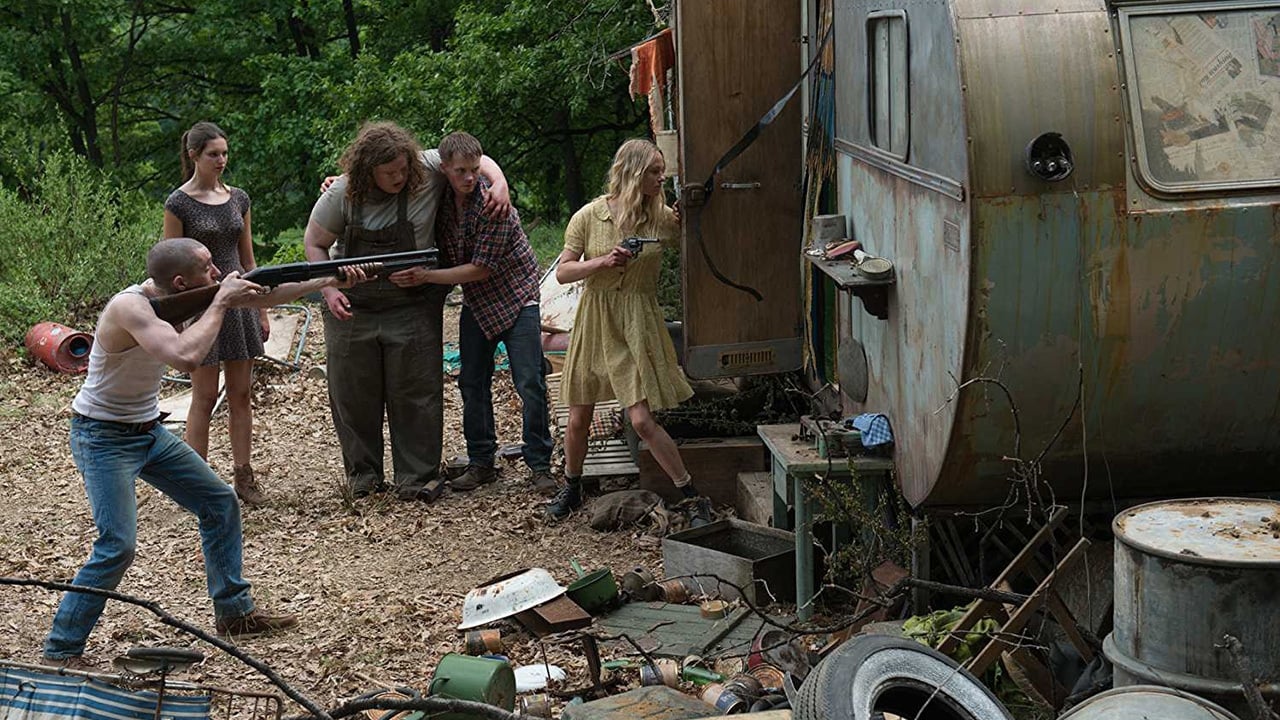
What separates Leatherface from the endless pile of Texas Chainsaw sequels and reboots is its structural gamble. Instead of a hulking beast chasing teens through the woods, screenwriter Seth M. Sherwood gives us a "Who Will It Be?" mystery. We meet a group of troubled escapees from a mental institution—Sam Strike as the empathetic Jackson, James Bloor as the psychotic Ike, and Jessica Madsen as the unhinged Clarice—and we’re forced to guess which one of these damaged boys will eventually stitch human skin onto his face.
It’s a clever hook for a franchise that often suffers from "repetition fatigue." In an era of franchise dominance where every back story is being picked clean, this film tries to offer a psychological profile rather than a checklist of tropes. Sam Strike carries a lot of the emotional weight, and you actually find yourself rooting for him to beat the "destiny" we know is coming. It’s a tragic pivot; the film wants you to mourn the monster before he even picks up the saw, and for about two-thirds of the runtime, it actually succeeds.
French Extremity Meets Texas Grit
When you hire the guys who basically invented "New French Extremity," you expect a certain level of unpleasantness. Alexandre Bustillo and Julien Maury don't disappoint. The violence here isn't the fun, "cheer-at-the-screen" variety you find in some 80s slashers. It’s wet, heavy, and occasionally stomach-turning. They utilize practical effects that remind me why CGI will never truly capture the "ick" factor of a well-placed prosthetic.
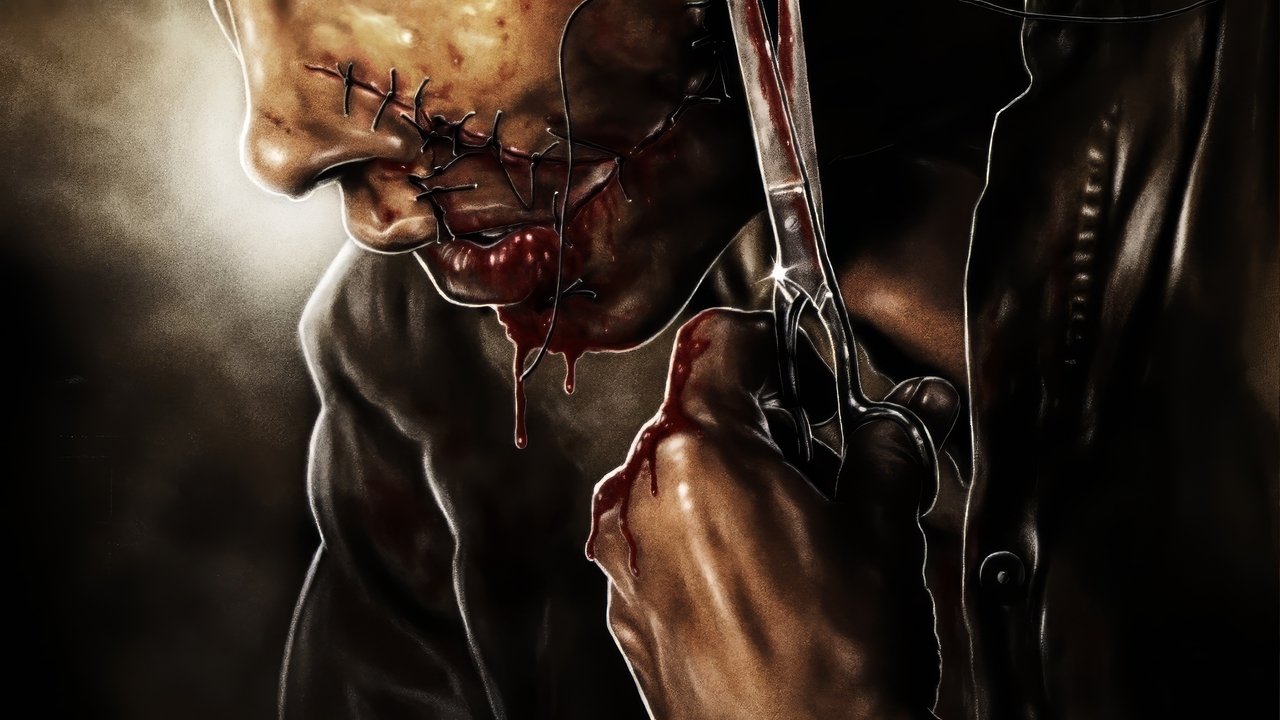
The cinematography by Antoine Sanier is surprisingly gorgeous for a film with a reported $500,000 budget. It captures that oppressive, humid atmosphere where you can almost smell the rot. Here’s a bit of trivia that’ll blow your mind: despite the convincing "Texas" heat and rural decay, the movie was actually shot entirely in Bulgaria. They managed to turn Eastern Europe into the deep South with nothing but some clever location scouting and a lot of dirt. It’s a testament to how indie filmmakers can stretch a dollar when they have a specific aesthetic vision.
A Different Kind of Lawman
We can’t talk about this film without mentioning Stephen Dorff. Fresh off his stint in things like Immortals (2011) and before his True Detective resurgence, Dorff plays Texas Ranger Hal Hartman with a vengeful streak that makes the "villains" look reasonable. He’s obsessed with the Sawyer family—specifically the matriarch, Verna, played with chilling, overprotective glee by Lili Taylor (The Conjuring).
Lili Taylor is the secret weapon here. She plays Verna not as a cartoonish hillbilly, but as a woman who genuinely believes that "family is everything," even if that family likes to sharpen their teeth on human bone. Her performance anchors the film’s theme of inherited trauma. Leatherface (2017) argues that monsters aren't born; they are cultivated by a toxic environment and a justice system that is just as broken as the criminals it hunts. Stephen Dorff’s Ranger is a terrifying reminder that the badge is often just a license for a different kind of psychopathy.
The Modern Prequel Problem
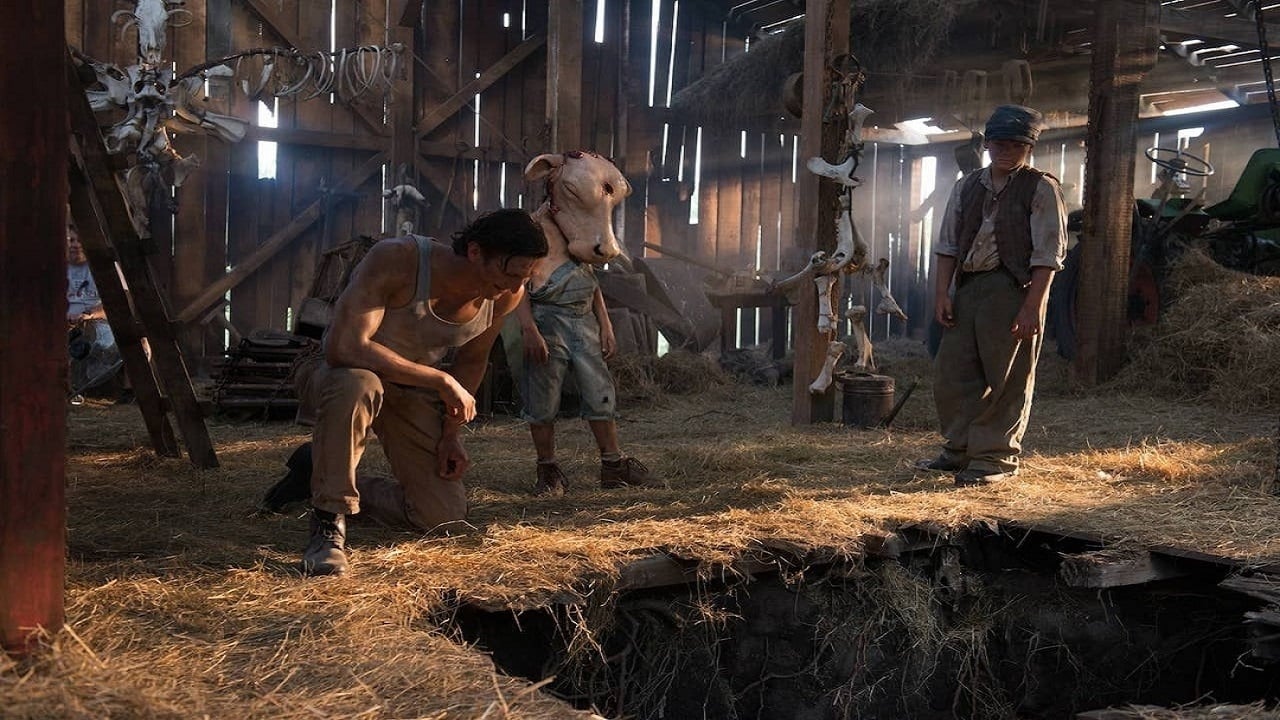
In our current landscape of "Legacy Sequels" and "Origin Stories," we often find ourselves asking: did we need this? Does knowing that Leatherface was once a skinny kid in a mental ward make him scarier? Probably not. The original 1974 classic worked because the Sawyers were an enigma—a force of nature that existed outside of logic. By explaining the "why," you inevitably lose some of the "whoa."
However, as a standalone piece of 2010s horror, Leatherface stands out because it refuses to play it safe. It’s nihilistic, it’s beautifully shot, and it features a finale that finally connects the dots in a way that feels earned rather than forced. It’s a film that survived a difficult production—it sat on a shelf for nearly two years before Lionsgate finally dropped it—and it still manages to feel like a cohesive, singular vision from two directors who clearly love the genre’s ability to disturb.
While it occasionally falls into the traps of "explaining the unexplainable," Leatherface is a brutal, visually arresting addition to a franchise that often struggles to find its footing. It’s a road trip from hell that benefits from strong performances by Stephen Dorff and Lili Taylor, even if it occasionally loses its way in the Bulgarian "Texas" woods. If you’re looking for a horror film that values atmosphere and tragedy as much as it values a high body count, this is a cut above the usual prequel fare.
Keep Exploring...
-
The Texas Chainsaw Massacre 2
1986
-
Circle
2015
-
The Invitation
2016
-
The Endless
2017
-

Terrifier
2018
-

Truth or Dare
2018
-
Unsane
2018
-
The Rental
2020
-
Hell Fest
2018
-

Revenge
2018
-
Winchester
2018
-
Vivarium
2019
-
Possessor
2020
-

The Deep House
2021
-
Infinity Pool
2023
-
The Texas Chain Saw Massacre
1974
-
Hush
2016
-
Run
2020
-
Barbarian
2022
-
Terrifier 2
2022