Logan
"A bruised and bloody sunset for a hero who finally found his soul."
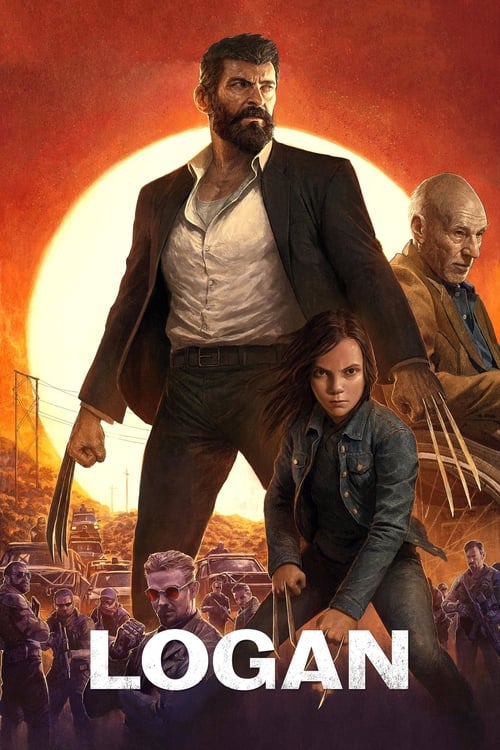
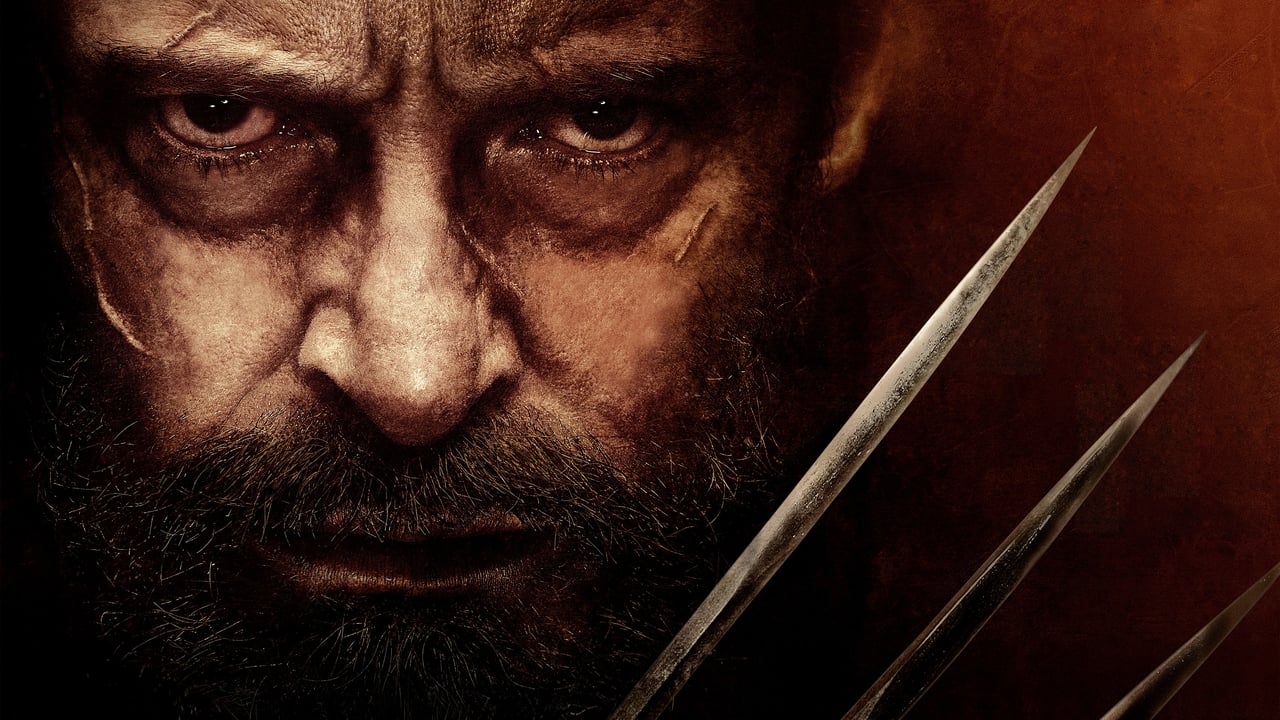
I’ve spent the better part of two decades watching Hugh Jackman unsheathe those adamantium claws, but Logan was the first time I actually felt the weight of them. Usually, superhero movies feel like they’re made of plastic and pixels, but this one smells like copper, cheap cigars, and terminal illness. I remember watching this in a theater where the guy next to me was eating a lukewarm hot dog that smelled aggressively like onions, and somehow, that grime just made the whole experience feel more authentic.
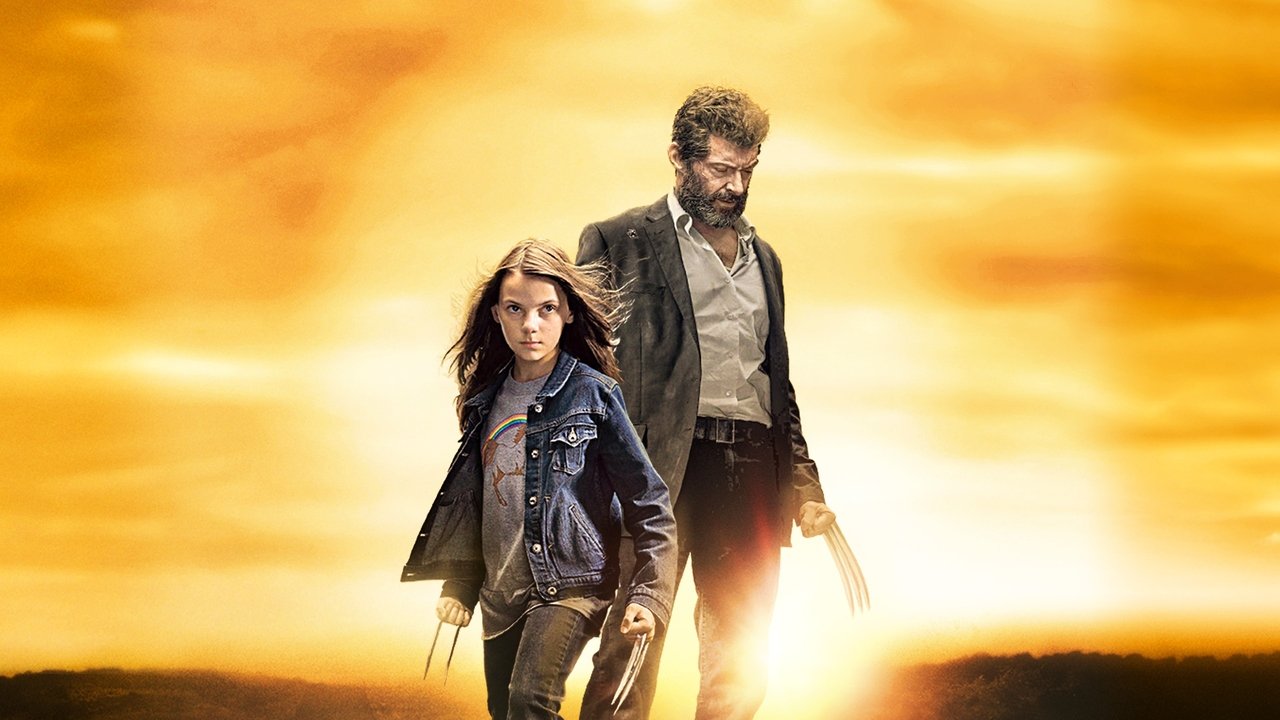
A Western at the End of the World
In an era where the Marvel Cinematic Universe was busy building elaborate multi-film puzzles, James Mangold decided to take the most popular mutant on the planet and put him in a dusty limo. Logan isn’t a "superhero movie" in any traditional sense; it’s a neo-Western. It owes more to Unforgiven or Shane than it does to The Avengers. By 2017, franchise fatigue was already starting to set in for me, but this film felt like a bucket of ice water to the face.
The year is 2029, and the X-Men are a memory. Logan is a shell of himself, working as a chauffer to buy black-market meds for an ailing, ninety-year-old Charles Xavier. Seeing Patrick Stewart—the man who defines "stately" in the nerd canon—playing a version of Professor X whose mind is a literal weapon of mass destruction is heartbreaking. His performance here is easily his best in the franchise, shedding the mentor trope for something far more vulnerable and terrifying.
Brutality with a Purpose
The action choreography in Logan is a sharp departure from the "disappearing ink" violence we usually get in PG-13 blockbusters. When Logan fights, it’s ugly. He’s slow, he’s scarred, and he doesn’t heal like he used to. Mangold and the stunt team emphasize the physical toll of every encounter. There is a sequence involving a train and a forest that is so raw it makes you realize the most superhero movies treat death like a temporary inconvenience, but here, it feels like an appointment Logan is late for.
Then there’s Dafne Keen as Laura. At the time, casting a child actor to go toe-to-toe with Hugh Jackman seemed like a gamble, but she is the film’s secret weapon. She manages to communicate ferocity and trauma with almost no dialogue for the first hour. Her chemistry with Jackman provides the emotional spine of the movie, turning a cross-country chase into a story about a man who has forgotten how to be a father—or a human being.
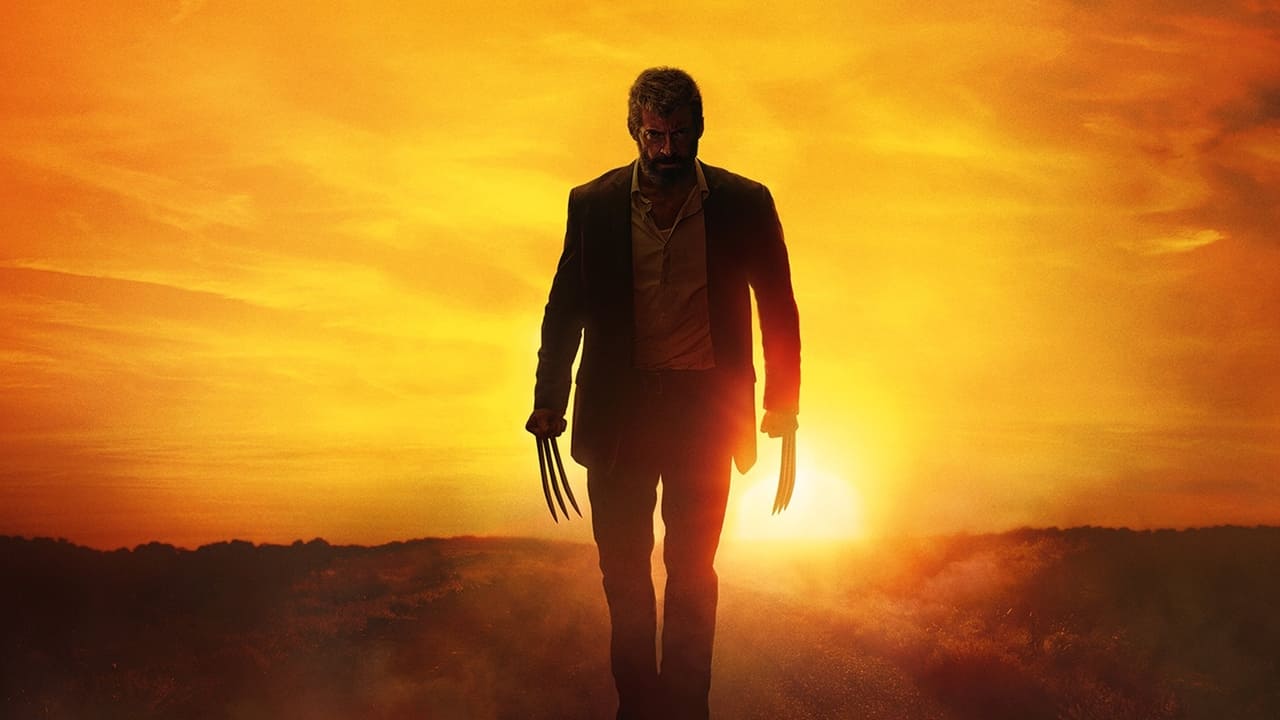
The Prestige of the Parting Shot
While we often think of these films as "popcorn" fare, Logan was a genuine awards contender, which was a massive deal for the genre in 2017. It became the first live-action superhero film to be nominated for an Academy Award for Best Adapted Screenplay. James Mangold, Michael Green, and Scott Frank didn't write a comic book movie; they wrote a character study that happened to have claws.
Here are a few details that highlight why this felt so different:
Hugh Jackman actually took a pay cut to ensure the film could be rated R, knowing the studio was nervous about the smaller audience reach. Cinematographer John Mathieson opted for a gritty, sun-bleached look that avoided the "glowy" aesthetics of contemporary sci-fi, making the Mexican border and North Dakota plains feel like characters themselves. The film was so well-received as a piece of art that a black-and-white version, Logan Noir, was released in theaters shortly after, emphasizing the film's roots in classic cinema. Marco Beltrami’s score swaps the heroic fanfares of the X-Men for a lonely, piano-heavy soundscape that perfectly mirrors Logan's isolation.
The villains, led by Boyd Holbrook as the charismatic but somewhat generic Pierce, are arguably the film's weakest link. However, Stephen Merchant is a surprise standout as Caliban. He brings a tragic, spindly humanity to a character that could have easily been a CGI afterthought.
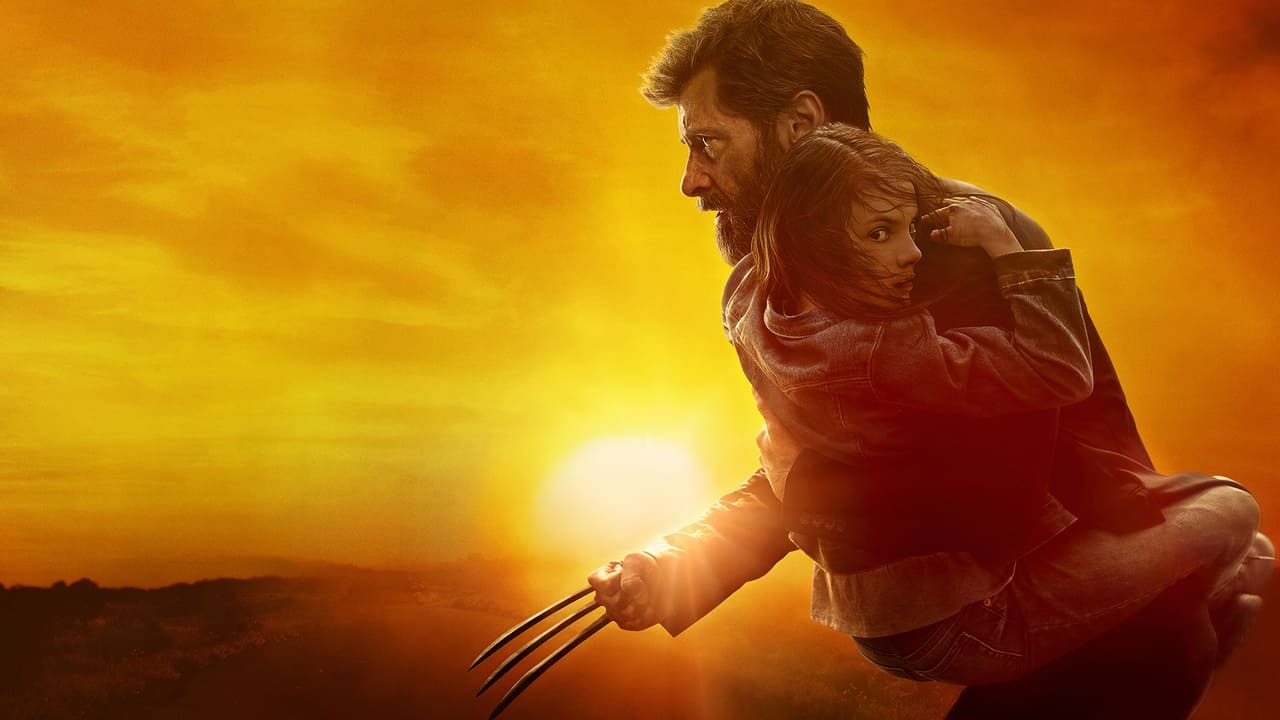
Why It Matters Now
In our current landscape of "multiverse" storytelling where no character ever truly dies and stakes feel increasingly flimsy, Logan stands as a monumental achievement of finality. It’s a film about the indignity of aging and the terrifying responsibility of caring for someone who is losing themselves. It’s also one of the few times a studio allowed a billion-dollar IP to have a definitive, poetic ending.
Watching it today, it feels even more special. It’s a reminder that these characters are at their best when they are allowed to be flawed, tired, and mortal. I left the theater that day feeling bruised, but in the best way possible. It’s a rare blockbuster that earns its tears rather than demanding them.
This is the gold standard for how to retire a cinematic icon. It’s a film that respects its audience enough to be sad, and respects its hero enough to let him stop fighting. If you’ve grown weary of the neon spectacle of modern capes-and-tights cinema, this is the gritty, soul-searching antidote you need. It’s not just a great comic book movie; it’s a great movie, period.

Keep Exploring...
-
The Wolverine
2013
-
Ford v Ferrari
2019
-
A Complete Unknown
2024
-

X-Men Origins: Wolverine
2009
-
Batman vs. Robin
2015
-
Blade Runner 2049
2017
-
1917
2019
-
Top Gun: Maverick
2022
-
They Call Me Jeeg
2016
-
The Greatest Showman
2017
-
Invasion
2020
-
Evangelion: 3.0+1.0 Thrice Upon a Time
2021
-
Finch
2021
-
Indiana Jones and the Dial of Destiny
2023
-
The Wild Robot
2024
-

F1
2025
-
Real Steel
2011
-
Justice League vs. Teen Titans
2016
-
Ant-Man
2015
-
Avengers: Age of Ultron
2015