Loving Vincent
"Every frame is a masterpiece, literally."

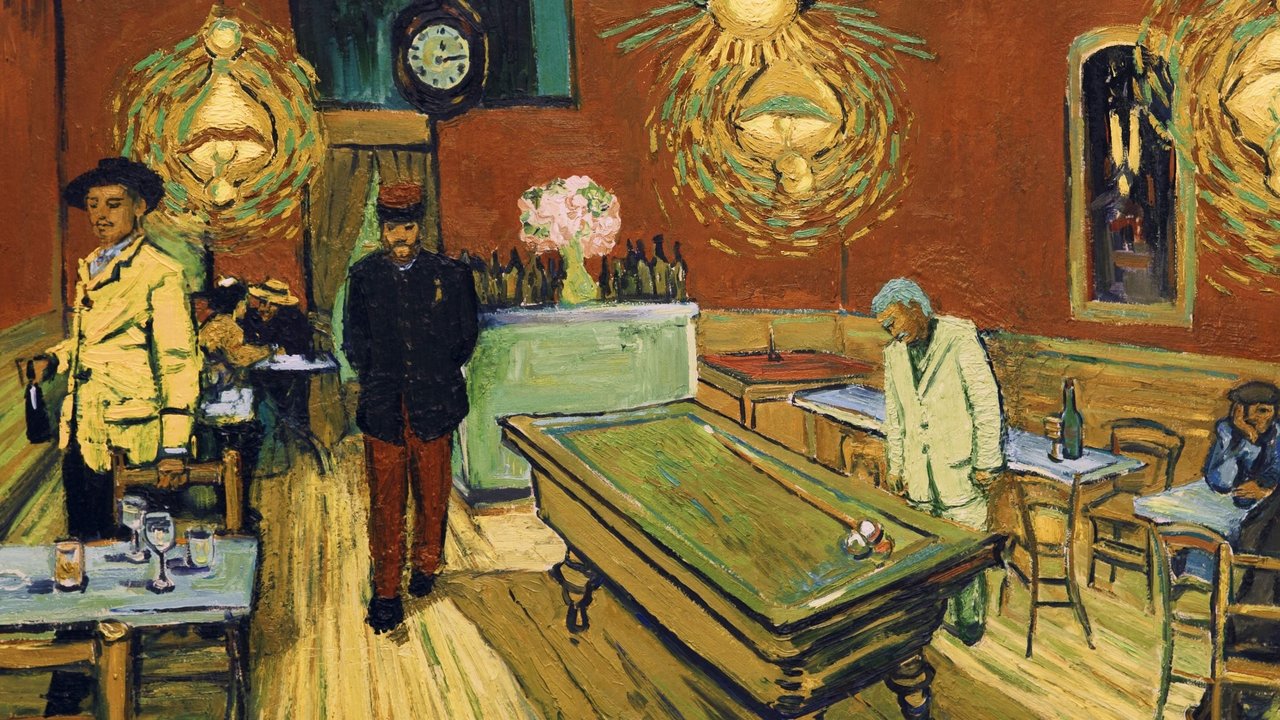
Imagine waking up inside a dream where the walls are still wet with oil paint and the stars actually swirl in the sky like golden eddies in a dark river. That is the immediate, almost overwhelming sensation of watching Loving Vincent. I watched this film on my laptop while nursing a cup of Earl Grey that I’d left the tea bag in for way too long, and even through the bitterness of over-steeped bergamot, the sheer visual audacity of the screen kept me pinned to my seat. It is a film that demands you look at it, not just watch it.
The Impossible Canvas
We live in an era where "groundbreaking animation" usually means a studio found a new way to render individual hairs on a raccoon’s chin. Loving Vincent takes a hard left turn away from that digital perfection. It is the world’s first fully oil-painted feature film, a project so absurdly ambitious it feels like something dreamt up by a madman—which, considering the subject matter, is oddly appropriate.
The production team, led by DK Welchman and Hugh Welchman, recruited 125 painters from across the globe to hand-paint every single one of the 65,000 frames. Think about that for a second. If you blink, you’ve just missed two or three distinct oil paintings that took hours to complete. It’s essentially a 95-minute funeral procession that looks like a billion dollars. In a cinematic landscape dominated by the "seamless" look of the MCU or Pixar, Loving Vincent celebrates the friction of the human hand. You can see the brushstrokes. You can feel the texture. It’s a tactile experience in a digital age, and that friction is exactly what gives it soul.
A Cold Case in Post-Impressionist Yellow
The story follows Armand Roulin (Douglas Booth), the son of a postman, who is tasked with delivering Vincent van Gogh's final letter to his brother, Theo. When Armand discovers Theo is also dead, he becomes a reluctant detective, wandering through the town of Auvers-sur-Oise to piece together the artist's final days.
This is where the film gets interesting for contemporary audiences. While it’s set in the 1890s, the narrative feels like a modern true-crime podcast. Armand talks to the locals—the innkeeper's daughter (Eleanor Tomlinson), the stern housekeeper (Helen McCrory), and the mysterious Marguerite Gachet (Saoirse Ronan)—and everyone has a different version of who Vincent was. Was he a saint? A madman? A victim? The plot is basically "CSI: Arles," but with significantly better lighting.
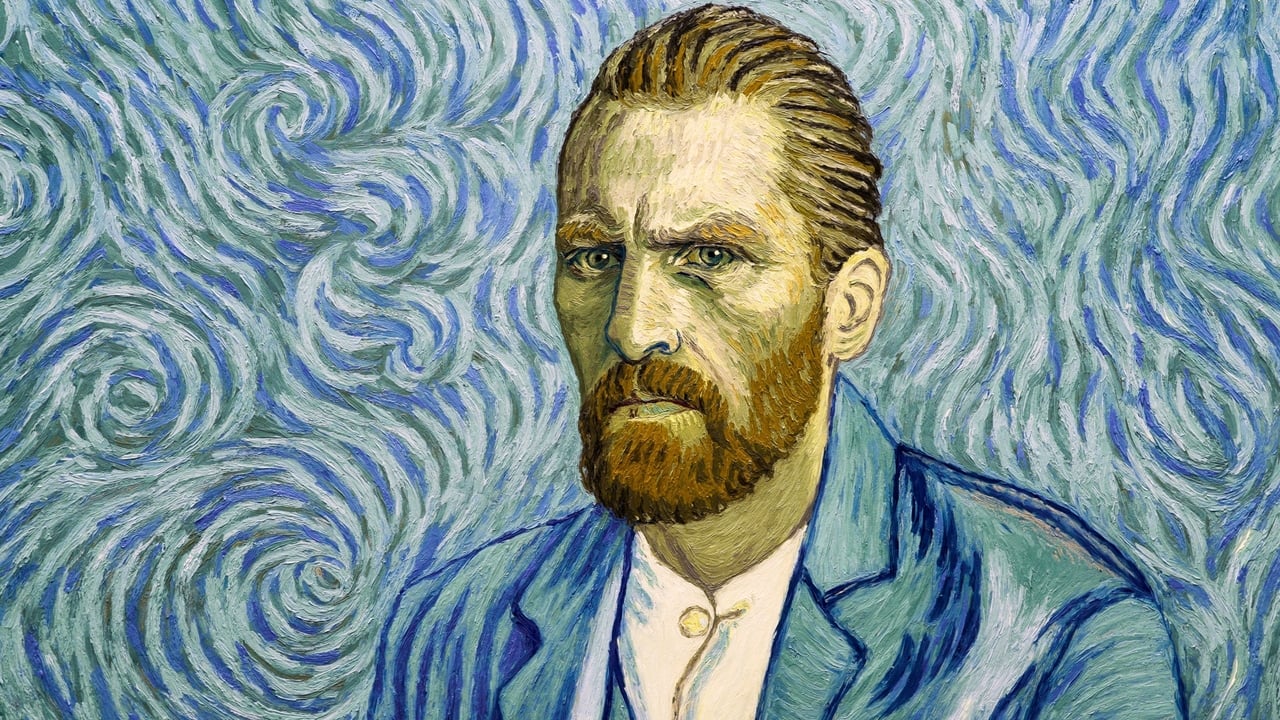
Robert Gulaczyk plays Vincent in flashbacks, and while he doesn't have many lines, his presence looms over every frame. The mystery of his death—was it suicide or a freak accident involving local bullies?—isn't just a plot device; it’s a way for us to grapple with how we perceive "troubled" geniuses today. In our current culture of parasocial relationships and social media post-mortems, the way the townspeople project their own biases onto the dead artist feels uncomfortably familiar.
The Philosophy of the Brushstroke
Beyond the "how did they do that?" of the animation, Loving Vincent asks some heavy questions about legacy. We tend to romanticize the "starving artist," but the film forces us to look at the crushing loneliness that fueled those vibrant yellows. It’s a cerebral experience that avoids being a dry history lesson because it’s so deeply invested in the emotional state of its characters.
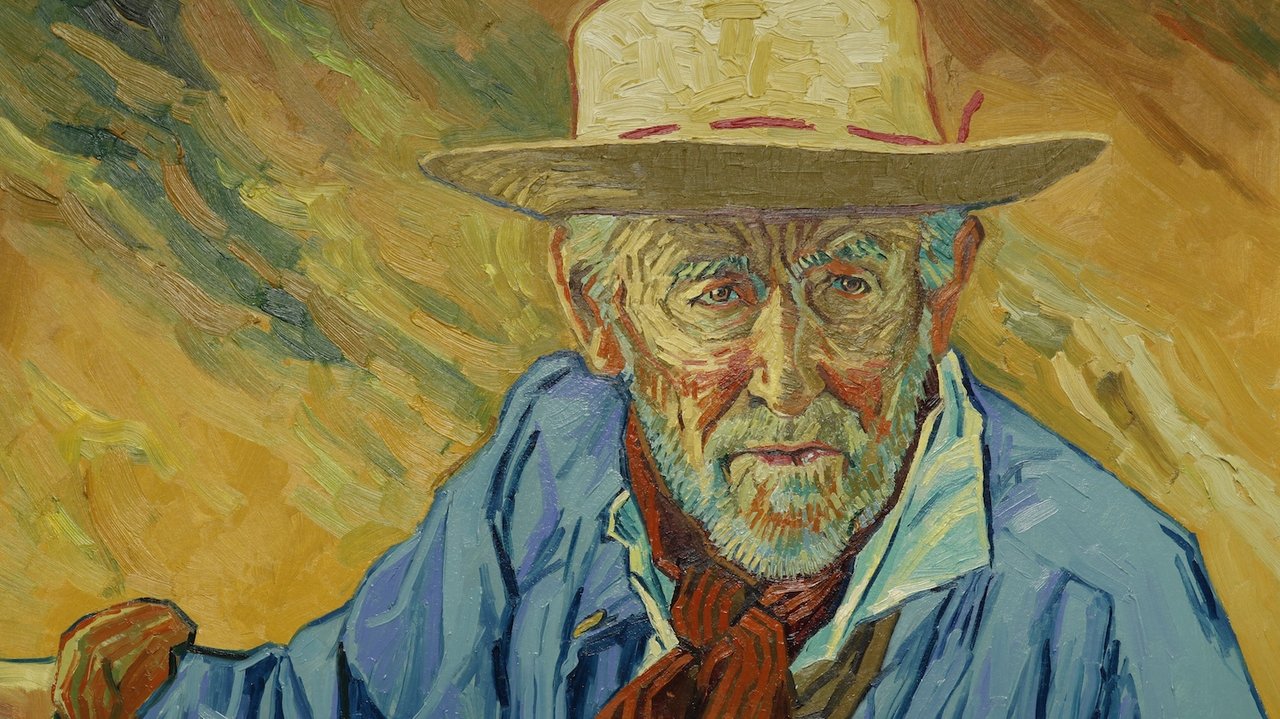
I found myself pondering the nature of perspective. Every character Armand meets sees a different "Vincent." To the doctor, he was a patient; to the barmaid, he was a quiet regular; to the children, he was a target. The film suggests that we can never truly know another person—we only know the version of them that intersects with our own lives. It’s a bit of a gut-punch, honestly. It makes you wonder what people will say about you when you're just a collection of stories and a few old photos (or paintings).
Stuff You Didn't Notice
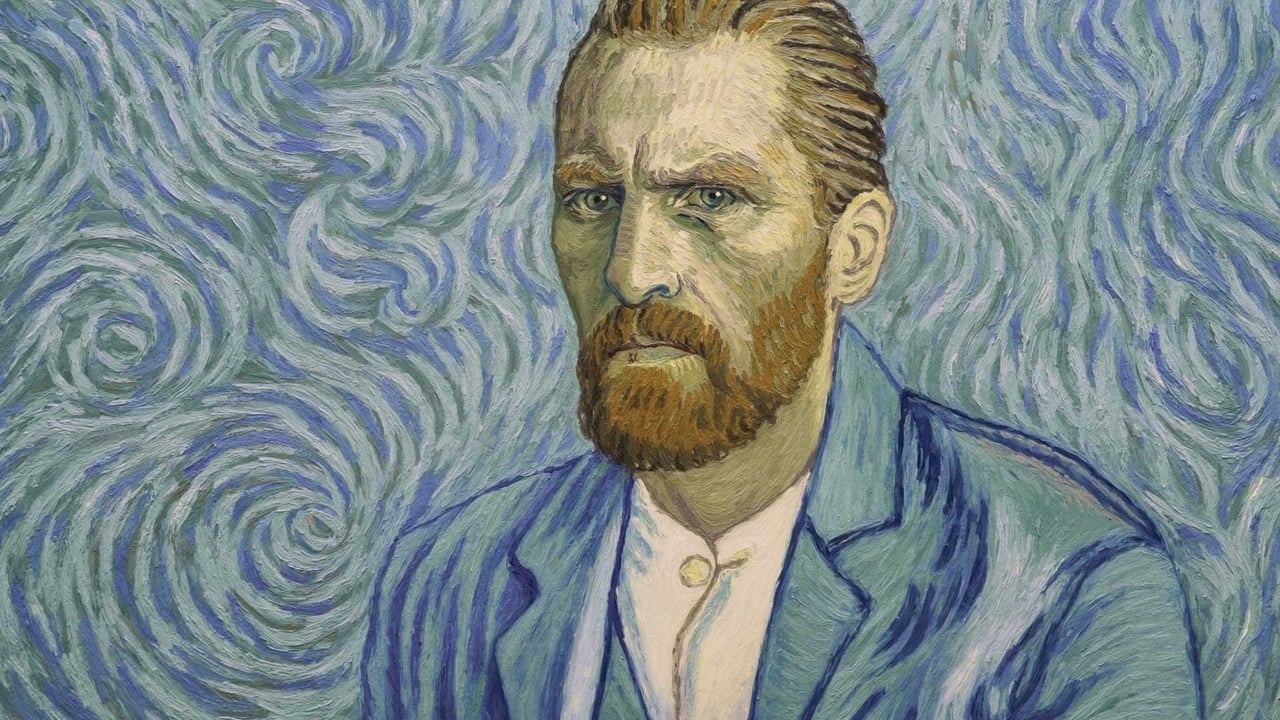
The "cult" status of Loving Vincent didn't come from a massive marketing blitz; it grew from the sheer obsessive dedication of its creators.
Turns out, the actors actually performed the scenes on green-screen sets first. The painters then used those shots as a reference, painting over the frames to ensure the performances of stars like Chris O’Dowd stayed recognizable. The project was originally intended to be a seven-minute short. It took six years to evolve into a feature. The budget was a relatively tiny $5.5 million, yet it out-earned several major studio releases that year simply through word-of-mouth. One of the painters involved reportedly had to be treated for "yellow exhaustion" because of the sheer volume of Van Gogh’s favorite hue required for the fields. * If you look closely at the backgrounds, you’ll see recreations of over 120 of Van Gogh’s actual paintings integrated into the scenes. It’s a giant scavenger hunt for art history nerds.
Loving Vincent is a triumph of persistence over practicality. While the mystery plot sometimes plods along at a pace that might test the patience of someone raised on "John Wick" sequels, the sheer sensory beauty of the thing carries it through the slower moments. It’s a film that reminds me why I love cinema—not because it’s perfect, but because it can show us the world in a way we’ve never seen it before. It’s a slow-burn detective story wrapped in the most beautiful skin imaginable. Go for the art, stay for the existential crisis, and maybe skip the Earl Grey if you’re prone to leaving the bag in.

Keep Exploring...
-
Portrait of a Lady on Fire
2019
-
The Trial of the Chicago 7
2020
-

Weathering with You
2019
-
King Richard
2021
-
The Woman King
2022
-

The Professor and the Madman
2019
-
Brooklyn
2015
-
Spotlight
2015
-

Straight Outta Compton
2015
-
Hail, Caesar!
2016
-

A Taxi Driver
2017
-
Little Women
2019
-

Evangelion: 3.0+1.0 Thrice Upon a Time
2021
-
Guillermo del Toro's Pinocchio
2022
-
Where the Crawdads Sing
2022
-
Marriage Story
2019
-
The Walk
2015
-

Eddie the Eagle
2016
-
Patriots Day
2016
-
Sherlock: The Abominable Bride
2016