Marry Me, Dude
"True friendship is saying 'I do' to avoid deportation."
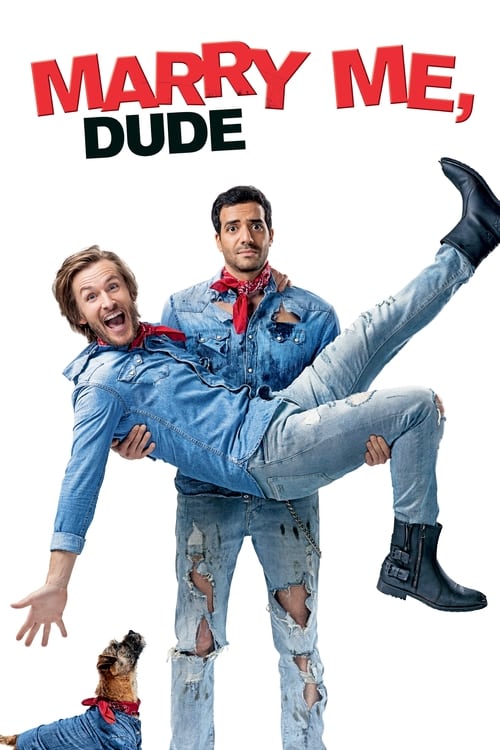
I found myself watching Marry Me, Dude (originally Épouse-moi mon pote) on a Tuesday evening while my radiator was making a rhythmic clanking sound like a haunted xylophone. Strangely, that erratic, slightly annoying metallic tempo perfectly matched the comedic frequency of the film. It’s a movie that moves at a breakneck speed, terrified that if it slows down for even a second, you might actually stop to think about the plot—and that’s the last thing Tarek Boudali wants you to do.

If you aren’t familiar with the "La Bande à Fifi," they are essentially the French equivalent of the Happy Madison crew or the Apatow regulars, but with a specific brand of Gallic slapstick that feels like a caffeinated cartoon. Led by Philippe Lacheau and Tarek Boudali, this troupe has dominated the French box office with high-concept comedies like Babysitting and Alibi.com. This 2017 outing, which marked Boudali’s directorial debut, is perhaps their most polarizing work, largely because it leans into a trope that felt a decade out of date the moment it hit the screen.
The Art of the Fraudulent Farce
The setup is classic farce territory: Yassine (Tarek Boudali), a promising architecture student from Morocco, misses his exam because of a dead cell phone and a series of unfortunate events. His student visa expires, and rather than return home a "failure" to his village, he enlists his dim-witted but loyal best friend Fred (Philippe Lacheau) to enter a "marriage of convenience."
The complication? A dogged, Jean Valjean-esque immigration inspector named Dussart (Philippe Duquesne) who is convinced the union is a sham. To prove their "love," Yassine and Fred have to transform Fred’s man-cave apartment into a stereotypical den of domestic bliss, all while Yassine tries to woo his actual crush, Lisa (Charlotte Gabris).
Mechanically, the comedy is a Swiss watch of setups and payoffs. Boudali and his co-writer Nadia Lakhdar understand the architecture of a gag. There’s a recurring bit involving a blind neighbor, Aveugle (Julien Arruti), that is shamelessly politically incorrect but undeniably well-timed. The film doesn't ask for your intellectual engagement; it asks for your surrender to the absurdity. Whether it’s a disastrous dinner party or a frantic attempt to hide a girlfriend in a closet, the movie functions on pure, kinetic energy.
A Minefield of Modern Tropes
Here is where the contemporary lens gets a bit blurry. Reviewing this in the 2020s, Marry Me, Dude feels like a relic from a different era of comedy. The "straight guys pretending to be gay" subgenre (see: I Now Pronounce You Chuck & Larry) has largely fallen out of favor because it often relies on the very stereotypes it claims to be satirizing.
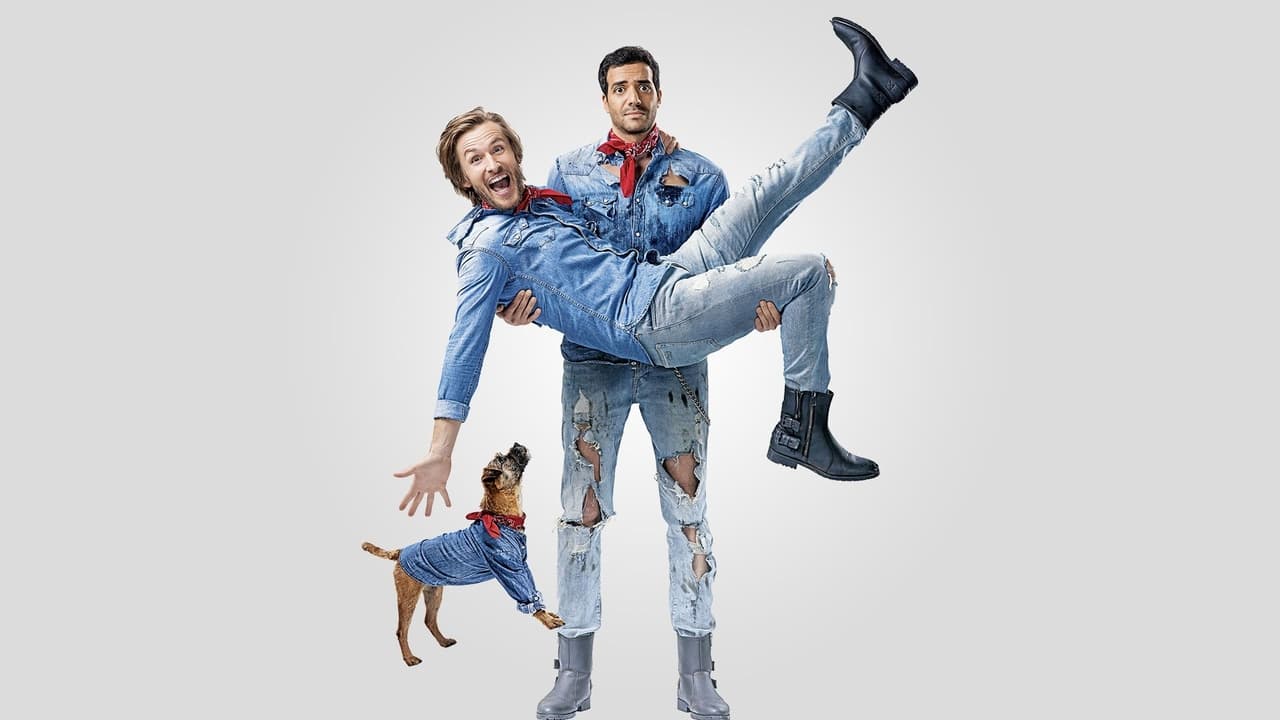
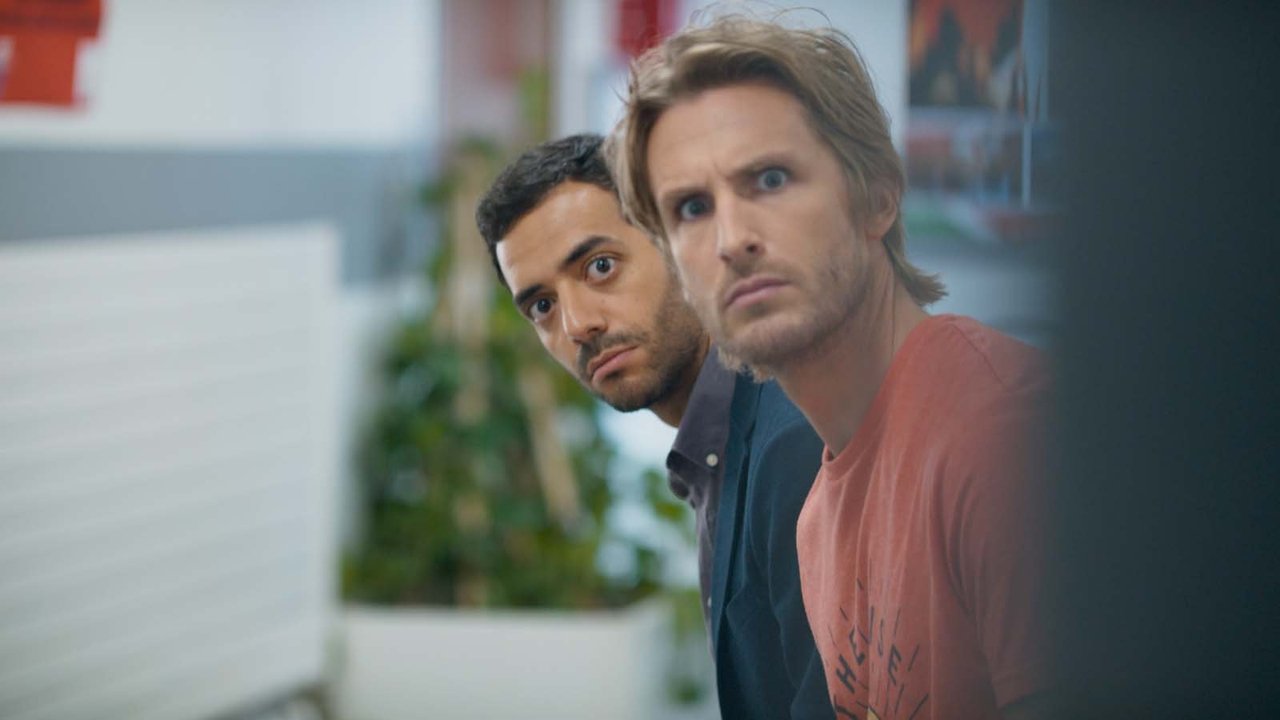
There are moments in this film that are dated enough to give you whiplash. The humor frequently leans on the "shock" of two masculine men in domestic proximity. However, if you look past the cringe-inducing stereotypes, there is a genuine, sweet chemistry between Boudali and Lacheau. They have been working together for years, and their shorthand is evident. They play off each other with a frantic desperation that makes the friendship feel real, even when the situation is patently ridiculous. They aren’t just actors; they are a comedy team in the most traditional sense, and their synchronized panic is the film's strongest asset.
Why It Vanished into the Digital Ether
Despite being a massive commercial hit in France, the film barely made a ripple in the English-speaking world. In the era of streaming dominance, international comedies often struggle to translate unless they have a "prestige" hook or a high-concept sci-fi angle. Marry Me, Dude is aggressively "mainstream" and unapologetically "French commercial," which often means it gets siloed into the deep corners of VOD libraries.
It’s an obscure curiosity now because it sits in an uncomfortable middle ground. It’s too polished to be a cult classic, yet too "incorrect" to be a safe recommendation for a broad modern audience. Yet, for fans of film history, it’s an interesting look at how different cultures process the "buddy comedy." While American comedies of the same era were moving toward the Judd Apatow school of improvisational rambling, the French were sticking to the rigid, physical geometry of the vaudeville tradition.
The production value is surprisingly high for a debut feature. Boudali uses the vibrant colors of Paris and a slick, commercial aesthetic that makes the film feel like a high-budget sitcom. It’s "Popcorn Cinema" in its purest form—designed to be consumed quickly, enjoyed for its salt and crunch, and forgotten before the credits finish rolling.
Marry Me, Dude is a frantic, flawed, and frequently funny relic of the late 2010s. While some of the punchlines haven't aged gracefully, the sheer commitment of the Boudali and Lacheau duo keeps the engine humming. It’s the perfect choice for a "shut your brain off" Friday night, provided you’re willing to navigate some turbulent cultural waters along the way. Just don't expect a nuanced exploration of immigration policy—this is a movie where a blind man accidentally attacks a cake, and it knows exactly what it is.


Keep Exploring...
-

Babysitting 2
2015
-
Babysitting
2014
-

Alibi.com
2017
-

Daddy or Mommy
2015
-

Five
2016
-

Penny Pincher!
2016
-
The Tuche Family: The American Dream
2016
-

Up for Love
2016
-

Le Brio
2017
-
R.A.I.D. Special Unit
2017
-

The Climb
2017
-
Asterix: The Secret of the Magic Potion
2018
-
I Am Not an Easy Man
2018
-
Nothing to Hide
2018
-
Serial (Bad) Weddings 2
2019
-

Absolutely Anything
2015
-
Alvin and the Chipmunks: The Road Chip
2015
-
Barely Lethal
2015
-
Entourage
2015
-

Frozen Fever
2015