Mary and The Witch's Flower
"The broom is old, but the wonder is new."
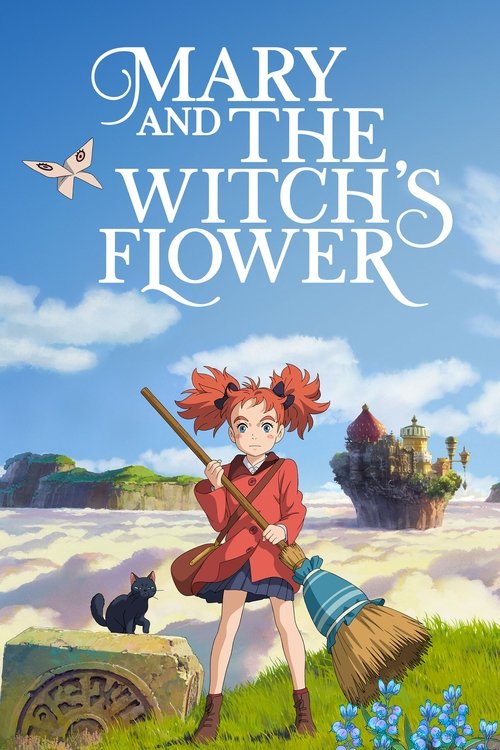
In 2014, when Studio Ghibli announced a "brief pause" following Hayao Miyazaki’s (first) retirement, the animation world let out a collective gasp of despair. It felt like the lights were being dimmed on a specific kind of hand-drawn magic. But nature—and the film industry—abhors a vacuum. Out of the literal embers of that transition rose Studio Ponoc, founded by producer Yoshiaki Nishimura and director Hiromasa Yonebayashi, carrying the Ghibli torch like a relay runner who just realized they’ve got a massive audience watching their every step. Their debut, Mary and The Witch's Flower, arrived in 2017 as a statement of intent: the craft wasn't dead, it had just moved house.
I watched this film on a Tuesday afternoon while trying to ignore a persistent squeak in my floorboards, and I’ll admit, I spent the first twenty minutes looking for "the Ghibli fingerprints" rather than just watching the movie. It’s a hard habit to break when the character designs and the lush, painterly backgrounds feel so much like home.
The Beauty of the Hand-Drawn Rebellion
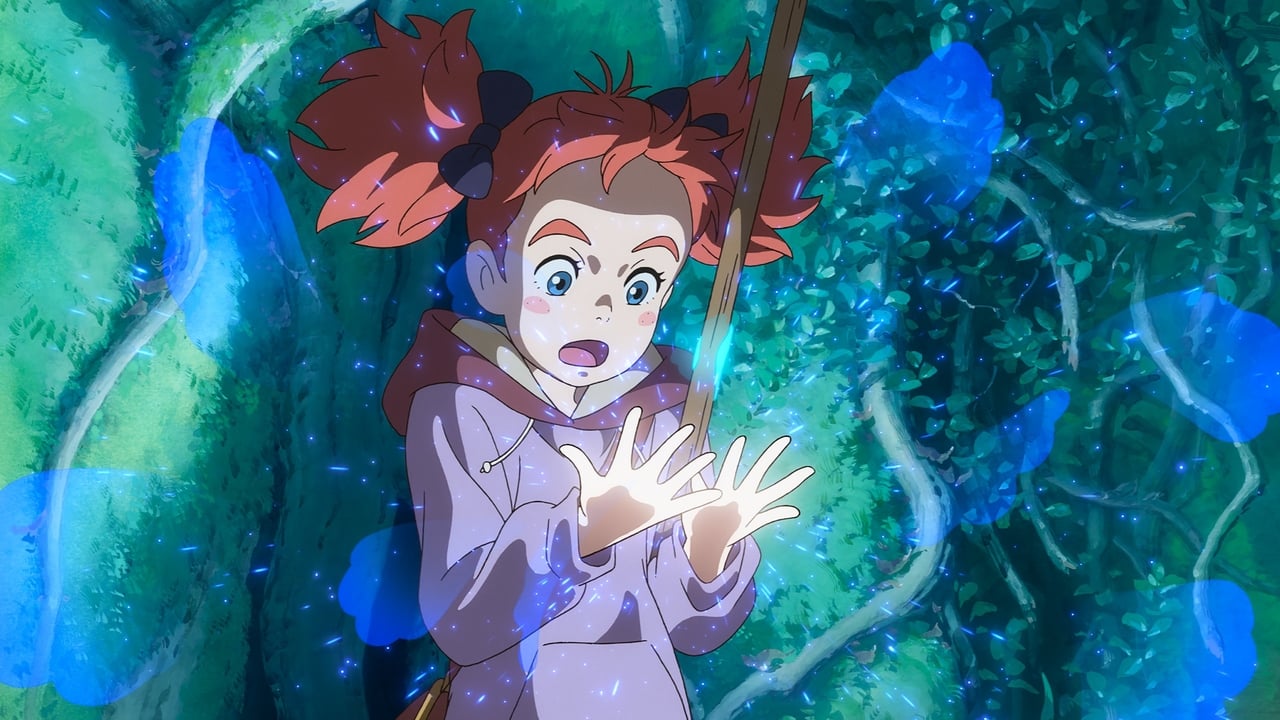
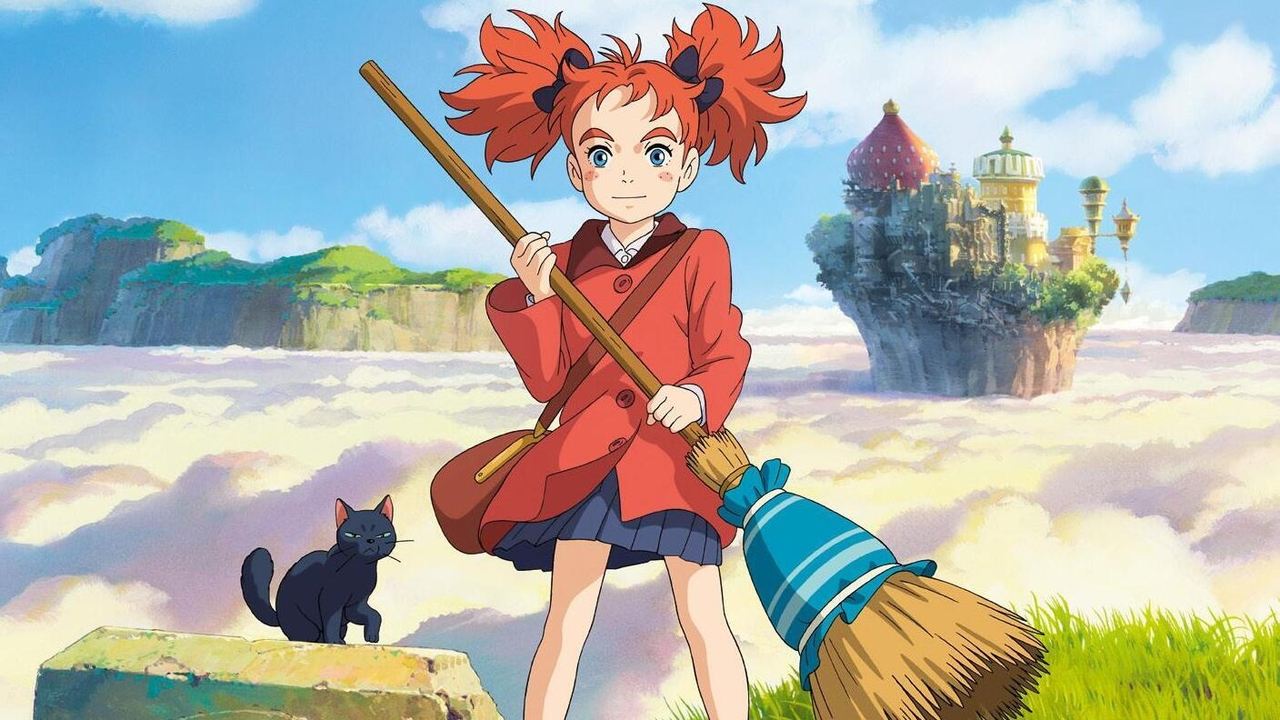
In an era where Disney and Pixar have pivoted almost entirely to 3D models that look like you could reach out and feel the individual fibers of a sweater, Mary and The Witch's Flower feels like a quiet rebellion. It’s a "Contemporary" film that rejects contemporary shortcuts. There’s a tactile, messy joy to the animation here—the way the "Fly-by-Night" flower glows with a pulsating neon blue or the way Mary’s hair seems to have a mind of its own.
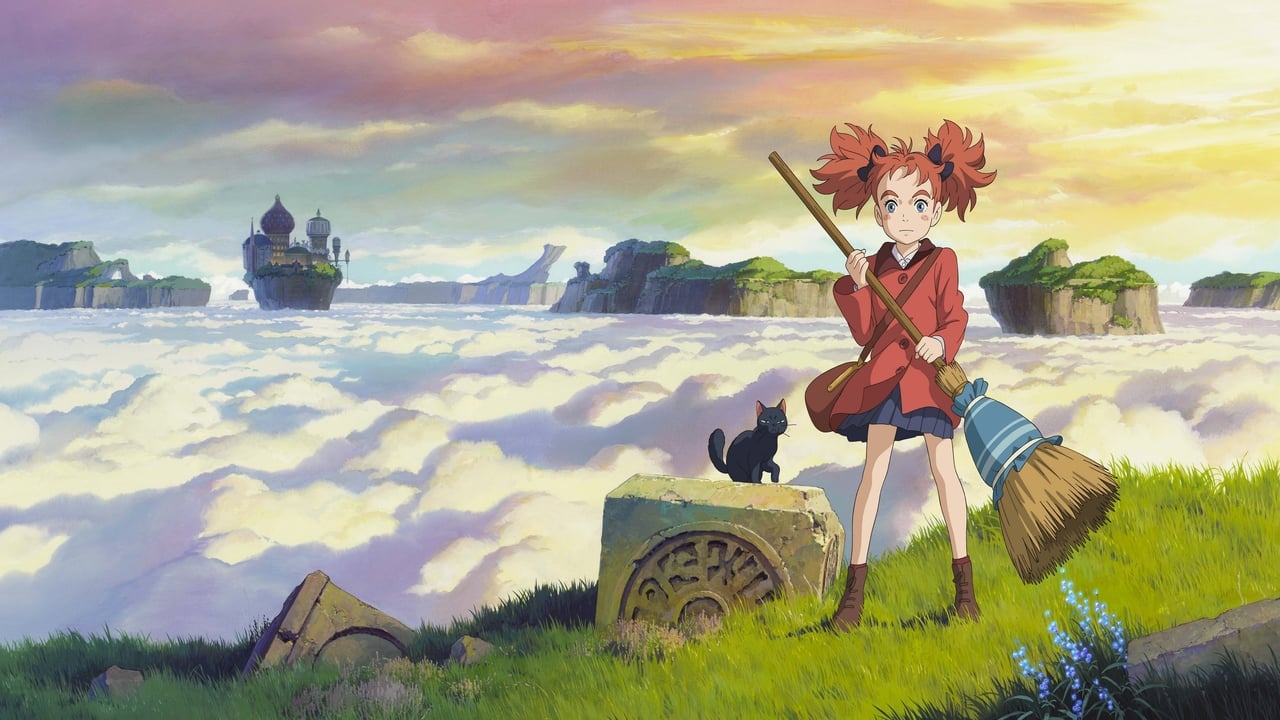
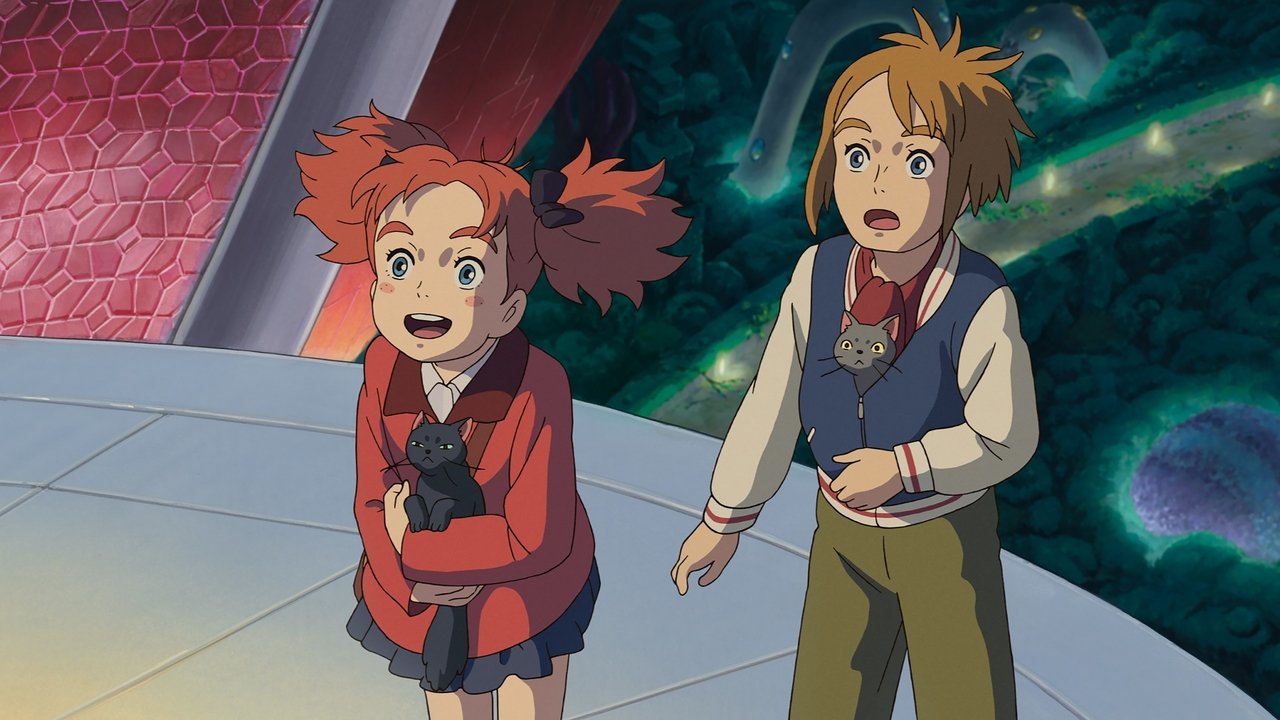
The story, based on Mary Stewart’s The Little Broomstick, follows Mary (Hana Sugisaki in the original Japanese, or Ruby Barnhill in the English dub), a girl with "frizzled" red hair and a talent for making a mess of simple chores. After following a mysterious cat into the woods, she finds a broomstick and a flower that grants her temporary magical powers. This whisks her away to Endor College, a floating academy for witches that looks like it was designed by a committee of mad scientists who lost their OSHA manual.
Hiromasa Yonebayashi (who previously gave us the delightful The Secret World of Arrietty) proves once again that he is the master of scale. Whether Mary is hovering over a sea of clouds or shrinking away from the towering, intimidating presence of Madam Mumblechook (Yuki Amami), the sense of space is palpable. It’s an adventure that understands the physical sensation of "going somewhere," which is a trait many modern CG adventures lose in their quest for hyper-kinetic action.
The Shadow of the Master
The "problem"—if you can even call it that—is that the film is so indebted to its lineage that it occasionally feels like a "Greatest Hits" compilation. You’ve got the plucky girl, the animal sidekick, the flying sequences, and the "nature vs. technology" subtext. At times, it feels like Ponoc was so focused on proving they could do the Ghibli style that they forgot to decide what the Ponoc style actually is.
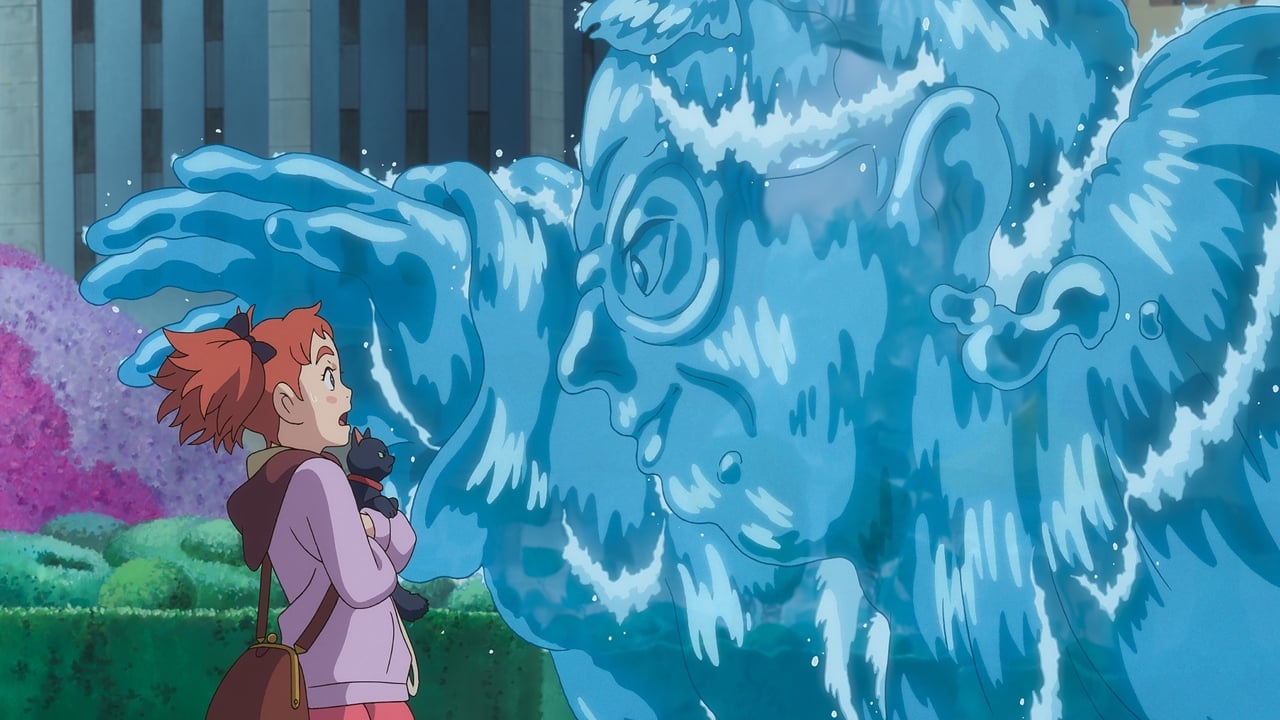
Madam Mumblechook and the eccentric Doctor Dee (Fumiyo Kohinata) are fantastic antagonists, though. Doctor Dee, in particular, is a highlight; he’s a chimera-obsessed weirdo whose character design is genuinely unsettling in that "distorted human" way that Japanese animation does so well. Their obsession with "transforming" things provides the film’s most imaginative sequences, but also its most frantic. Compared to the meditative pacing of When Marnie Was There (Yonebayashi’s previous film), Mary is a high-speed chase. It’s a film for the streaming era’s shorter attention spans, trading some of the quiet "Ma" (the Japanese concept of negative space) for more "Go."
Why It Vanished (And Why to Find It)
Despite a respectable box office, Mary and The Witch's Flower has somewhat faded into the "oh yeah, that one" category of recent animation. It was overshadowed by the sheer cultural dominance of Your Name (2016) and the later return of Miyazaki himself. Because it isn't "officially" a Ghibli film, it often gets left out of those definitive Blu-ray box sets and "must-watch" listicles.
However, it deserves a spot on your shelf. It’s a transitionary relic—a bridge between the analog past and a digital future. It captures a specific moment in the late 2010s when we were all terrified that "real" animation was going extinct. It turns out the film itself is a metaphor for this: Mary isn't a "real" witch; she's using borrowed power from a flower. She’s an imposter trying to find her way in a world of masters. There’s something incredibly earnest about that, reflecting the animators at Ponoc who were trying to find their own feet after the "parent" studio closed its doors.
The adventure itself is brisk and colorful, even if the ending feels a bit rushed, like a firework that pops beautifully but doesn't quite leave a trail in the sky. Still, the world-building—the strange creatures, the bubbling cauldrons, the sheer greenness of the English countryside—is enough to make you want to climb through the screen.
If you’re looking for a masterpiece that will redefine your soul, you might find this a bit lightweight. But if you want an hour and a half of pure, unadulterated wonder that smells like old books and fresh rain, Mary’s your girl. It’s a lovely, slightly flawed first step for a studio that dared to keep the paintbrushes wet in a world of pixels. It’s a reminder that even "borrowed" magic can still take you somewhere worth going.
Keep Exploring...
-
The Boy and the Beast
2015
-
Olaf's Frozen Adventure
2017
-
How to Train Your Dragon: Homecoming
2019
-
Red Shoes and the Seven Dwarfs
2019
-
Over the Moon
2020
-
The Addams Family 2
2021
-
Strange World
2022
-
The Sea Beast
2022
-
One Piece Film Red
2022
-
Suzume
2022
-
Nimona
2023
-
Wish
2023
-
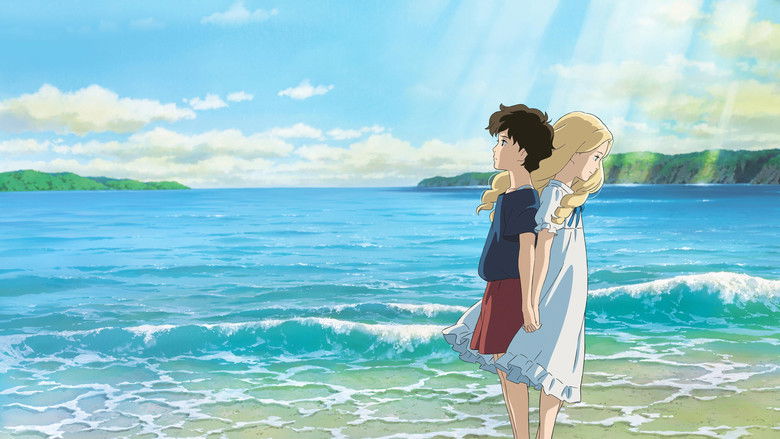
When Marnie Was There
2014
-

The Little Prince
2015
-

Trolls
2016
-
Frozen II
2019
-
Scooby-Doo! Return to Zombie Island
2019
-
Onward
2020
-
The Croods: A New Age
2020
-
Trolls World Tour
2020