Murder on the Orient Express
"A world of luxury, a carriage of lies."
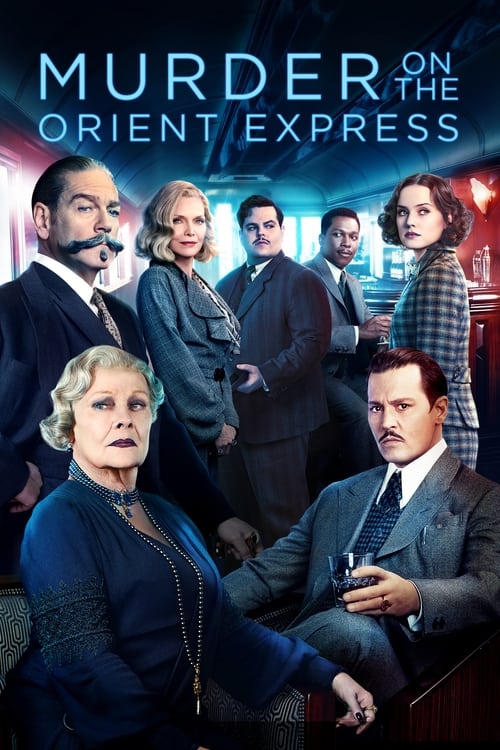
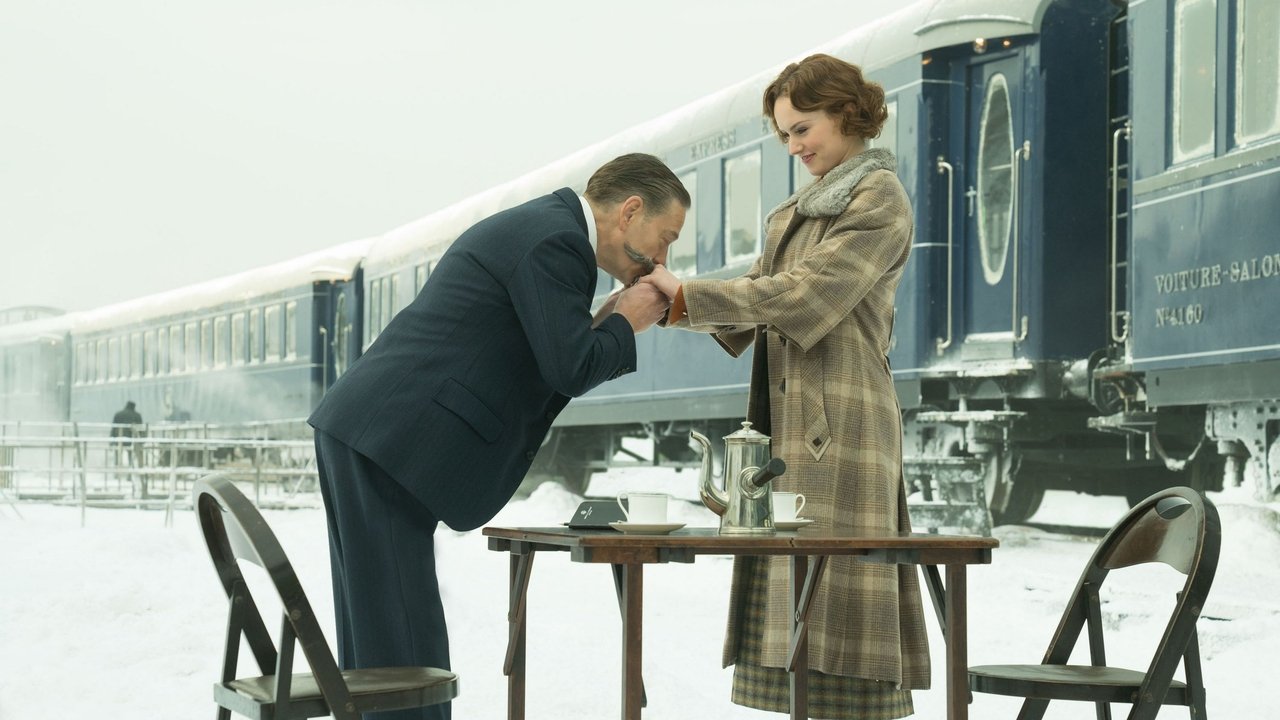
If you’re going to remake a classic that was already perfected in 1974, you’d better bring a very large, very expensive distraction to the table. In the case of Kenneth Branagh’s 2017 revival of Murder on the Orient Express, that distraction is a mustache so architectural, so aggressively dual-layered, that it deserves its own credit in the opening crawl. It’s the first thing you see, and in many ways, it’s a mission statement for this entire era of "prestige IP" filmmaking: everything is bigger, louder, and significantly more groomed than it used to be.
I watched this during a rainy Tuesday matinee where the only other person in the theater was an elderly man who fell asleep and snored in the key of B-flat during the entire second act. Oddly enough, his rhythmic breathing actually added a layer of "sleeping car" immersion that I think Branagh (who directed and starred) would have appreciated.
The Return of the "Dad Movie" Blockbuster
In an era where the box office is largely a graveyard for anything without a cape, Murder on the Orient Express was a fascinating anomaly. It’s a quintessential "Dad Movie"—the kind of mid-budget, star-studded drama that usually gets sent straight to a streaming service like Netflix to die a quiet death in the "Recommended for You" tray. Yet, it pulled in over $350 million.
Why? Because Branagh understands that contemporary audiences are starved for texture. He shot this on 65mm film—the same format Christopher Nolan uses for Oppenheimer—which gives the snow-covered landscapes and the velvet interiors a depth you just don’t get from a standard digital sensor. It feels like a "big" movie, even though it's mostly twelve people shouting at each other in a hallway. Branagh’s Poirot looks less like a detective and more like a man who lost a serious bet with a taxidermist, but the sheer scale of the production makes you forgive the vanity.
A Masterclass in "Who's Who" Casting
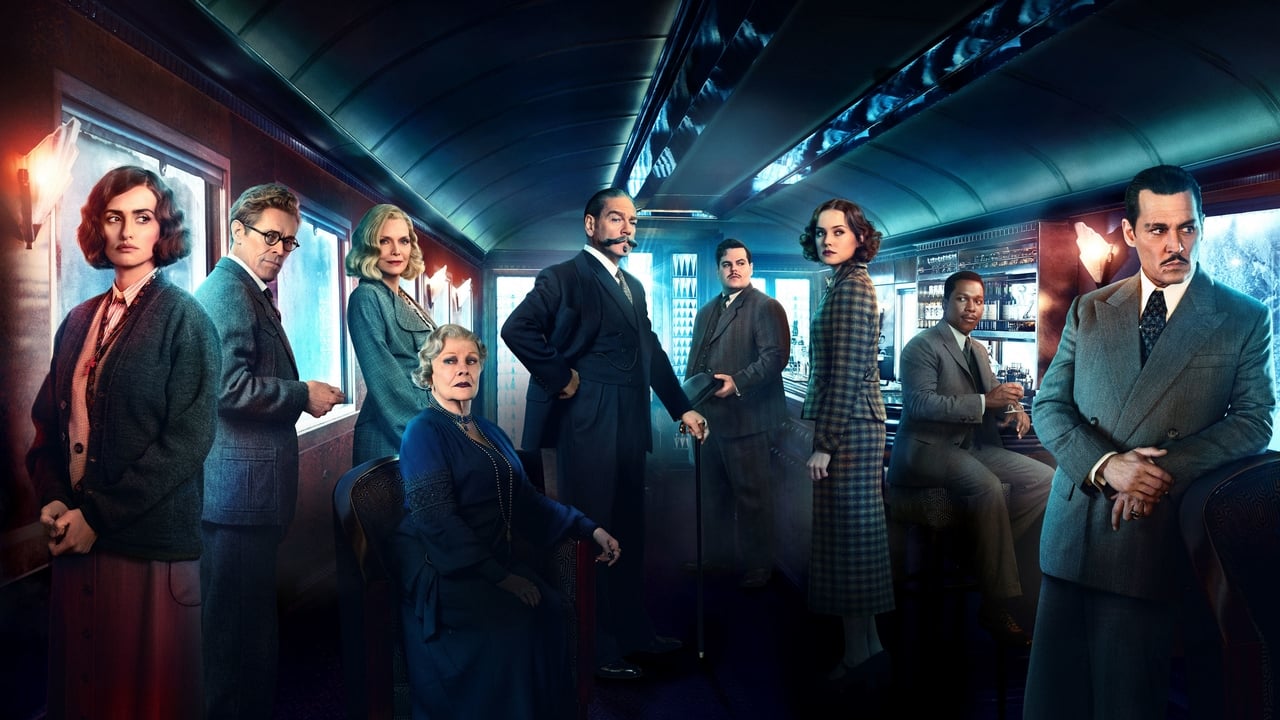
The 2017 version leans heavily into the "ensemble as spectacle" trend. You’ve got Johnny Depp playing Ratchett as a man who knows he’s the villain in someone else’s story, Josh Gad trying on "serious actor" shoes that actually fit, and Willem Dafoe doing that thing where he can look suspicious just by existing.
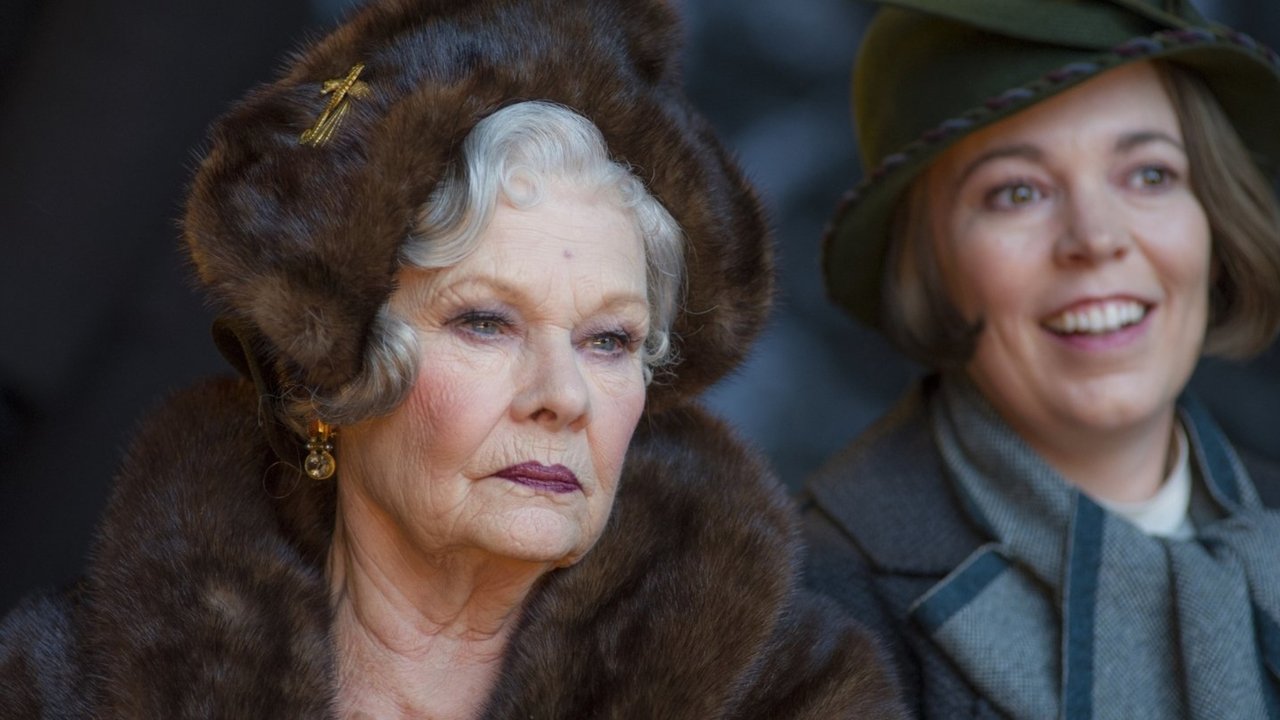
However, the real soul of the film belongs to Michelle Pfeiffer. As Caroline Hubbard, she has to navigate the treacherous line between "flirtatious widow" and "woman with a secret," and she does it with more grace than the script perhaps deserves. There’s a scene toward the end where the camera lingers on her face as the weight of the mystery collapses, and it’s the only time the movie feels like a genuine human drama rather than a very expensive game of Clue.
Branagh’s Poirot is a bit more action-oriented than the versions played by Albert Finney or David Suchet. He’s faster, more temperamental, and prone to dramatic monologues about the "fracture of the soul." It’s Poirot for the social media age: a man who isn’t just solving a crime, but is actively curated for a theatrical reveal.
The Art of the Moving Set
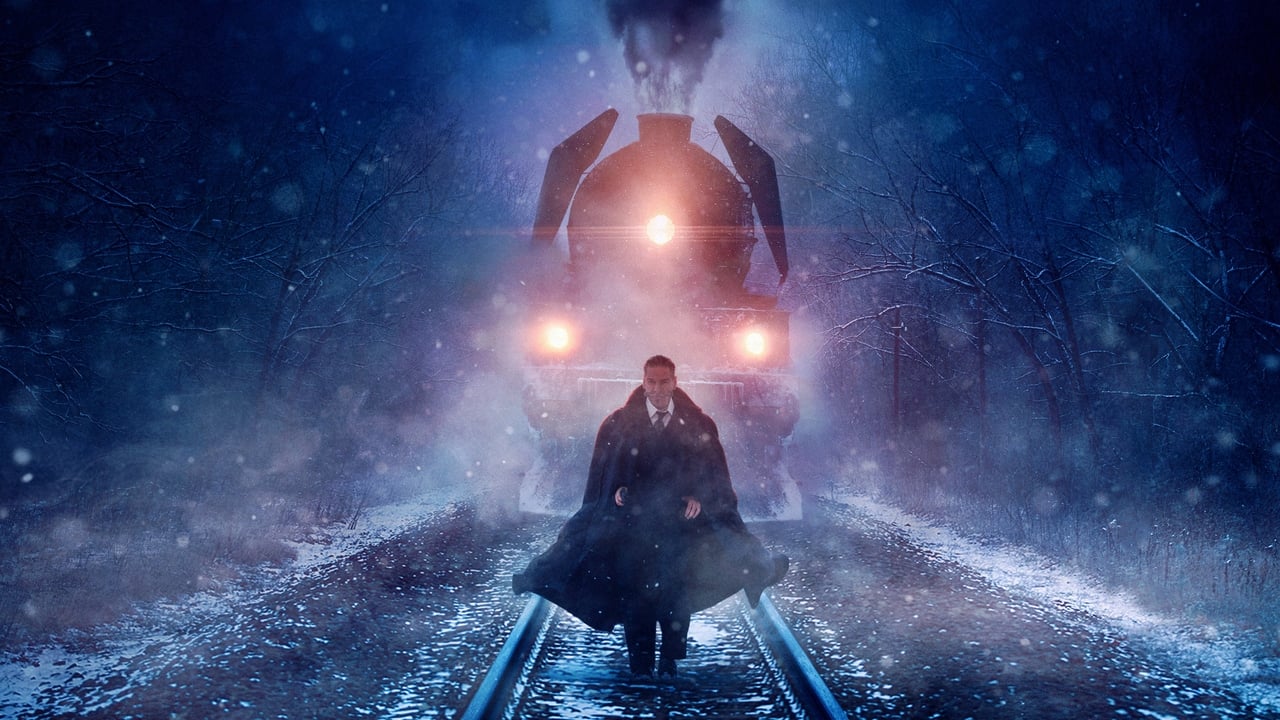
One of the coolest details about the production is that they didn’t just build a train; they built a world around it. Instead of using traditional green screens, the crew at Longcross Studios surrounded the train carriages with massive LED screens playing footage of the Swiss Alps. This meant the light reflecting off Daisy Ridley’s eyes or Tom Bateman’s champagne glass was actually "real" light from the digital environment. It’s a precursor to "The Volume" technology used in The Mandalorian, and it makes the train feel like it’s actually hurtling through the night.
The production also featured:
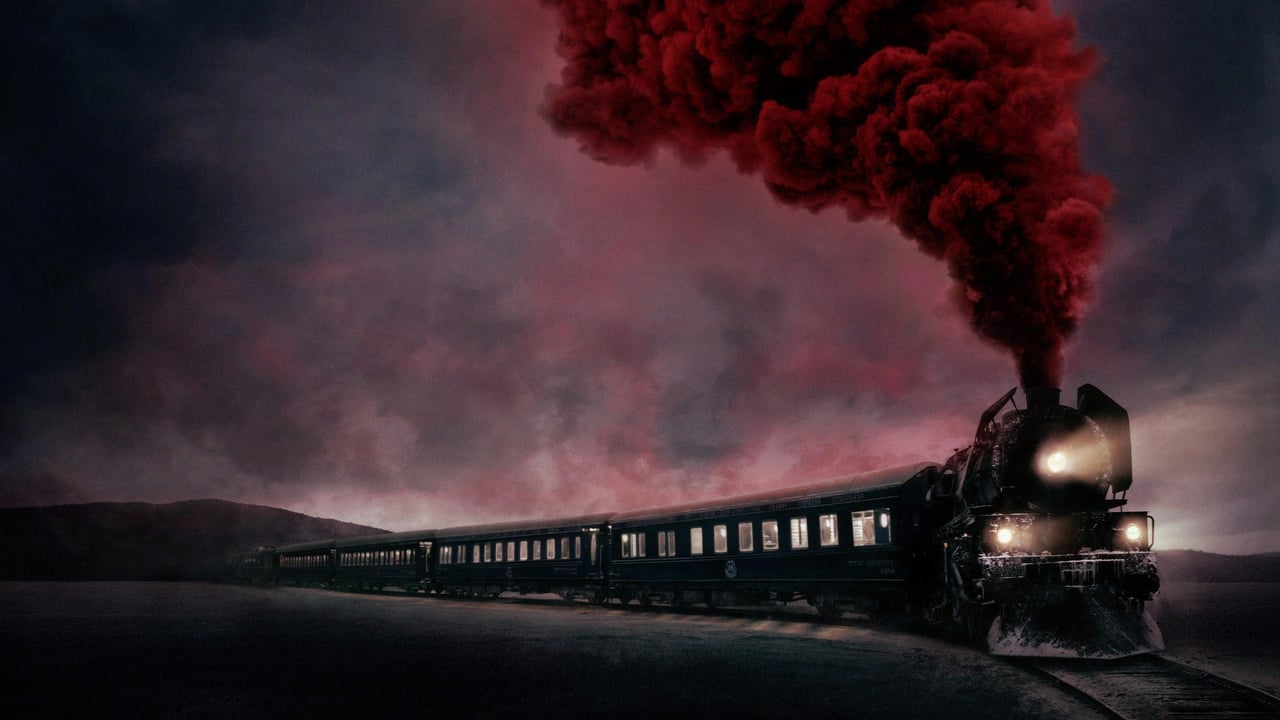
A fully functioning, 150-ton replica of the Orient Express steam engine. The "Last Supper" shot: The final confrontation was staged to mirror Da Vinci’s painting, a bit of visual flair that is about as subtle as a sledgehammer to a soufflé. Michelle Pfeiffer actually sang the haunting song "Never Forget" over the closing credits, which was written by the film’s composer, Patrick Doyle (who also scored Brave and Thor). The mustache took six months of research and development to perfect—because apparently, Agatha Christie’s description of it being the "most magnificent mustache in England" was taken as a personal challenge by the hair and makeup department.
Ultimately, Murder on the Orient Express is a victory for the "middle-ground" movie. It manages to take a story everyone already knows the ending to and makes the journey feel worth the ticket price through sheer, unadulterated craft. While it sometimes favors style over the quiet, psychological clockwork that makes Christie’s novels so enduring, it’s hard to stay mad at a film that looks this good. It’s a lush, slightly over-the-top reminder that sometimes we just want to dress up, get on a train, and watch a genius with a ridiculous face-caterpillar solve a crime.
It’s the cinematic equivalent of a high-end box of chocolates: you know exactly what’s inside, but the packaging is so nice you don’t mind paying the premium. If you’re looking for a mystery that feels like a warm blanket with a few sharp needles hidden inside, this is your ride. Just don't expect the mustache to make any sense.
Keep Exploring...
-
Death on the Nile
2022
-
A Haunting in Venice
2023
-
Cinderella
2015
-
Mr. Holmes
2015
-
Hail, Caesar!
2016
-
Wind River
2017
-
Bad Times at the El Royale
2018
-
Under the Silver Lake
2018
-

Belfast
2021
-
The Good Nurse
2022
-
The Outfit
2022
-
The Mule
2018
-
The Batman
2022
-

Dark Places
2015
-
The Accountant
2016
-
The Girl on the Train
2016
-
Game Night
2018
-
Hustlers
2019
-
Where the Crawdads Sing
2022
-
Nightmare Alley
2021