One Cut of the Dead
"Blood, Sweat, and One Miraculous Take."
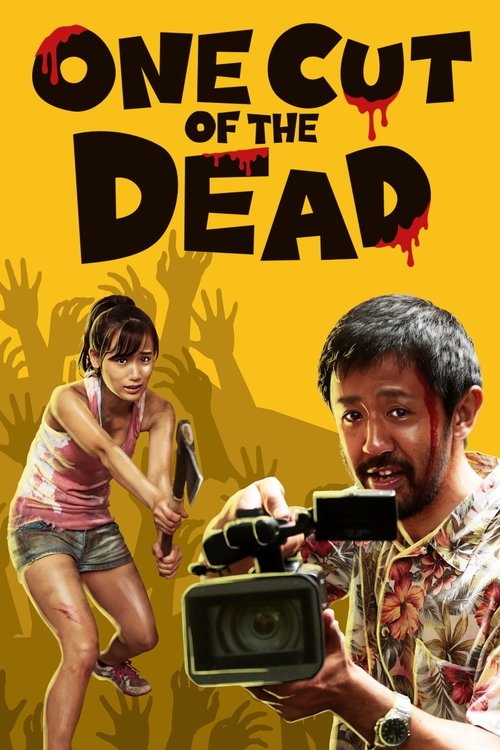
For the first thirty-seven minutes of One Cut of the Dead, I was convinced I was watching a disaster. I was sitting on my couch, nursing a lukewarm bowl of instant ramen that was arguably too salty, wondering if I had been profoundly lied to by every critic on the internet. The camera wobbles like it’s being held by a man mid-seizure, the acting is histrionic, and there are strange, lingering pauses where characters just... stare into the middle distance. It feels like the kind of bargain-bin horror you’d find at the bottom of a literal bin.
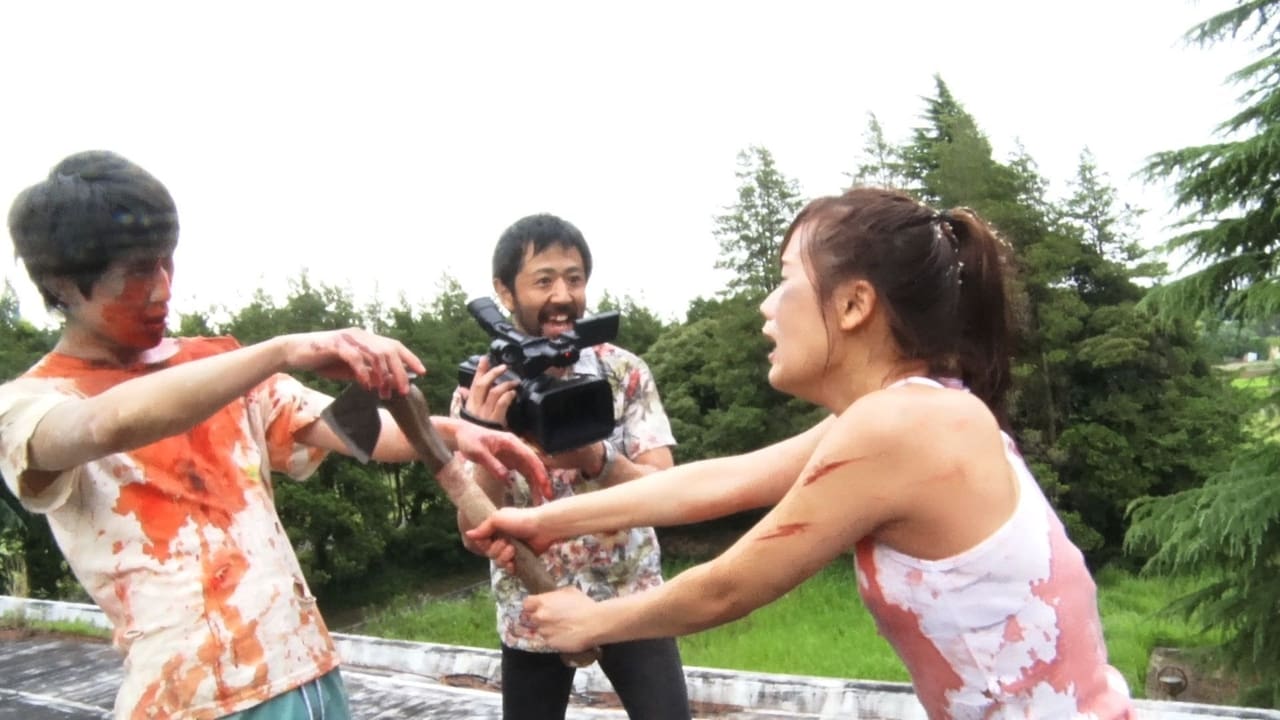
But then, the credits roll. At the forty-minute mark. And suddenly, Shinichiro Ueda pulls back the curtain to reveal one of the most sophisticated, high-wire acts of storytelling I’ve seen in the last decade.
The Architecture of a Miracle
To talk about this film is to navigate a minefield of spoilers, but the "hook" is public knowledge: the first third is a single, uninterrupted thirty-seven-minute take of a zombie movie shoot gone wrong. Real zombies show up, the director, played with a manic, terrifying desperation by Takayuki Hamatsu, refuses to stop filming, and chaos ensues.
In our current era of $200 million franchise bloat, where CGI "one-takes" are stitched together by computers in a Burbank office, there is something deeply intense about watching Takeshi Sone’s cinematography here. You can feel the sweat. You can feel the physical exhaustion of the camera operator. When blood splatters on the lens and a hand reaches out to wipe it away—a moment I initially thought was a bush-league mistake—it carries a weight that no Marvel movie can replicate. It’s the sound of a filmmaker screaming at the audience to pay attention to the frame.
The Gospel of "Don't Stop Shooting!"

The film eventually shifts gears, moving back in time to show us how this low-budget "masterpiece" was actually assembled. This is where the heart of the movie beats the loudest. We meet the "real" versions of the actors: Yuzuki Akiyama as the "difficult" starlet, Kazuaki Nagaya as the ego-driven lead, and the standout Harumi Shuhama as the director’s wife, a woman who takes the phrase "getting into character" to a dangerously literal extreme.
As a seasoned observer of the indie grind, I found the second act’s depiction of the ENBU Seminar—the actual acting workshop where this film was conceived—to be profoundly moving. Apparently, the film was made for a measly $52,406. For context, that’s roughly the catering budget for a single day on a Michael Bay set. Shinichiro Ueda didn't just make a movie about filmmaking; he made a movie about the specific, agonizing trauma of trying to create art when the universe is actively conspiring against you. The stakes aren't just "surviving the zombies"; the stakes are "completing the shot before the sun goes down." In the dark, grimy world of independent production, those two things are functionally identical.
A Masterclass in Human Friction
The third act is where the "Dark/Intense" modifier of the filmmaking process really crystallizes. We watch the thirty-seven-minute take again, but from the perspective of the crew behind the camera. It transforms from a mediocre horror film into a breathless, high-stakes comedy of errors. The sheer ingenuity required to fix a camera malfunction or a fumbled prop in real-time is more thrilling than any car chase.

I’ve seen plenty of meta-commentaries on cinema, but few that celebrate the crew with such ferocity. We see Mao (the director's daughter in the film) stepping in to manage the chaos, and we see the physical toll the production takes on everyone involved. It highlights a fundamental truth about the contemporary streaming era: while we are drowning in "content," we are starving for effort. One Cut of the Dead is nothing but effort. It is a film held together by duct tape, prayer, and the stubborn refusal of Takayuki Hamatsu’s character to let a single mistake ruin the dream.
There’s a specific brand of "indie hustle" here that feels vital in 2024. In an age where AI-generated imagery threatens to sanitize the "human" out of the frame, this movie is a messy, bloody, joyous counter-argument. It’s a reminder that the best special effect is a group of people refusing to give up.
Ultimately, One Cut of the Dead is a Trojan horse. It disguises itself as a schlocky midnight movie only to reveal itself as one of the most sincere expressions of parental love and creative passion ever captured on digital sensor. It demands your patience, but the payoff is a transcendent cinematic high. By the time I finished the film, my ramen was cold and congealed, but I didn't care. I felt like I had just witnessed a small, dirty, beautiful miracle. If you have ever tried to make something—anything—against the odds, this movie isn't just entertainment; it’s a religious experience.


Keep Exploring...
-
Raw
2016
-
Climax
2018
-
Run
2020
-
The Exorcism of God
2022
-
The House
2022
-
Bone Tomahawk
2015
-

The Lobster
2015
-
Hunt for the Wilderpeople
2016
-
Sing Street
2016
-
Swiss Army Man
2016
-
The Witch
2016
-
Eighth Grade
2018
-
mid90s
2018
-
Summer of 84
2018
-

The Farewell
2019
-
Speak No Evil
2022
-
It
2017
-
A Quiet Place
2018
-

The House That Jack Built
2018
-
Jojo Rabbit
2019