Papillon
"Steel bars can’t break a butterfly’s wings."
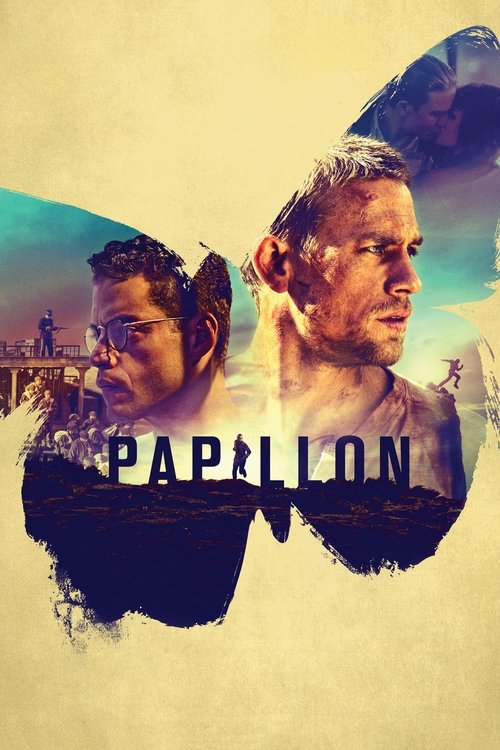
There is a specific kind of arrogance required to remake a film that starred Steve McQueen and Dustin Hoffman. It’s like trying to repaint the Sistine Chapel with a fresh coat of Sherwin-Williams. You might make it look cleaner, but you’re competing with ghosts. Yet, here we are with the 2017 iteration of Papillon, a film that decided to lean into the dirt, the grime, and the bone-deep exhaustion of the French penal system to see if modern cinematic grit could outshine 1970s charisma.
I watched this on a Tuesday night while battling a particularly stubborn head cold, and I’m convinced the sympathetic congestion only added to the film's oppressive, humid atmosphere. As Charlie Hunnam gasped for air in a damp solitary cell, I blew my nose in solidarity. It’s that kind of movie—you don't just watch it; you feel like you need a tetanus shot afterward.
The Ghost of Steve McQueen
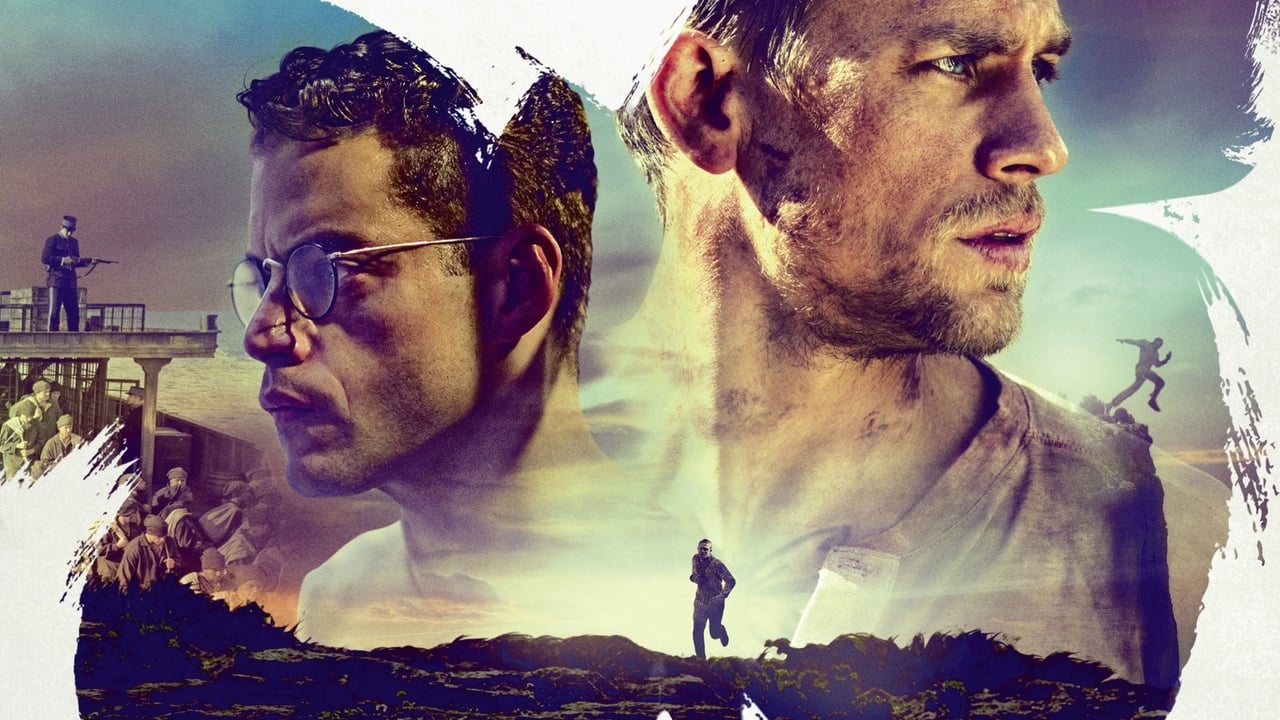
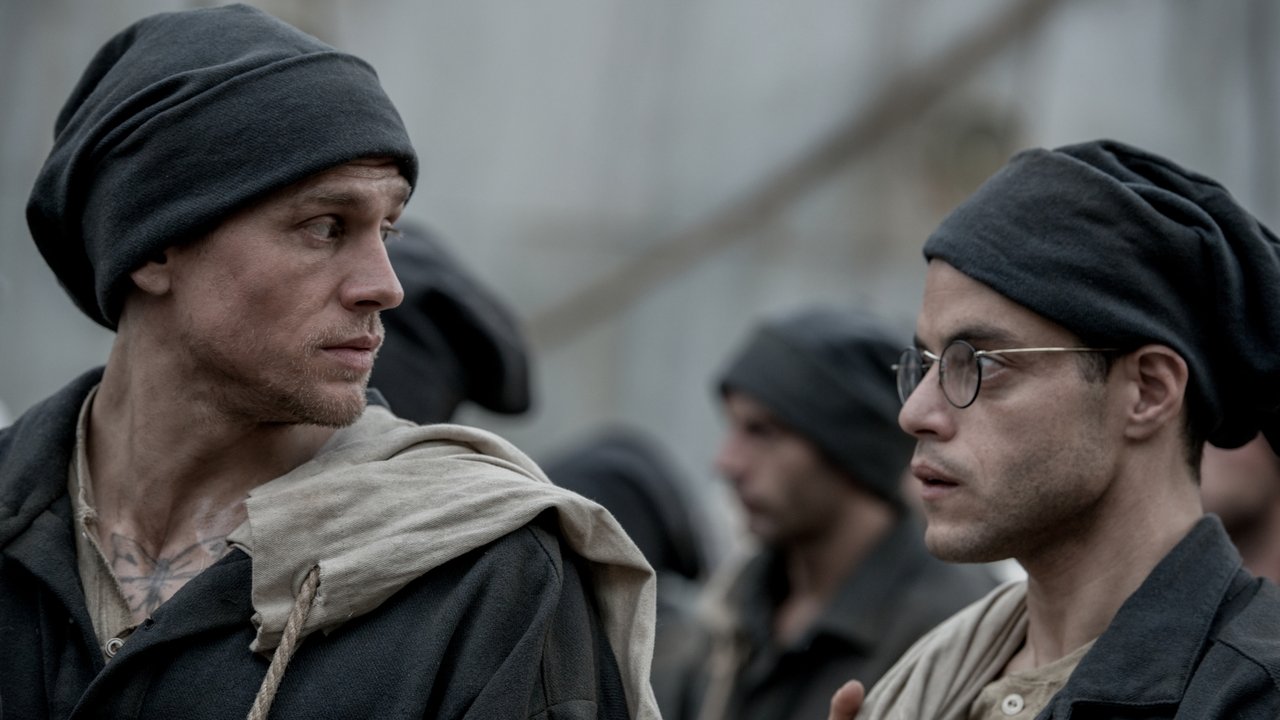
The story remains the same because history (and Henri Charrière’s likely exaggerated memoir) doesn't change. Henri “Papillon” Charrière, played by Charlie Hunnam, is a Parisian safecracker framed for murder and shipped off to the literal end of the earth: French Guiana. On the boat ride to hell, he meets Louis Dega (Rami Malek), a frail, wealthy counterfeiter who has money hidden in places a gentleman shouldn't mention. They strike a deal: Papillon provides the muscle, Dega provides the bankroll for an escape.
In this contemporary era, where we’re saturated with "legacy sequels" and unnecessary reboots, this film feels like a strange outlier. It isn't trying to build a "Prison Break Cinematic Universe." It’s a straightforward, old-school drama that relies on the physical transformation of its leads. Charlie Hunnam is often dismissed as just a jawline with a gym membership, but he’s doing some heavy lifting here. Following his work in The Lost City of Z, he clearly has a thing for getting lost in the jungle and losing significant amounts of body fat for our entertainment. I’m starting to think Hunnam’s actual hobby is just starving himself in various tropical locations.
A Bromance Formed in the Mud
The real reason this 2017 version works—and the reason it has garnered a bit of a cult following on streaming platforms lately—is the chemistry between the two leads. Rami Malek, fresh off the twitchy brilliance of Mr. Robot but before he donned the prosthetic teeth for Bohemian Rhapsody, is the perfect foil. He plays Dega with a fragile, wide-eyed terror that makes the stakes feel real. When Papillon protects him, it doesn’t feel like a plot device; it feels like the only spark of humanity left in a place designed to extinguish it.
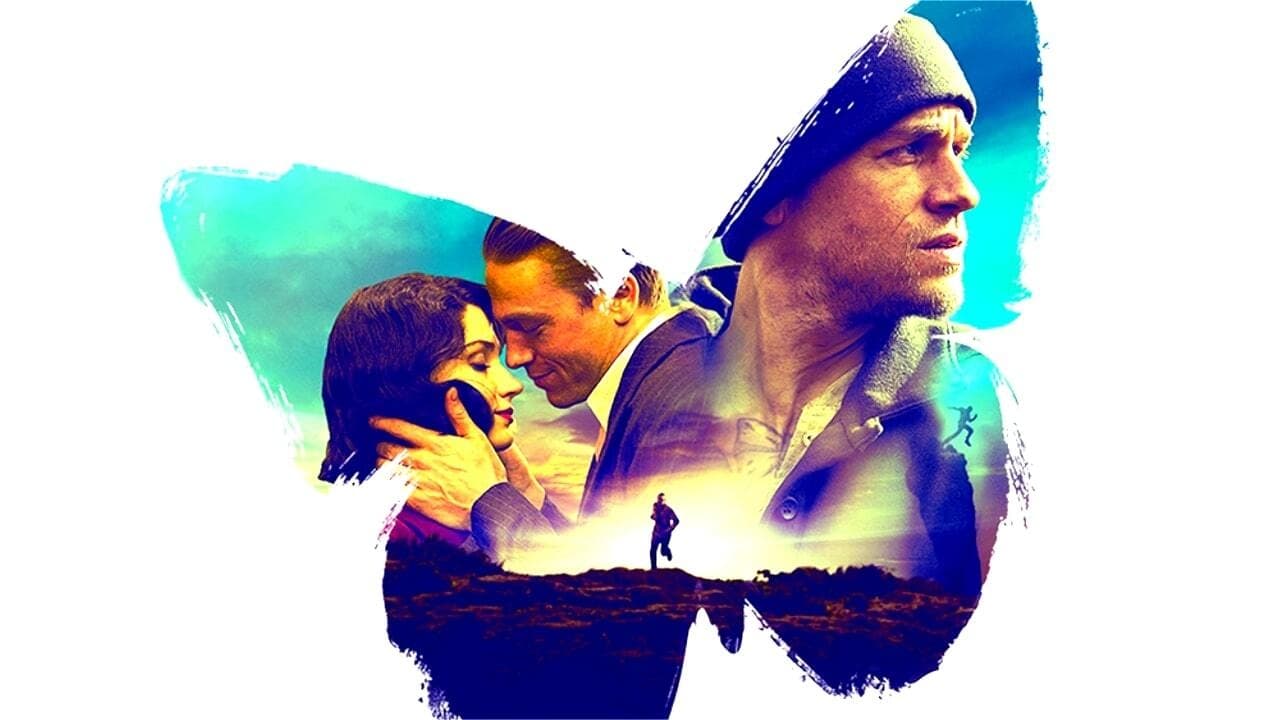
Director Michael Noer, who made the visceral Danish prison drama R, brings a European sensibility to the violence. It’s not "action-movie" violence; it’s clumsy, desperate, and ugly. The cinematography by Hagen Bogdanski (who also shot the haunting The Lives of Others) captures the juxtaposition of the stunning Caribbean scenery with the rotting human flesh within the prison walls. It’s a beautiful place to die. The film essentially looks like a high-end travel brochure for a place that will absolutely kill you.
The Brutality of the Silent Cell
The middle act of the film is where the "Dark" modifier truly earns its keep. Papillon is thrown into solitary confinement—the "Silent Cell"—where talking is forbidden, light is a luxury, and the diet consists of a thin soup that probably has more in common with dishwater than food. It’s a grueling sequence. Apparently, Charlie Hunnam actually spent five days in a silent cell during production to get into the headspace, and while I usually roll my eyes at Method acting, the hollowed-out look in his eyes during these scenes is haunting.
Interestingly, this version leans harder into the historical context of the "Devil's Island" colony than the 1973 version did. We see the bureaucracy of the cruelty, overseen by a cold Christopher Fairbank. It feels relevant for a 2017 audience—a reflection on the dehumanization of incarcerated people that feels uncomfortably modern despite the period setting.
Stuff You Didn't Notice
The film was shot in Malta and Serbia, doubling for the lush, terrifying jungles of South America. The script was penned by Aaron Guzikowski, who wrote the incredibly bleak Prisoners (2013), which explains why the film feels like a weight on your chest. Charlie Hunnam reportedly lost about 40 pounds for the solitary confinement scenes. While the film didn't set the box office on fire, it has found a second life with fans of the "Escape" subgenre who appreciate its more rapid pacing compared to the 150-minute original. The real Henri Charrière’s life is still a subject of massive debate; many historians believe he stole the stories of other inmates and claimed them as his own, making Papillon* the original "based on a true story" tall tale.
The 2017 Papillon might not replace the 1973 classic in the pantheon of cinema, but it earns its seat at the table. It’s a grim, beautifully acted testament to the endurance of the human spirit—or at least the endurance of a man who really, really hates being told what to do. If you can stomach the sight of teeth falling out and the sound of humid despair, it’s a journey worth taking. It’s the kind of film that makes you deeply grateful for your own bed, your own freedom, and the fact that you aren't currently jumping off a cliff with a bag of coconuts.
Just make sure you have a drink nearby. You’ll feel thirsty just watching them.
Keep Exploring...
-

Batman vs. Robin
2015
-
Hell or High Water
2016
-
Nerve
2016
-
Patriots Day
2016
-

Snowden
2016
-

Molly's Game
2017
-
The Lost City of Z
2017
-

Wind River
2017
-

The Hate U Give
2018
-
El Camino: A Breaking Bad Movie
2019
-

Just Mercy
2019
-

The Irishman
2019
-
Uncut Gems
2019
-
Enola Holmes
2020
-

Promising Young Woman
2020
-

The Devil All the Time
2020
-

Cruella
2021
-
Wrath of Man
2021
-
Sherlock: The Abominable Bride
2016
-
Dogman
2018