Phantom Thread
"Love is a very particular taste."
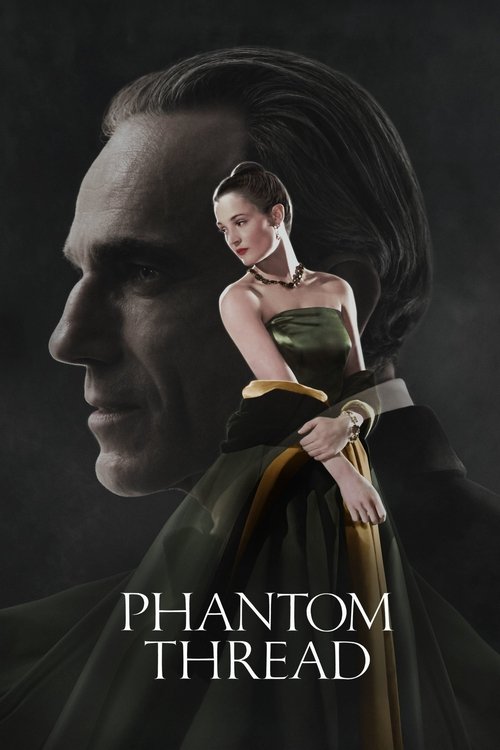
The sound of a butter knife scraping against over-browned toast shouldn’t feel like a declaration of war, but in the world of Reynolds Woodcock, it’s practically a war crime. I remember watching this for the first time while nursing a lukewarm cup of peppermint tea that had a single, stubborn tea leaf floating on the surface; I spent ten minutes trying to fish it out with a spoon just because the film’s atmosphere of surgical precision made me feel like any imperfection in my own living room might cause the screen to shatter.
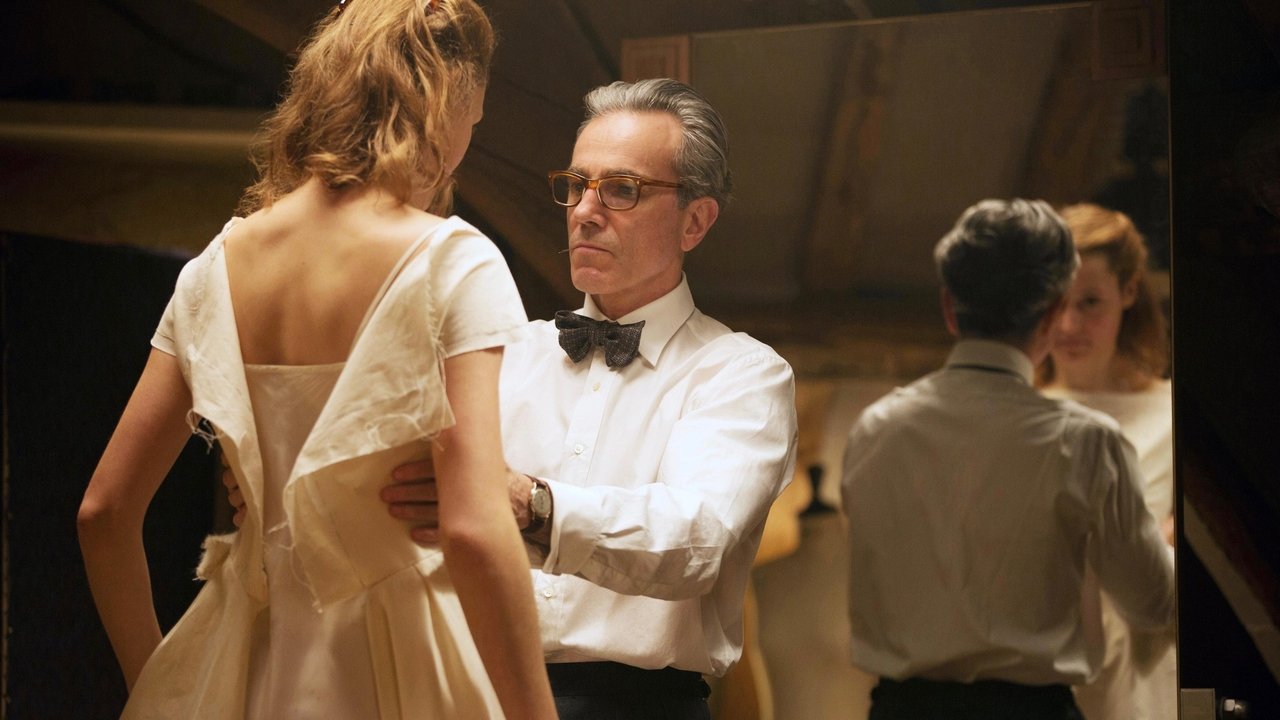
Phantom Thread arrived in late 2017, just as the "prestige drama" felt like it was suffocating under the weight of its own importance. We were deep into the era of franchise bloat and "important" historical biopics, and here comes Paul Thomas Anderson with a film about a 1950s London dressmaker that looks like a Merchant Ivory production but breathes like a psychological thriller. It’s a movie that masquerades as a stuffy period piece only to reveal itself as a twisted, hilarious, and deeply kinky battle of wills.
The Great Man and the Quiet Storm
At the center is Daniel Day-Lewis as Reynolds Woodcock, a man who is less a human being and more a collection of meticulously curated neuroses. This was famously marketed as his final performance before retirement, and if you’re going to go out, you might as well go out by playing a man who treats a breakfast order like a holy sacrament. He is a "House of Woodcock" unto himself—brilliant, demanding, and utterly exhausting.
But the real magic of Phantom Thread isn't just watching a master at work; it’s watching him get dismantled. Enter Vicky Krieps as Alma. At the time, Krieps was a relatively unknown Luxembourgish actress, and the choice to cast her against the most formidable actor of his generation was a stroke of genius. Alma isn't a passive muse; she’s a force of nature who refuses to be "cured" of her personality. When she tells Reynolds, "If you want to have a tea fight with me, the cups will miss their marks," you realize the film isn't about a genius and his girl—it’s about two people finding the exact, deranged frequency they need to coexist.
Then there’s Lesley Manville as Cyril, Reynolds’ sister and the true Warden of the House. Manville gives a performance so sharp you could shave with it. She manages the "chitter-chatter" and the finances with a terrifying stillness. Watching these three navigate a shared townhouse is like watching a high-stakes bomb disposal unit where everyone is secretly hoping the other person cuts the red wire.
Stitches, Secrets, and "Hungry Boys"
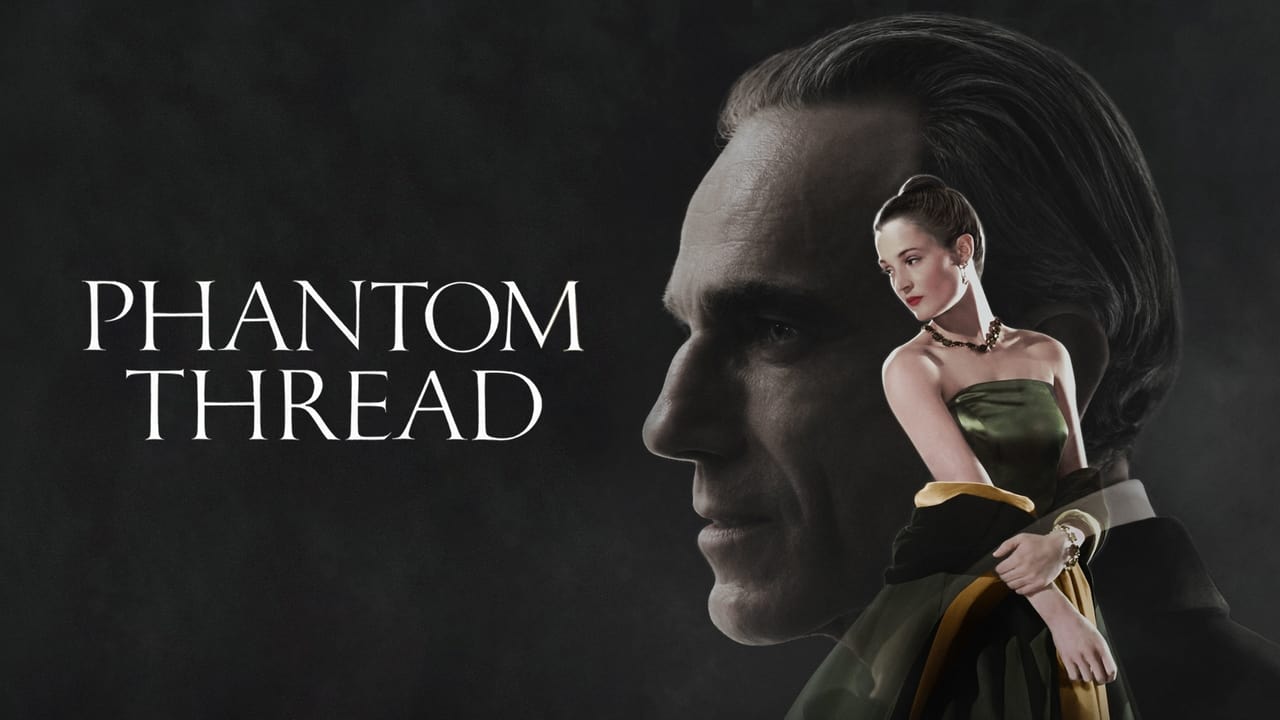
While it’s a drama by trade, Phantom Thread has achieved an odd sort of modern cult status because of how weirdly funny it is. It has become a staple of "film Twitter" and meme culture, mostly because of Woodcock’s impossible-to-please nature. This is secretly the funniest movie ever made about how annoying it is to live with a perfectionist. Every time Reynolds sighs because the air is too loud, or complains about being a "hungry boy," it hits a nerve for anyone who has ever shared a kitchen with a difficult partner.
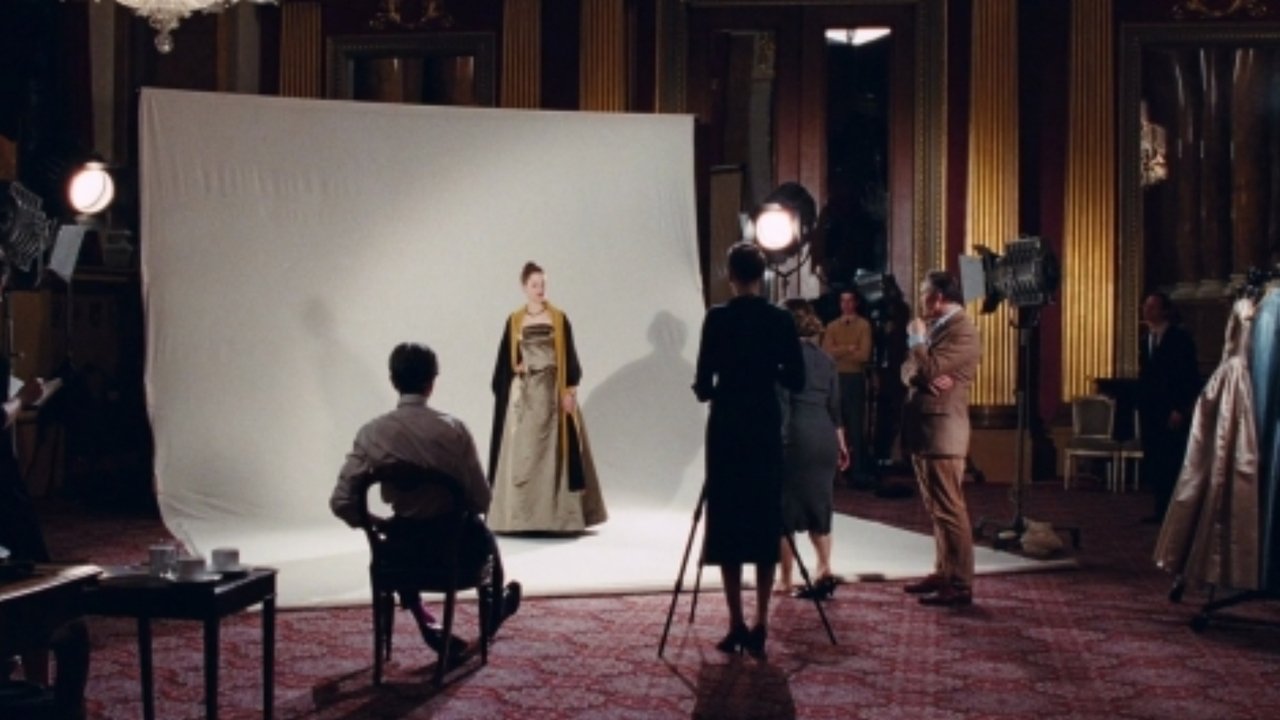
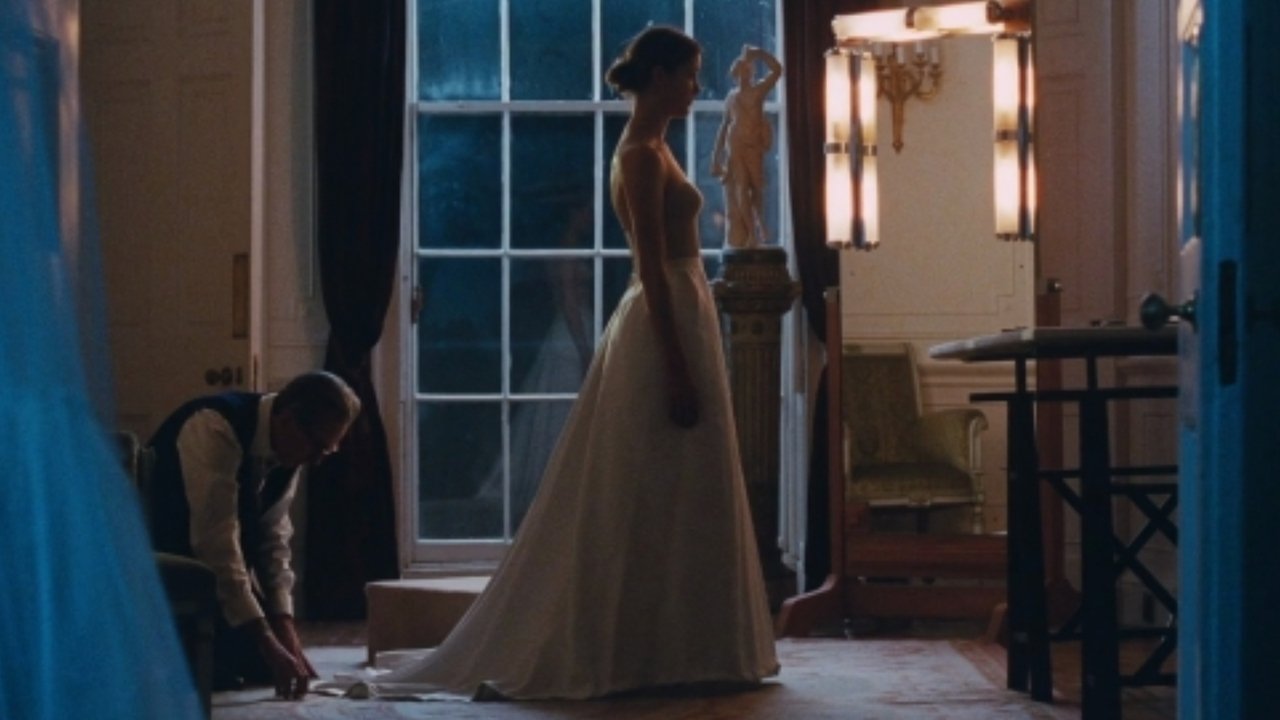
The behind-the-scenes craft is equally obsessive. Paul Thomas Anderson acted as his own (uncredited) cinematographer, using smoke and filters to give the film a soft, hazy glow that feels like an old memory. Apparently, Daniel Day-Lewis prepared for the role by actually learning how to sew, eventually recreating a Balenciaga sheath dress from scratch. He even watched 1950s fashion shows to get the specific "snobbish" gait of a couturier right.
And we have to talk about the score by Jonny Greenwood. In a contemporary landscape where many scores feel like atmospheric wallpaper, Greenwood’s work here is lush, romantic, and omnipresent. It’s the heartbeat of the film. It tells you that even when the characters are being cruel to each other, the world they inhabit is beautiful.
A Modern Fairy Tale of Poison and Silk
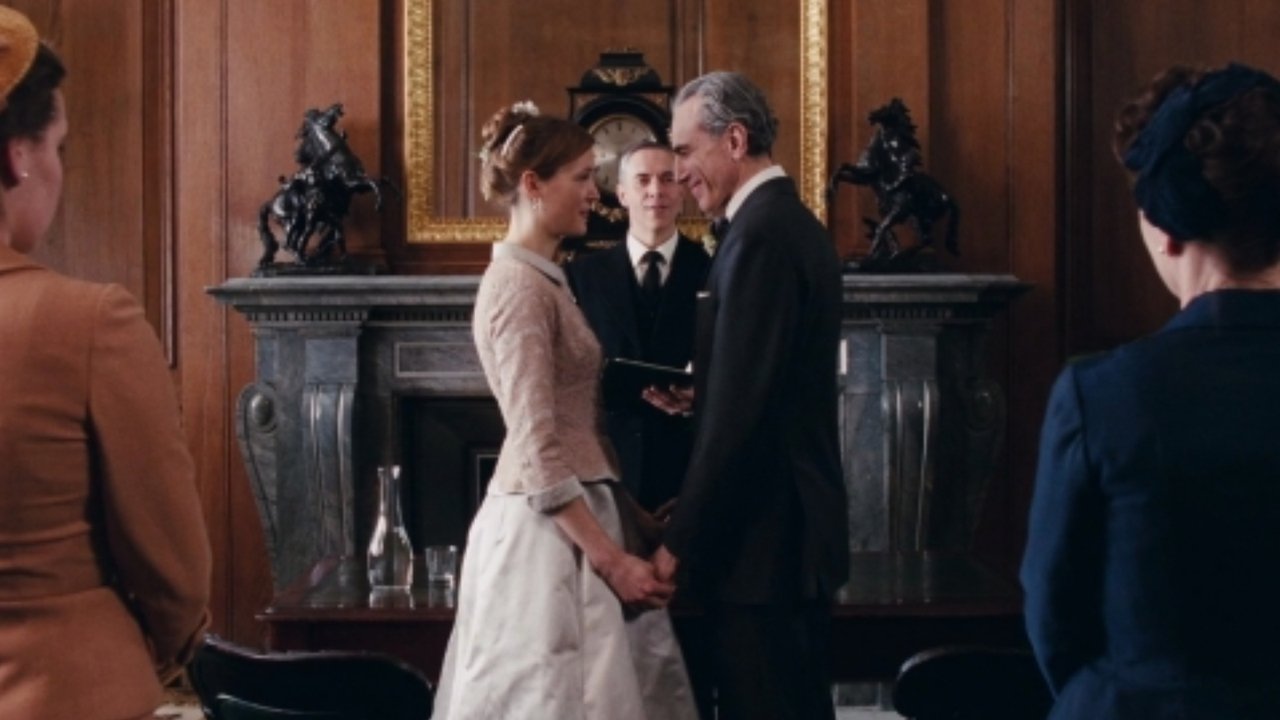
What makes Phantom Thread resonate so strongly in our current moment is how it engages with the "Great Man" trope. In 2017, we were starting to have very loud, necessary conversations about whether brilliance excuses toxicity. This film doesn't just ask the question; it provides a bizarre, mushroom-shaped answer. It suggests that if you want to love a monster, you might have to become a slightly more clever monster yourself.
The film didn't set the box office on fire, but it didn't need to. It’s a movie designed for repeat viewings, where you notice the secret messages Reynolds sews into the linings of his coats—"Never Cursed" or "My Heart is Here"—and realize that the film itself is a garment with hidden layers. It’s a story about the labor of love and the love of labor, and it manages to make a scene involving an omelet feel more erotic and dangerous than most actual thrillers.
There is a tactile, sensory joy to Phantom Thread that stays with you long after the credits roll. Whether it’s the rustle of silk, the clink of a teacup, or the unsettling look in Vicky Krieps' eyes as she prepares dinner, the film demands your full attention and rewards it with a masterpiece of tone. It’s a film about finding someone who matches your specific brand of crazy, wrapped in the finest lace London has to offer. Don't let the "period drama" label fool you; this is a wild, romantic ride that proves Paul Thomas Anderson is still the most interesting tailor in Hollywood.
Keep Exploring...
-

Licorice Pizza
2021
-
Punch-Drunk Love
2002
-
The Master
2012
-

Inherent Vice
2014
-

Brooklyn
2015
-
Carol
2015
-
The Age of Adaline
2015
-
Youth
2015
-
Allied
2016
-

Café Society
2016
-

Paterson
2016
-
The Big Sick
2017
-
Portrait of a Lady on Fire
2019
-

CODA
2021
-
There Will Be Blood
2007
-
The Ballad of Buster Scruggs
2018
-

Weathering with You
2019
-

All the Bright Places
2020
-

To All the Boys: Always and Forever
2021
-
Boogie Nights
1997