Pirates of the Caribbean: Dead Men Tell No Tales
"Old ghosts and rum-soaked debts never stay buried."
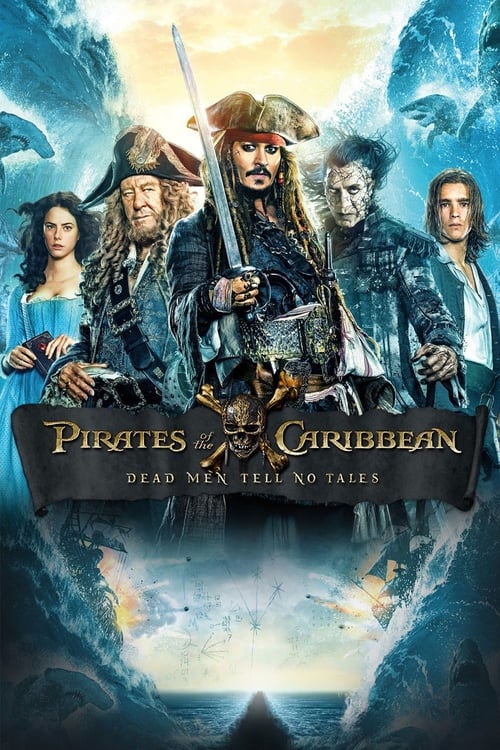
The first time I saw Captain Jack Sparrow, I was ten years old, clutching a plastic cutlass and genuinely believing that rum was just fancy apple juice. By the time Pirates of the Caribbean: Dead Men Tell No Tales rolled into theaters in 2017, that initial magic had been replaced by a familiar, slightly weary sense of duty. I sat in a theater that smelled overwhelmingly of artificial butter and floor wax, next to a teenager who spent the first twenty minutes trying to silence a vibrating phone in a cargo pocket. It was the perfect environment to realize that the Pirates franchise had officially entered its "legacy sequel" phase.
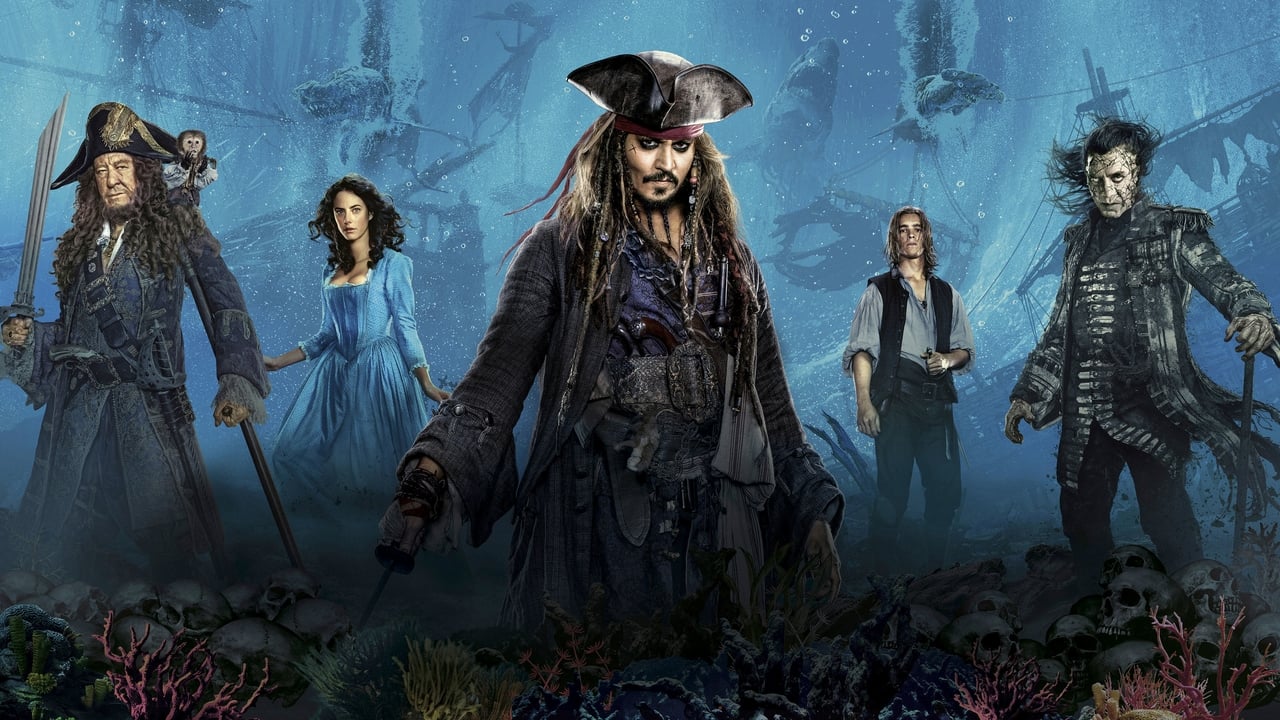
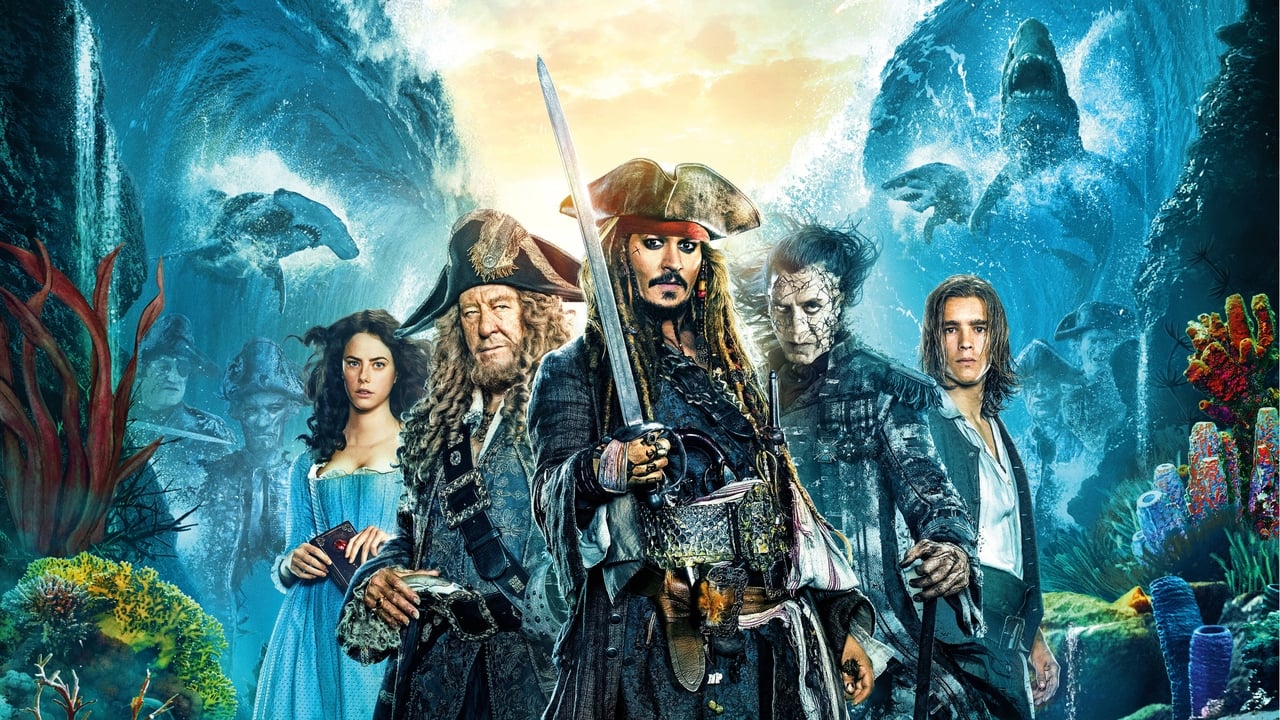
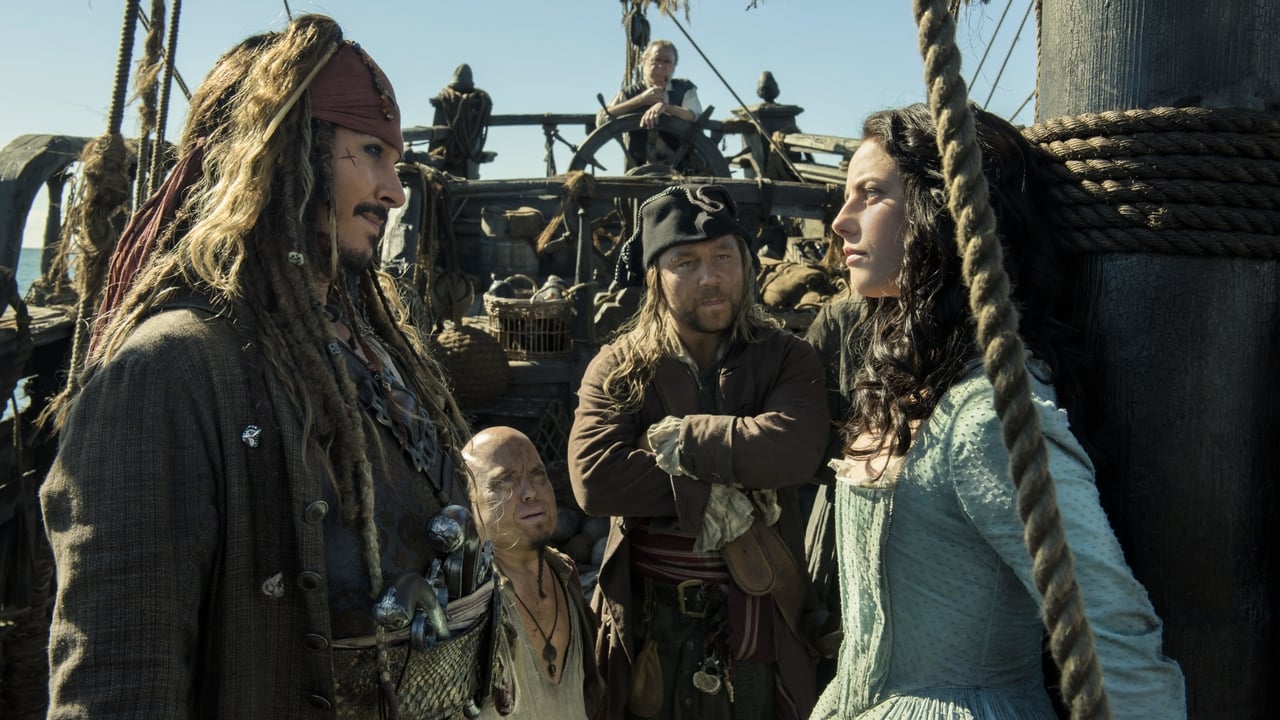
In this fifth installment, the winds of fortune have effectively stopped blowing for Jack. Johnny Depp (Edward Scissorhands, Sweeney Todd) returns as a Jack who is less "brilliant tactician masquerading as a drunk" and more "man who has actually forgotten where he parked his boat." He’s joined by two fresh faces: Henry Turner (Brenton Thwaites), the son of Will and Elizabeth, and Carina Smyth (Kaya Scodelario), an astronomer who is tired of being called a witch just because she understands how a telescope works. They’re all hunting the Trident of Poseidon to break every curse on the sea, while being pursued by the terrifyingly translucent Captain Salazar.
The Specter of the Digital Sea
If there is one thing this film proves, it’s that Disney’s "Seamless CGI" department was working overtime in 2017. Javier Bardem (No Country for Old Men, Skyfall) plays Salazar with a menacing, whispery gravel, but his most impressive feature is his hair. It floats around his head as if he’s permanently underwater, a technical marvel that looks genuinely eerie. The ghost sailors and their skeletal sharks—which look like something out of a high-budget nightmare—are the highlights of the film's visual identity.
The action choreography, handled by directors Joachim Rønning and Espen Sandberg, leans heavily into the Rube Goldberg-style absurdity that defined the original trilogy. There’s a massive bank heist early on where a team of horses drags an entire stone vault through the streets of St. Martin. It’s chaotic, loud, and physically impossible, but it’s the kind of high-octane spectacle that makes a $230 million budget feel like it’s actually on the screen. The film essentially treats physics as a polite suggestion that Jack Sparrow has long since stopped following.
A Franchise Anchored in the Past
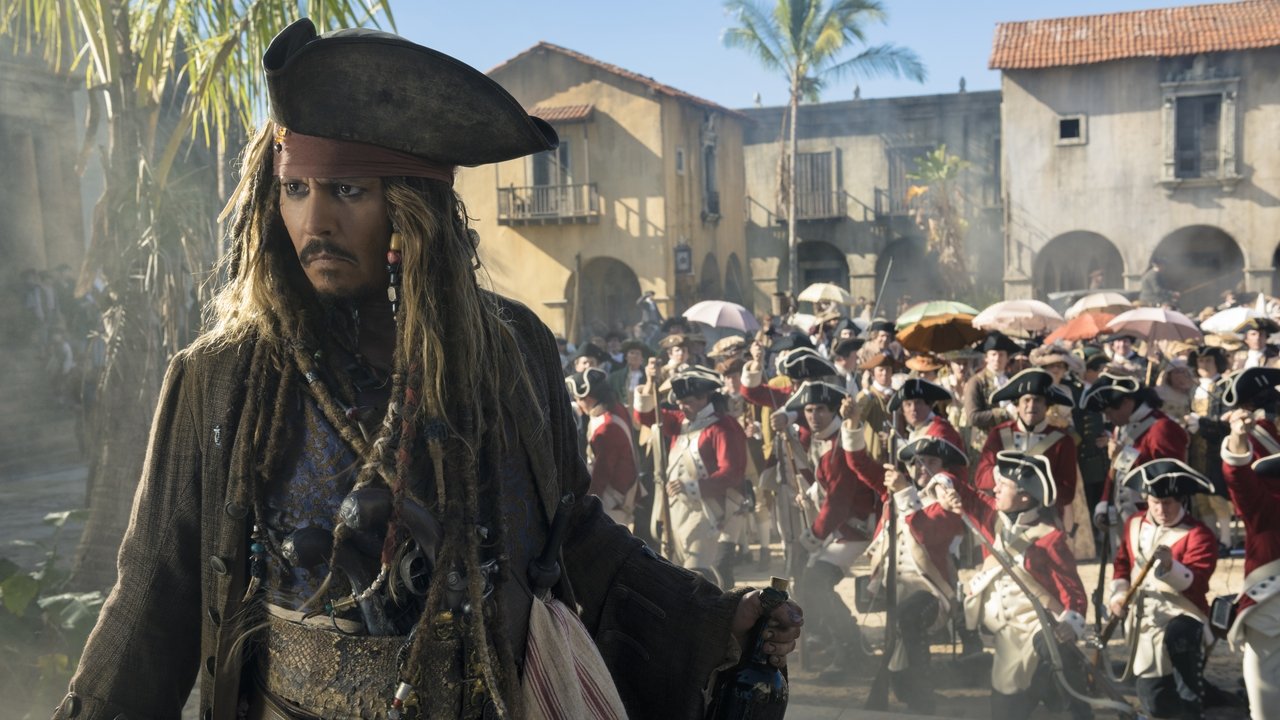
While the spectacle is there, the narrative feels like it’s checking boxes for a contemporary audience that expects "the hits." We have the young lovers who mirror the original duo, the return of Geoffrey Rush (The King's Speech) as a now-opulent Barbossa, and even a de-aged Jack Sparrow in a flashback sequence that feels like a tech demo for the future of the industry.
It’s interesting to watch this film through the lens of franchise fatigue. In 2017, we were right in the thick of "cinematic universe" fever, and Dead Men Tell No Tales tries desperately to bridge the gap between 2003 nostalgia and modern blockbuster demands. Johnny Depp’s performance here feels a bit more detached than in previous outings; his Jack is now a slapstick force of nature rather than a character with an internal engine. However, Geoffrey Rush steals the show. His arc provides the only genuine emotional resonance in the movie, proving that Barbossa was always the secret heart of this series.
Rum, Rocks, and Rockstars
One of the more charming aspects of these films is their commitment to the "Pirates are Rockstars" bit. Following Keith Richards’ footsteps, we get a cameo from Paul McCartney as Jack’s Uncle Jack. It’s a brief, weird moment involving a jail cell and a song, but it adds that bit of eccentric flavor that keeps the movie from feeling like a total corporate product.
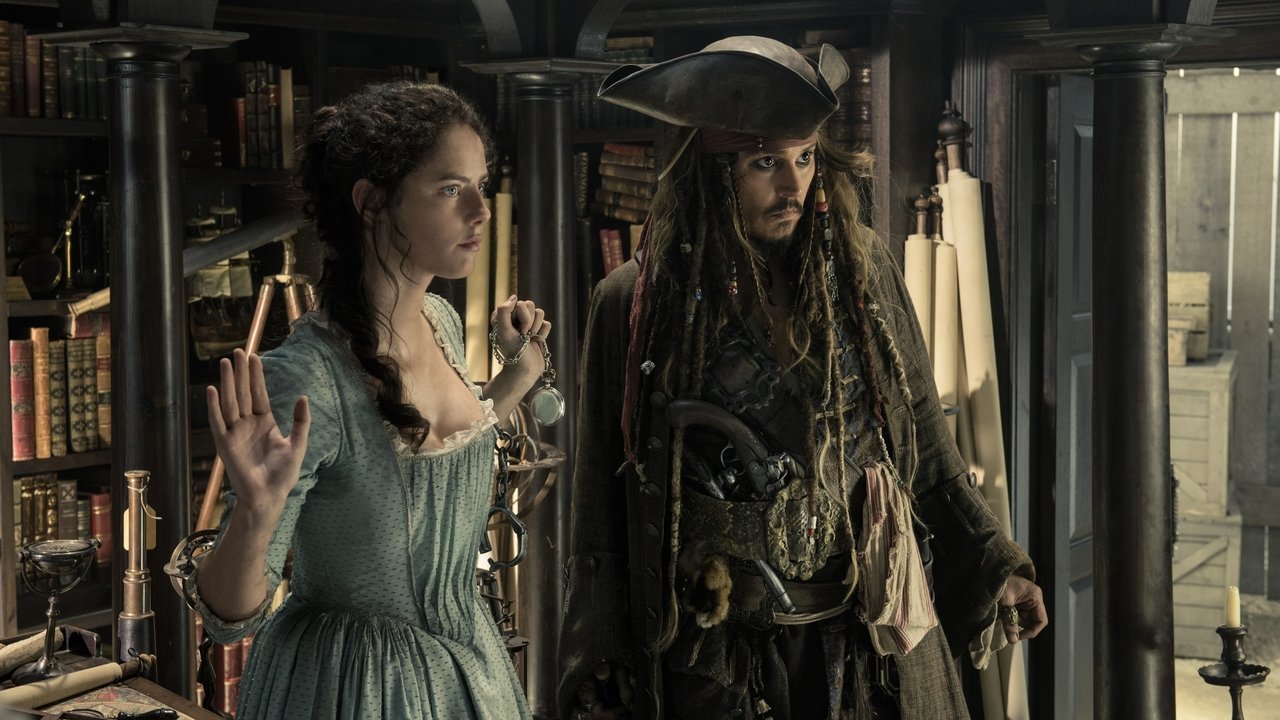
Behind the scenes, the production was a massive undertaking. They built entire Caribbean villages in Queensland, Australia, and faced numerous delays—including an injury to Johnny Depp’s hand that halted filming for weeks. You can see the money in every frame, from the intricate costumes to the massive practical ships. Despite the digital wizardry, the film works best when it feels tactile—when you can see the grit on the wood and the salt on the actors' faces. It’s a strange paradox of modern cinema: we spend hundreds of millions of dollars to make digital ghosts look "real" while building massive physical sets that get replaced by green screens anyway.
Ultimately, Dead Men Tell No Tales is a competent, occasionally thrilling adventure that suffers from the weight of its own legacy. It’s a movie designed for the "five-minute test"—it’s great to watch in segments on a plane or while killing time before a bus. It delivers the ghost sharks and the cannon fire you paid for, even if it lacks the revolutionary spark that made the Black Pearl first sail into our hearts. It’s a comfortable, rum-soaked reunion with old friends who have maybe told these stories one too many times.
Keep Exploring...
-
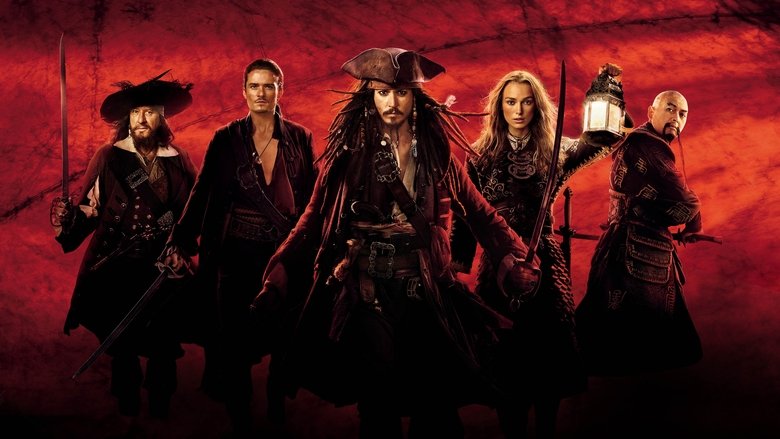
Pirates of the Caribbean: At World's End
2007
-
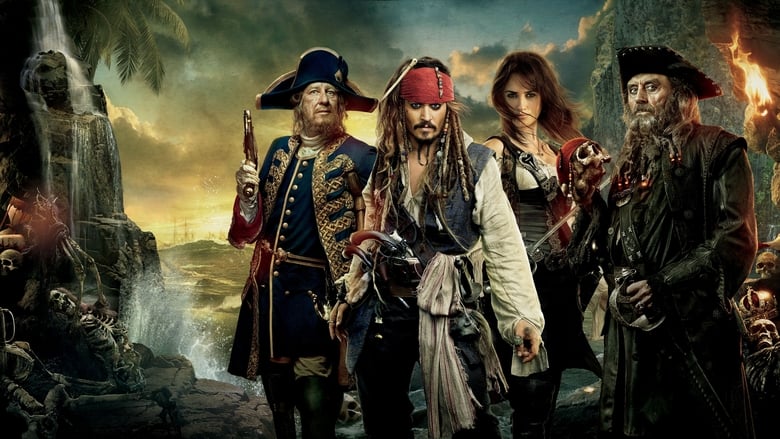
Pirates of the Caribbean: On Stranger Tides
2011
-

Pirates of the Caribbean: Dead Man's Chest
2006
-
Pirates of the Caribbean: The Curse of the Black Pearl
2003
-
Batman v Superman: Dawn of Justice
2016
-
Doctor Strange
2016
-
Suicide Squad
2016
-
X-Men: Apocalypse
2016
-
Aquaman
2018
-
Maleficent: Mistress of Evil
2019
-
Doctor Strange in the Multiverse of Madness
2022
-
Gods of Egypt
2016
-

Kung Fu Panda 4
2024
-
A Minecraft Movie
2025
-
TRON: Ares
2025
-
Maze Runner: The Scorch Trials
2015
-
The Last Witch Hunter
2015
-

The Great Wall
2016
-

The Legend of Tarzan
2016
-
Warcraft
2016