Power Rangers
"More than just teenage angst and spandex."
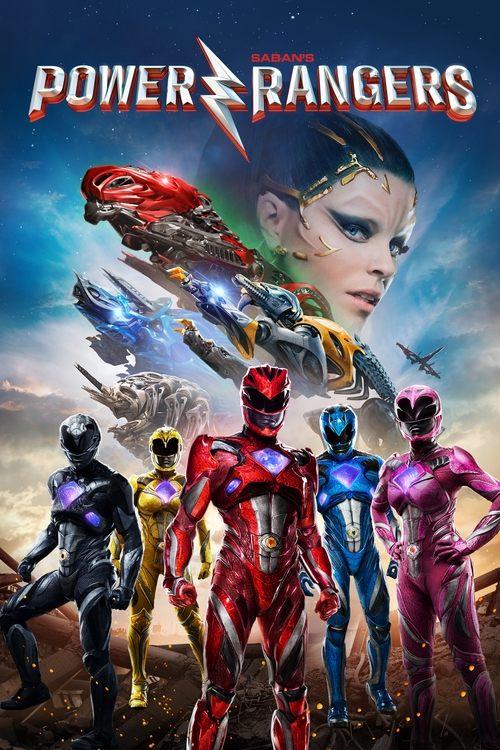
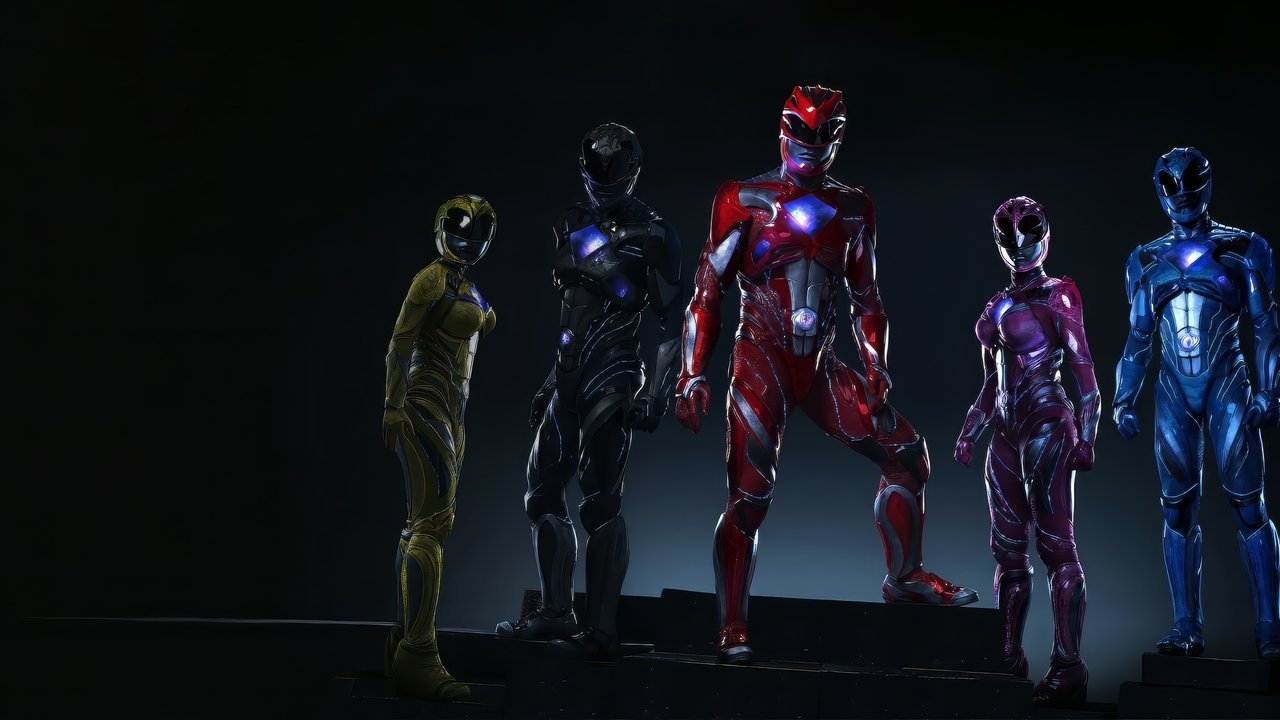
The 2017 reboot of Power Rangers shouldn’t work as well as it does. By all rights, a big-budget, "gritty" reimagining of a show known for rubber monsters and over-acting should have been a tonal disaster. We were deep in the "gritty reboot" era of the mid-2010s, a time when every colorful childhood memory was being fed through a desaturation filter to see if it could bleed. Yet, while most of these attempts felt like joyless cash grabs, Director Dean Israelite (who did the found-footage flick Project Almanac) managed to find the beating heart beneath the alien armor.
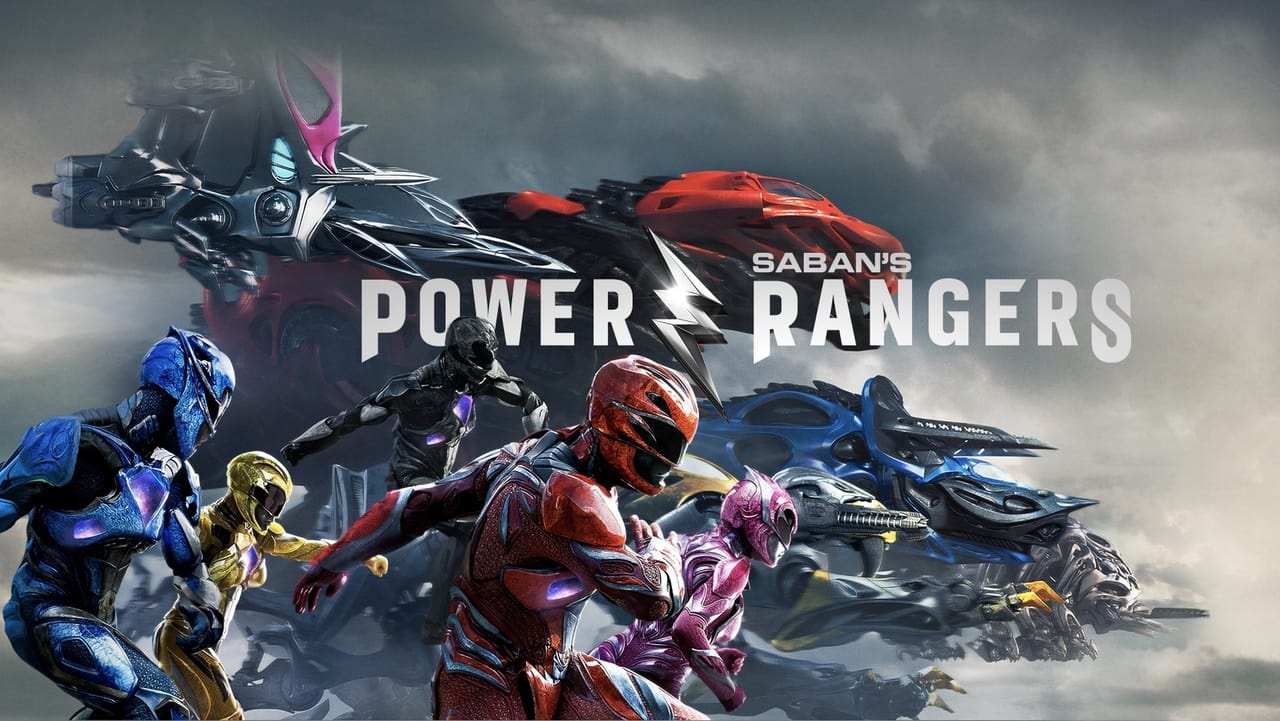
I watched this recently on a rainy Tuesday afternoon while my neighbor was power-washing their driveway, and the rhythmic, aggressive drone of the water outside weirdly synced up with the metallic clanging of the training montages. It was a strangely immersive way to realize that this movie is far more interested in the "teenager" part of the title than the "Ranger" part.
The Breakfast Club with Alien Hardware
Most superhero origin stories rush through the "getting to know you" phase to get to the pyrotechnics. Power Rangers does the opposite. It spends a massive chunk of its 124-minute runtime treating its protagonists like actual human beings with messy, complicated lives. We aren’t dealing with the "five teenagers with attitude" who were basically just athletic paragons of virtue from the 90s. These kids are outcasts, screw-ups, and loners.
Dacre Montgomery (before he was the terrifying Billy in Stranger Things) plays Jason Lee Scott not as a golden boy, but as a fallen star dealing with the crushing weight of small-town disappointment. The real standout, however, is RJ Cyler as Billy Cranston. His portrayal of a teen on the autism spectrum is handled with genuine grace and humor; he’s the emotional glue of the group. Along with Naomi Scott (Kimberly), Ludi Lin (Zack), and Becky G (Trini), the chemistry feels earned. They don't just become a team because a giant floating head told them to—they become a team because they’re the only people who actually see each other.
There’s a vulnerability here that was ahead of its time for franchise filmmaking. Trini’s struggle with her identity and Billy’s neurodivergence weren't just box-checking exercises; they were the literal key to the plot. They can’t "morph" until they truly know one another, turning a goofy tokusatsu trope into a meaningful metaphor for teenage connection.
Goldar, Glitz, and Krispy Kreme
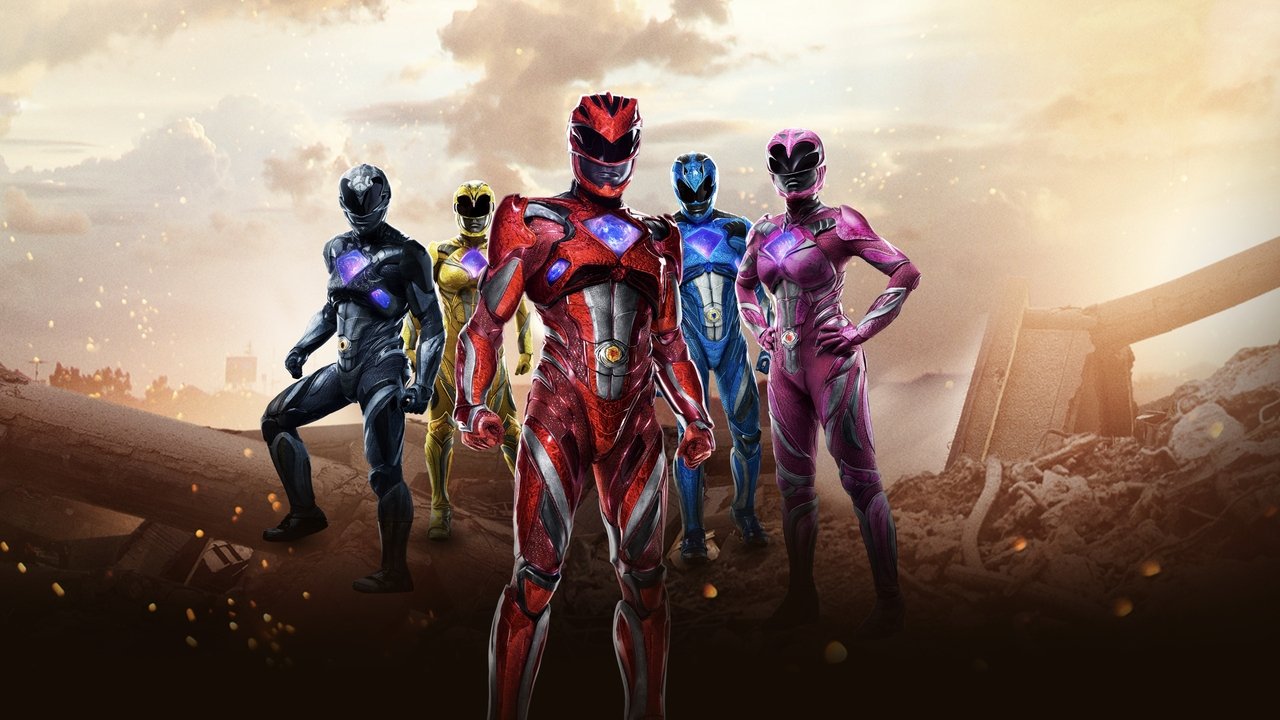
When the action finally arrives—and it takes a while, which I actually respect—it’s a chaotic blast. The film leans into the absurdity of its roots while utilizing a $105 million budget to make the Zords feel like massive, lumbering pieces of prehistoric machinery. The cinematography by Matthew J. Lloyd (Daredevil) gives Angel Grove a grounded, Pacific Northwest gloom that makes the sudden arrival of neon-pink lasers feel appropriately world-shaking.
Then there’s Elizabeth Banks as Rita Repulsa. While the rest of the cast is playing a grounded indie drama, Banks is devouring the scenery like she hasn't eaten in ten thousand years. She is terrifying and hilarious, wandering through a local jewelry store and murdering people with a gold-encrusted staff. The climactic battle is essentially a giant commercial for Krispy Kreme—the product placement is so aggressive it almost circles back around to being high art—but seeing a giant gold monster rise from the earth next to a donut shop is exactly the kind of tonal tightrope walk I want from this franchise.
Behind the scenes, the film had a fascinating pedigree. Bryan Cranston, who plays Zordon, actually got his start doing voice work for the original Mighty Morphin show (he was the voice of Twin Man and Snizard). Having him return as the mentor felt like a torch-passing moment. The stunt work, coordinated by Paul Jennings, tried to keep things physical where possible, though the third act eventually succumbs to the era’s mandatory CGI-slop-fest.
A Cult Classic in the Making
Despite the heart and the surprisingly solid reviews from people who actually watched it, the film stalled at the box office. It was sandwiched between Beauty and the Beast and Guardians of the Galaxy Vol. 2, a victim of a saturated market and a marketing campaign that didn't quite know how to sell "The Breakfast Club meets Transformers."
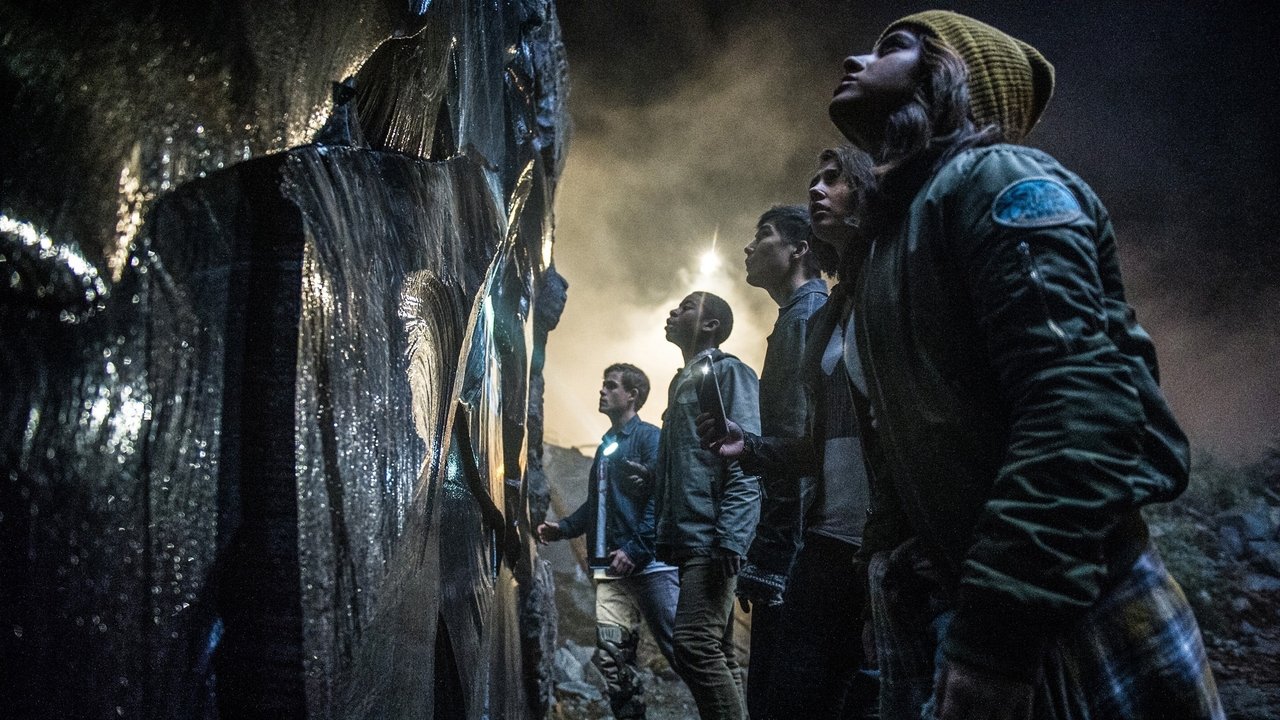
But in the years since, it has found a dedicated following. In an era of franchise fatigue, where every MCU entry feels like homework for the next three movies, Power Rangers 2017 feels refreshingly singular. It’s a movie about the loneliness of being seventeen and the terrifying, wonderful realization that you don't have to be lonely alone.
It’s a shame we never got the sequel teased in the mid-credits scene (shout out to the empty desk of Tommy Oliver), but as a standalone piece of contemporary sci-fi, it’s a much sturdier film than anyone expected. It’s a movie that respects its audience enough to let its characters talk for an hour before they start punching giant rocks.
Ultimately, Power Rangers is a rare beast: a corporate-mandated reboot that actually has a soul. It understands that the spectacle of a Megazord is nothing if you don't care about the five kids sitting in the cockpit. If you skipped this one because you thought it looked like another "dark and gritty" slog, give it a shot. It’s got more heart in its pinky finger than most billion-dollar franchises have in their entire trilogies. Just be prepared to crave a glazed donut by the time the credits roll.

Keep Exploring...
-
Greenland
2020
-
Terminator Genisys
2015
-
Star Trek Beyond
2016
-
Teenage Mutant Ninja Turtles: Out of the Shadows
2016
-
Pacific Rim: Uprising
2018
-
Solo: A Star Wars Story
2018
-

Alita: Battle Angel
2019
-
Gemini Man
2019
-
Star Wars: The Rise of Skywalker
2019
-
Terminator: Dark Fate
2019
-
Underwater
2020
-
Black Widow
2021
-
Eternals
2021
-
The Matrix Resurrections
2021
-
Black Adam
2022
-
Jurassic World Dominion
2022
-
Moonfall
2022
-
Blue Beetle
2023
-
The 5th Wave
2016
-
Valerian and the City of a Thousand Planets
2017