Professor Marston and the Wonder Women
"The secret history of the lasso."
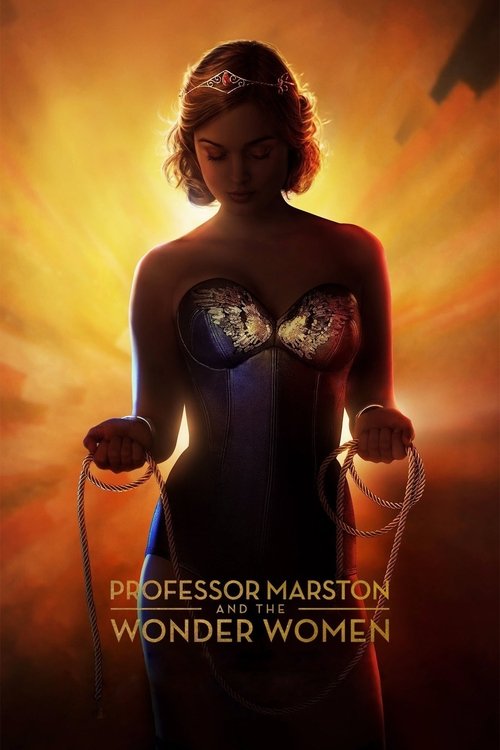
In the summer of 2017, the entire world was looking at the big screen to see Gal Gadot cross No Man’s Land. It was a massive, culture-shifting moment for the superhero genre. But while the blockbusters were busy doing backflips, a much quieter, far more provocative story about Wonder Woman was slipping through the cracks of the multiplex. I’m talking about Professor Marston and the Wonder Women, a film that essentially asks: "What if the secret to the world's most famous feminist icon wasn't an island of Amazons, but a scandalous, polyamorous domestic arrangement in suburban Connecticut?"
I watched this film for the first time on a humid Tuesday night while my neighbor was power-washing their driveway, and the rhythmic, aggressive drone of the water outside weirdly synced up with the clicking of the early lie detector prototype on screen. It’s a movie that feels like it’s vibrating with its own secrets, and frankly, I’m still a little annoyed that more people didn’t see it when it had the chance to spark a real conversation.
The Chemistry of Three
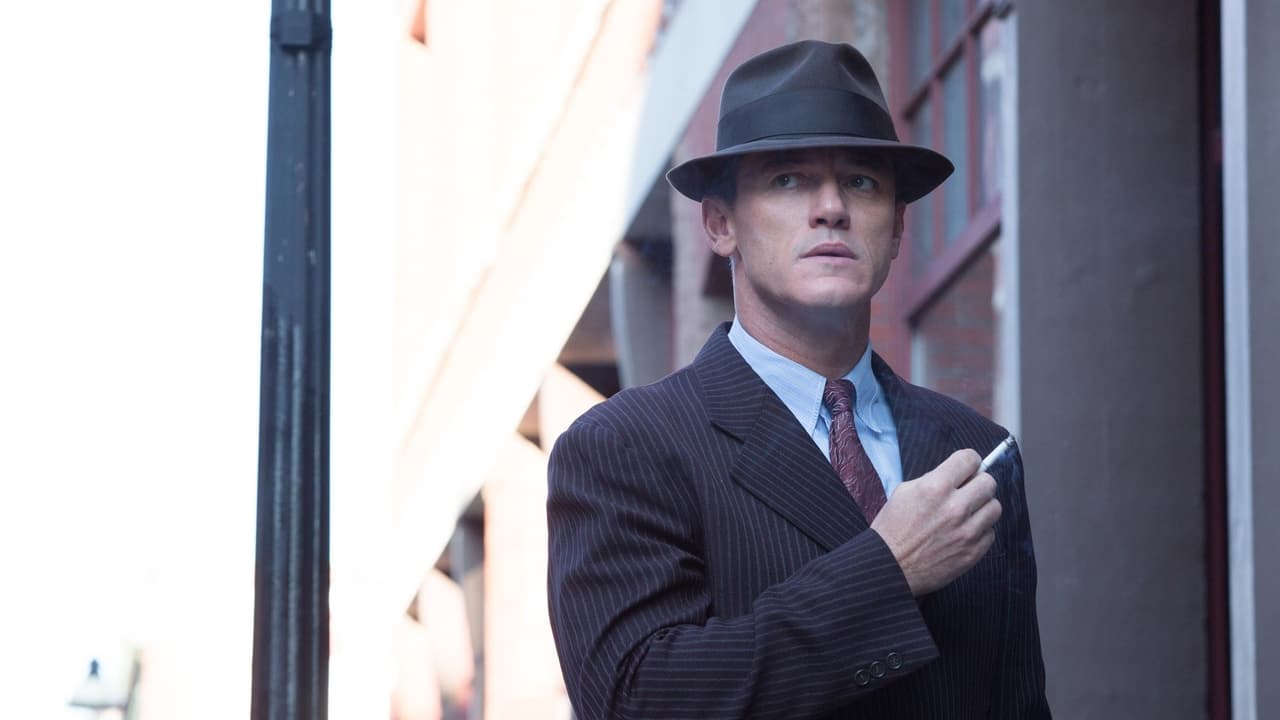
At its core, this isn't a "superhero movie" in any traditional sense. It’s a lush, incredibly well-acted period drama about the unconventional life of Dr. William Moulton Marston. Most people know him as the guy who helped invent the polygraph, but director Angela Robinson (who previously gave us the cult classic D.E.B.S.) is much more interested in the "why" than the "how." Luke Evans plays Marston with a sort of wide-eyed, academic horniness that is actually quite charming. He’s not a predator; he’s a man obsessed with the idea that people are at their happiest when they submit to a loving authority.
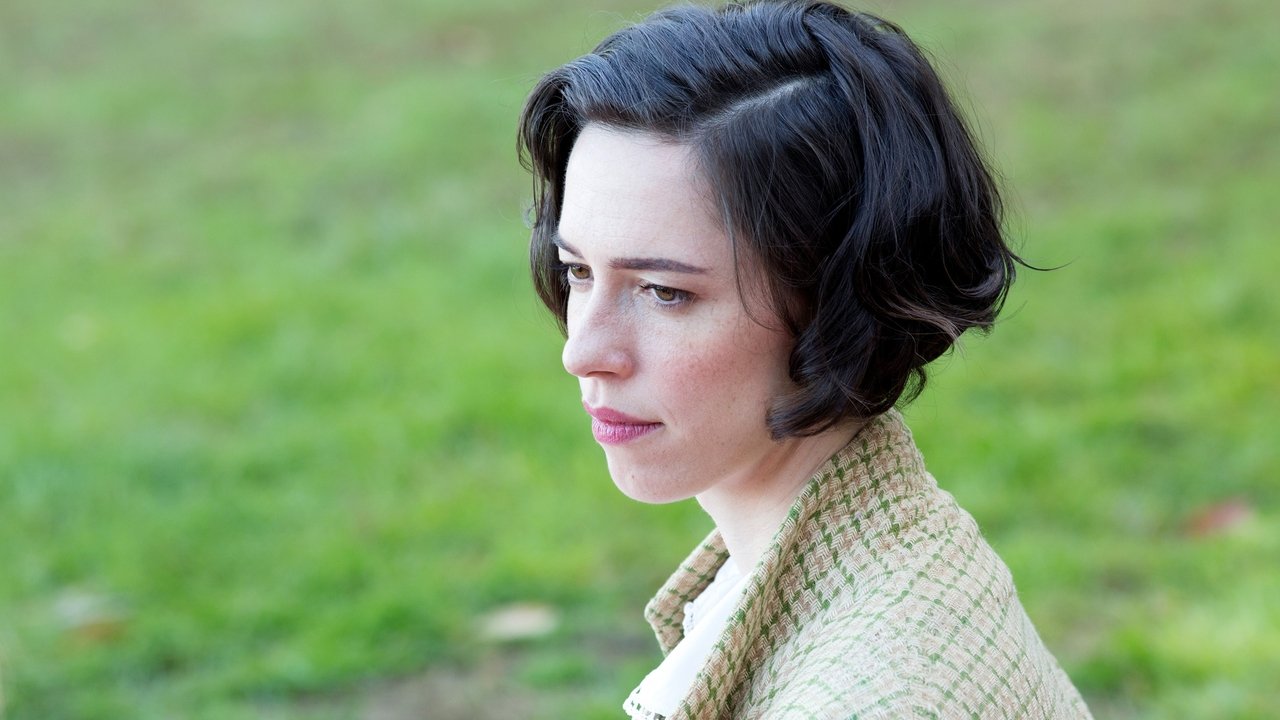
But the real power of the film lies in the two women who shared his life. Rebecca Hall is, as usual, an absolute force of nature as Elizabeth Marston. She is sharp, brilliant, frustrated by the patriarchal limitations of 1940s academia, and possesses a tongue that could draw blood. When Bella Heathcote enters the frame as Olive Byrne—the student who becomes their research assistant and eventually their third partner—the movie finds its soul. The chemistry between these three isn't just "movie magic"; it feels lived-in and dangerously honest. It is a polyamorous romance that actually treats the logistics of the relationship with more respect than the nudity.
Submission and Subtext
The film does a brilliant job of weaving Marston’s DISC theory (Dominance, Inducement, Submission, Compliance) into the actual creation of the Wonder Woman comics. We see the origin of the Lasso of Truth, the silver bracelets, and even the "holiday" themes that would eventually get Marston in a lot of trouble with the censors. Connie Britton shows up as Josette Frank, a representative of the Child Study Association of America, and her scenes act as a fantastic framing device. She’s essentially the voice of the pearl-clutching public, interrogating Marston about why his comic books are "perverted."
What I find so fascinating about this movie in our current "franchise fatigue" era is how it addresses the spirit of a character rather than the lore. It suggests that Wonder Woman wasn't born out of a marketing meeting, but out of a genuine, messy, radical attempt to live a life governed by love instead of societal rules. The scenes where they explore the world of "gags and bonds" (the 1940s precursor to BDSM) are handled with a surprising amount of tenderness. It’s not about shock value; it’s about how these characters found a way to express their truths when the rest of the world demanded they lie.
Why Did We Miss This?
It’s a bit of a tragedy that this film only made about $1.6 million at the box office. Part of that is definitely the "overshadowing" effect—it’s hard to sell a low-budget indie biopic about the kinky origins of a character when there’s a $150 million version of that character currently breaking records in the next theater over. Also, let's be real: Middle America wasn't exactly lining up for a movie that argues the creator of a beloved American icon was a polyamorous kink enthusiast.
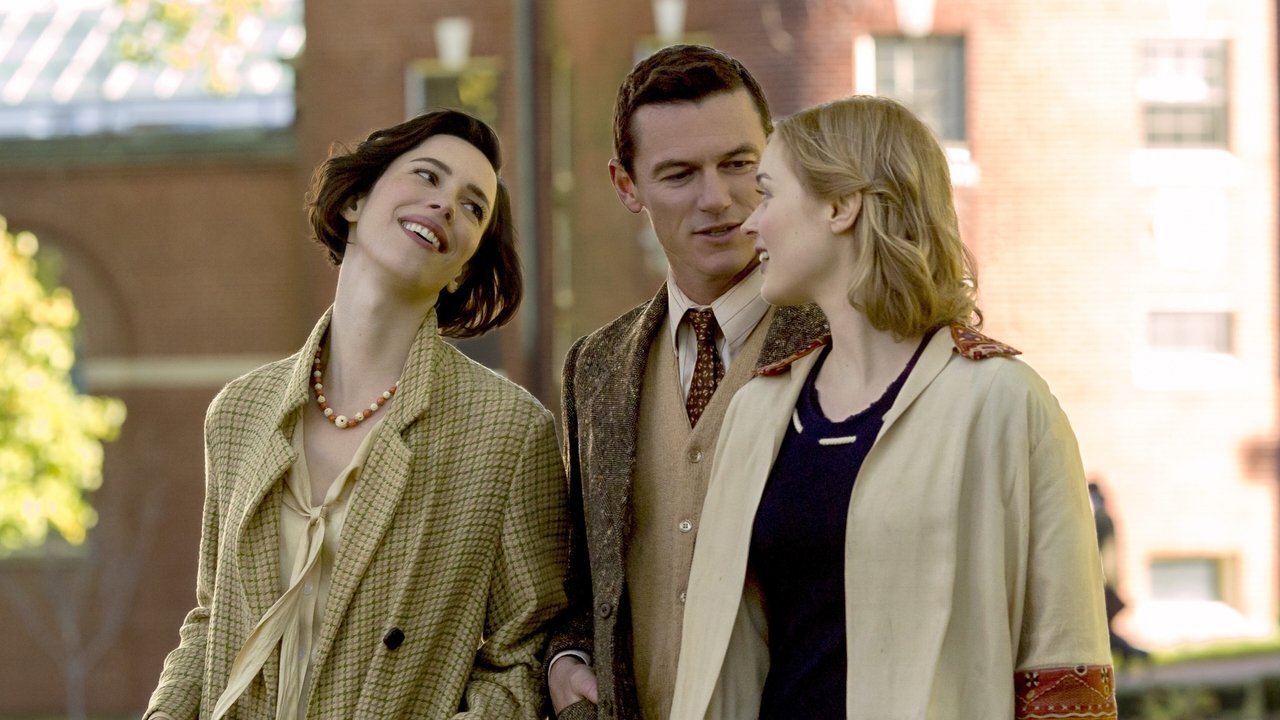
But looking at it now, through the lens of our current conversations about representation and the "Me Too" era, Professor Marston and the Wonder Women feels incredibly prescient. It deals with the idea of a "strong woman" not as a trope, but as a complicated, often-thwarted reality. The way Angela Robinson shoots the film—with warm, autumnal tones and a score by Tom Howe that feels both classical and slightly subversive—makes the whole thing feel like a beautiful secret being whispered in your ear.
If you’re tired of the "CGI slurry" that defines so much of modern cinema, this is the perfect palate cleanser. It’s a reminder that the most interesting thing about our heroes is often the very human, very flawed people who dreamed them up in the first place. It’s a drama that earns its emotional beats without being manipulative, and it gives Rebecca Hall the kind of "burn the house down" performance she deserves.
This is a film that deserves a second life on streaming. It takes a piece of pop culture history we thought we knew and peels back the layers to reveal something far more radical and romantic. It’s one of those rare biopics that doesn’t feel like a Wikipedia entry come to life, but like a genuine attempt to understand the friction between private desire and public image. Grab a drink, turn off your phone, and let yourself be induced—it’s much better than another three-hour multiverse slog.


Keep Exploring...
-
Anomalisa
2015
-
Far from the Madding Crowd
2015
-
Loving
2016
-
The Light Between Oceans
2016
-
The Discovery
2017
-
Disobedience
2018
-
If Beale Street Could Talk
2018
-
The Aeronauts
2019
-
Tolkien
2019
-
I Still Believe
2020
-
Bones and All
2022
-
Suite Française
2015
-
High Strung
2016
-
Attraction
2017
-
The Guernsey Literary & Potato Peel Pie Society
2018
-
Chemical Hearts
2020
-
Summer of 85
2020
-
The Half of It
2020
-
Benedetta
2021
-
The Hating Game
2021