Resident Evil: Vendetta
"Bio-terror gets a John Wick makeover."
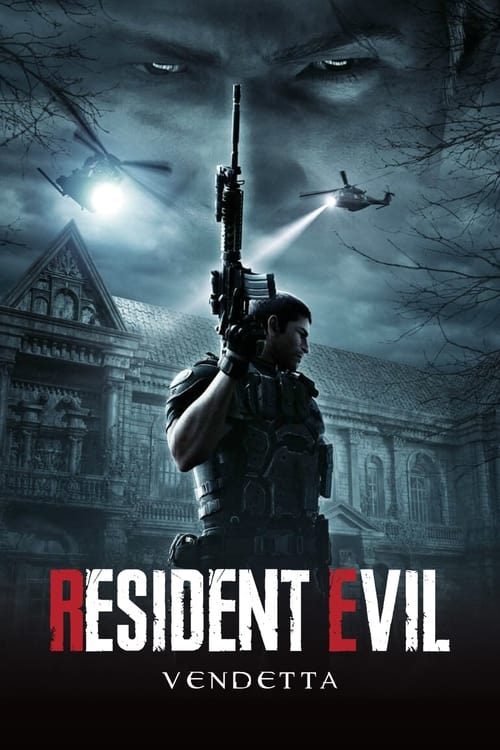
I watched Resident Evil: Vendetta on a Tuesday night while my cat was in the corner of the room aggressively licking a plastic bag. Honestly, that rhythmic, crinkling soundtrack was a fitting accompaniment to a movie that oscillates between genuine gothic dread and the kind of high-octane absurdity that makes you wonder if the screenwriters were daring each other to go bigger.
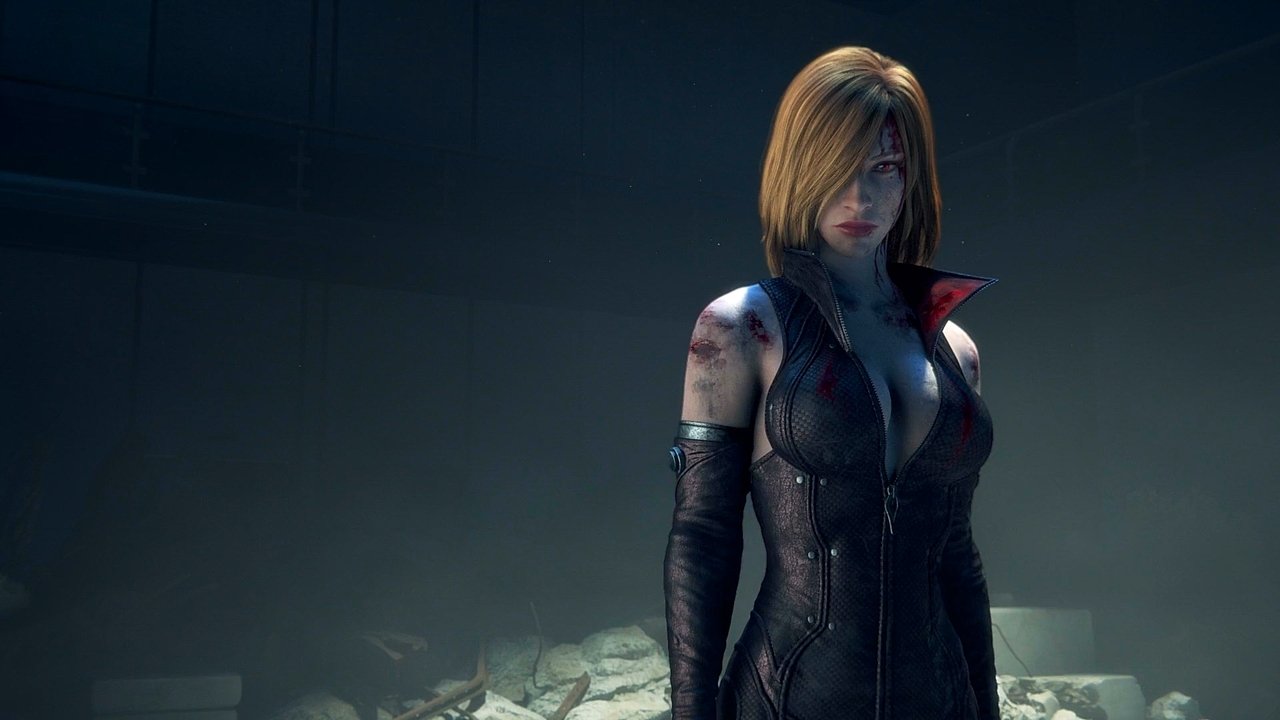
If you’ve followed the Resident Evil franchise—whether through the games or the increasingly divergent Milla Jovovich films—you know the vibe is usually "zombies meet conspiracy." But Vendetta exists in that specific Capcom-produced CG pocket that prioritizes being "canon" to the games while acting like a fever dream. It’s the third of these animated features, following Degeneration and Damnation, and it is easily the most unhinged of the lot.
A Reunion for the Bio-Hazardous
The film opens with a sequence that feels like a love letter to the 1996 original game. Kevin Dorman voices Chris Redfield as he leads a team into a spooky, booby-trapped mansion. It’s atmospheric, dark, and actually leans into the horror roots of the series. Shadows stretch, floorboards creak, and for about fifteen minutes, I thought I was watching a serious thriller.
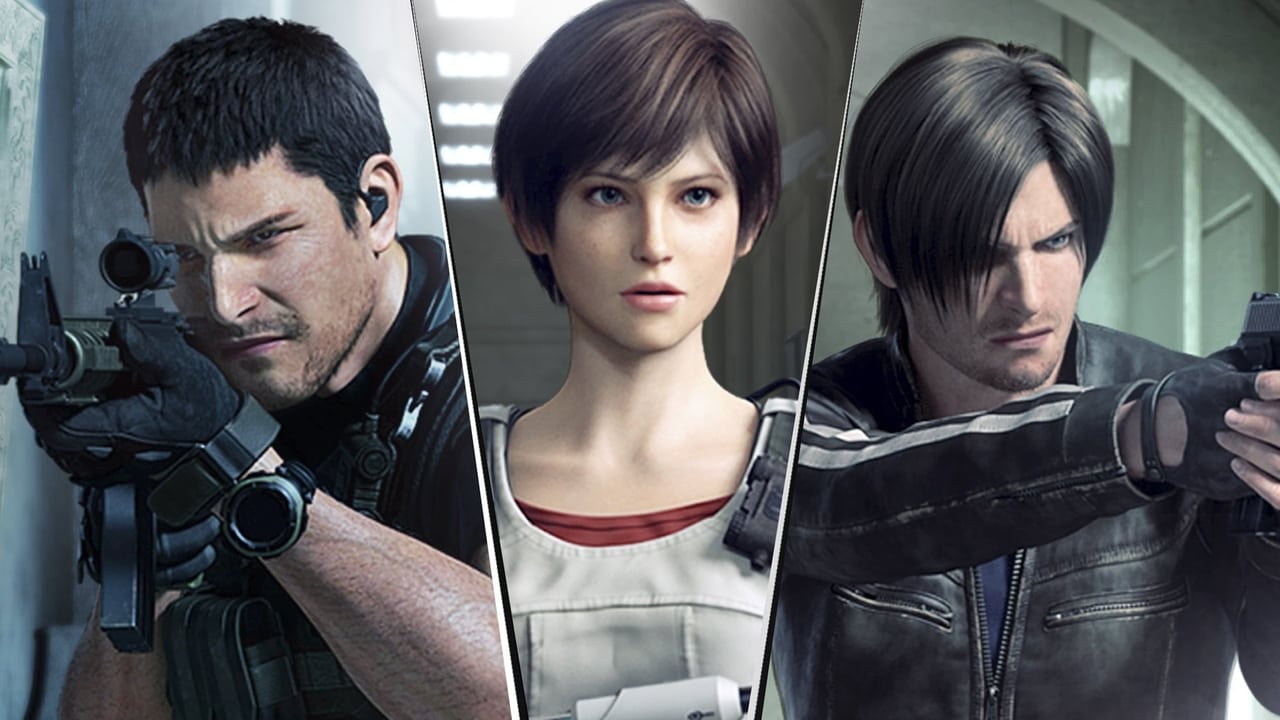
Then the plot kicks in, and we transition into the "Contemporary Franchise" era of the 2010s, where every sequel felt the need to compete with the John Wick phenomenon. We get the return of Rebecca Chambers, voiced by Erin Cahill, who has traded her S.T.A.R.S. medic vest for a lab coat. It’s a treat for long-time fans; Rebecca had been MIA in the series for nearly two decades. Rounding out the trio is the series’ poster boy for brooding, Leon S. Kennedy. Matthew Mercer returns to voice Leon, and at this point, Mercer is Leon. He plays him with a weary, "I’m too old for this outbreak" energy that feels earned after twenty years of roundhouse kicking mutated monsters.
The villain, Glenn Arias (John DeMita), is your standard-issue "death merchant" with a personal grudge and a very expensive suit. His plan involves a new virus that can distinguish between friend and foe—meaning he can lead an army of zombies that won't bite him. It’s a goofy conceit, but it sets the stage for the film’s real selling point: the action.
Ballistic Ballet and Zombie Logic
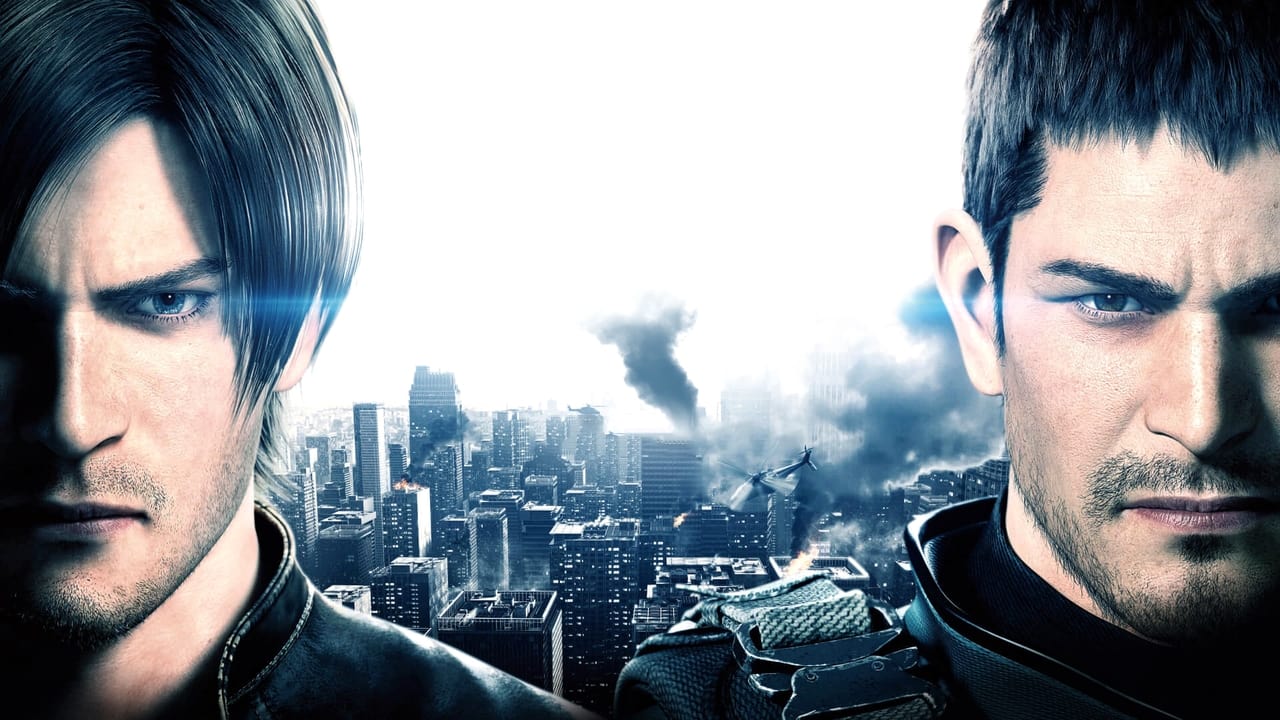
Director Takanori Tsujimoto clearly didn’t want to make a slow-burn horror movie. He wanted to make a ballistic opera. Once the film moves to New York City, it sheds its skin and becomes a full-blown superhero movie. There is a sequence in a hallway where Chris and Leon stand back-to-back, executing zombies with point-blank headshots in a choreographed dance that is utterly ridiculous and arguably the coolest thing I’ve ever seen in an animated film.
The action is "Gun-Fu" taken to its logical, animated extreme. Characters don't just shoot; they flip, parry, and reload in mid-air. It’s the kind of spectacle that only works in CGI because a live-action stuntman would probably liquefy their spine trying to replicate it. However, this is where the franchise fatigue of the late 2010s starts to peek through. By 2017, we were drowning in "universe-building" and world-ending stakes. "Resident Evil: Vendetta" is essentially a high-budget soap opera where the characters settle arguments with grenade launchers. It’s fun, but it lacks the weight of a standalone cinematic experience.
The horror elements are mostly relegated to the creature designs. Diego Gomez (Fred Tatasciore) is a hulking, masked behemoth that provides some decent "boss fight" tension, but the movie is much more interested in how many bullets Chris can put into a target while sliding across a rooftop.
The Uncanny Valley in the Big Apple
Technically, the film is a fascinating artifact of its time. Produced by Capcom and Marza Animation Planet, the character models are startlingly detailed—you can see the pores on Leon’s depressed face. But the "Uncanny Valley" is a persistent neighbor here. During dialogue-heavy scenes, the characters have a slight plastic sheen that makes them look like very expensive action figures come to life.
The score by Kenji Kawai (who did the legendary music for Ghost in the Shell) helps ground the madness, lending a sense of operatic scale to the final showdown atop a Manhattan skyscraper. It’s interesting to look at Vendetta in the context of today’s streaming dominance. While this had a limited theatrical run, it feels like the ultimate "Netflix Sunday Afternoon" movie. It’s designed to be consumed by people who already know what a "B.O.W." is and don’t need the lore explained.
Surprisingly, the film didn't make a huge dent at the box office, pulling in just over $250,000. It’s a cult object, plain and simple. It exists for the fans who felt the live-action movies went too far off the rails and wanted something that felt like the games they grew up playing—even if those games had become a circus of exploding helicopters and superhuman reflexes.
Resident Evil: Vendetta is a gorgeous, stupid, and wildly entertaining slice of bio-organic mayhem. It doesn't ask much of you other than to accept that two guys can hold off a hundred zombies with handguns and perfect hair. If you can handle the shift from "creepy mansion" to "Michael Bay city destruction," it’s a blast. Just don't expect it to make more sense than my cat's obsession with plastic bags.

Keep Exploring...
-
Resident Evil: Death Island
2023
-
Resident Evil: Damnation
2012
-
Resident Evil: Degeneration
2008
-
Justice League vs. Teen Titans
2016
-
Batman vs. Robin
2015
-

Justice League: Throne of Atlantis
2015
-
Batman: Bad Blood
2016
-
Justice League Dark
2017
-
Underwater
2020
-

Boruto: Naruto the Movie
2015
-
Dragon Ball Z: Resurrection 'F'
2015
-

My Hero Academia: Two Heroes
2018
-
The Seven Deadly Sins: Prisoners of the Sky
2018
-
One Piece Film Red
2022
-
The Lego Ninjago Movie
2017
-
A-X-L
2018
-
Batman Ninja
2018
-
Kin
2018
-
Teen Titans Go! To the Movies
2018
-
Rim of the World
2019