Roman J. Israel, Esq.
"The truth is a heavy burden to carry alone."

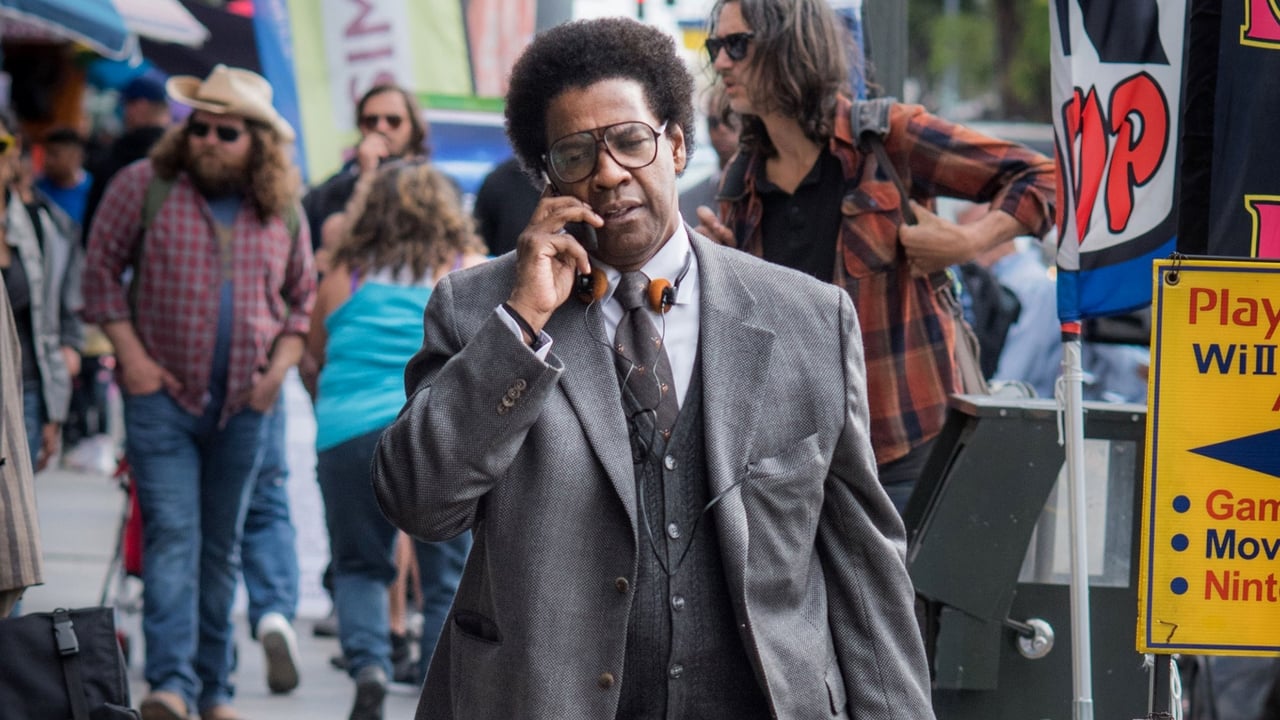
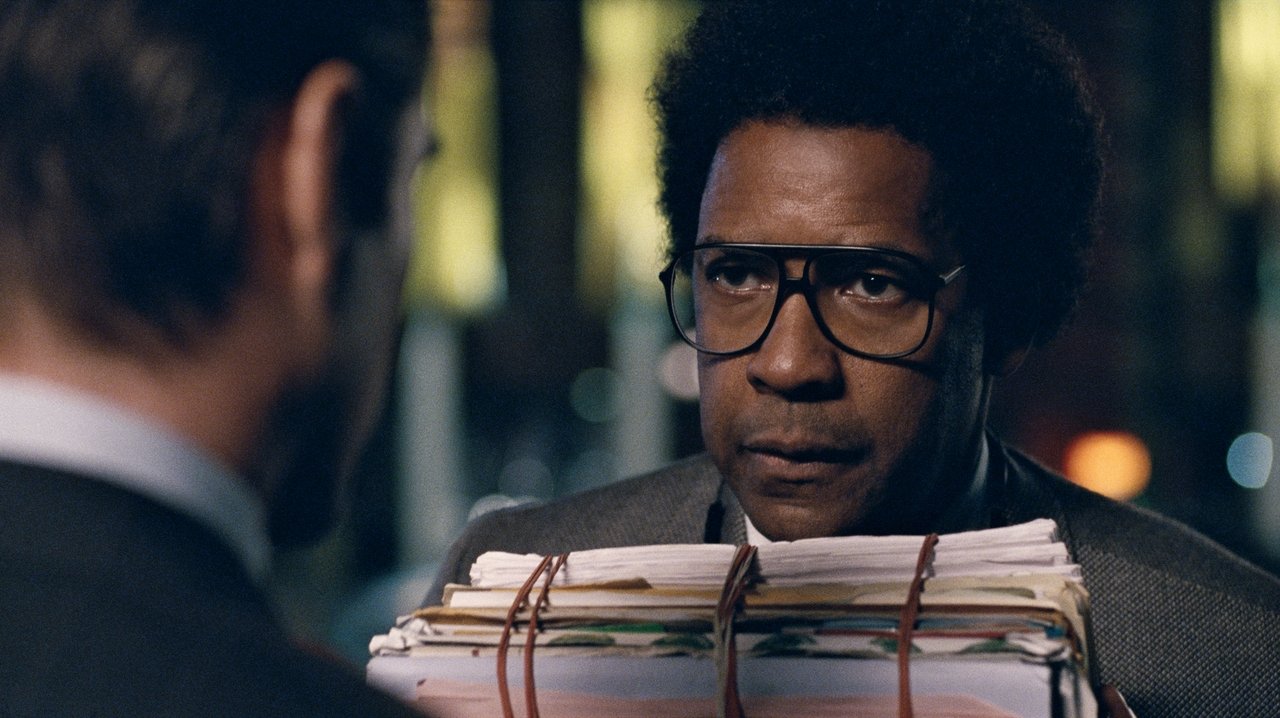
I watched this film while nursing a slightly burnt batch of popcorn, which felt oddly appropriate for a movie about a man who is perpetually "just slightly off" from the rest of the world. Denzel Washington doesn’t just play Roman J. Israel; he inhabits him with a physical commitment that borders on the uncomfortable. He has this specific, heavy-footed waddle, a gap-toothed grimace, and a pair of oversized headphones that serve as a literal barrier between his 1970s soul and our frantic, modern reality.
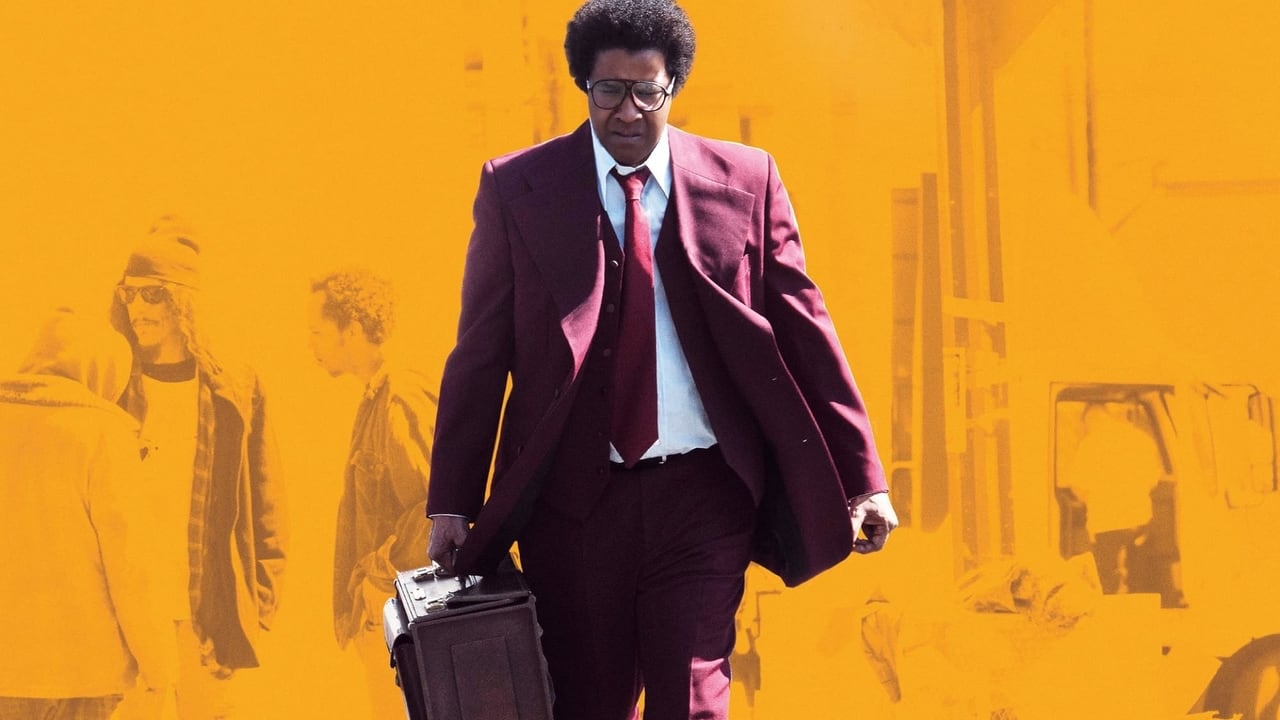
Released in 2017, Roman J. Israel, Esq. arrived at a weird crossroads in cinema. We were deep into the "Franchise Age," and mid-budget adult dramas were already gasping for air in theaters before being relegated to the bottomless pits of streaming queues. It was a "prestige" film that didn't quite know what it wanted to be—and that identity crisis is exactly why it’s worth a look today.
The Denzel Transformation
Let’s be honest: we usually go to a "Denzel Movie" to see Denzel being the coolest guy in the room. Even when he’s a villain, he’s magnetic. But here, he’s actively uncool. He’s a "savant" lawyer who has spent decades in a back room filing motions while his charismatic partner did the talking. When that partner dies, Roman is thrust into the sunlight of a sleek, modern Los Angeles legal world he neither understands nor respects.
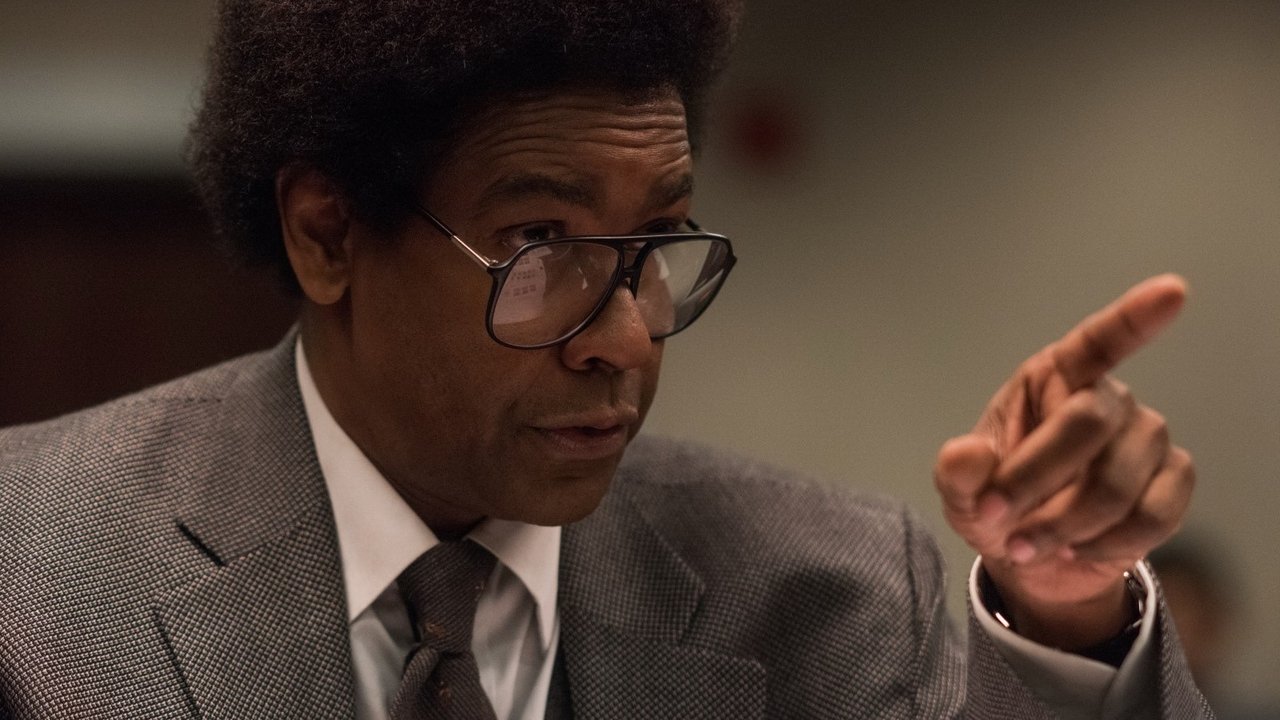
The performance is a masterclass in nuance. Denzel Washington uses his wardrobe—those ill-fitting corduroy suits and that incredible Afro—as a suit of armor. I found myself fascinated by the way he eats peanut butter directly out of the jar with a plastic spoon; it’s a tiny, lonely detail that tells you more about his isolation than ten pages of dialogue ever could. It’s the kind of character work that feels increasingly rare in an era where actors are often asked to be "relatable" or "heroic" above all else. Denzel decided to be a prickly, difficult enigma instead.
A 70s Soul in a Digital World
Director Dan Gilroy, who gave us the razor-sharp Nightcrawler, is clearly trying to channel the paranoid legal thrillers of the 1970s—think The Conversation or All the President’s Men. The film captures a specific kind of L.A. that feels sun-drenched but cold, all glass towers and sterile offices.
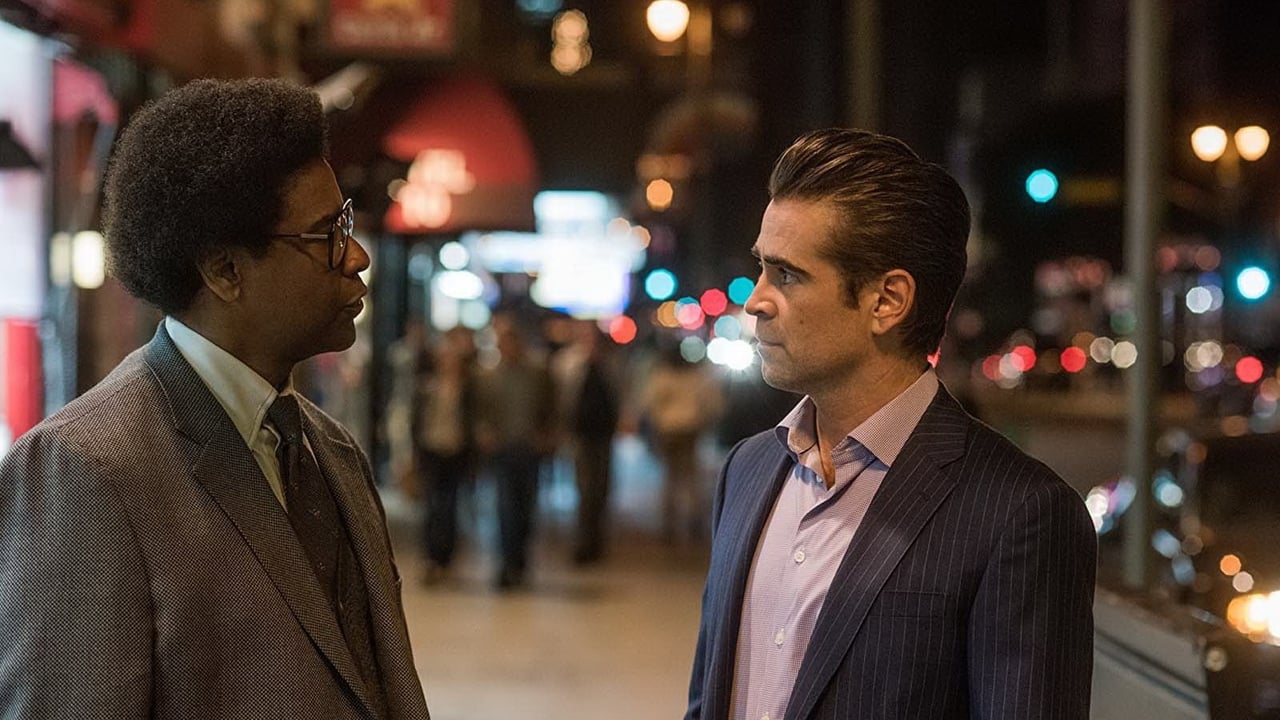
Then enters Colin Farrell as George Pierce, the high-powered, slick attorney who represents everything Roman hates. Farrell is excellent here, playing a man who is clearly a "shark" but possesses a glimmer of genuine soul that Roman accidentally awakens. Their chemistry is the film’s secret weapon. Watching Roman’s stubborn idealism rub off on George’s corporate cynicism provides a narrative arc that feels earned, even when the rest of the plot starts to wobble. Carmen Ejogo also does a lot with a somewhat underwritten role as a civil rights activist, acting as the mirror Roman uses to see the man he used to be.
The Pivot That Didn't Quite Land
Here is where I have to be the "prickly lawyer" myself: the movie suffers from a massive tonal shift about halfway through. It starts as a brilliant, slow-burn character study and then suddenly decides it needs to be a "Crime Thriller." Roman makes a moral compromise—a "moment of weakness" involving a reward for a fugitive—and the film tries to ramp up the tension.
This is where the movie lost a lot of its audience in 2017. It feels like a movie made by someone who fell asleep watching a legal drama and woke up inside a Jason Bourne sequel. The stakes become "Hollywood stakes" rather than the deeply personal, internal stakes established in the first hour. It’s a shame, because the most interesting part of the movie isn't the threat of a hitman; it’s Roman’s existential crisis.
Interestingly, the version of the film you see now isn't the one that premiered at the Toronto International Film Festival. After some lukewarm early reviews, Gilroy and Washington actually went back into the editing room and cut about 12 minutes, re-ordering scenes to get to the "action" faster. This "fix-it-in-post" mentality is a hallmark of the modern era, but you can still feel the seams where the original, more meditative story was stitched back together.
The Verdict on a Forgotten Curiosity
Why did this film vanish? It’s a mouthful of a title, for one. It also lacked the "watercooler" hook needed to survive the social media meat-grinder. In a year dominated by Get Out and The Shape of Water, a quiet, messy drama about a lonely lawyer didn't have a clear lane.
But I’m glad I revisited it. Despite its structural flaws, it’s a film with a massive heart and a lead performance that is genuinely transformative. It’s a reminder that even in our current era of polished, predictable IP, there’s still room for a "difficult" character who doesn't fit in. Roman J. Israel is a man who insists on being heard, even if he’s the only one left in the room.
While it doesn't quite reach the heights of Gilroy's previous work, Roman J. Israel, Esq. is a fascinating failure. It’s worth the price of admission just to watch Denzel deconstruct his own movie-star persona. It’s a film that asks what happens when your lifelong ideals finally hit a wall—and whether you’re willing to pay the price to keep them. Just make sure you have a jar of peanut butter nearby.
Keep Exploring...
-
The Little Things
2021
-
The Infiltrator
2016
-
Suburbicon
2017
-
Black and Blue
2019
-
Stillwater
2021
-
The Outfit
2022
-
Batman vs. Robin
2015
-

Dark Places
2015
-

Heist
2015
-
Suburra
2015
-
Live by Night
2016
-
I Don't Feel at Home in This World Anymore
2017
-

22 July
2018
-
The Night Clerk
2020
-
The Card Counter
2021
-
November
2022
-

Terminal
2018
-
The Informer
2019
-
Lost Bullet
2020
-
Patriots Day
2016