See You Up There
"War breaks the face; art mends the soul."
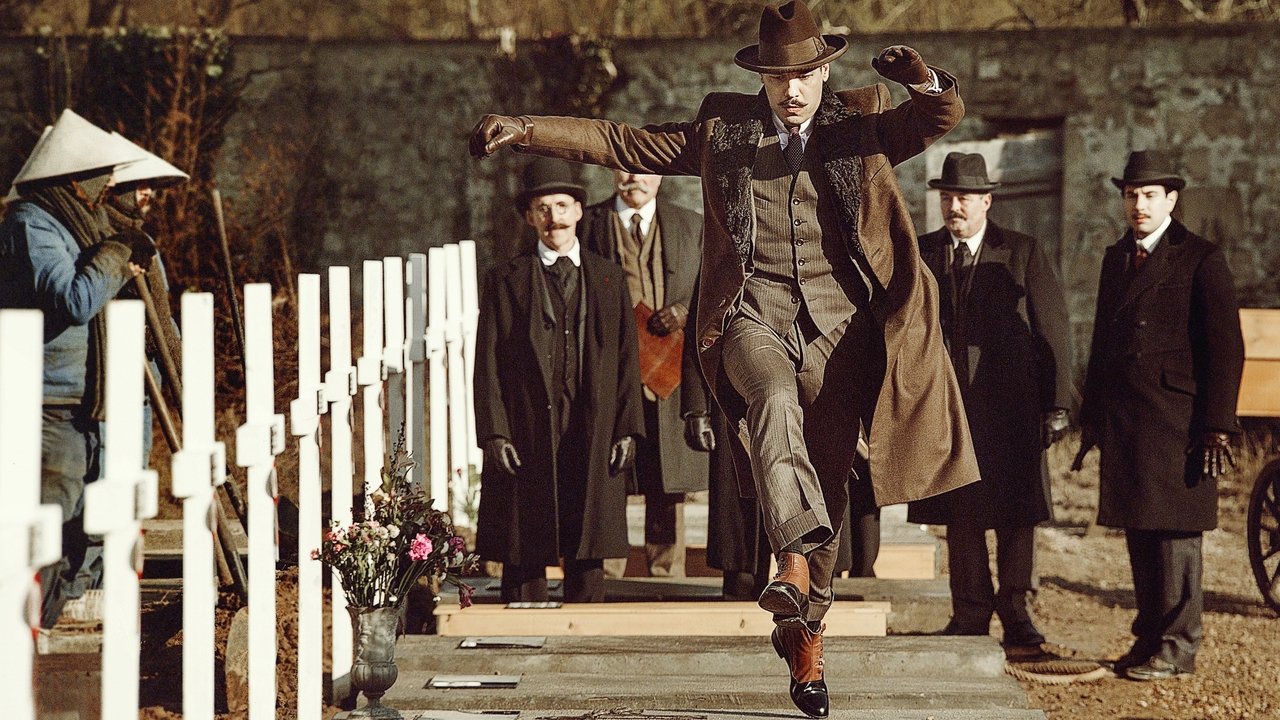
The film opens not with a flourish of trumpets, but with the suffocating weight of wet earth. In the final, agonizing days of World War I—when the Armistice was a whispered promise just out of reach—a sociopathic Lieutenant named Pradelle shoots his own men in the back to goad a final, pointless charge. It is a sequence of staggering, mud-caked brutality that left me staring at my screen in a sort of paralyzed silence. I watched this in my living room while my radiator was doing this rhythmic, metallic clanking that sounded disturbially like distant gunfire, and for a moment, the boundary between my couch and the trenches felt dangerously thin.
See You Up There (or Au revoir là-haut) is a strange, shimmering beast of a movie. It begins as a harrowing war drama and then, with a jagged turn of the wheel, transforms into a darkly comedic crime caper about the "gueules cassées"—the "broken faces" of the Great War. It’s the kind of high-budget, imaginative European spectacle that often gets buried under the avalanche of superhero sequels in our current streaming climate, and that’s a damn shame. It’s a film about how a society forgets its heroes while lining the pockets of its monsters.
The Art of the Broken Face
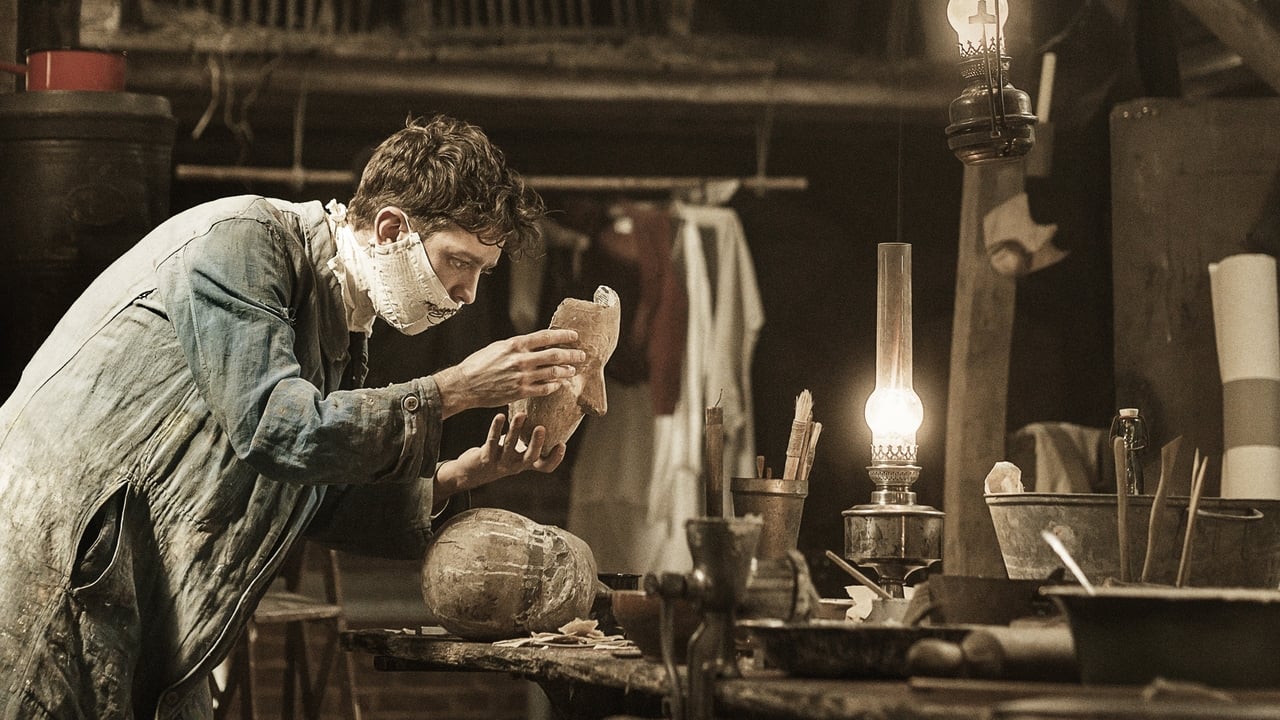
The heart of the story belongs to Nahuel Pérez Biscayart as Édouard Péricourt, a wealthy artist who has his lower jaw blown off while saving the life of a humble, panicked bookkeeper named Albert Maillard (Albert Dupontel, who also directs). If you’ve seen Biscayart in the devastating 120 BPM, you know he has the most expressive eyes in modern cinema. Here, he’s forced to do almost all his acting with those eyes and a series of increasingly elaborate, surrealist masks.
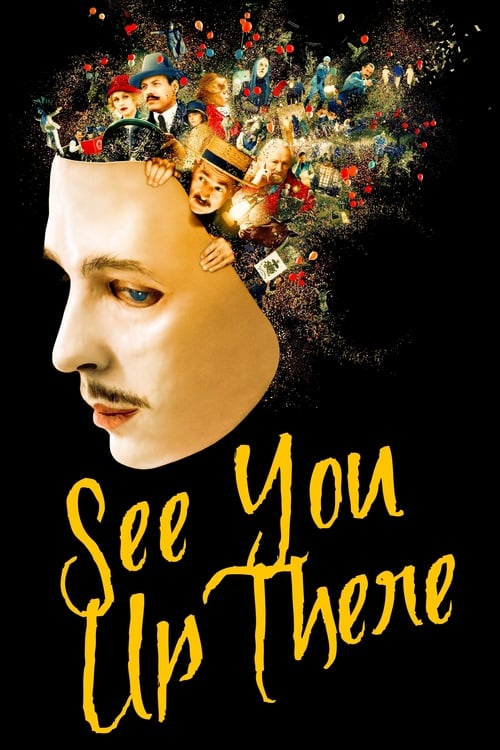
These masks are the film's visual soul. They range from mournful porcelain faces to absurdist, steampunk-inflected creations that wouldn't look out of place in a Terry Gilliam fever dream. Biscayart delivers a performance that is nothing short of a silent-film miracle. He communicates grief, morphine-induced euphoria, and burning resentment without a single line of spoken dialogue. His chemistry with Albert Dupontel—who plays Albert with a frantic, everyman anxiety—is the anchor. They are two discarded men living in a garret, surviving on scams and shared trauma while the rest of Paris tries to pretend the war never happened.
A Villain You Love to Hate
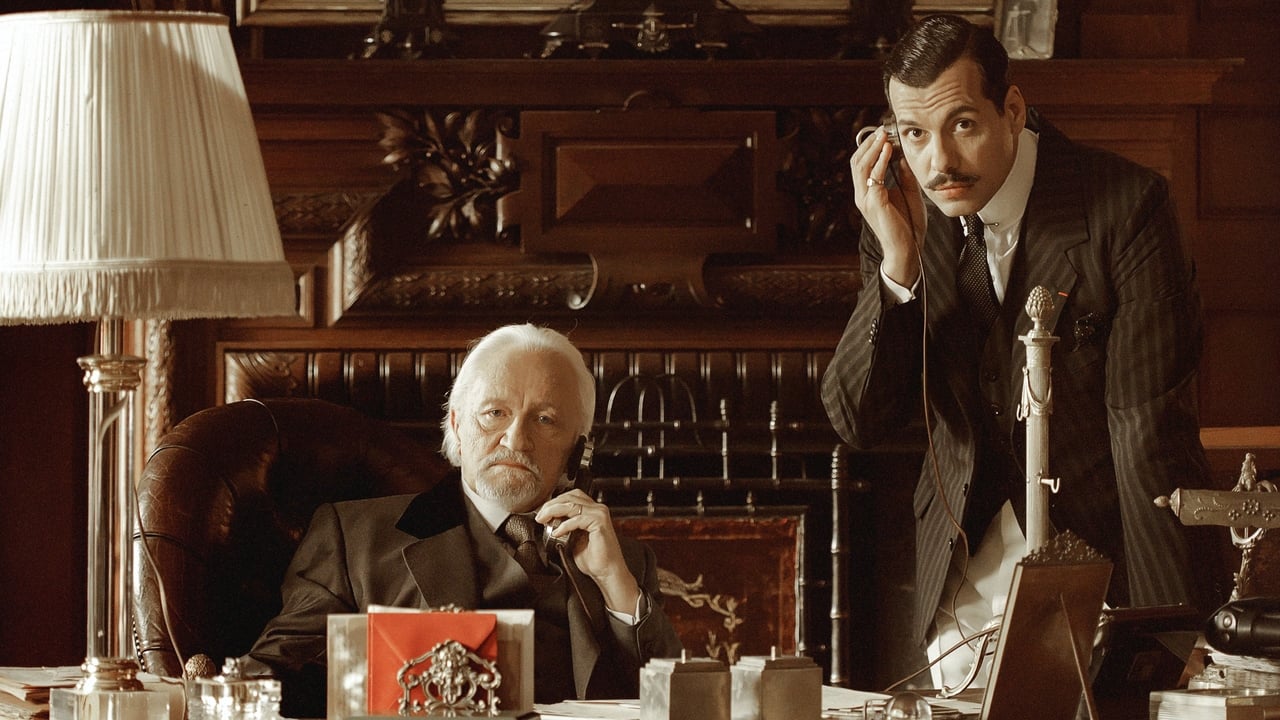
While our heroes are trying to scrape together a living by selling fraudulent war memorials to grieving families, the villainous Pradelle is busy becoming a millionaire. Laurent Lafitte plays the Lieutenant with a sneering, aristocratic entitlement that makes your skin crawl. He is the ultimate war profiteer, literally digging up the dead to move them into cheaper coffins to pad his margins. Lafitte is so good at being bad that I found myself wishing I could reach through the screen and hit him with a very heavy baguette.
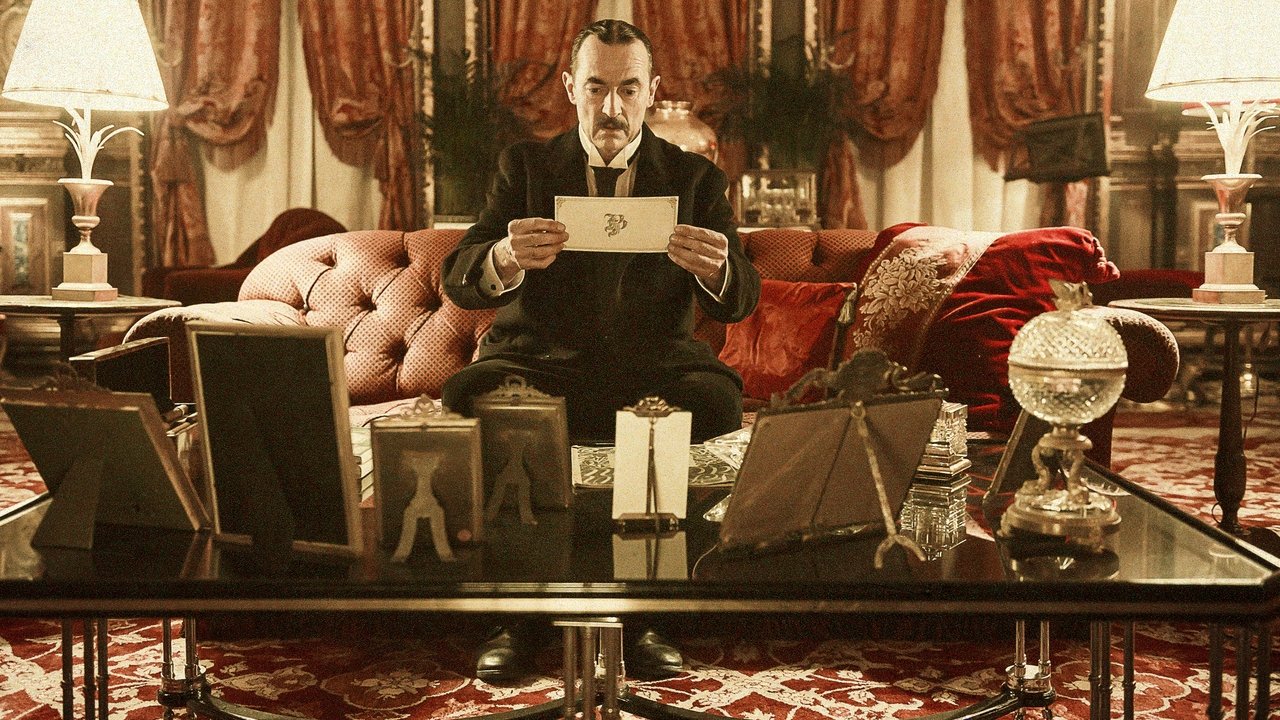
The film uses Pradelle to skewer the hypocrisy of the 1920s. It contrasts the opulent, gilded ballrooms of the Péricourt estate—where Édouard’s cold father, played with a brittle gravity by Niels Arestrup—lives, against the grime of the streets. The production design is staggering. It’s a lush, vibrant recreation of Jazz Age Paris that feels lived-in rather than like a museum exhibit. The cinematography by Vincent Mathias moves with a restless, modern energy, using sweeping crane shots that remind us of the scale of the tragedy and the smallness of the men caught within it.
The Contemporary Context of Trauma
Released in 2017, See You Up There arrived in a cinema landscape obsessed with "gritty realism" on one hand and CG escapism on the other. This film rejects that binary. It uses theatricality and artifice—the masks, the puppets, the stage-managed scams—to tell a deeper truth about PTSD. In an era where we are constantly discussing how we treat our veterans and how we confront historical trauma, the film feels incredibly relevant. It asks: What do we owe the people we broke in the name of the state?
It’s also a testament to the power of a mid-budget "prestige" film. With a budget of $23 million, it looks and feels more expensive than many $100 million American blockbusters because every cent is on the screen in the form of texture and imagination. It’s a "forgotten" gem in the sense that it didn't make a massive splash in the US box office, largely because subtitles remain a barrier for some, but it’s a film that demands to be hunted down on a Friday night.
Cool Details You’ll Miss
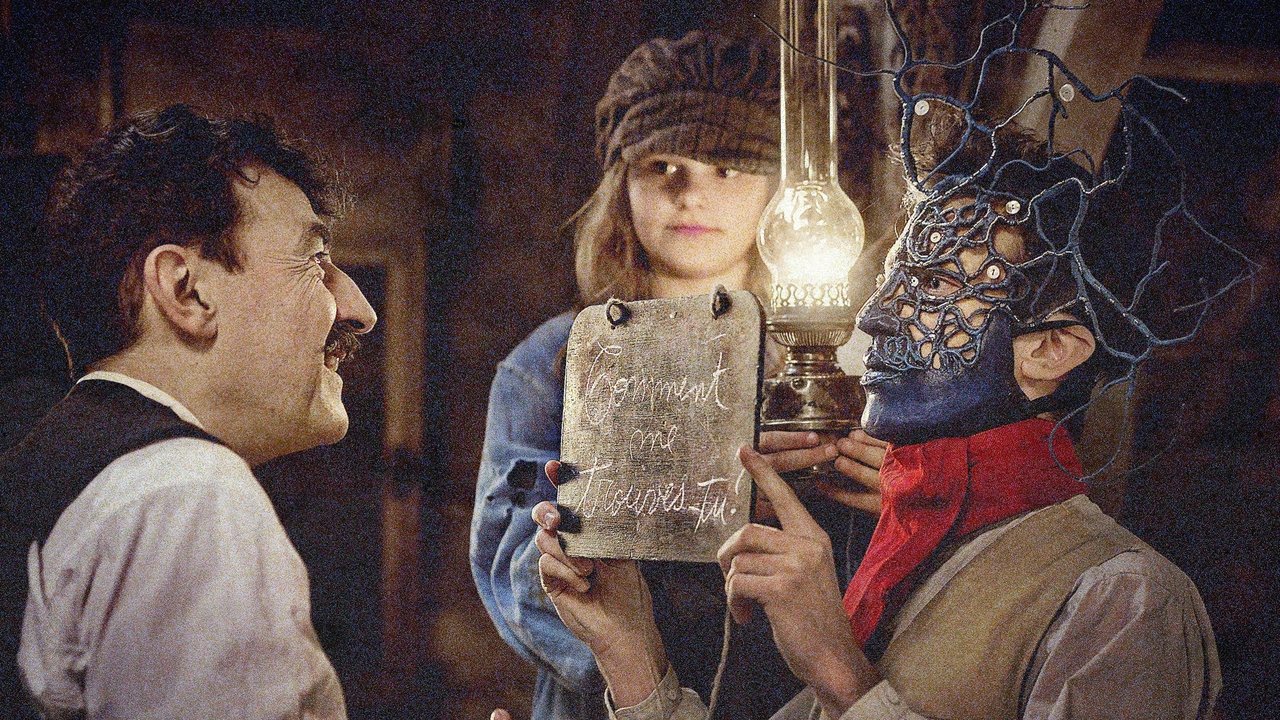
If you look closely at the masks Édouard creates, they mirror his deteriorating mental state and his shifting relationship with his father. Apparently, Albert Dupontel and the mask designer, Cécile Kretschmar, spent months researching real-life facial prosthetics from the era before deciding to pivot toward the more expressive, artistic versions seen in the film. Also, keep an eye out for Mélanie Thierry as Pauline; she provides a much-needed warmth in a story that could easily have spiraled into pure cynicism.
The film handles its ending with a somber, poetic grace that avoids the easy "feel-good" traps of most period dramas. It understands that some wounds—physical or otherwise—don't actually heal; we just learn to wear better masks over them. It’s a dark, intense, and ultimately beautiful piece of work that reminds me why I fell in love with movies in the first place: they allow us to look at the unthinkable without turning away.
This is a film for people who like their history with a side of heist and their drama with a dash of the surreal. It’s a visually arresting, emotionally heavy experience that stays with you long after the credits roll. If you can handle the initial brutality of the trench scenes, you’ll find a story that is as much about the redemptive power of art as it is about the horror of war. It’s a high-wire act of tone that Dupontel sticks with surprising confidence. Seek it out, turn up the sound, and let those haunting masks stare back at you.
Keep Exploring...
-
Bye Bye Morons
2020
-

Suite Française
2015
-

Miss Sloane
2016
-

Beasts of No Nation
2015
-
Eye in the Sky
2015
-

Land of Mine
2015
-
Suburra
2015
-

A Bag of Marbles
2017
-

The Breadwinner
2017
-

The Zookeeper's Wife
2017
-
22 July
2018
-
Т-34
2018
-
November
2022
-
The Outfit
2022
-
Batman vs. Robin
2015
-
Don't Be Bad
2015
-
The Siege of Jadotville
2016
-
The Guilty
2018
-

The Traitor
2019
-
The Unforgivable
2021