Shot Caller
"The price of survival is your soul."
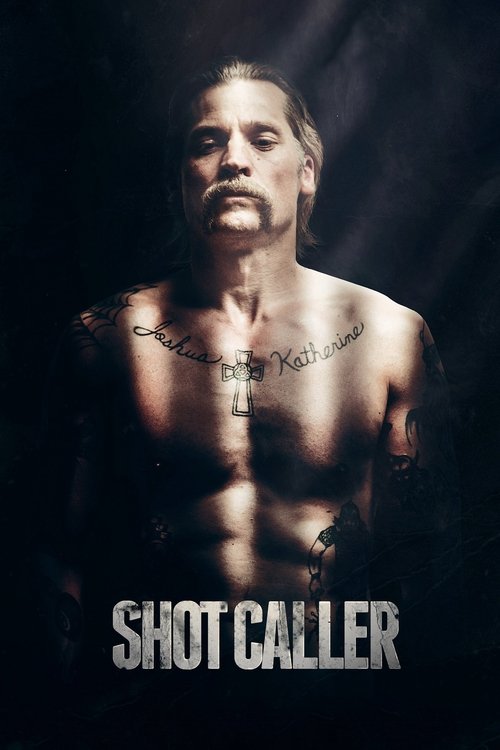
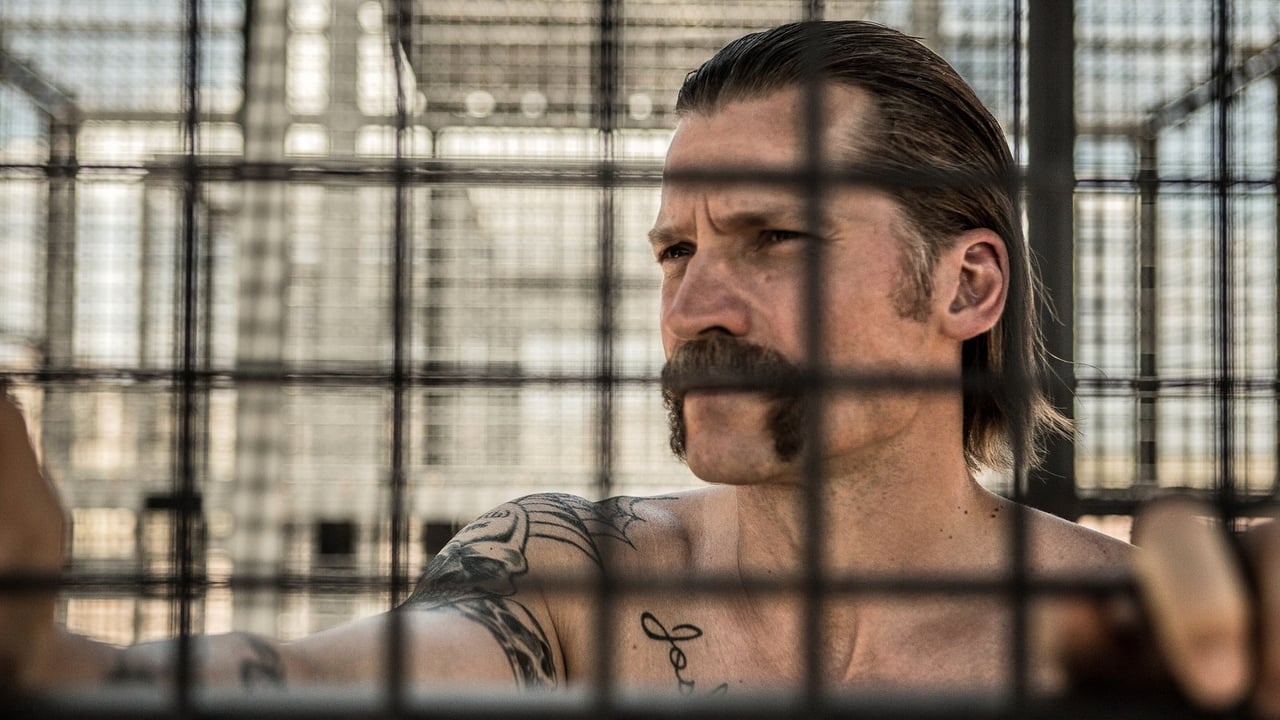
The first thing I noticed wasn't the tattoos or the bulging muscles; it was the mustache. Nikolaj Coster-Waldau sports a handlebar mustache in the later stages of Shot Caller that is so aggressively masculine it practically demands its own SAG card. It’s a far cry from the golden-boy Lannister locks we’re used to, and it serves as a perfect visual shorthand for the film's entire mission: the total, harrowing erasure of a "civilized" man. I watched this on a Tuesday night while eating a lukewarm burrito, and by the forty-minute mark, my burrito felt like an offensive luxury compared to the grim, concrete reality unfolding on my screen.
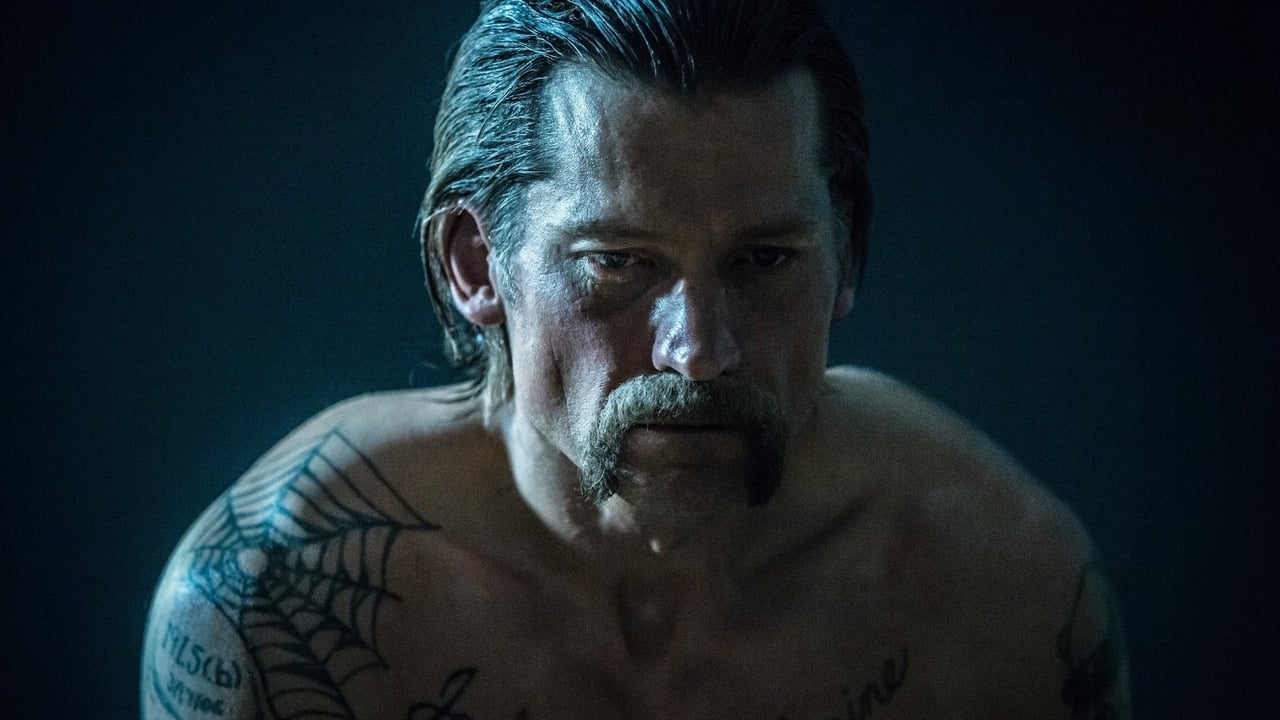
From Stockbroker to Shot Caller
On paper, Shot Caller sounds like a direct-to-video cliché you’d find in a bargain bin. A successful stockbroker, Jacob Harlon, makes a fatal mistake—a DUI accident that kills his friend—and gets sent to a maximum-security prison. To survive, he has to join a white supremacist gang, eventually transforming into "Money," a hardened kingpin. If this were a lesser movie, it would be a mindless "tough guy" fantasy. Instead, director Ric Roman Waugh (who gave us Felon and later Greenland) turns it into a Greek tragedy draped in denim and ink.
The film operates on two timelines: Jacob’s initial descent into the prison system and his life as a newly released parolee being forced into one last "job" by the gang leaders still pulling his strings from behind bars. The way these timelines weave together is genuinely clever. We see the soft, apologetic Jacob in the past contrasted against the cold, calculated Money in the present. Nikolaj Coster-Waldau is actually a better actor than he was ever allowed to be on Game of Thrones. He carries the weight of a man who knows he has traded his soul for his family’s safety, and the look in his eyes during the final act is enough to make you want to go hug your kids and never look at a steering wheel again.
The Streaming Era’s Secret Heavyweight
When Shot Caller dropped in 2017, it barely made a ripple at the box office. It was one of those "DirectTV Cinema" releases that seemed destined for the digital void. But then, a funny thing happened: people actually watched it. It found a second life on streaming platforms, becoming a word-of-mouth sensation among fans who were tired of the CGI-bloated blockbusters dominating the late 2010s. It’s the quintessential "Dad Movie" that is actually a piece of high-stakes art.
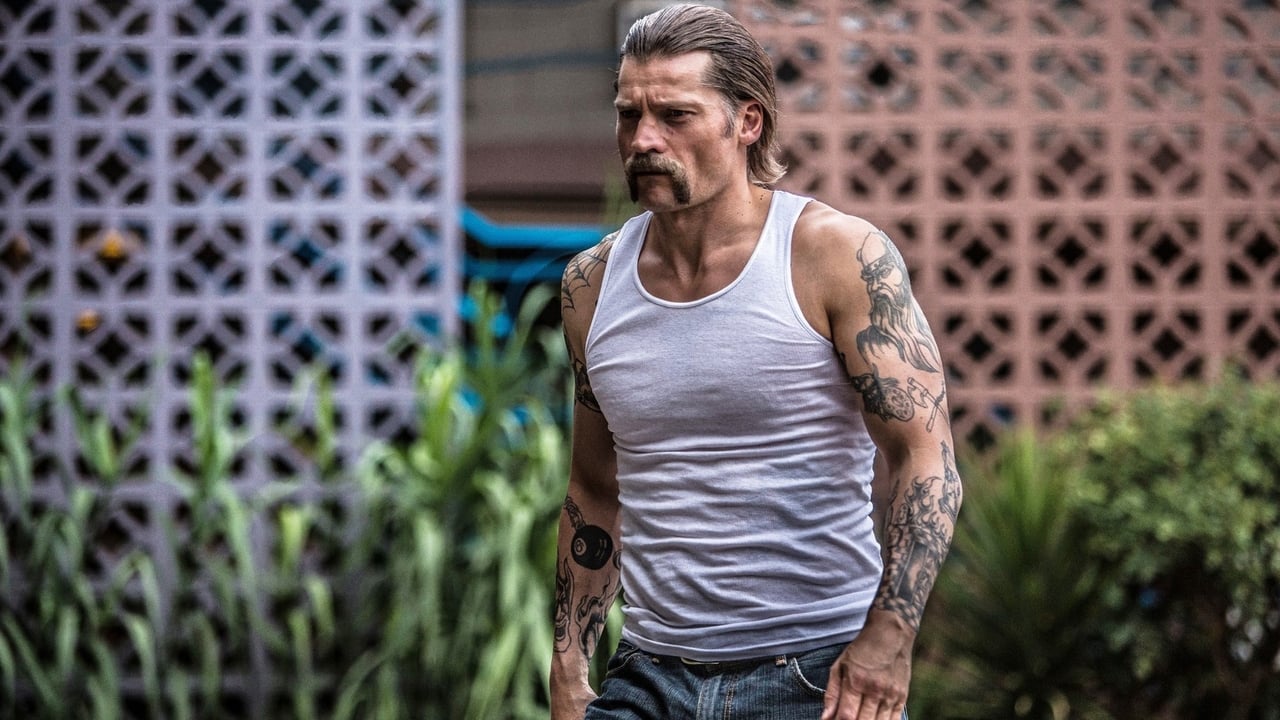
The authenticity is what hooked the cult following. Ric Roman Waugh didn’t just guess what prison was like; he spent years volunteering as a parole officer to research this world. He even used real former inmates as extras to ensure the atmosphere felt suffocatingly real. There’s a scene involving a "keistering" incident—I won’t get into the mechanics for the sake of your appetite—that feels so matter-of-factly brutal it makes your skin crawl. This movie makes The Shawshank Redemption look like a stay at a Four Seasons.
The supporting cast is an absolute embarrassment of riches. Jon Bernthal (best known for The Punisher) shows up as Frank 'Shotgun,' and as usual, he vibrates with a terrifying, unpredictable energy. Jeffrey Donovan, of Burn Notice fame, is chilling as Bottles, the gang’s lead strategist. Even Omari Hardwick brings a weary, soulful depth to the parole officer trying to piece together Jacob’s endgame. It’s an ensemble that understands the assignment: this isn't a movie about "cool" criminals; it’s a movie about the institutional meat grinder.
A Masterclass in Directorial Restraint
In an era where every crime thriller feels the need to use shaky-cam or rapid-fire editing to "create" tension, Ric Roman Waugh and cinematographer Dana Gonzales let the camera linger. They understand that a man sitting silently in a cell, contemplating a shank, is infinitely more suspenseful than a ten-minute car chase. The lighting in the California desert scenes has this parched, bleached-out quality that makes you feel the heat and the dust.
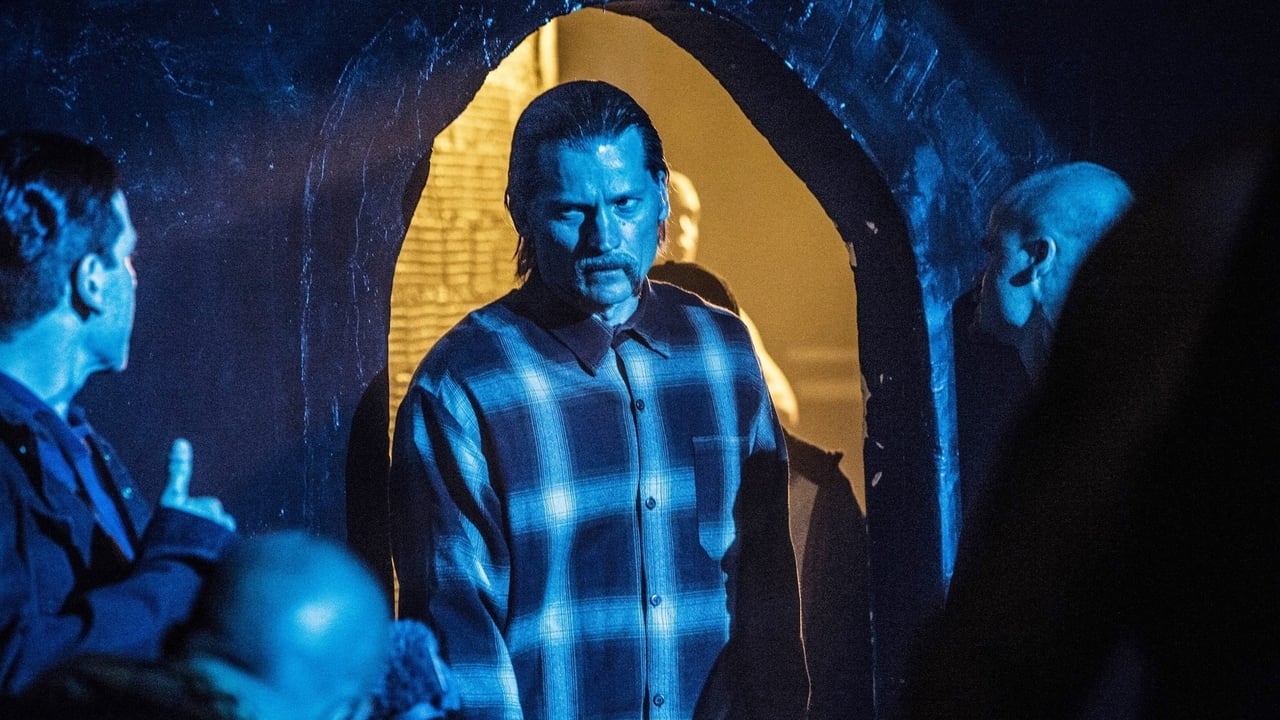
The film also avoids the trap of glorifying Jacob's transformation. We don't cheer for Money. We mourn Jacob. The movie asks a deeply uncomfortable question that resonates in our current era of "tough on crime" rhetoric versus prison reform: Does the system exist to rehabilitate, or does it simply manufacture more efficient monsters? By the time the credits roll, the answer feels like a punch to the gut.
There are some minor gripes—the ending leans a little heavily into "action movie" territory, and Lake Bell, who is fantastic as Jacob’s wife, feels slightly sidelined—but these are small fractures in a very solid foundation.
Shot Caller is the kind of discovery that reminds me why I love cinema. It’s a film that was ignored by the masses, buried by a weird release strategy, and yet rose to the surface because the quality was simply too high to ignore. It’s a grim, unflinching, and surprisingly emotional look at the lengths a person will go to when they're backed into a corner. If you’ve missed this one in the shuffle of the last few years, do yourself a favor: skip the blockbuster sequels tonight and spend two hours with Money. Just maybe skip the burrito.

Keep Exploring...
-
Snitch
2013
-
Wrath of Man
2021
-
Jack Reacher: Never Go Back
2016
-
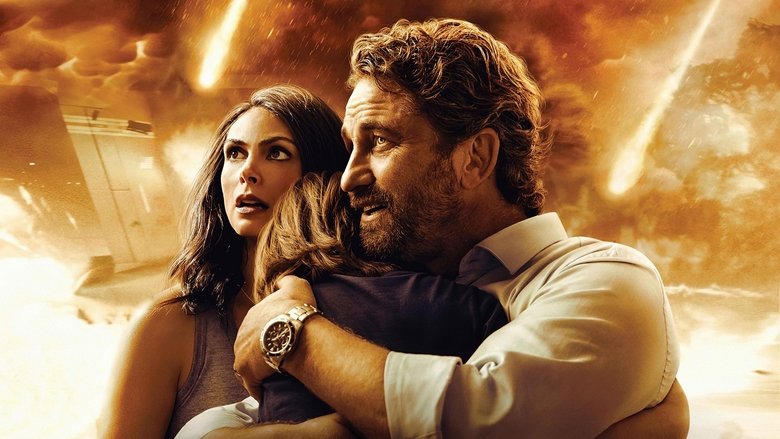
Greenland
2020
-
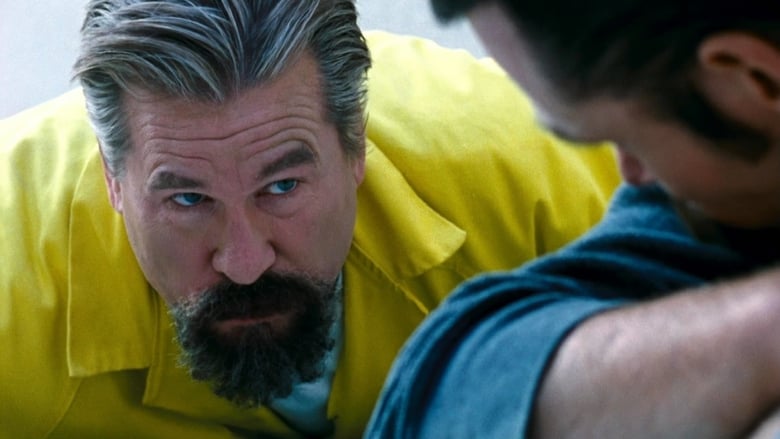
Felon
2008
-
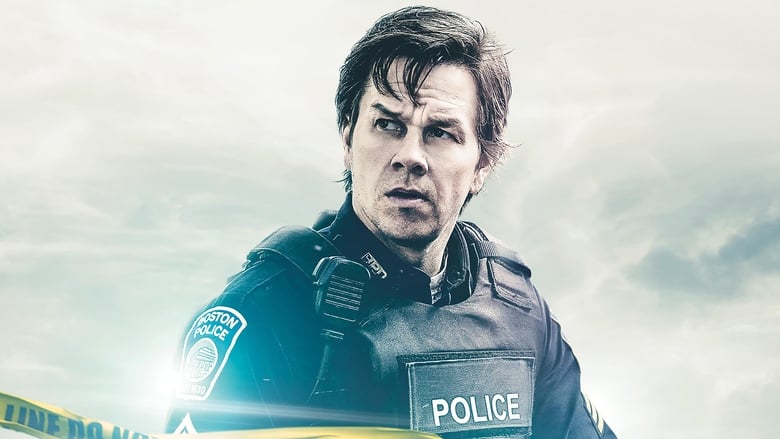
Patriots Day
2016
-
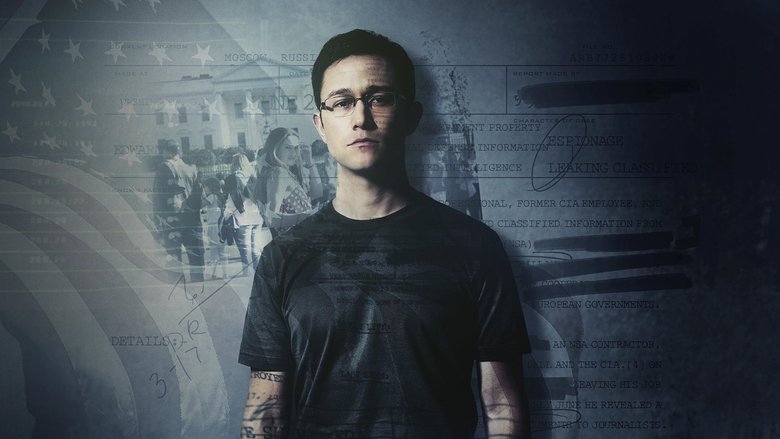
Snowden
2016
-
Bad Times at the El Royale
2018
-
Widows
2018
-
El Camino: A Breaking Bad Movie
2019
-
The Highwaymen
2019
-
Uncut Gems
2019
-

Promising Young Woman
2020
-

The Devil All the Time
2020
-
I Care a Lot
2021
-
Nightmare Alley
2021
-
The Little Things
2021
-
Ambulance
2022
-
Sherlock: The Abominable Bride
2016
-
You Were Never Really Here
2017