Smurfs: The Lost Village
"Big blue world, even bigger secrets."
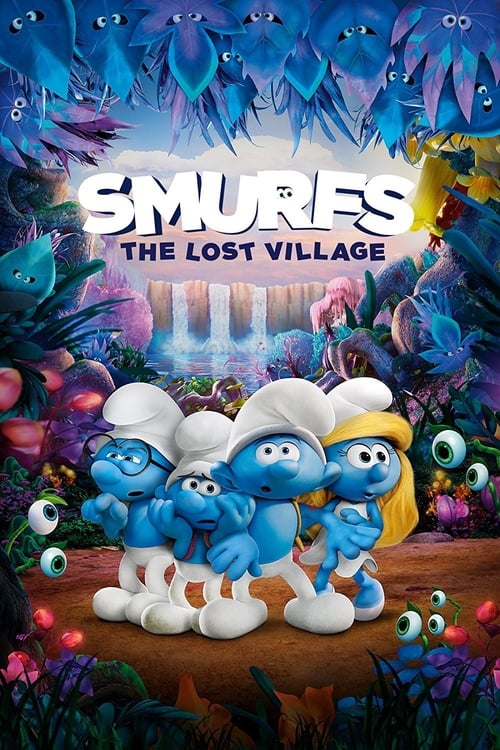
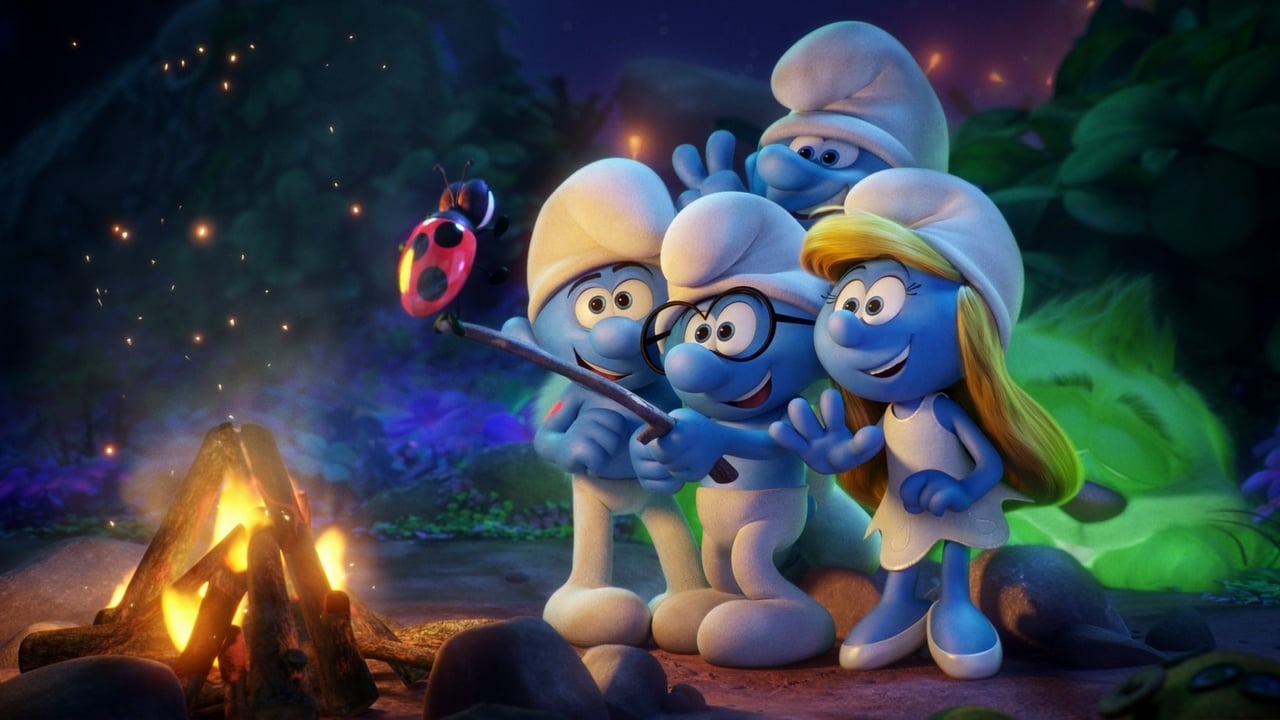
After years of watching those uncanny-valley Smurfs rub shoulders with live-action actors in Manhattan, seeing them return to a world of pure, unadulterated animation feels like a collective sigh of relief for my retinas. Gone are the days of the hybrid experiment that felt more like a commercial for New York tourism than a tribute to Peyo’s original Belgian comics. Smurfs: The Lost Village marks a hard pivot for the franchise, opting for a candy-colored, fully digital landscape that finally prioritizes the whimsical aesthetic of the source material over the "fish out of water" tropes that dominated the earlier 2010s.
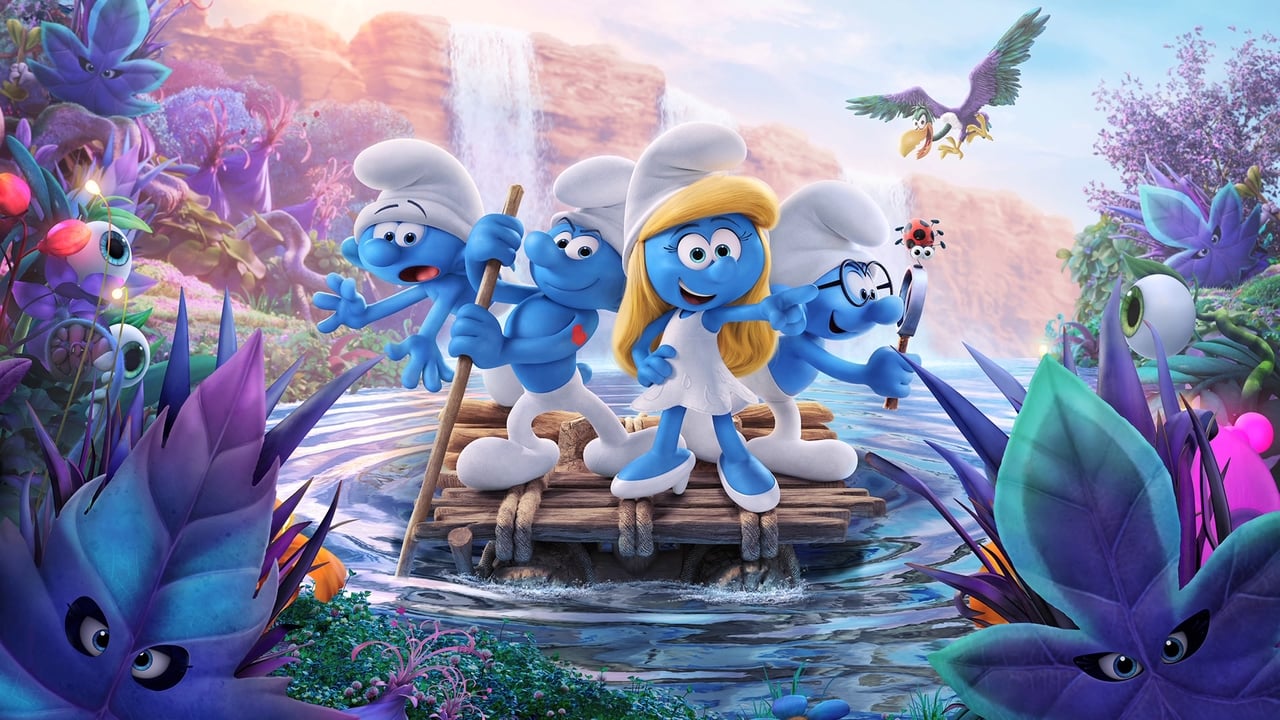
I watched this while nursing a slightly lukewarm cup of peppermint tea and realized that my skin is roughly the same shade of pale as Gargamel’s on a Monday morning. Thankfully, the film itself is much more vibrant. It’s an adventure that feels tailored for the 2017 cultural moment: a time when the "Smurfette Principle"—that pesky trope where a lone female character exists solely as a foil for a group of males—was being dismantled across all corners of pop culture.
The Quest for a Suffix-Free Life
The story centers squarely on Smurfette, voiced with a grounded, relatable pluck by Demi Lovato (Camp Rock). Unlike Brainy, Hefty, or Clumsy, Smurfette’s name doesn't define her personality; it just defines her gender. It’s a classic existential crisis wrapped in a G-rated package. When she discovers a map to a "Lost Village" in the Forbidden Forest, she sets out to warn its inhabitants about the bumbling but persistent Gargamel, played with glorious, scenery-chewing hamminess by Rainn Wilson (The Office).
Accompanying her are the usual suspects: Joe Manganiello (Magic Mike) as the muscle-bound Hefty, Jack McBrayer (30 Rock) as the perpetually accident-prone Clumsy, and Danny Pudi (Community) as the pedantic Brainy. The chemistry between the four is breezy and light, leaning into the camaraderie that defines the best adventure films. They aren't just a team; they’re a support system. Watching Joe Manganiello voice a tiny blue creature with an ego twice its size is a meta-delight that kept me grinning through the more predictable plot beats.
A Forbidden Forest of Technicolor Dreams
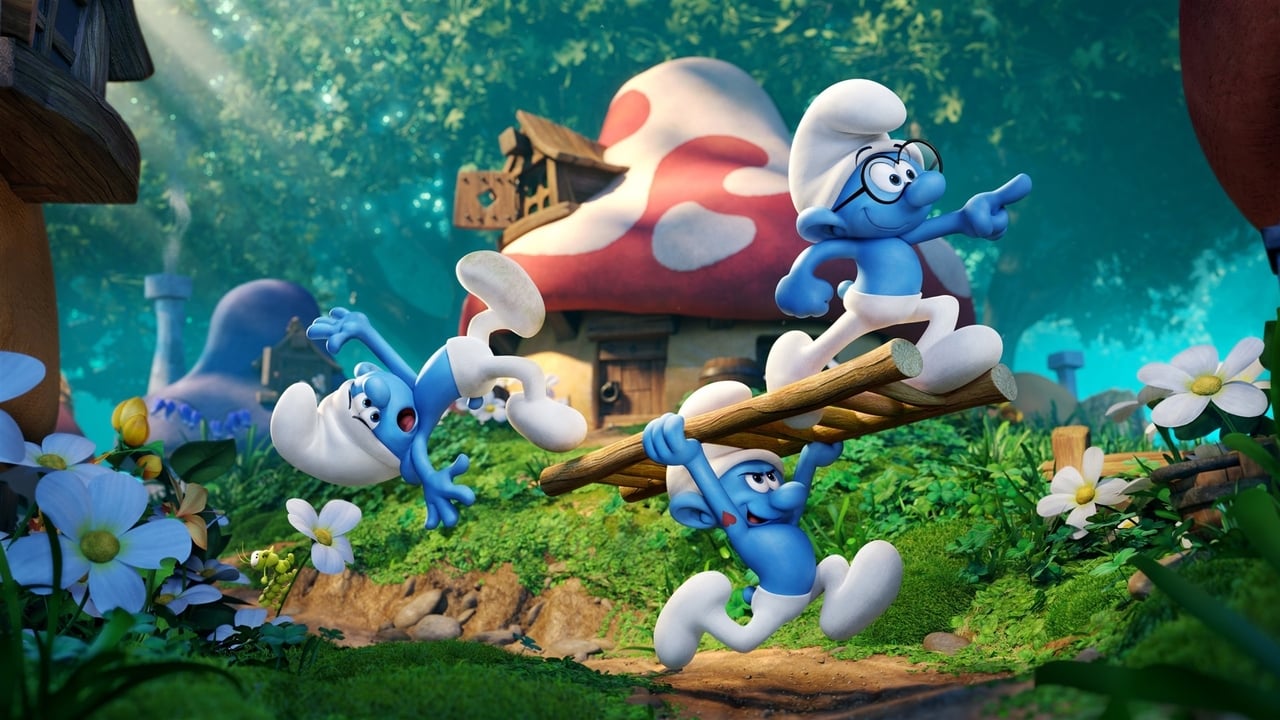
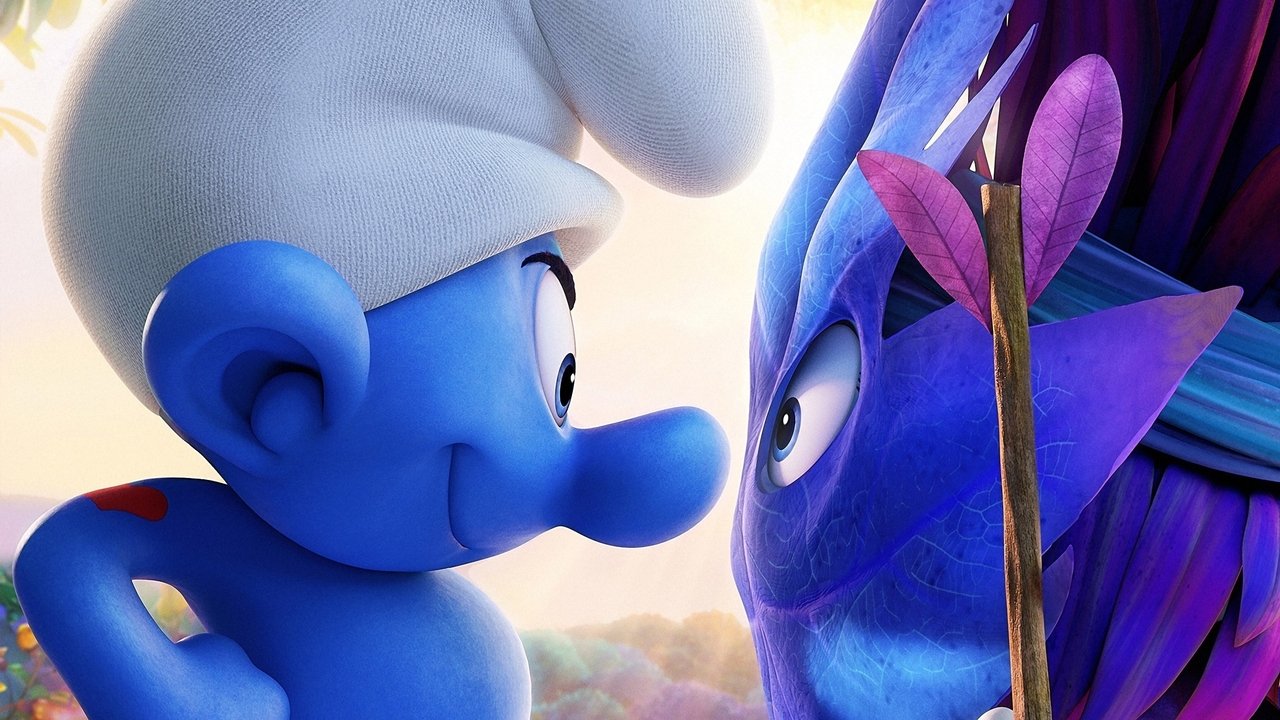
The real star here, however, is the world-building. Directed by the late Kelly Asbury (Shrek 2), the Forbidden Forest is a triumph of imagination that justifies the film’s $60 million budget. It’s a psychedelic wonderland of glowing plants, fire-breathing dragonflies, and rivers that flow vertically. It’s the kind of environment that makes you want to reach into the screen and see if the grass tastes like lime Jell-O.
The movie is essentially a high-fructose corn syrup fever dream designed to sell plushies, but at least it has a soul. The animation style ignores the hyper-realistic textures favored by Pixar in favor of something more "squash and stretch." It feels tactile and bouncy, reminiscent of the 1980s cartoon but with the benefit of modern lighting and particle effects. In an era where big-budget animation can sometimes feel cold and clinical, there’s a hand-crafted warmth to the Lost Village itself—a community of female Smurfs led by Smurfwillow, voiced by the legendary Julia Roberts (Pretty Woman).
This revelation is the film’s biggest swing. By introducing an entire society of female Smurfs, the screenplay by Pamela Ribon and Stacey Harman effectively retires the "token girl" narrative. It’s a meaningful step toward representation that doesn't feel like a lecture, but rather an organic expansion of the lore.
Behind the Blue Magic
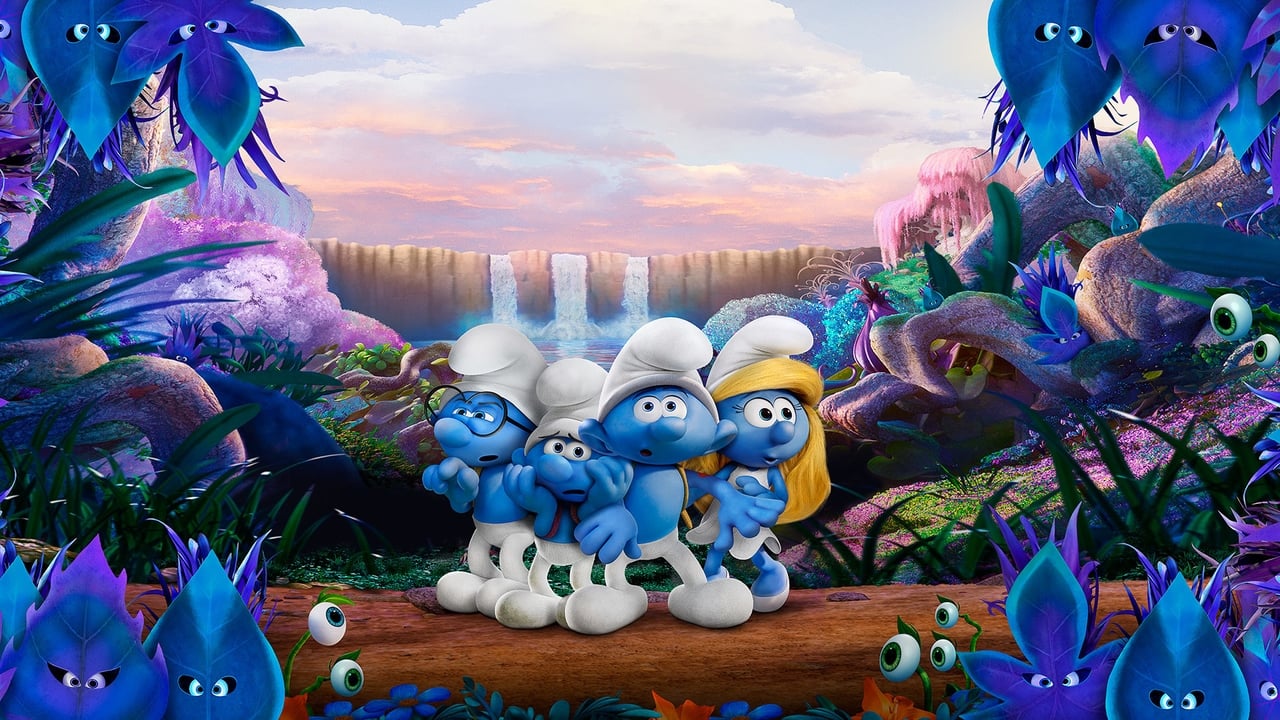
From a production standpoint, The Lost Village was a bit of a gamble. Sony Pictures Animation decided to scrap the continuity of the previous films entirely, treating this as a fresh start. It was a smart move. While it didn't quite reach the box office heights of the 2011 original (which raked in over $560 million), its $197 million haul proved there was still plenty of gas in the mushroom-house tank.
The soundtrack, composed by Christopher Lennertz, stays mostly in the background, but the inclusion of contemporary pop hits gives it that "modern blockbuster" sheen that can occasionally feel a bit forced. I’m still not entirely sure we needed a Meghan Trainor track to sell the emotional stakes of a Smurf transformation, but hey, that’s 2017 for you. It’s a film that knows its audience—kids who want bright colors and parents who want a harmless, 89-minute distraction—and it serves both masters with a wink and a smile.
While it doesn't reinvent the wheel or offer the profound emotional depth of a Toy Story, Smurfs: The Lost Village is a charming, visually inventive adventure that finally does right by its leading lady. It trades the cynicism of the live-action hybrids for a genuine sense of wonder and a much-needed update to its gender dynamics. If you’re looking for a fun, low-stakes journey through a world that looks like a neon-lit botanical garden, this is a trip worth taking. It’s simple, sweet, and avoids the "franchise fatigue" by being exactly what it needs to be: a colorful escape into the woods.
Keep Exploring...
-
Ralph Breaks the Internet
2018
-
The Secret Life of Pets
2016
-

The Secret Life of Pets 2
2019
-
Minions
2015
-
The SpongeBob Movie: Sponge Out of Water
2015
-
Finding Dory
2016
-
Ice Age: Collision Course
2016
-
Kung Fu Panda 3
2016
-
The Angry Birds Movie
2016
-
Despicable Me 3
2017
-
Frozen II
2019
-

Minions: The Rise of Gru
2022
-
PAW Patrol: The Movie
2021
-

Kung Fu Panda 4
2024
-
Moana 2
2024
-

The Garfield Movie
2024
-
Ballerina
2016
-
Shrek 2
2004
-
Alvin and the Chipmunks: The Road Chip
2015
-
Storks
2016