Split
"One man, twenty-three personas, and the terrifying birth of a modern-day monster."
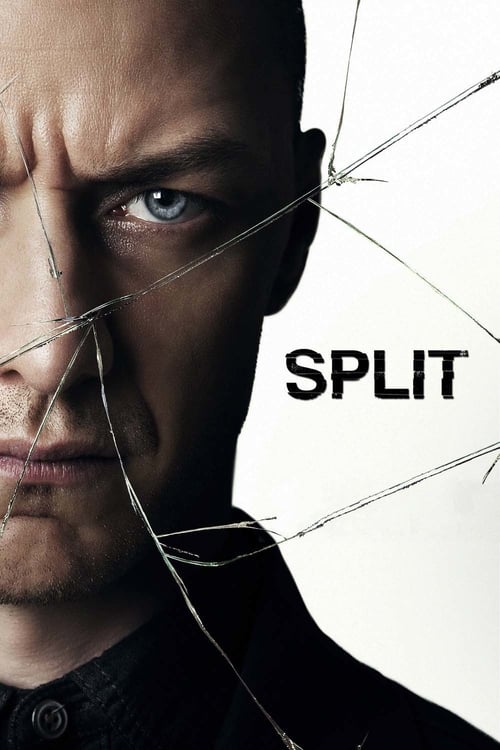
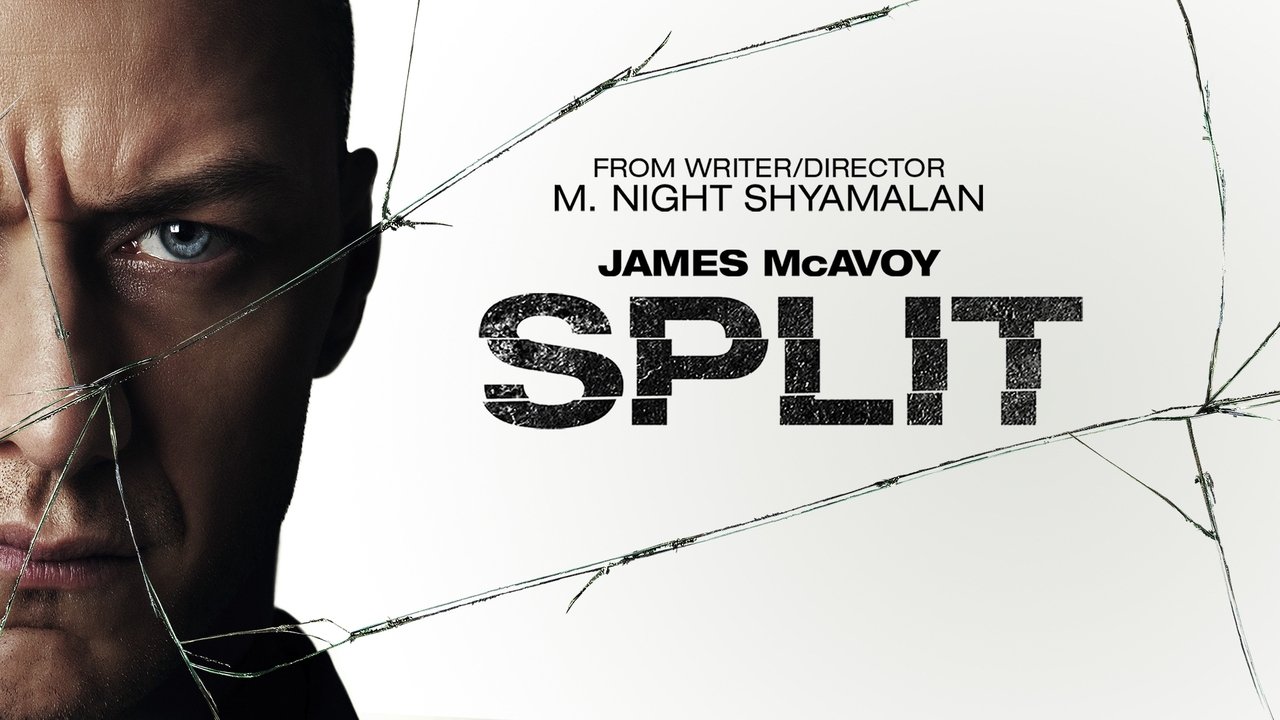
There is a specific, jagged silence that takes over a theater when an actor stops being a performer and starts being a threat. I remember sitting in a half-empty cinema during the second week of Split’s release, wearing a wool sweater that was far too itchy for the central heating. As the screen filled with James McAvoy’s face, shifting from the lisping, innocent curiosity of a nine-year-old boy to the cold, clinical rigidity of a kidnapper in a single exhale, I forgot all about the scratchy fabric. I was too busy trying to remember how to breathe.
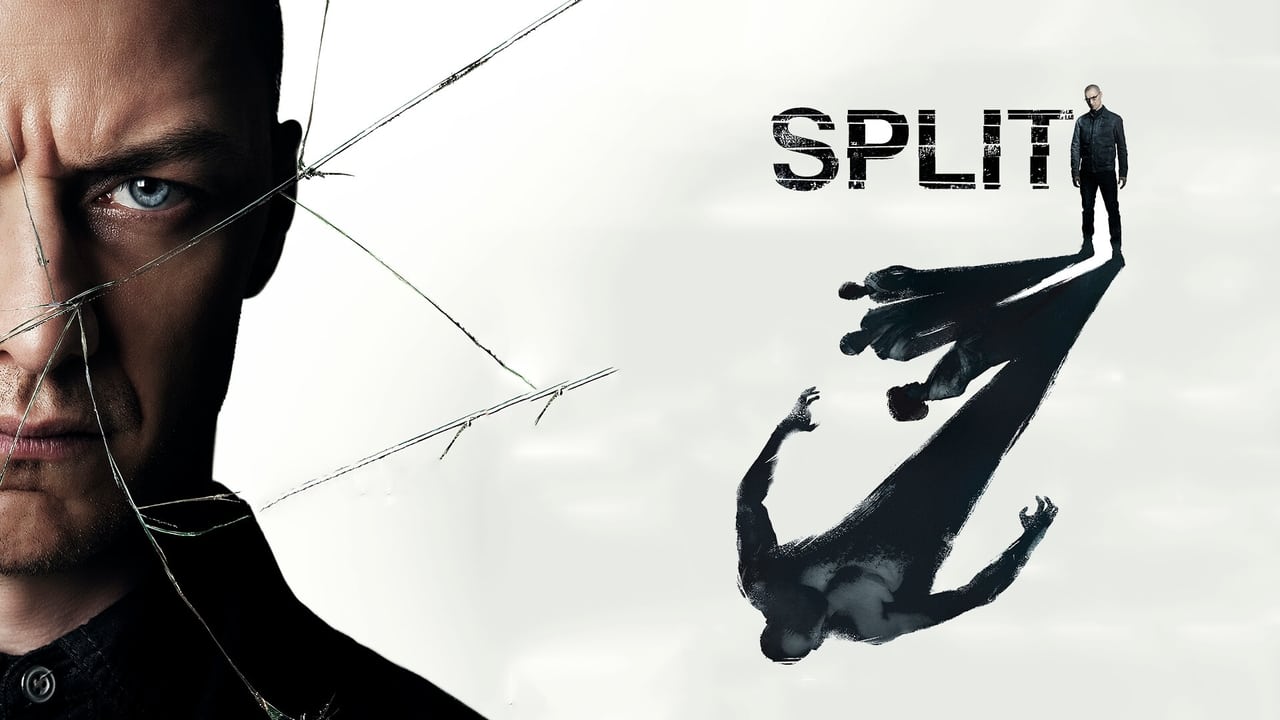
By 2017, we had mostly consigned M. Night Shyamalan to the "has-been" bin of cinematic history. After the bloated disasters of The Last Airbender and After Earth, the consensus was that his twist-heavy magic had evaporated. But then came the Blumhouse partnership. With a lean $9 million budget—pocket change in an era where Marvel was spending $200 million just to keep the lights on—Shyamalan went back to basics: a basement, a few terrified girls, and a lead actor willing to shatter his psyche for the camera.
The McAvoy Metamorphosis
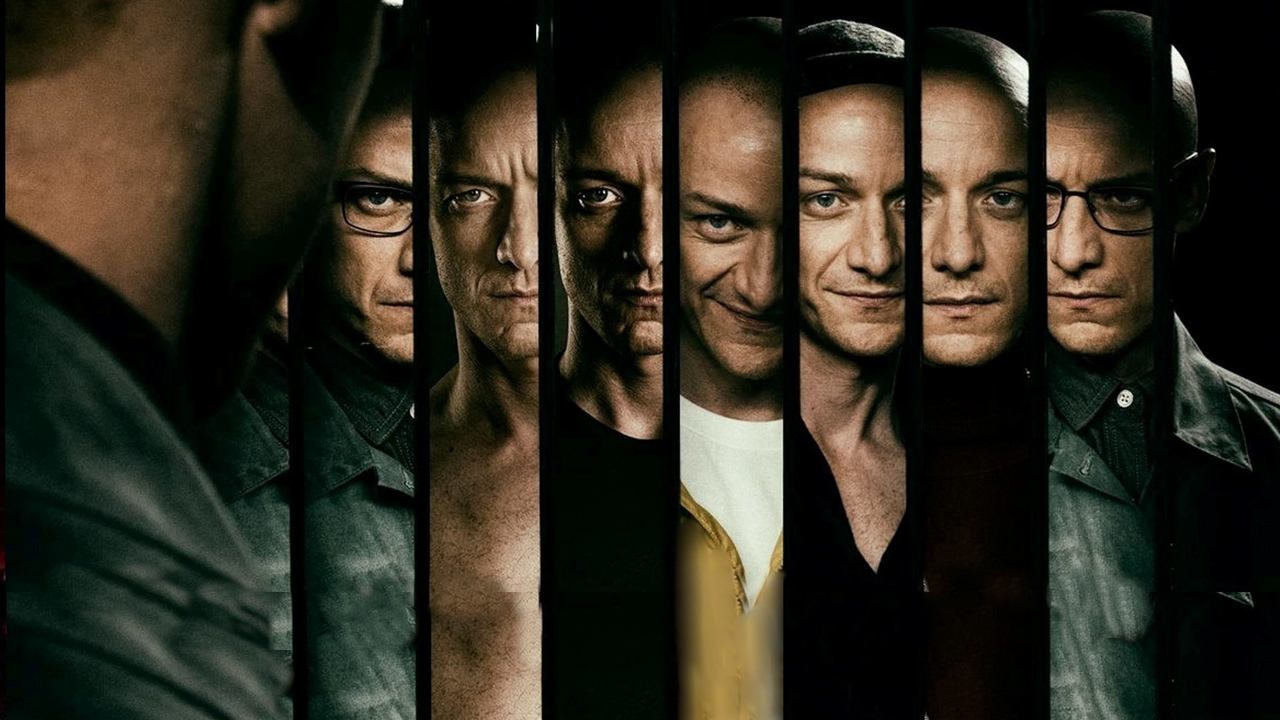
The heavy lifting here is almost entirely done by James McAvoy (known for X-Men: First Class and Atonement), and calling it a performance feels like an understatement. He plays Kevin Wendell Crumb, a man with Dissociative Identity Disorder, but more accurately, he plays "The Horde." We spend the most time with Dennis, an obsessive-compulsive strategist; Patricia, a chillingly polite woman with a hidden agenda; and Hedwig, the nine-year-old trapped in a man’s body.
Watching McAvoy navigate these transitions without the help of CGI or heavy prosthetics is the kind of high-wire act that keeps you pinned to your seat. He changes his posture, his vocal register, and even the way he blinks. The movie is a better ‘superhero origin story’ than 90% of the MCU’s bloated catalog. It’s grounded in a way that feels dangerously tactile. When Dennis cleans a surface, you feel the sterility; when Hedwig dances to Kanye West, the awkwardness is palpable.
I’ve heard the critiques regarding the film’s depiction of mental health, and they are valid conversations to have in our current, more sensitive cultural climate. However, Split isn't trying to be a medical documentary. It’s an old-school, lurid "creature feature" disguised as a psychological thriller. It treats the human mind as a vast, unexplored frontier where the "broken" might actually be the "evolved."
The Quiet Resilience of Casey Cooke
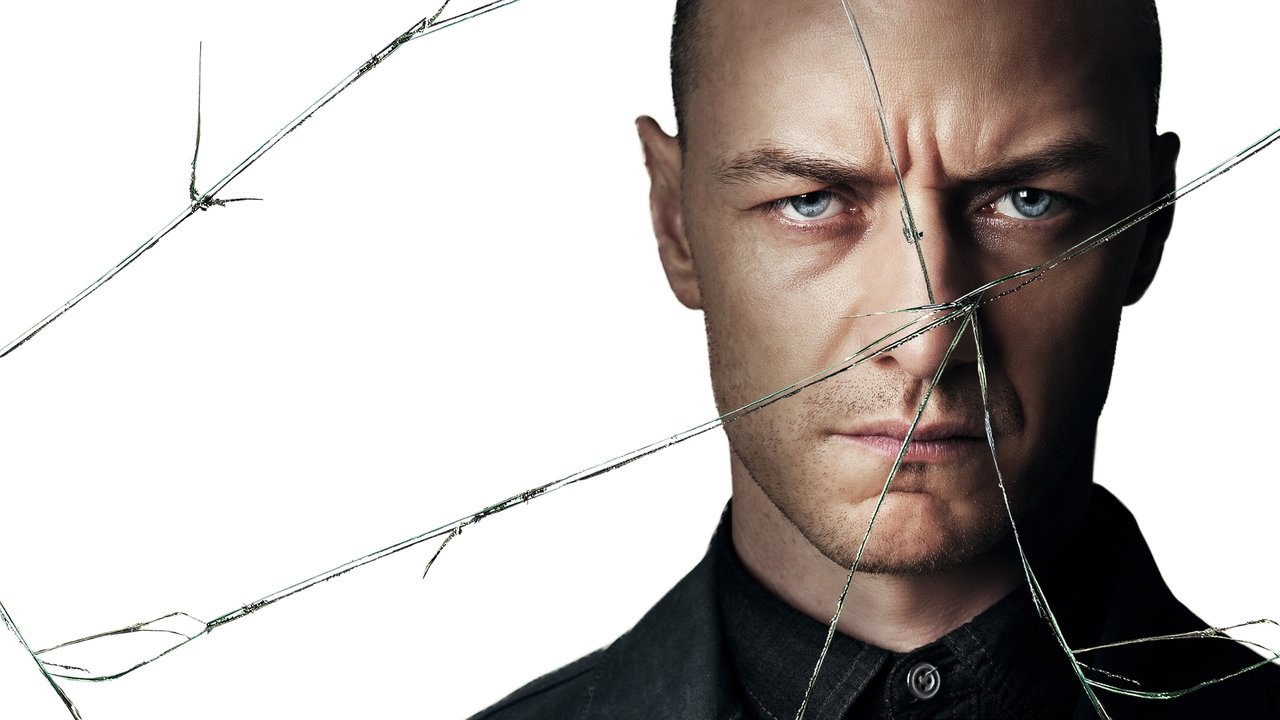
While McAvoy is the lightning, Anya Taylor-Joy is the ground wire. Coming off her breakout in The Witch, she brings a haunting, internalised quality to Casey Cooke. Unlike her fellow captives—played with effective, mounting panic by Haley Lu Richardson and Jessica Sula—Casey is a survivalist. She isn't screaming; she’s observing.
Shyamalan uses flashbacks to Casey’s childhood (featuring Izzie Coffey) to mirror Kevin’s own history of abuse. It’s dark territory, and the film doesn't shy away from the idea that trauma carves people into different shapes. The chemistry between Anya Taylor-Joy and McAvoy’s "Hedwig" is particularly fascinating—a predator-prey dynamic that constantly blurs the lines as she tries to manipulate the child within the monster to find a way out.
The film’s atmosphere is aided immensely by Mike Gioulakis’s cinematography, which favors tight, claustrophobic frames. We are trapped in that basement with them. There’s a scene involving a door being slowly pushed open that felt like it lasted twenty minutes. I found myself leaning away from the screen, as if that would somehow protect the girls on the other side.
A $9 Million Earthquake
From a production standpoint, Split is a fascinating study in efficiency. Apparently, James McAvoy broke his hand during filming—specifically during a scene where he had to punch a metal locker—but he didn't tell anyone for days because he didn't want to slow down the production. That intensity bleeds into every frame. Interestingly, Joaquin Phoenix was originally in talks for the role, but I struggle to imagine anyone else bringing the specific, manic vulnerability that McAvoy channeled.
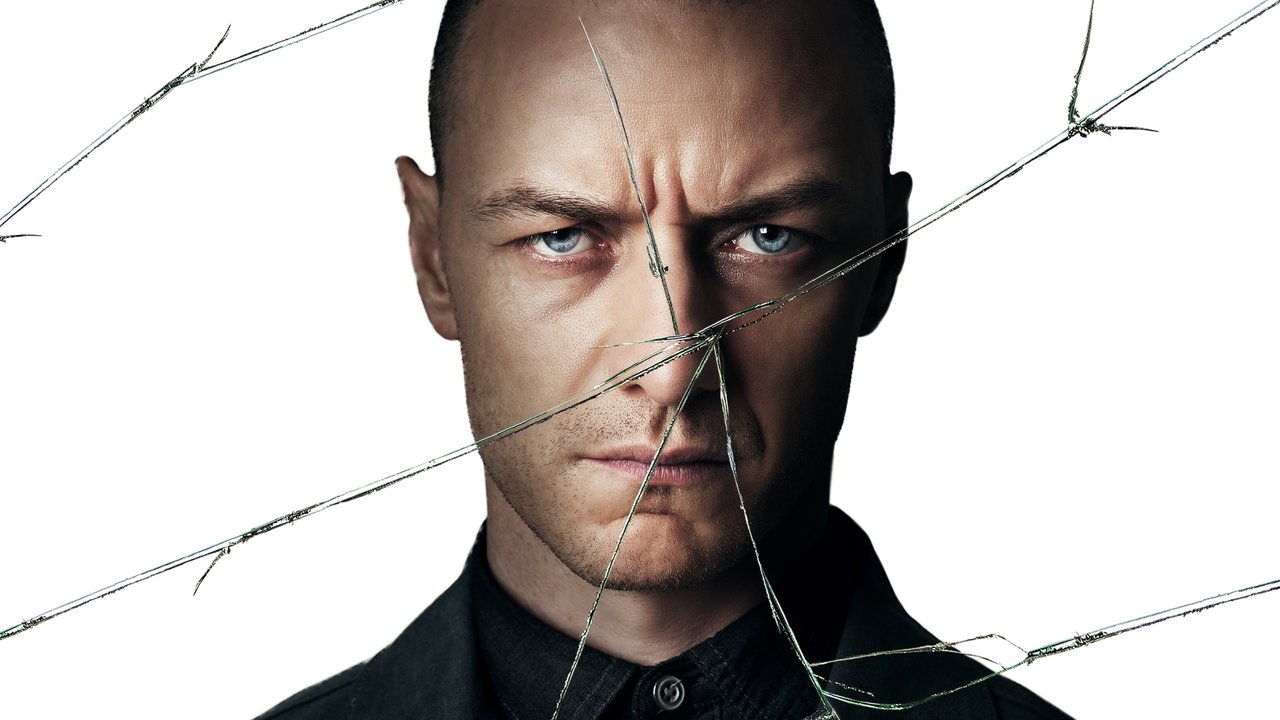
The film’s legacy, however, is inseparable from its final thirty seconds. In an era of "cinematic universes" and leaked spoilers, Shyamalan managed to pull off the ultimate heist. By ending the film with a cameo from Bruce Willis as David Dunn, he revealed Split to be a secret sequel to his 2000 masterpiece Unbreakable.
It was a brilliant marketing move that turned a standalone horror hit into a cultural event. The box office reflected that hype, pulling in over $278 million. For those of us who grew up with the tragic, somber tones of Unbreakable, seeing that world collide with the visceral horror of The Beast felt like a gift we didn't know we wanted. It also paved the way for the conclusion of the Eastrail 177 Trilogy, Glass, though that’s a conversation for another day.
Split is a reminder that you don't need a massive budget to create a gargantuan impact. It relies on the oldest tools in the shed: a tight script, a director with something to prove, and a lead performance that borders on the miraculous. It’s uncomfortable, it’s intense, and it marks the moment M. Night Shyamalan found his voice again by whispering in the dark.
Keep Exploring...
-
Glass
2019
-
The Visit
2015
-
Old
2021
-
Don't Breathe
2016
-
It
2017
-
The Conjuring: The Devil Made Me Do It
2021
-
The Black Phone
2022
-
Get Out
2017
-
The Invisible Man
2020
-
A Quiet Place Part II
2021
-
Speak No Evil
2024
-
Five Nights at Freddy's
2023
-
Knock at the Cabin
2023
-

Trap
2024
-
Unbreakable
2000
-
Marrowbone
2017
-
Hereditary
2018
-
Don't Breathe 2
2021
-
The Menu
2022
-
Sinners
2025