Star Wars: The Last Jedi
"Burn the Jedi texts and break the internet."
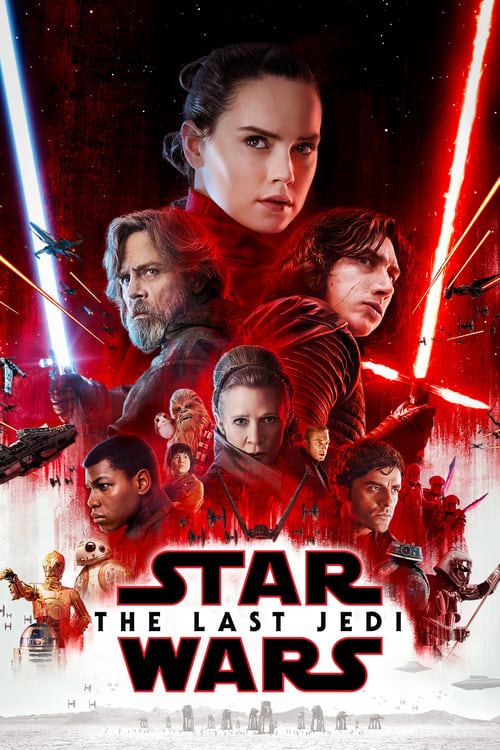
I remember sitting in a packed theater in 2017, my popcorn bucket already half-empty and my expectations dialed up to a precarious eleven. When Mark Hamill's Luke Skywalker took his old lightsaber—the heirloom of a cinematic dynasty—and tossed it over his shoulder like a piece of literal garbage, the silence in the room was deafening. I watched this next to a guy who was wearing a full Jedi robe, and I could practically hear his soul leaving his body. In that single, flippant gesture, Rian Johnson didn’t just subvert a trope; he declared war on the very idea of what we thought a Star Wars movie was supposed to be.
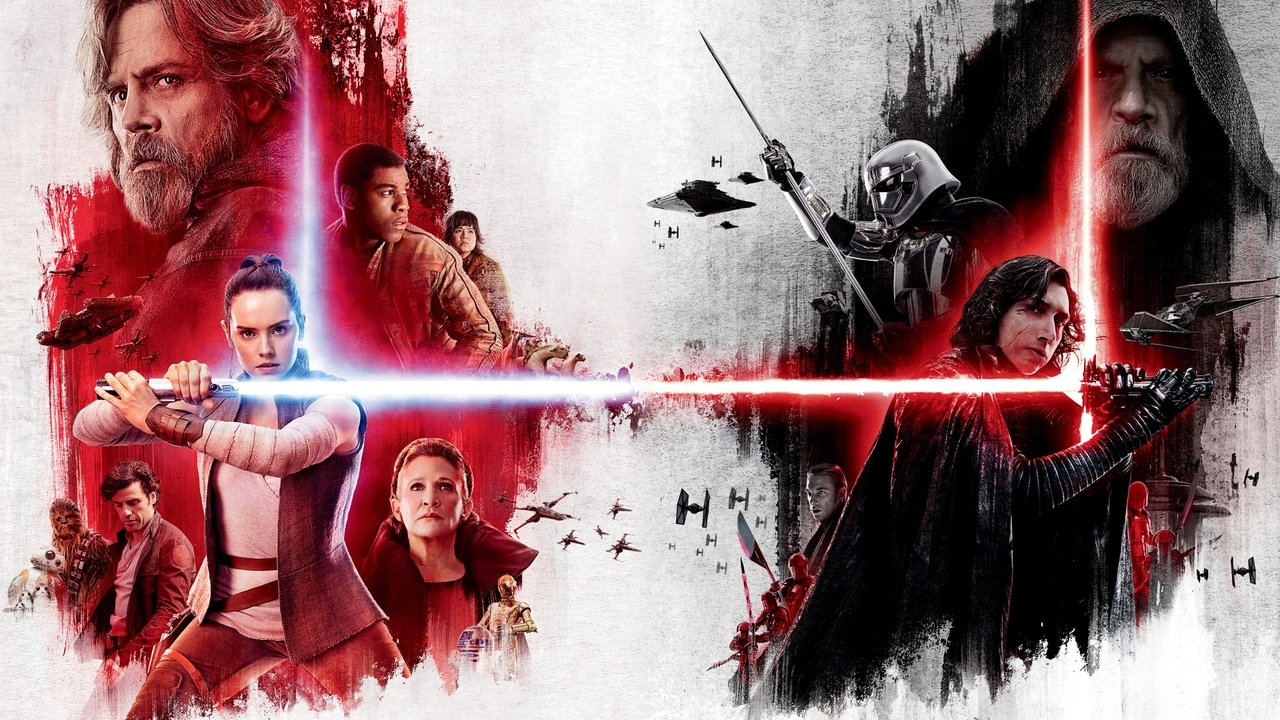
Tossing the Script into the Sarlacc Pit
The Last Jedi is easily the most daring entry in the franchise since the original trilogy, precisely because it refuses to play it safe. While The Force Awakens (directed by J.J. Abrams, the man behind the Star Trek reboot) felt like a cozy, nostalgic blanket, this film is a bucket of ice water to the face. I loved the audacity of it. Rian Johnson, who previously gave us the clever sci-fi noir Looper, treats the Star Wars mythos not as a holy text, but as a playground that desperately needed a new set of rules.
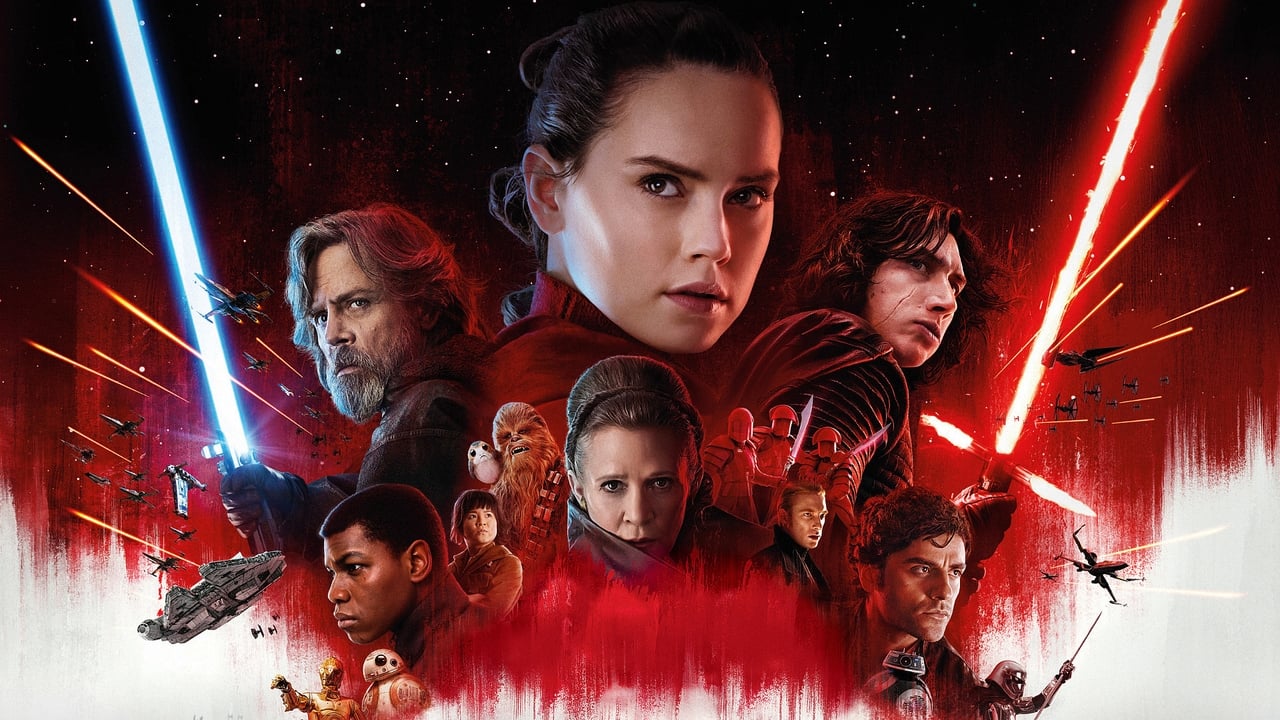
The core of the film is the strange, psychic tether between Rey (Daisy Ridley) and Kylo Ren (Adam Driver). Their "Force-Skype" sessions are where the movie truly lives, stripping away the lasers and dogfights to focus on two lonely people trying to find their place in a galaxy that demands they be icons. Adam Driver continues to be the best thing about this era of cinema; he plays Kylo with a raw, unpredictable volatility that makes every other movie villain look like a cardboard cutout. He isn’t just a bad guy; he’s a wounded nerve ending.
A Masterclass in Practical Chaos
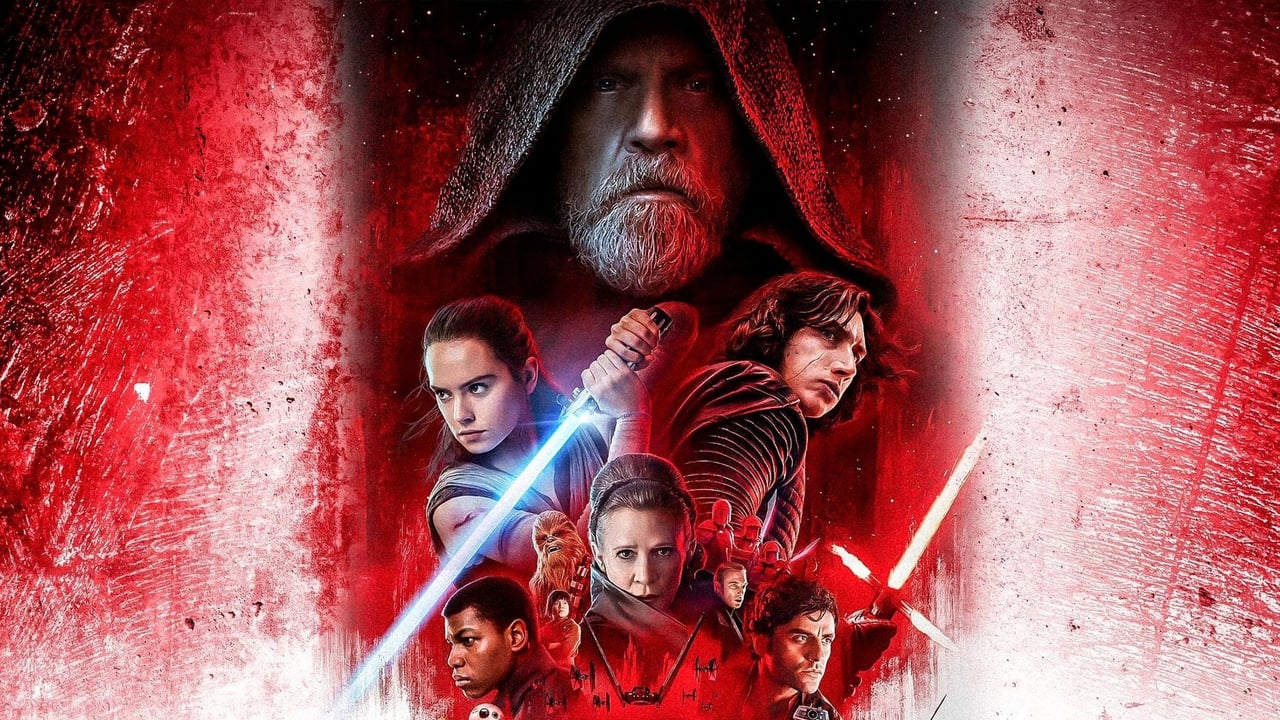
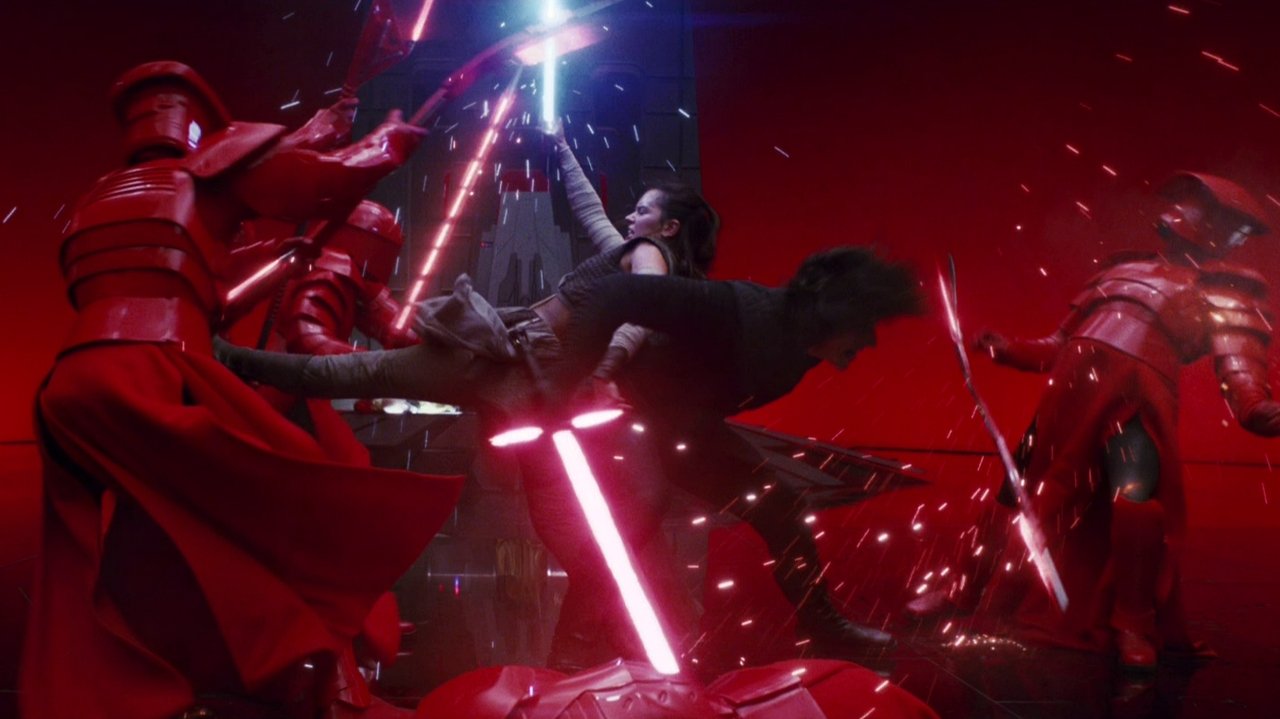
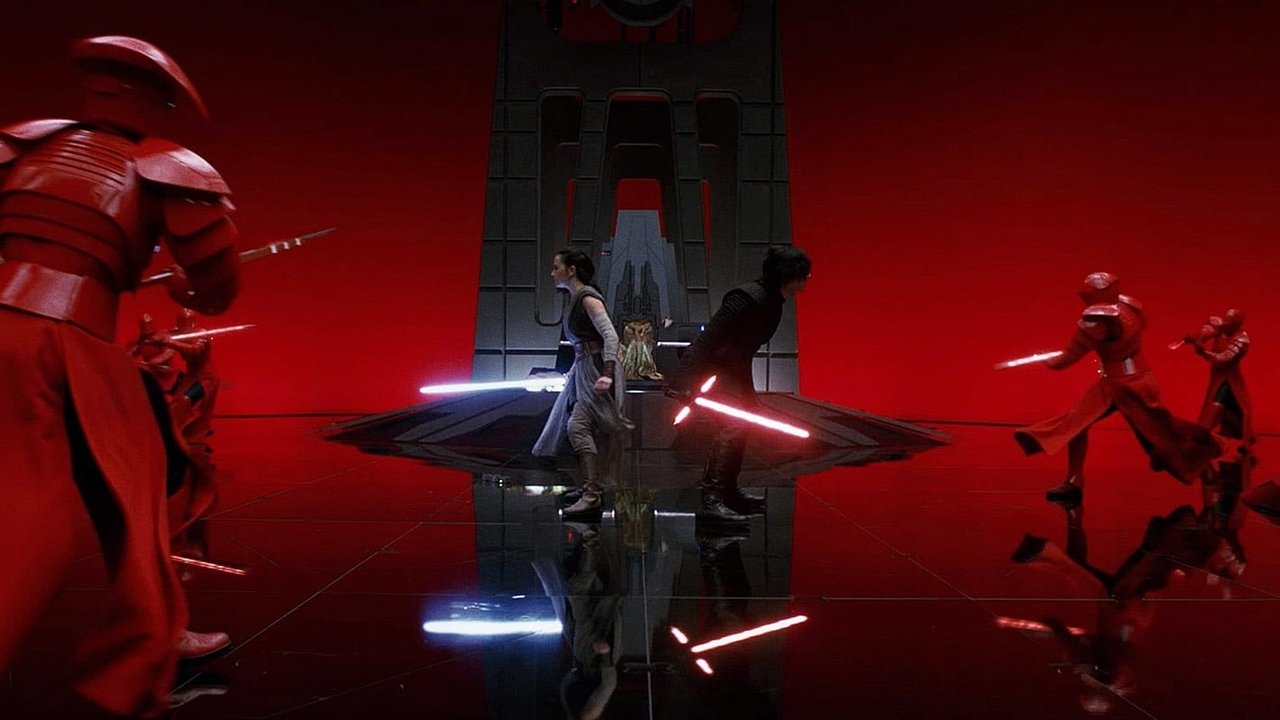
As an action film, it’s a total knockout. The centerpiece—a strobe-lit, blood-red showdown in Supreme Leader Snoke’s throne room—is a choreographed marvel. I’m still obsessed with the way Steve Yedlin (Johnson's longtime cinematographer) uses color here. It’s not just "action"; it’s a dance of red and black that feels more like a samurai epic than a space opera. The red-armored Praetorian guards have the combat awareness of a group of toddlers in a bouncy castle, but the sheer visual panache of that fight makes me forgive the shaky logic.
Behind the scenes, the production was a massive $300 million undertaking that leaned surprisingly hard into practical effects. Take the Porgs, for instance. Those wide-eyed space hamsters weren't just a marketing ploy to sell plushies (though they did that very well). They actually existed because the filming location, the Irish island of Skellig Michael, was infested with puffins that the crew couldn't legally remove. Digitally erasing them was too expensive, so they just turned them into aliens. It’s that kind of "necessity is the mother of invention" filmmaking that keeps the movie feeling grounded, even when it’s exploring the outer reaches of the galaxy.
The Discourse and the Dirt
You can't talk about this film without talking about the "The Last Jedi Discourse." In our current era of social media polarization, this movie became a literal battleground. It was the first time I really saw "franchise fatigue" collide head-on with toxic fan expectations. Kelly Marie Tran, who plays Rose Tico, was famously hounded off social media by "fans" who couldn't handle the series moving toward more diverse representation. It was a dark moment for the fandom, but it also highlighted how much these stories actually mean to people.
Despite the internet firestorm, the film was a titan at the box office, raking in over $1.3 billion. People showed up, even if they spent the next three years arguing about it on Reddit. The Canto Bight subplot feels like a deleted scene from a much worse movie that accidentally made the final cut, but even that feels like a symptom of a director trying to do too much rather than too little. I’d rather have a movie that fails because it’s over-ambitious than one that succeeds because it’s boring.
The film earns its high marks for the incredible performances of the late Carrie Fisher (who reportedly helped punch up the script's humor) and Mark Hamill, who gives the performance of his career as a broken, cynical Luke. It’s a film about failure, legacy, and the terrifying necessity of moving forward. Whether you love it or hate it, you have to admit that it’s the last time a Star Wars movie felt like it had a pulse and a point of view. It’s not just a product; it’s a piece of filmmaking that takes the "Let the past die" tagline to heart and builds something beautiful out of the ashes.
Keep Exploring...
-
Star Wars: The Force Awakens
2015
-
Star Wars: The Rise of Skywalker
2019
-
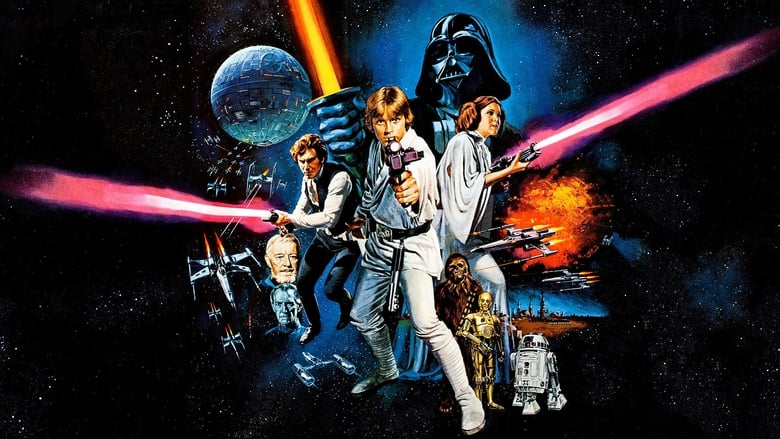
Star Wars
1977
-
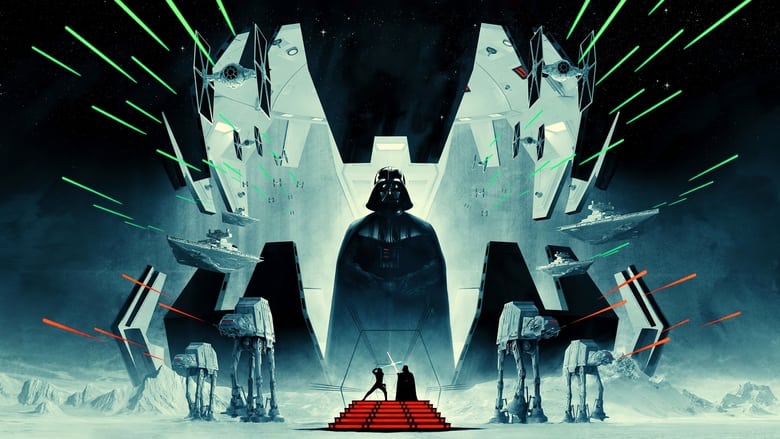
The Empire Strikes Back
1980
-
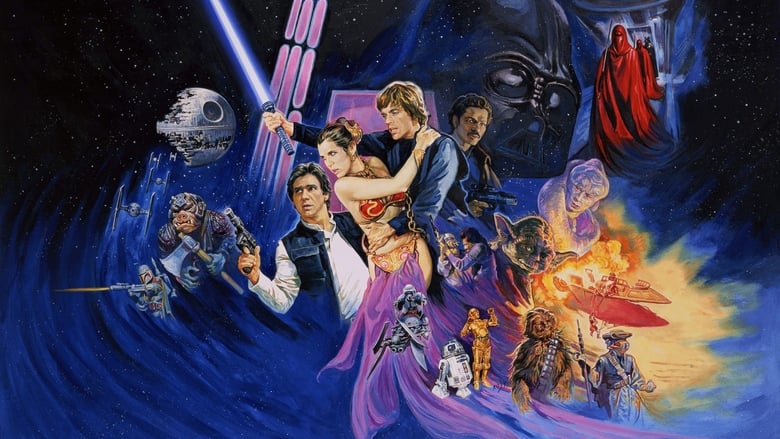
Return of the Jedi
1983
-
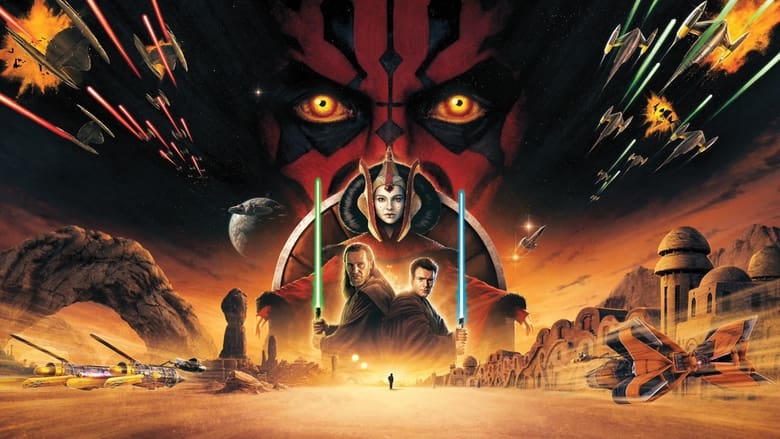
Star Wars: Episode I - The Phantom Menace
1999
-

Star Wars: Episode III - Revenge of the Sith
2005
-
Star Wars: Episode II - Attack of the Clones
2002
-

Black Panther
2018
-
Ant-Man
2015
-
Avengers: Age of Ultron
2015
-
Jurassic World
2015
-
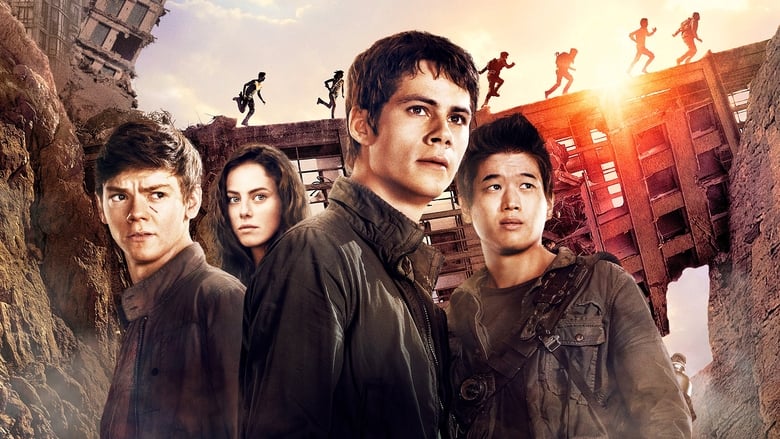
Maze Runner: The Scorch Trials
2015
-
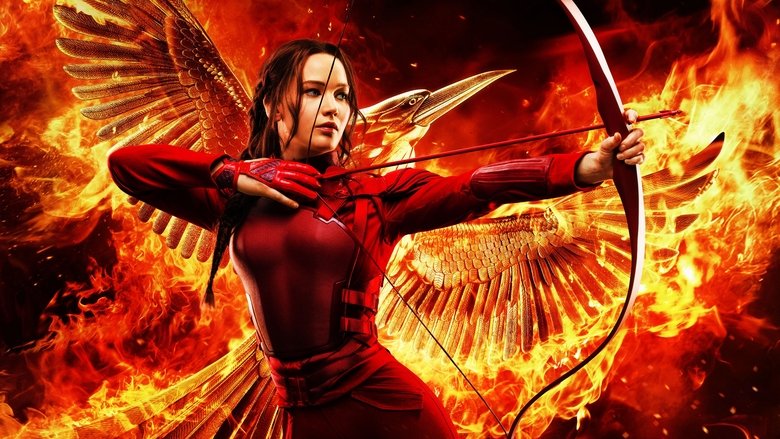
The Hunger Games: Mockingjay - Part 2
2015
-
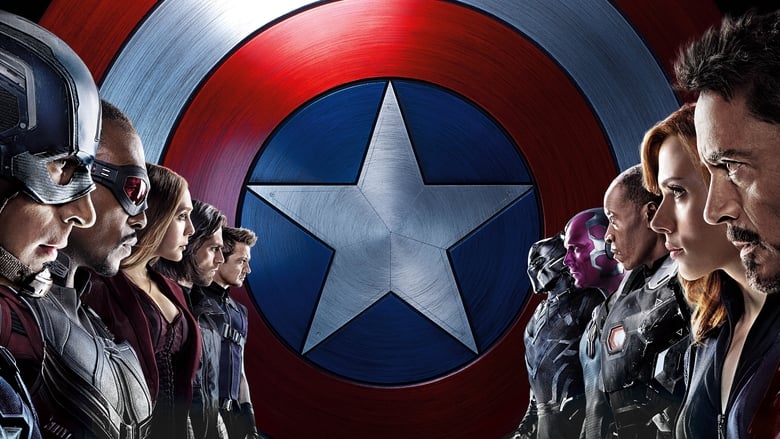
Captain America: Civil War
2016
-
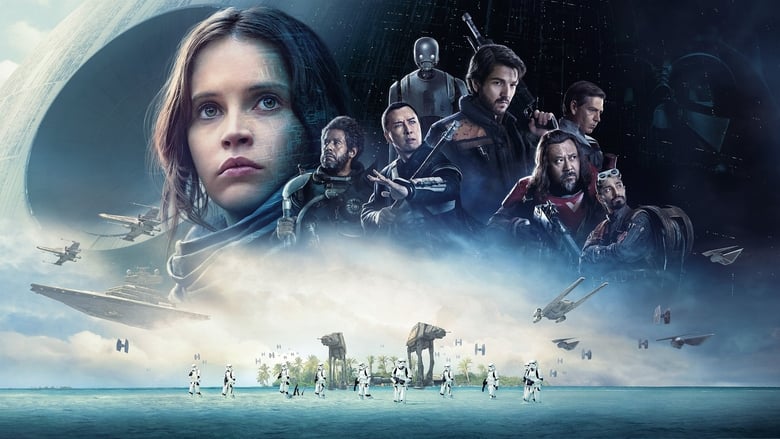
Rogue One: A Star Wars Story
2016
-
Guardians of the Galaxy Vol. 2
2017
-
Spider-Man: Homecoming
2017
-
Thor: Ragnarok
2017
-
Ant-Man and the Wasp
2018