The Bar
"The breakfast special includes a side of paranoia."
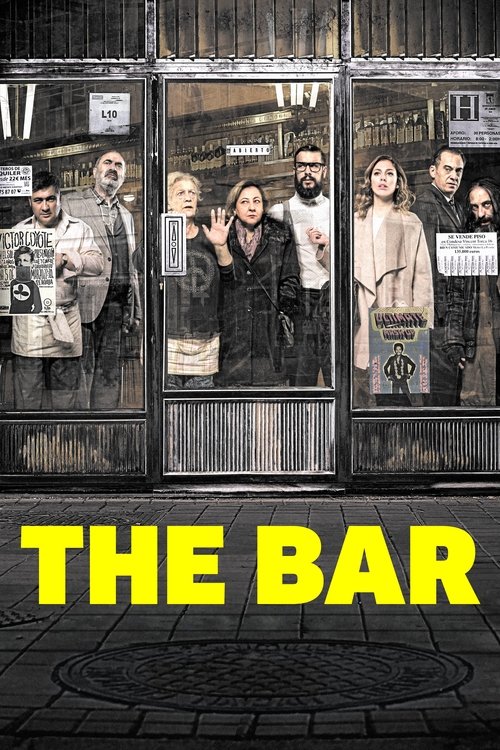
There is a specific, jagged energy to a morning in Madrid that you don’t find anywhere else. It’s the sound of metal shutters rattling up, the smell of burnt espresso, and the frantic shorthand of waiters who have seen it all. I was watching The Bar (2017) while nursing a lukewarm cup of instant coffee that tasted like wet cardboard, and honestly, the contrast only made me miss the grime of a real Spanish taberna even more. But within ten minutes, director Álex de la Iglesia made me very, very glad I was sitting on my couch instead of standing at that stainless-steel counter.
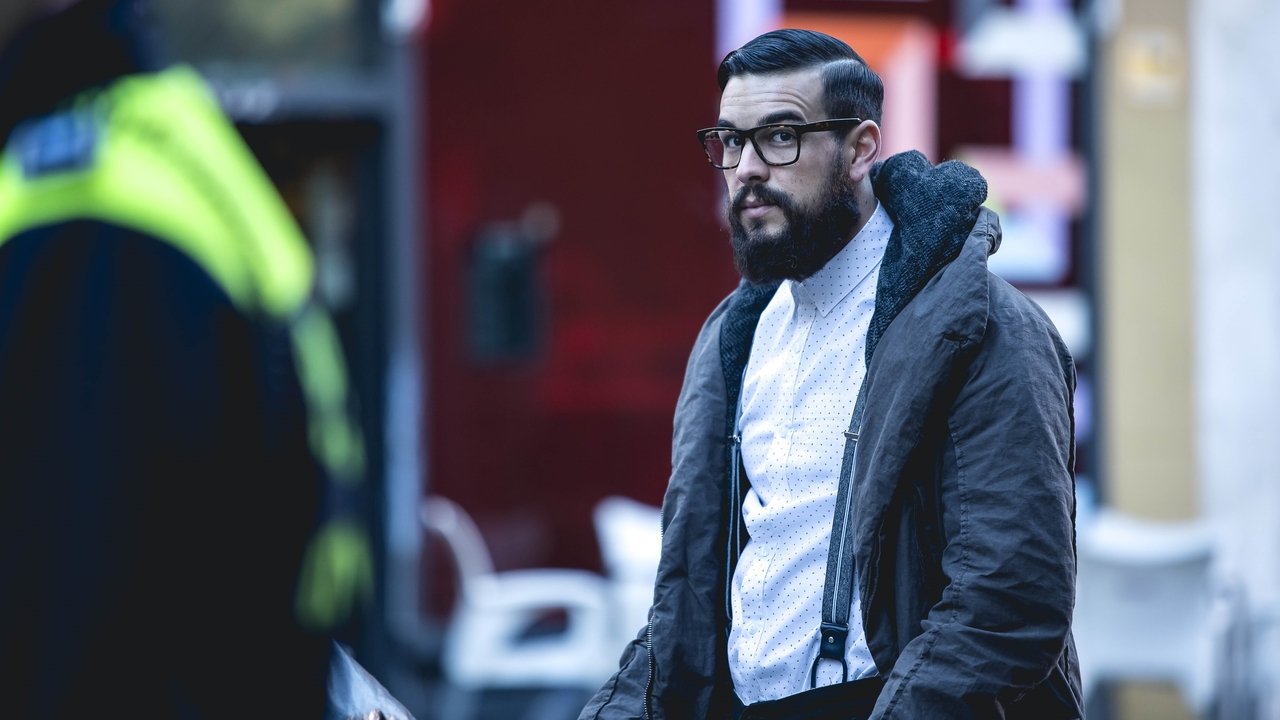
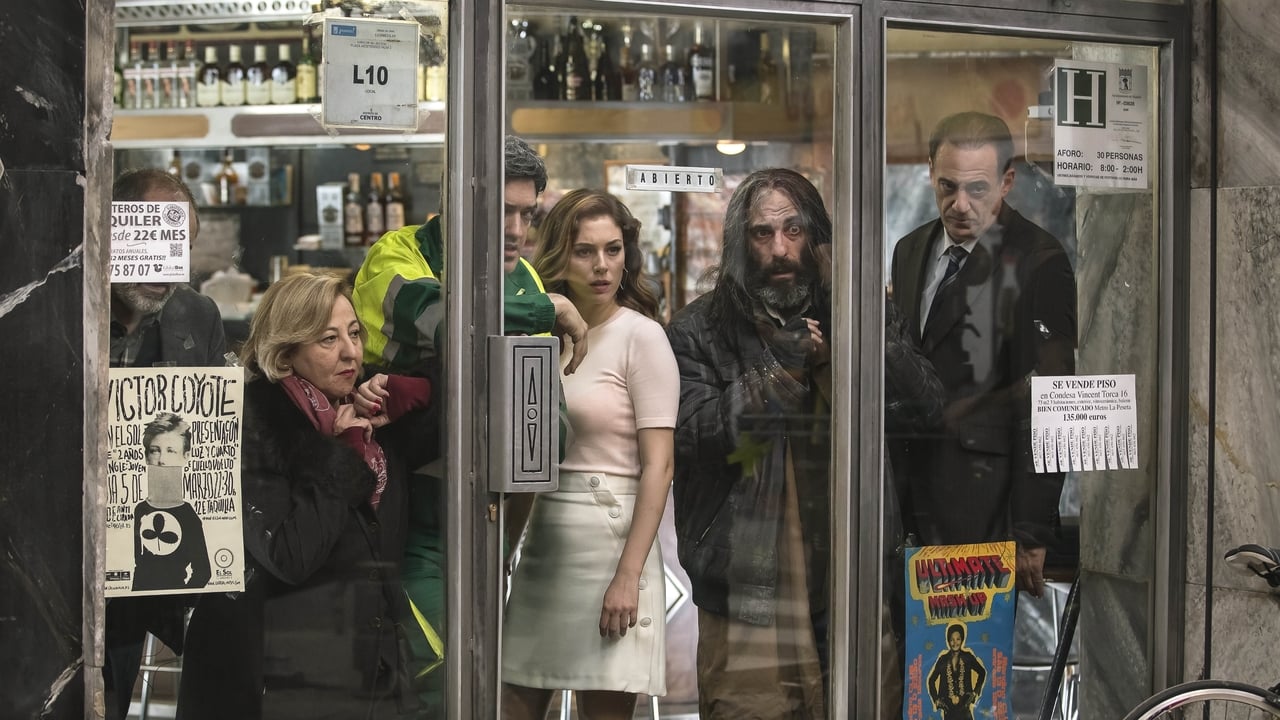
The premise is a masterclass in the "bottle episode" mentality, updated for our era of sudden, inexplicable violence. A handful of strangers—a hipster, a socialite, a gambler, a homeless man, and the bar staff—are going about their mundane morning when a customer steps out the front door and is instantly dropped by a sniper. When another man rushes out to help, he’s picked off too. Then, the bodies disappear. The street empties. The internet goes down. The TV news starts reporting on a fire that isn’t there.
The Beauty of the Breakdown
What I love about this film is how it weaponizes the social friction of the modern city. In a pre-streaming era, this might have been a straightforward "whodunit" or a creature feature. But in the context of contemporary cinema, especially coming from a provocateur like De la Iglesia, it’s an autopsy of human selfishness. The characters don’t band together to solve the mystery; they immediately begin calculating who is the most "expendable."
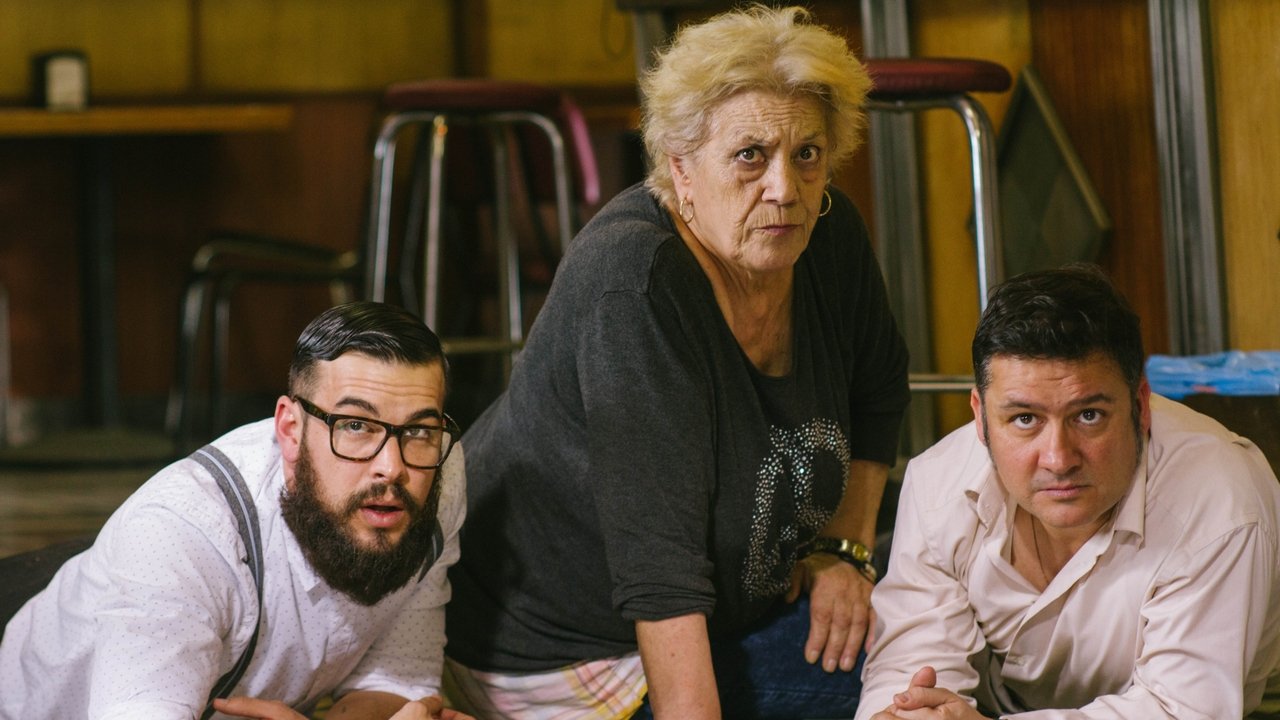
Blanca Suárez plays Elena, the "pretty girl" who just wanted to charge her phone for a Tinder date, and she is fantastic at transitioning from pampered millennial to a desperate, grease-covered survivor. Opposite her, Mario Casas—usually the chiseled lead in Spanish heartthrob roles—leans into a bushy beard and thick glasses as Nacho. Watching Mario Casas look like he hasn't showered since the Obama administration is a treat, mostly because he plays the "cowardly creative" type with such hilarious, twitchy sincerity.
The film feels intensely "now" because it captures that specific 21st-century anxiety: the fear that the government knows something you don’t, and that they are perfectly willing to "delete" you to keep a secret. In the age of social media misinformation and rapid-fire news cycles, the characters’ confusion feels painfully relatable. They aren't just fighting a sniper; they’re fighting the fact that they’ve been "cancelled" by reality itself.
From Espresso to Effluent
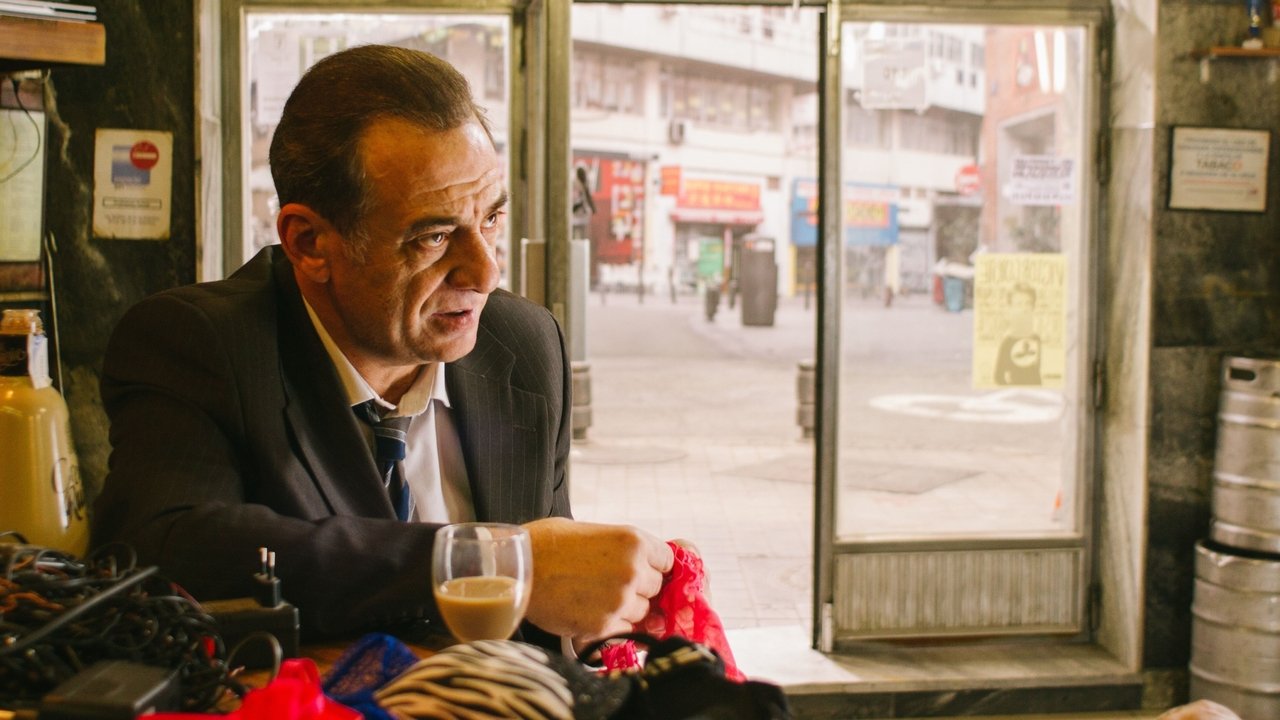
The movie is essentially split into two halves, and your enjoyment will likely depend on how much you enjoy watching attractive people get covered in literal filth. The first half is a taut, Hitchcockian thriller where everyone is trapped in the main bar area. The second half... well, let’s just say it descends into the sewers. Literally.
De la Iglesia is a director who famously can’t help himself. He loves the "grotesque," a staple of Spanish art from Goya to Almodóvar. Once the survivors realize there might be a biological threat involved, the film sheds its "thriller" skin and becomes a sweaty, claustrophobic horror-comedy. There is a sequence involving a bottle of olive oil and a narrow drainage grate that is the most uncomfortable thing I’ve watched while eating a snack in years. I actually stopped chewing for three full minutes.
The MVP of this descent into madness is the late, great Terele Pávez as Amparo, the bar owner. She has a way of holding a shotgun and a cigarette at the same time that makes you believe she could take on the entire Spanish army. Her performance, along with Secun de la Rosa as the panicked waiter Sátur, keeps the movie grounded in a gritty, working-class reality even when the plot goes completely off the rails.
Why It Got Lost in the Shuffle
Despite the star power of Blanca Suárez and the pedigree of the director, The Bar didn't exactly set the world on fire at the box office. It’s a bit of a "forgotten oddity" from the late 2010s, likely because it’s a hard sell. Is it a political satire? A gross-out horror? A dark comedy? The answer is "yes," and that's often a death sentence for traditional marketing.
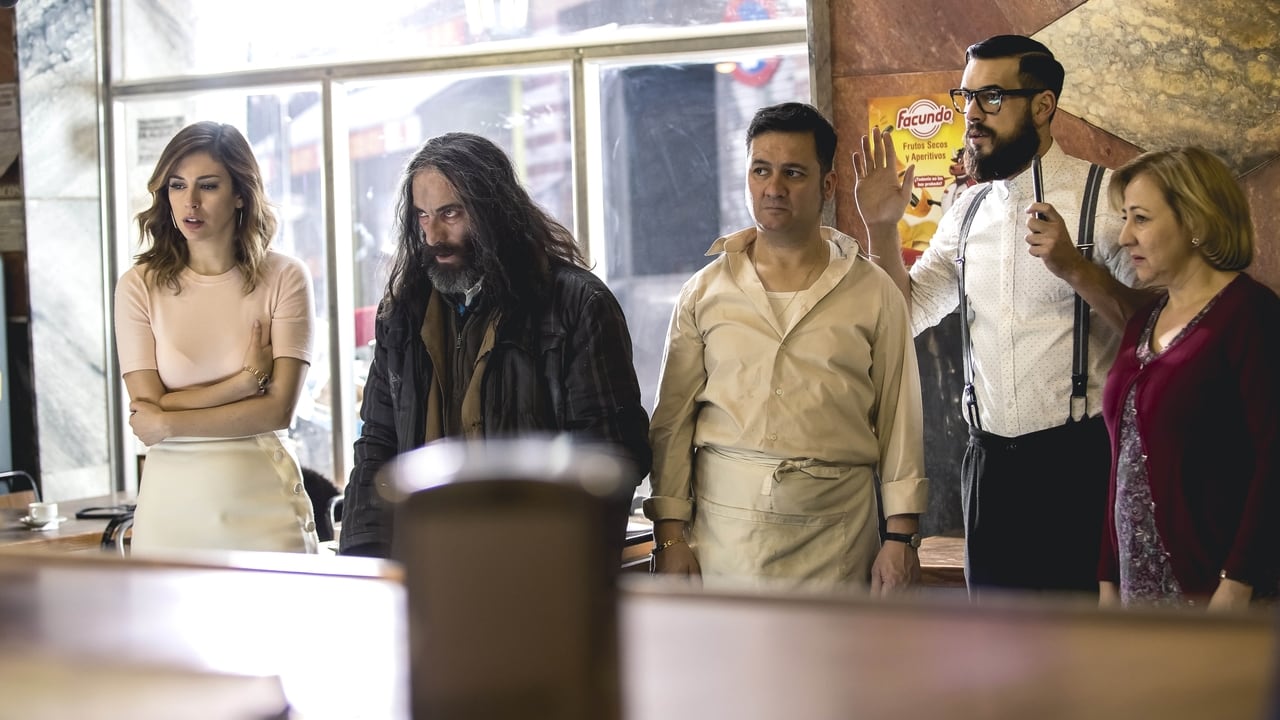
Interestingly, the film found its real audience on streaming platforms. In a theatrical setting, the relentless cynicism might be a bit much, but in the "content" era, it’s exactly the kind of high-concept, fast-paced jolt that kills a Friday night. It also benefits from the incredible production design. The bar itself was built entirely on a soundstage, which allowed Ángel Amorós to use cinematography that feels impossibly tight and invasive. You can almost smell the stale beer and the fear.
The film eventually loses some of its narrative steam in the final act—it trades the clever social commentary of the opening for a more standard "slasher" vibe—but it never stops being entertaining. It’s a cynical, loud, and messy look at how quickly the "civilized" world evaporates when we think we’re being hunted. I walked away from it with two thoughts: I need to be more careful about where I get my coffee, and I really, really need to stop watching movies while eating crunchy granola bars. If you’re looking for a thriller that isn’t afraid to get its hands (and everything else) dirty, this is a trip to the bar worth taking.
---
Keep Exploring...
-

Assassination Nation
2018
-
Pride and Prejudice and Zombies
2016
-
Day Shift
2022
-
Freaky
2020
-
Riders of Justice
2020
-

Better Watch Out
2017
-
I Don't Feel at Home in This World Anymore
2017
-
Little Evil
2017
-
Terminal
2018
-
The House
2022
-
Novocaine
2025
-
The Monkey
2025
-
Housebound
2014
-
The Menu
2022
-
Marrowbone
2017
-
Lake Placid
1999
-
Eight Legged Freaks
2002
-
Krampus
2015
-
The Hitman's Bodyguard
2017
-

A Simple Favor
2018