The Book of Henry
"A blueprint for justice from beyond the grave."
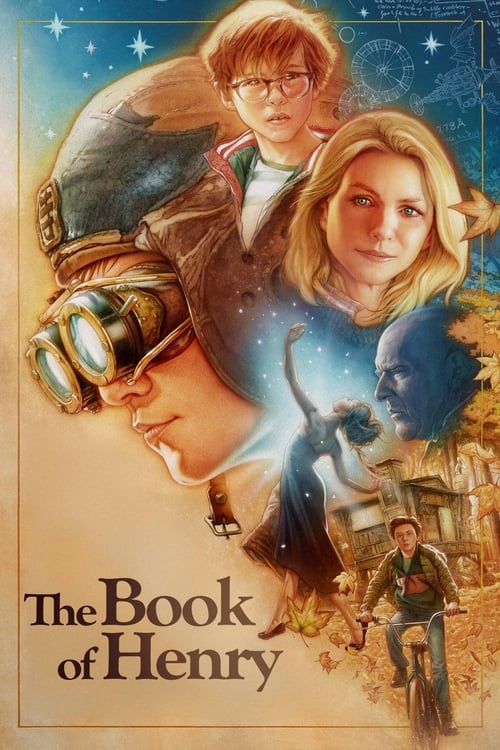
I watched The Book of Henry on a cross-country flight where the person in front of me had reclined their seat so aggressively that I was essentially viewing Naomi Watts’ face from three inches away. Perhaps the physical claustrophobia contributed to my growing sense of unease, but even without a headrest in my lap, this film is one of the most baffling tonal car crashes of the last decade. It’s a movie that attempts to juggle the whimsy of a Spielbergian coming-of-age story, the tragedy of a terminal illness drama, and the gritty tension of a vigilante thriller. It fails to catch any of those balls, but the way they shatter on the floor is undeniably fascinating to witness.
The Architect of a Household
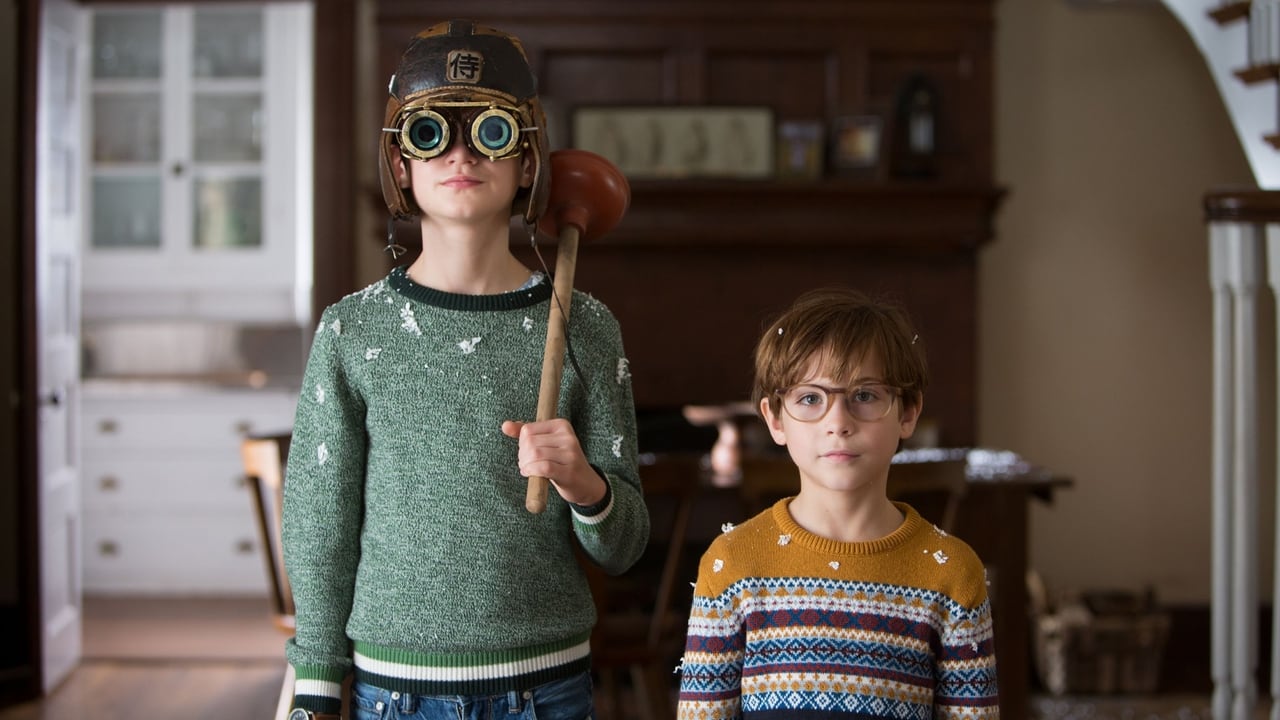
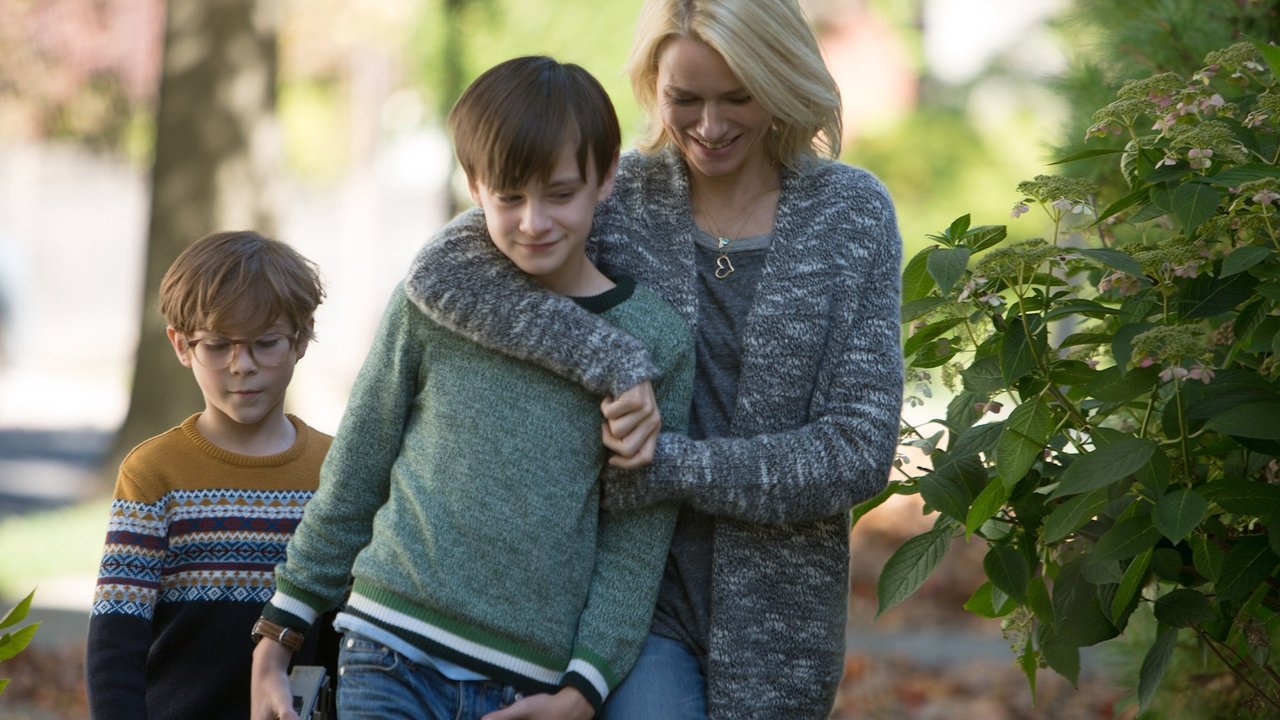
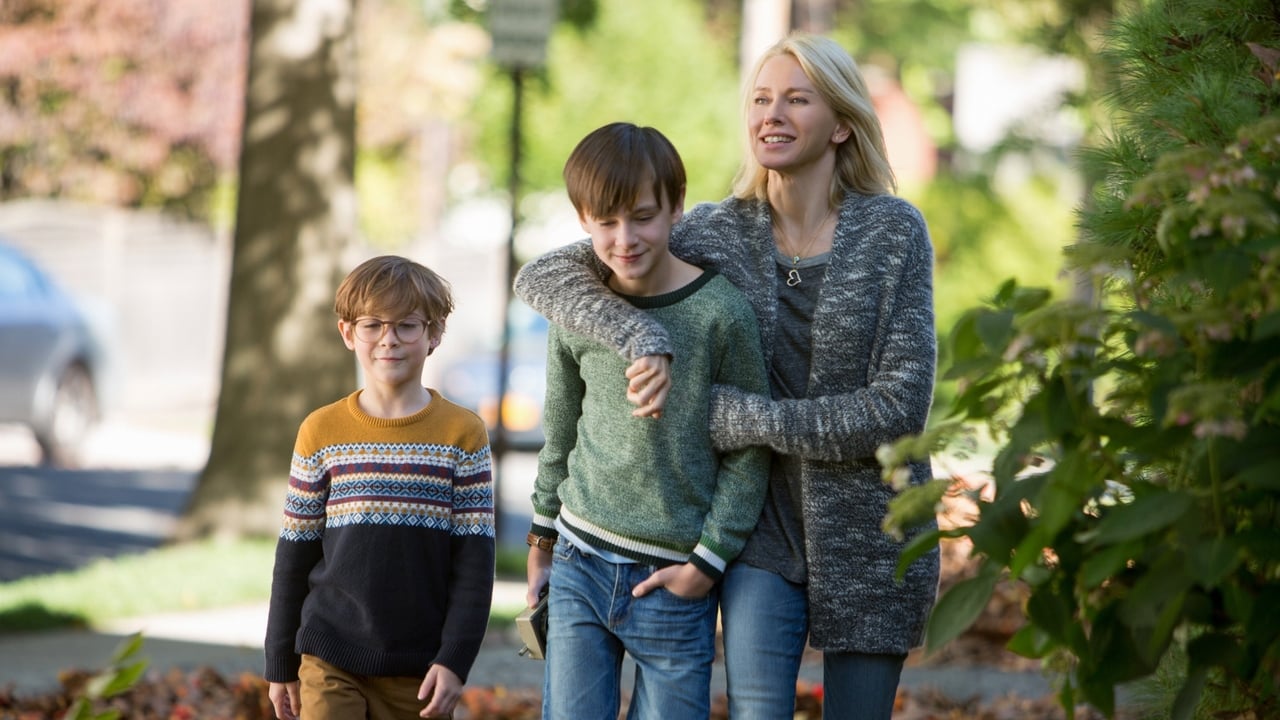
The film introduces us to Henry Carpenter (Jaeden Martell, who gave a much more grounded performance later in Knives Out), an 11-year-old who is less of a child and more of a miniature hedge fund manager. He handles the family taxes, plays the stock market with predatory precision, and builds elaborate Rube Goldberg machines in his treehouse. His mother, Susan (Naomi Watts), is a waitress who seems largely content to let her pre-teen son run her life while she plays violent video games and drinks wine. It’s a dynamic that the film initially treats as "charming," but in the light of contemporary cinema’s push for more grounded depictions of parenting, it feels increasingly like a Rube Goldberg machine of emotional manipulation.
Henry’s younger brother, Peter (the perpetually soulful Jacob Tremblay, fresh off his breakout in Room), is the only one who feels like a real person. He’s the anchor in a sea of precocity. The plot kicks into gear when Henry notices something is wrong with the girl next door, Christina (Maddie Ziegler). He suspects her stepfather, a local police commissioner, is abusing her. When the authorities—including a somewhat wasted Sarah Silverman and Lee Pace—fail to act, Henry decides to take matters into his own hands. Or rather, he decides to let his mother take matters into her hands after he’s gone.
The Great Pivot into Darkness
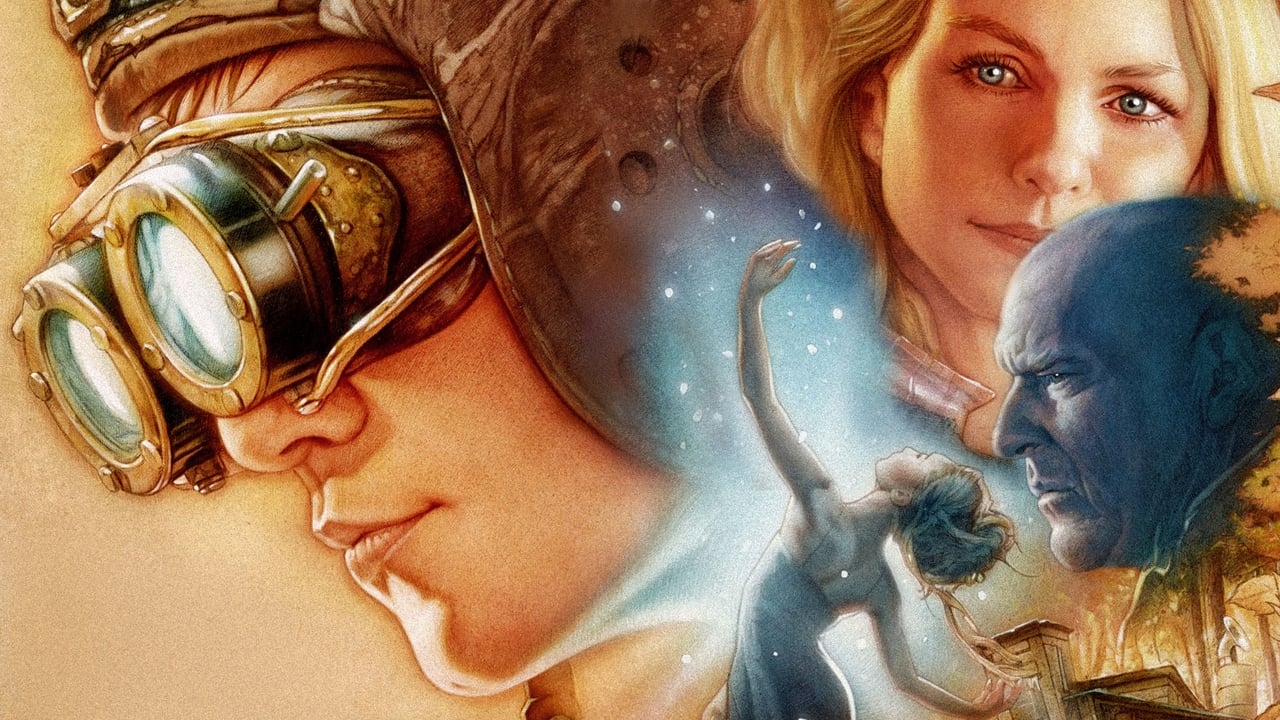
Midway through, the film takes a turn that left 2017 audiences reeling. Henry is diagnosed with an aggressive brain tumor and passes away, but not before leaving his mother a meticulously detailed notebook and a series of cassette tapes. This "Book of Henry" is essentially a DIY assassination manual for beginners. The shift from a tear-jerker about a dying child to a "mom-becomes-a-sniper" thriller is the cinematic equivalent of a polite dinner guest suddenly screaming at the mashed potatoes.
Director Colin Trevorrow, fresh off the record-breaking success of Jurassic World, leans into this transition with a straight-faced intensity that makes the material even weirder. He treats the instructions Henry leaves behind—which involve Susan purchasing a sniper rifle and practicing her aim in the woods—with the same reverence one might afford a sacred text. The film demands you accept that a dying 11-year-old’s best solution to child abuse is to groom his grieving mother into becoming a cold-blooded killer. It’s dark, it’s intense, and it’s profoundly misguided in its handling of trauma.
A Career-Altering Curio
In the context of contemporary cinema, The Book of Henry is more famous for its behind-the-scenes fallout than its actual narrative. At the time of its release, Colin Trevorrow was slated to direct Star Wars: Episode IX. After the critical drubbing this film received—specifically targeting the bizarre screenplay by novelist Gregg Hurwitz—Trevorrow was famously let go from the galaxy far, far away. Looking at it now, you can see why Disney got nervous. The film shows a director with plenty of technical skill (the cinematography by John Schwartzman is crisp and the score by Michael Giacchino is typically lush) but a complete lack of narrative "north star."
There is an inherent cruelty in how the film uses the subject of child abuse as a mere catalyst for a suburban vigilante fantasy. It doesn't want to explore the systemic failures that allow such abuse to happen; it wants to see Naomi Watts look cool holding a gun. Yet, I can’t quite tell you to look away. There is a certain "lightning in a bottle" quality to failures this ambitious. It represents a specific moment in the mid-2010s where big-budget directors were given carte blanche on "passion projects" before the franchise machine tightened its grip.
Ultimately, The Book of Henry is a fascinating relic of creative miscalculation. While the performances from the central trio are earnest—Naomi Watts works herself into a genuine lather of grief and determination—the script is a mountain of logic leaps that no amount of acting talent can scale. It’s a movie that wants to be about the legacy we leave behind, but it leaves behind only a sense of profound confusion. If you’re a student of industry history or a fan of "what were they thinking?" cinema, it’s worth a look, but don’t expect the pieces to ever truly fit together.
Keep Exploring...
-
The Outfit
2022
-
Batman vs. Robin
2015
-
Suburra
2015
-
Miss Sloane
2016
-
22 July
2018
-
November
2022
-
Cherry
2021
-
The Guilty
2018
-

The Traitor
2019
-
Patriots Day
2016
-
Snowden
2016
-
The Accountant
2016
-
Uncut Gems
2019
-
Promising Young Woman
2020
-
Wrath of Man
2021
-

STRAW
2025
-
Sweet Girl
2021
-
The Infiltrator
2016
-
Black and Blue
2019
-
Stillwater
2021