The Boss Baby
"Cookies are for closers."
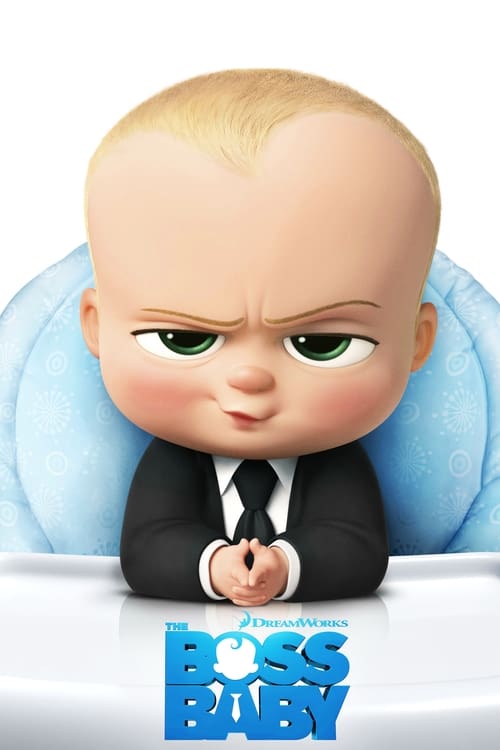
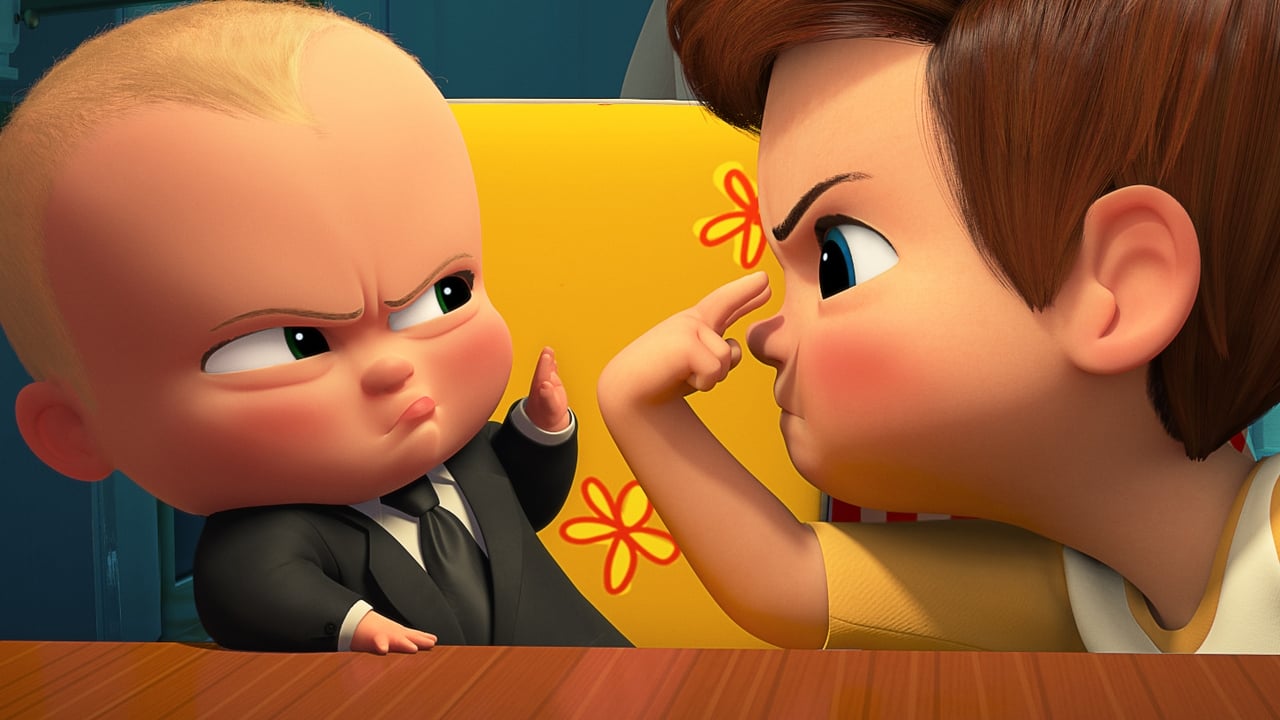
The visual of a diaper-clad infant stepping out of a taxi, carrying a briefcase, and wearing a miniature tailored suit is the kind of high-concept fever dream that only a boardroom of caffeine-addled executives could green-light. When The Boss Baby first hit trailers in late 2016, the internet collectively winced, bracing for a cynical, one-joke feature that would lean entirely on the novelty of a toddler sounding like a cynical middle manager. I watched this for the first time on a Tuesday afternoon while my neighbor was aggressively power-washing their driveway, the monotonous drone of the machine providing a strange, industrial white noise to what turned out to be a surprisingly inventive—if totally chaotic—piece of corporate satire for the juice-box set.

The Corporate Nightmare of Childhood
At its heart, the film is an exploration of sibling displacement, seen through the hyper-active imagination of seven-year-old Tim Templeton (Miles Bakshi). When his parents (Jimmy Kimmel and Lisa Kudrow) bring home a new baby, Tim doesn't just see a rival for affection; he sees a corporate infiltrator sent to middle-manage his childhood out of existence. This is where the movie finds its stride. Instead of a standard "learn to love your brother" arc, we get a biz-speak-heavy heist movie.
Alec Baldwin is the undisputed MVP here. Fresh off years of playing the hyper-competent Jack Donaghy on 30 Rock, he leans into the "Boss Baby" persona with a gravelly, "cookies are for closers" energy that shouldn't work, yet somehow does. It’s essentially a toddler-friendly remake of Glengarry Glen Ross, and the script isn't afraid to let Baldwin chew the digital scenery. Whether he’s conducting a PowerPoint presentation on why puppies are stealing the world's "love market share" or threatening to fire Tim from the family, the cognitive dissonance between the voice and the character design is the engine that keeps the first hour running.
Sibling Rivalry and the Puppy Menace
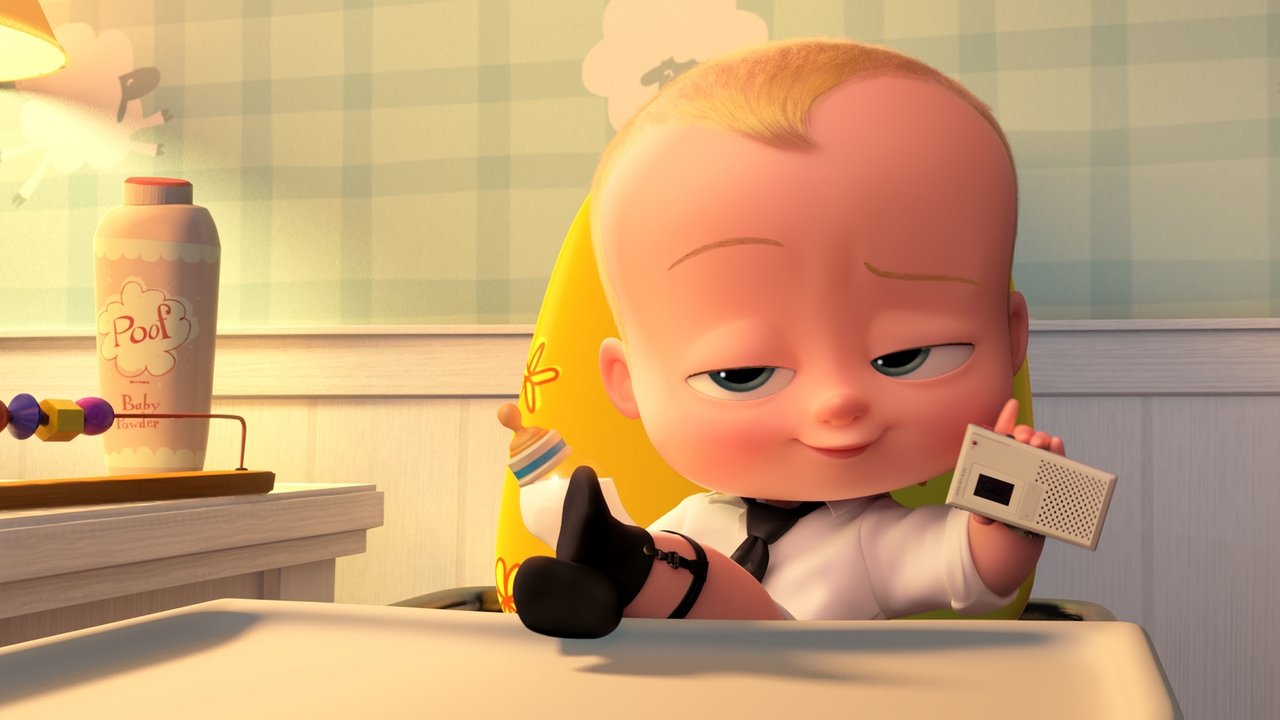
The plot eventually shifts from domestic power struggles to an industrial espionage mission. The Boss Baby is actually an operative for Baby Corp, sent to stop the CEO of Puppy Co., Francis E. Francis (voiced with delightful manic energy by Steve Buscemi), from launching a "Forever Puppy" that will render human infants obsolete. It’s an absurd premise that allows director Tom McGrath—who previously gave us the delightfully zany Madagascar—to lean into a loopy, mid-century aesthetic.
The animation style is a breath of fresh air compared to the hyper-realism often sought by other studios. There’s a rubbery, squash-and-stretch quality to the movement that feels like a throwback to Chuck Jones cartoons. I particularly loved the dream sequences where Tim’s imagination takes over, turning the screen into a vivid, 2D-inspired landscape of ninjas and deep-sea divers. It's in these moments that the film feels less like a product and more like a genuine attempt to capture how a child’s mind interprets trauma and change. The Puppy Co. conspiracy is the most accurate depiction of modern marketing I've seen in a PG movie, capturing that desperate, wide-eyed grab for consumer attention.
The Half-Billion Dollar Diaper
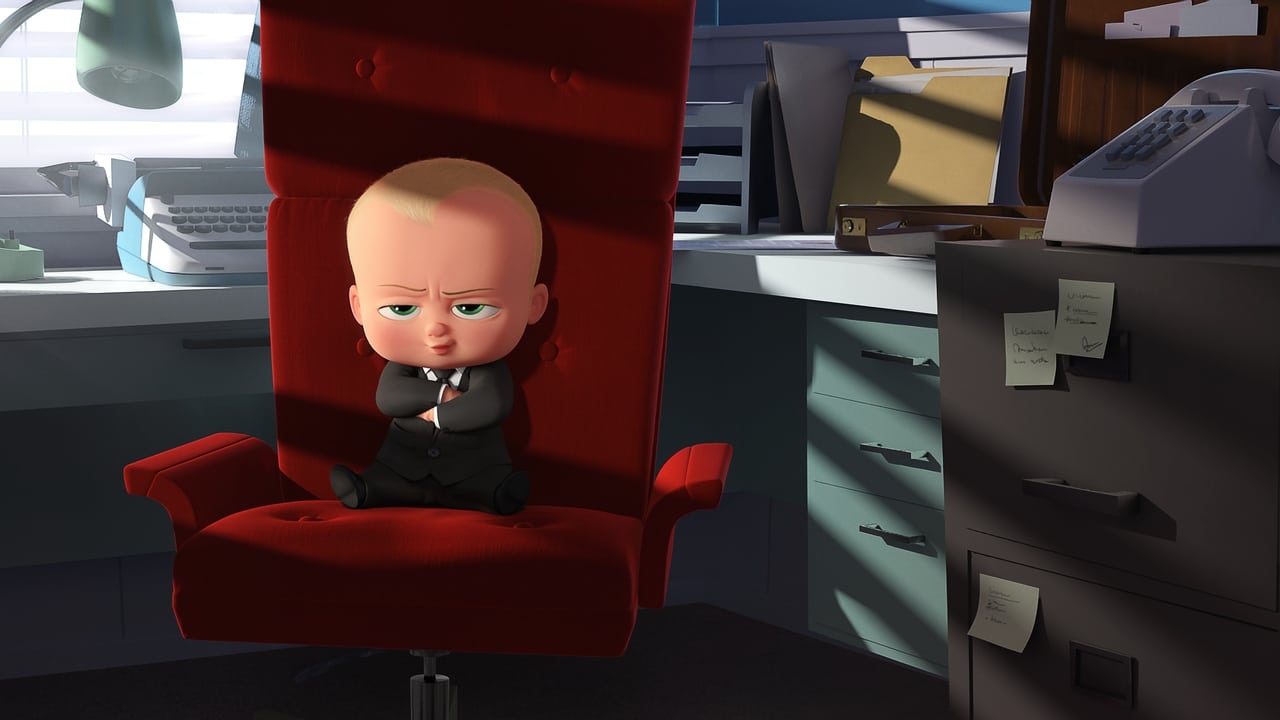
From a business perspective—which is fitting given the subject matter—The Boss Baby was a juggernaut. On a budget of $125 million, it raked in over $527 million worldwide. In 2017, this was a massive win for DreamWorks Animation, proving that they could still launch a hit original IP in an era dominated by Marvel sequels and Disney live-action remakes. It’s a film that perfectly understood the "contemporary cinema" landscape: it was designed for theatrical spectacle but had "streaming hit" written all over its DNA. Indeed, the movie spawned a multi-season Netflix series and a theatrical sequel, effectively turning a bizarre gag into a multi-million dollar franchise.
It also benefited from a bizarrely stacked crew. Having Hans Zimmer provide the score for a movie about a talking baby is the definition of "overqualified," but his work adds a level of cinematic weight that prevents the film from feeling like a direct-to-video afterthought. The movie does lose its way in the third act, falling into the trap of a generic "ticking clock" action finale that feels a bit loud and messy compared to the sharp wit of the earlier scenes. But even when the plot thins out, the chemistry between the Boss Baby and Tim—and the older Tim’s narration by Tobey Maguire—keeps the heart of the story beating.
While it never quite reaches the emotional heights of a Pixar classic, The Boss Baby is far better than its "talking baby" premise suggests. It’s a loud, fast, and frequently funny look at the frantic nature of modern family life, anchored by a vocal performance from Alec Baldwin that remains one of the more inspired casting choices of the last decade. It’s a film that knows exactly how weird it is and decides to lean into that weirdness with its briefcase held high. If you can survive the frenetic pacing, there’s a genuinely sweet story about brotherhood hidden under all those spreadsheets.
Keep Exploring...
-

The Boss Baby: Family Business
2021
-
Hotel Transylvania 3: Summer Vacation
2018
-
Madagascar 3: Europe's Most Wanted
2012
-
Hotel Transylvania 2
2015
-
Captain Underpants: The First Epic Movie
2017
-

Madagascar
2005
-

Madagascar: Escape 2 Africa
2008
-
Minions
2015
-
The SpongeBob Movie: Sponge Out of Water
2015
-

Finding Dory
2016
-

Ice Age: Collision Course
2016
-
Kung Fu Panda 3
2016
-
Sing
2016
-
The Angry Birds Movie
2016
-

The Secret Life of Pets
2016
-

Despicable Me 3
2017
-
Smurfs: The Lost Village
2017
-
Ralph Breaks the Internet
2018
-
The Grinch
2018
-

Frozen II
2019