The Breadwinner
"Survival is a story told in whispers."
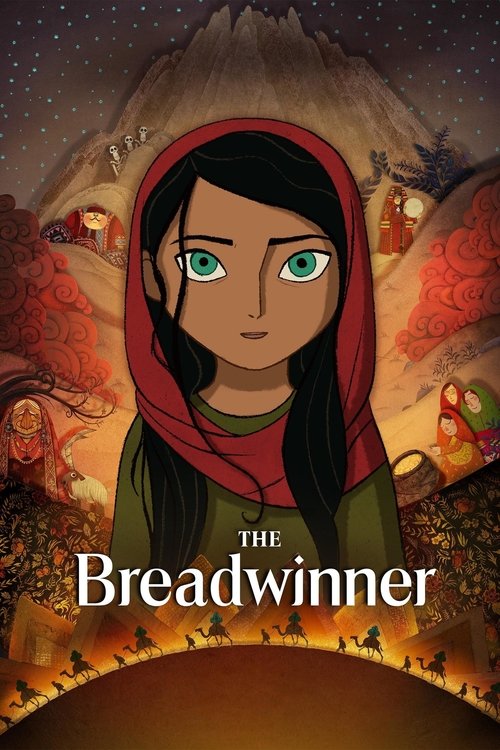
I watched The Breadwinner on a Tuesday night while nursing a cup of hibiscus tea that I completely forgot to drink. By the time the credits rolled, the tea was stone-cold and I felt like I’d been held underwater for ninety minutes—not in a way that drowns you, but in a way that makes the first breath of air feel like a miracle.
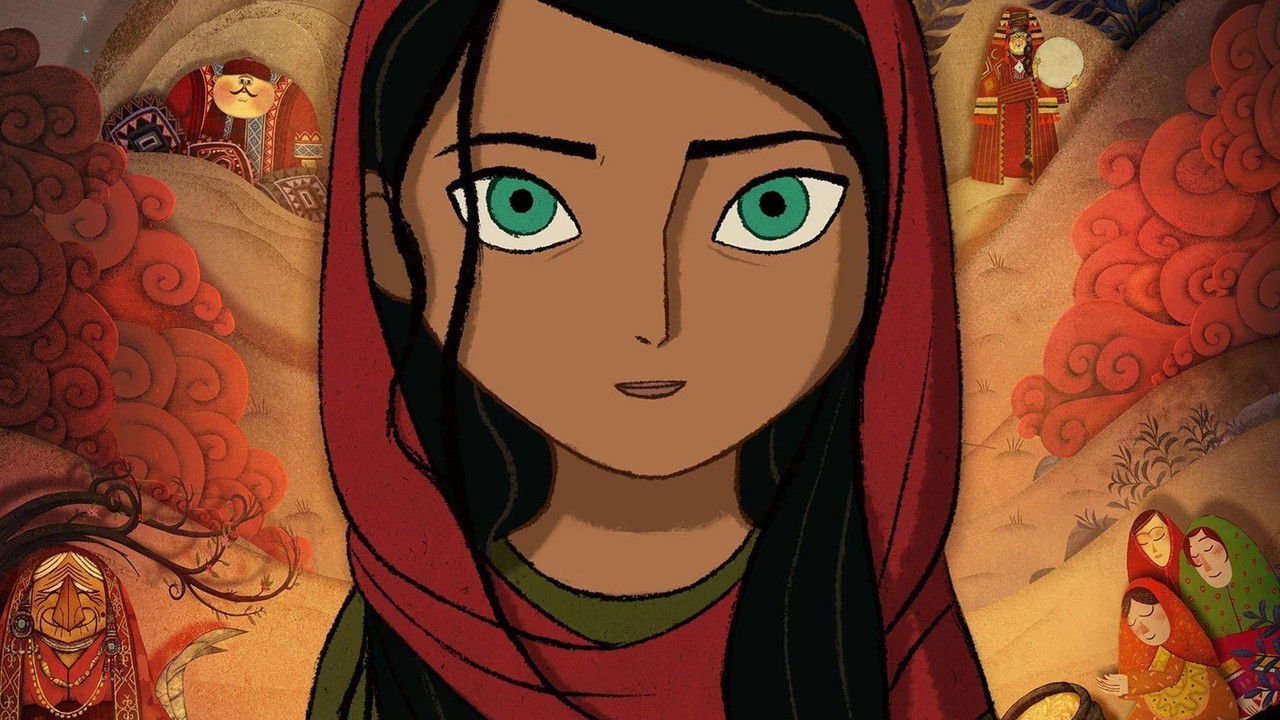
It’s rare that a film feels more relevant five years after its release than it did on opening night, but here we are. Released in 2017, this Cartoon Saloon production (the geniuses behind Wolfwalkers and Song of the Sea) arrived at a moment when we thought stories of the Taliban’s Kabul were a dark chapter of the past. Watching it now, in a post-2021 world, the film feels less like a historical drama and more like an urgent, unblinking dispatch from a recurring nightmare. It’s a tragedy that the film’s box office was essentially pocket change; the industry treated it like a homework assignment rather than a heartbeat, and we’re all the poorer for it.
A Canvas Painted in Dust
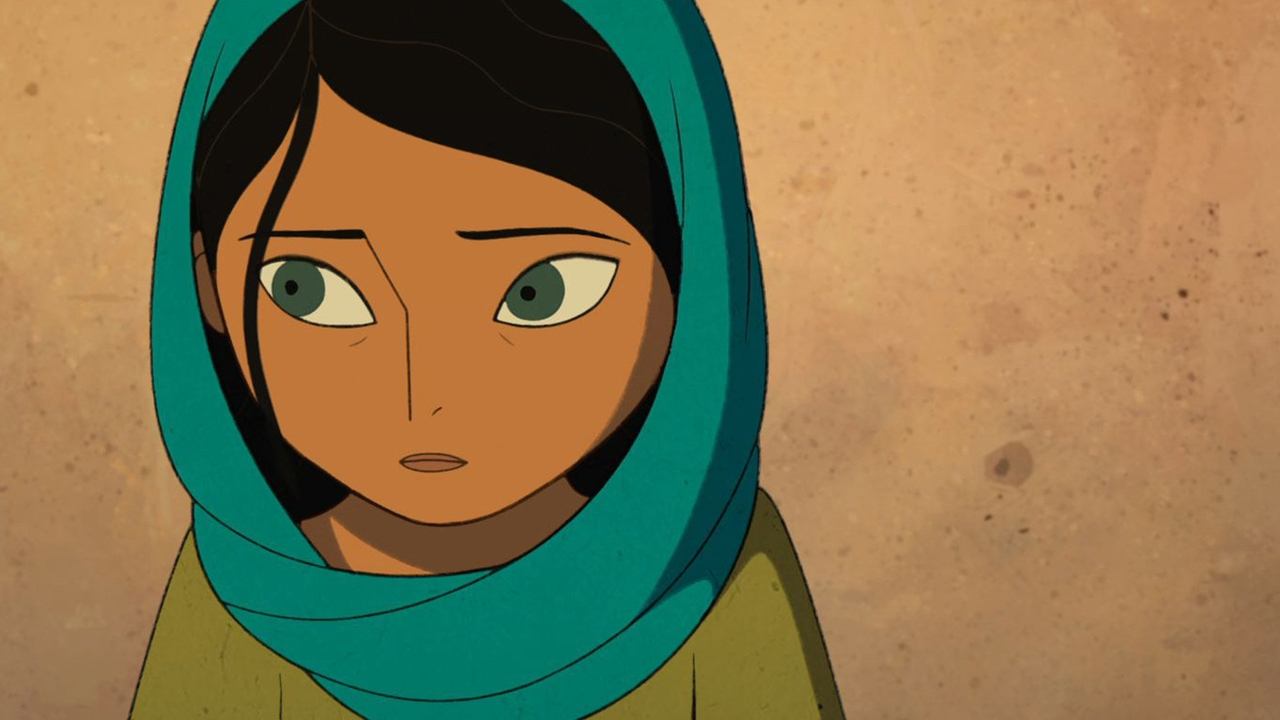
Directed by Nora Twomey, The Breadwinner follows Parvana, a 11-year-old girl whose world shrinks to the size of a single room when her father, a one-legged teacher, is dragged off to prison by the Taliban. In a city where a woman cannot leave the house without a male relative, Parvana’s family—her mother, sister, and toddler brother—are effectively sentenced to starvation.
The solution is "Bacha Posh," a cultural practice where a girl disguises herself as a boy to provide for the family. Saara Chaudry provides the voice for Parvana, and her performance is a marvel of restraint. She doesn't play a "feisty" cartoon hero; she plays a child who is vibrating with a terror she isn't allowed to show. When she cuts her hair, it’s not a triumphant "Mulan" moment of self-discovery; it’s a desperate, jagged act of survival.
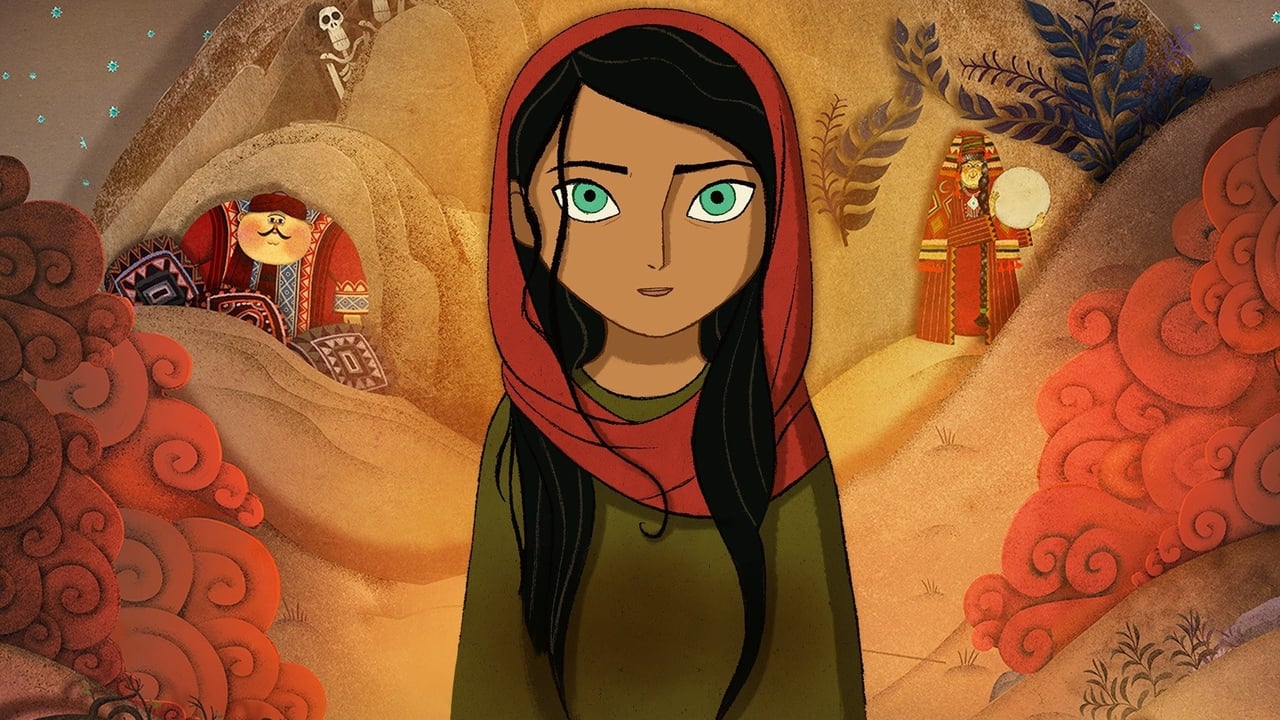
The animation style is where Cartoon Saloon truly flexes. They use a distinct, clean-lined aesthetic for the "real world" of Kabul—a city rendered in muted ochres, dusty tans, and the harsh, unforgiving grey of concrete. But then there’s the story-within-the-story. To distract her little brother, Parvana tells a fable about a boy facing a Dragon King. This sequence uses a gorgeous, cut-paper animation style that pops with saturated reds and purples. It’s a visual reminder that even when the body is confined by a regime, the imagination is a sovereign state they can’t colonize.
The Weight of Silence
This is an intense film. I’ve seen horror movies that felt less oppressive than the scene where Parvana and her mother, Laara Sadiq, try to walk through the market to find their father. The sound design is skeletal—the wind whistling through ruins, the heavy crunch of boots on gravel. Nora Twomey understands that in a drama this heavy, you don't need a soaring orchestral score to tell the audience to cry. The silence does the heavy lifting.
I found myself particularly moved by the relationship between Parvana and Shauzia, voiced by Soma Bhatia. Shauzia is another girl living as a boy, and their friendship is the film’s emotional spine. They aren't talking about revolution; they’re talking about saving enough money to escape to the sea, a place they’ve only heard of in stories. It’s a small, crushing detail that highlights the tragedy of a generation whose only ambition is to simply exist somewhere else. If you don’t feel a lump in your throat during their final goodbye, you might actually be a Roomba.
Why Did We Miss This?

The film barely made a ripple at the box office, which is a crime of distribution as much as it is a symptom of our "franchise-or-bust" era. It’s a hand-drawn, 2D animated war drama about a girl in Afghanistan—on paper, that’s a "hard sell" for a Friday night at the multiplex. It’s the kind of film that gets dumped into three theaters in New York and LA for an Oscar qualifying run and then vanishes into the digital ether of streaming platforms.
But The Breadwinner isn't a "misery porn" film meant to make Western audiences feel guilty. It’s a celebration of the oral tradition. Parvana’s father, voiced with a weary, soulful dignity by Ali Badshah, tells her: "Stories remain in our hearts even when all else is gone." In a contemporary cinema landscape dominated by CGI multiverses and endless IP recycling, there is something profoundly radical about a film that argues for the life-saving power of a well-told tale.
It’s an oddity in the sense that it’s an "all-ages" film that I’m not sure I’d show to a very young child without a lot of conversation. It respects its audience enough not to look away from the belt-buckle of a Talib or the looming threat of an invisible war. It captures the specific anxiety of the 21st century—the feeling that the world is tilting on its axis and the old rules no longer apply.
The Breadwinner is the kind of cinema that lingers in the back of your mind like a ghost. It’s beautiful, brutal, and essential. In an age where we’re constantly told that animation is "just for kids," this film stands as a towering rebuttal. It’s a story about the cost of courage and the necessity of hope, and while it didn't find its audience in 2017, it’s waiting for you now. Go find it. Just remember to drink your tea before it gets cold.
Keep Exploring...
-

Suite Française
2015
-
See You Up There
2017
-
The Boy and the Beast
2015
-

The Red Turtle
2016
-
Batman vs. Robin
2015
-
Beasts of No Nation
2015
-
Eye in the Sky
2015
-

Land of Mine
2015
-
The Siege of Jadotville
2016
-
A Bag of Marbles
2017
-

The Zookeeper's Wife
2017
-

Т-34
2018
-

Greyhound
2020
-
Inside Out
2015
-

Cars 3
2017
-
Soul
2020
-

The Man Who Invented Christmas
2017
-
The Willoughbys
2020
-

Son of Saul
2015
-
13 Hours: The Secret Soldiers of Benghazi
2016