The Dark Tower
"A thousand pages, ninety minutes, and one legendary Gunslinger."
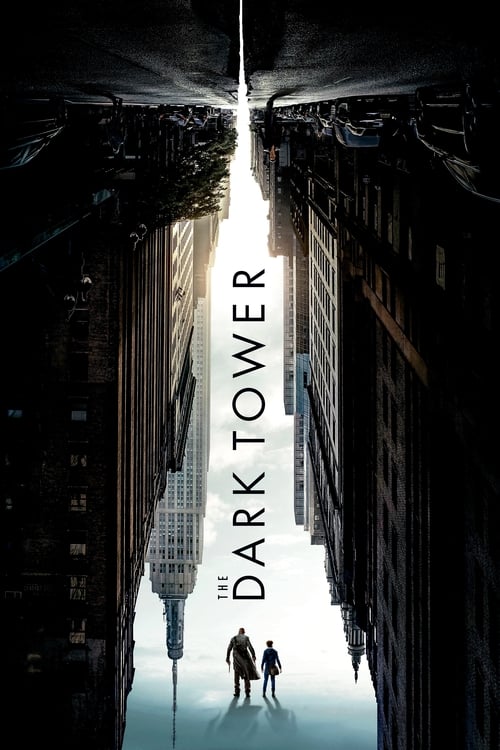
I remember the exact moment the collective internet gasped back in 2017. It wasn’t just the casting of a world-class talent as the lead; it was the runtime. When the news broke that The Dark Tower, an adaptation of Stephen King’s sprawling, eight-book, multi-dimensional magnum opus, would clock in at a mere 95 minutes, the red flags didn't just wave—they caught fire. I watched this for the first time on a Tuesday night while trying to convince my cat that a stray piece of cucumber on the floor wasn't a venomous snake, and honestly, that struggle had more narrative tension than some of the world-building here.
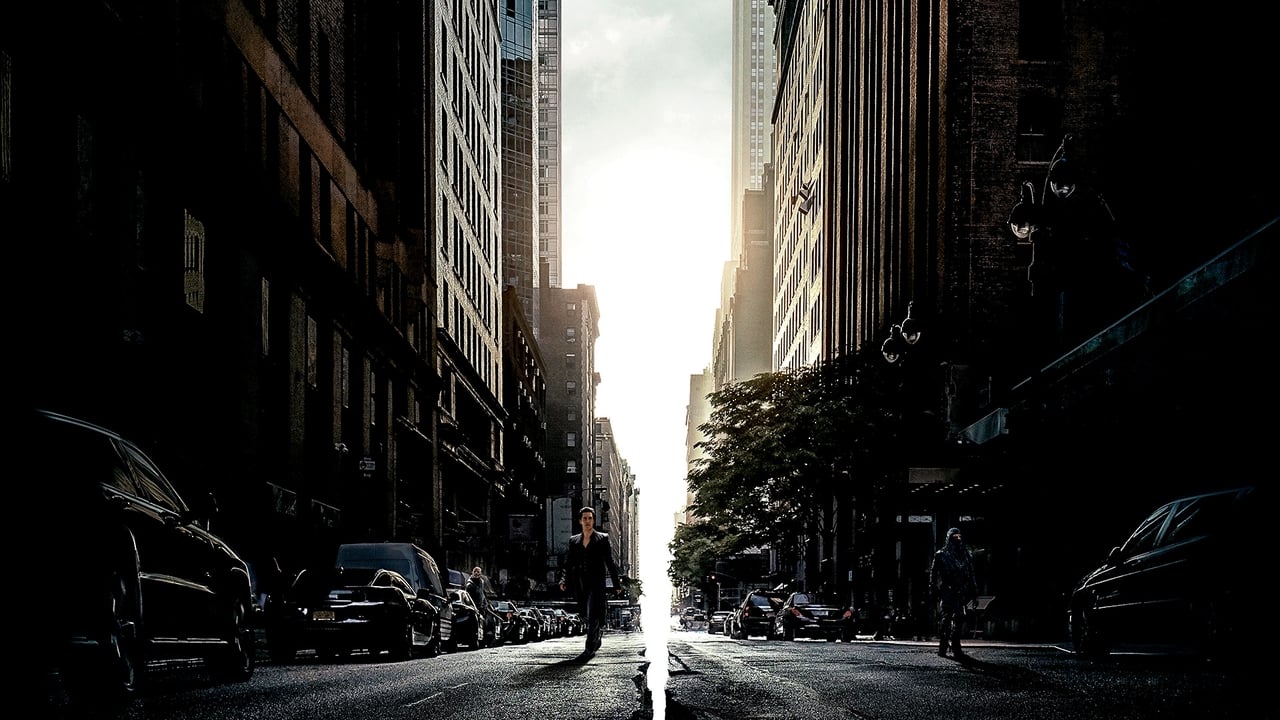
Yet, as I revisit this film in our current era of three-hour "event" cinema and endless Disney+ miniseries, there is something almost rebellious about its brevity. The Dark Tower is a fascinating artifact of the mid-2010s "franchise fever," where studios were desperate to turn every piece of intellectual property into a cinematic universe overnight. It’s a film that tries to do everything and ends up doing about three things very quickly, but those three things—mostly involving Idris Elba shooting people—are actually quite fun.
The Last Gunslinger’s Rhythm
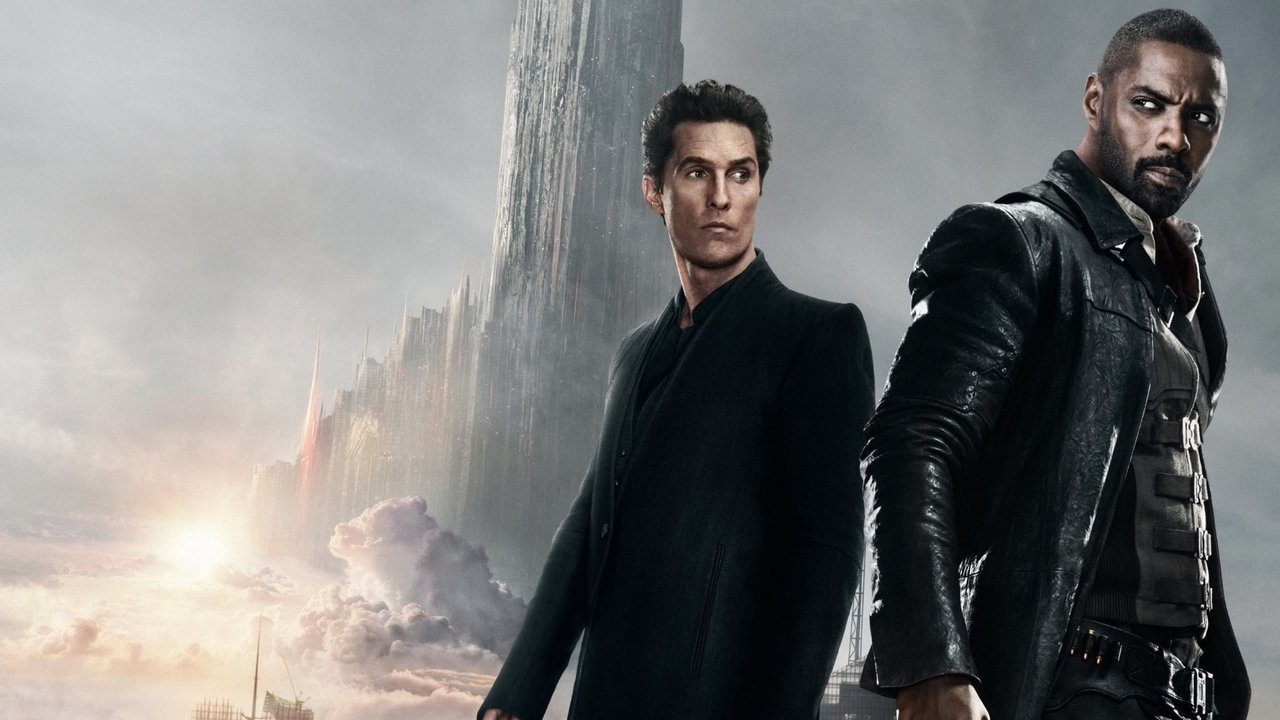
If you’re coming to this for a faithful adaptation of the books, you’re going to have a bad time. But if you’re here for action choreography, Idris Elba as Roland Deschain is a revelation. There is a specific physical language to the Gunslinger that the film gets absolutely right. Roland doesn't just shoot; he operates his revolvers with a rhythmic, mechanical grace that feels like a deadly dance.
The highlight of the film, and the reason it has earned a weirdly persistent cult following among action junkies, is the "reloading" sequence. During a chaotic shootout in a forest and later in a dingy New York gun shop, Roland performs speed-loads that defy physics but look incredible on screen. He’s tossing cylinders, catching bullets in mid-air, and firing with a blind, intuitive sense of space. Director Nikolaj Arcel treats these moments with a crispness that avoids the "shaky-cam" chaos prevalent in the 2010s. For a few brief minutes, the movie actually stops being a generic YA fantasy and becomes a high-tier Western-flavored John Wick.
The stunts feel heavy. When Roland moves, you feel the weight of those massive "sandalwood-grip" revolvers. While the film leans on CGI for its more supernatural elements—like the portal-hopping and the "Breakers"—the actual gunplay feels tactile and grounded. It’s a shame the rest of the movie couldn't keep up with Elba’s holster-work.
McConaughey and the Man in Black
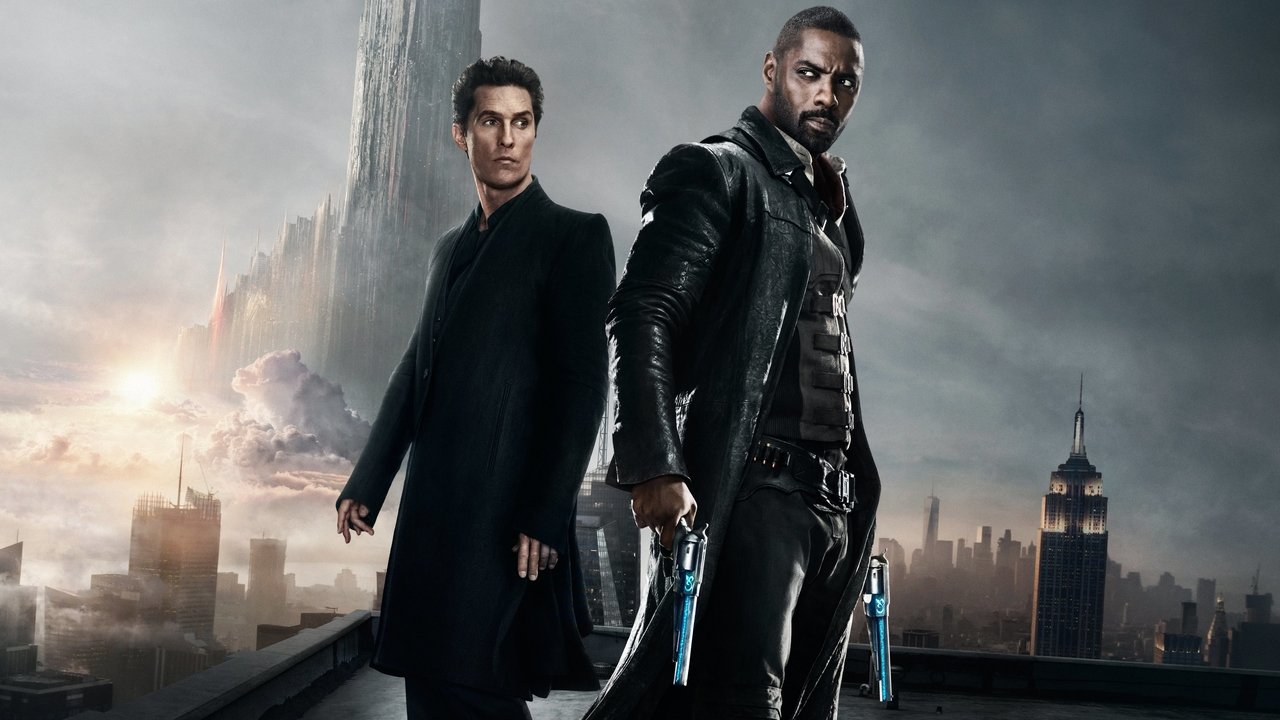
On the flip side of the coin, we have Matthew McConaughey as Walter O’Dim, the Man in Black. McConaughey is clearly having the time of his life, leaning into a sleek, predatory version of evil that involves walking through rooms and casually telling people to "stop breathing." It’s campy, it’s over-the-top, and it’s wildly different from the source material’s more mysterious sorcerer.
There’s a strange chemistry between him and Tom Taylor, who plays Jake Chambers, the boy with the "Shine" (a direct nod to the broader King-verse). The film positions itself as a "legacy sequel" rather than a straight adaptation—a popular trope in this era of cinema. Because Roland carries the Horn of Eld (a key artifact from the books), the movie technically takes place after the events of the final novel. This was a clever way for the writers, including Akiva Goldsman, to explain away the massive changes to the plot, but I doubt it smoothed things over for the hardcore fans who wanted to see the bridge of Lud or the Lobstrosities.
Why It Lingers as a Cult Curiosity
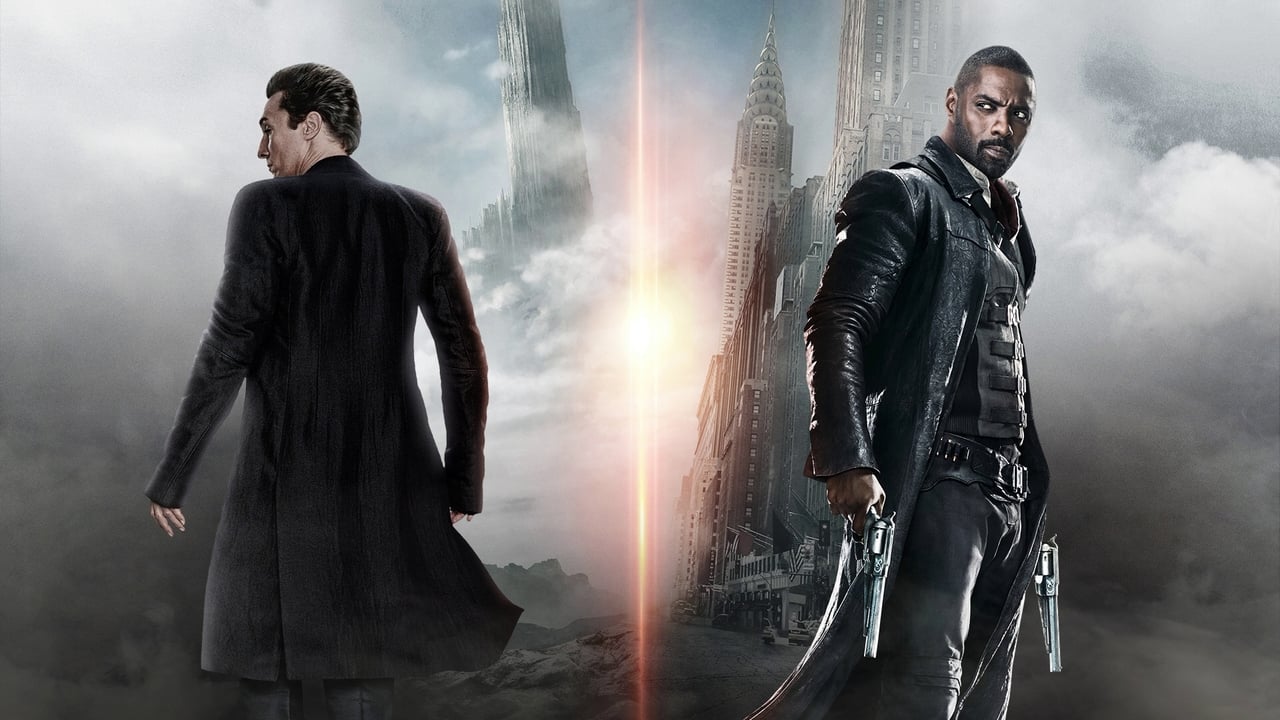
So, why talk about it now? In our current landscape of "Franchise Fatigue," The Dark Tower stands out because it failed so spectacularly at its one job: starting a franchise. It was supposed to be followed by a TV series (which was eventually developed for Amazon and then scrapped) and multiple sequels. Instead, it’s a standalone oddity.
Apparently, the production was a bit of a nightmare. There were reports of "too many cooks" in the kitchen, with the studio reportedly nervous about the film's dark tone, leading to that trimmed-down runtime. Interestingly, Idris Elba actually spent weeks training with real competitive shooters to get the muscle memory down for those reloads, which explains why the action feels so much better than the script. Also, keep an eye out for the Easter eggs: you’ll see a photo of the Overlook Hotel from The Shining and a "Pennywise" sign that firmly places this in the King multiverse.
The film's failure actually makes it a more interesting watch today. It’s a brisk, action-heavy fantasy that doesn't demand you watch five other movies to understand it. It’s essentially a high-budget pilot for a show that never happened, and there’s a certain melancholy beauty in that.
Ultimately, The Dark Tower is a film of "what ifs." What if they had given it another thirty minutes to breathe? What if they hadn't tried to make it a PG-13 adventure for teens? Despite its flaws, I find myself defending it for Elba’s performance alone. He carries the weight of a dying world in his eyes, even when the dialogue he’s speaking is as thin as a dime-store novel. It’s a flawed, messy, but oddly watchable slice of contemporary genre-blending that reminds us that even the biggest towers can lean a little too far.
Keep Exploring...
-
Pixels
2015
-
Pacific Rim: Uprising
2018
-
Morbius
2022
-
Underworld: Blood Wars
2016
-

Insurgent
2015
-
The 5th Wave
2016
-
X-Men: Apocalypse
2016
-
Gods of Egypt
2016
-
Terminator Genisys
2015
-
The Last Witch Hunter
2015
-
Teenage Mutant Ninja Turtles: Out of the Shadows
2016
-
The Great Wall
2016
-

The Legend of Tarzan
2016
-
Warcraft
2016
-
Bright
2017
-

Geostorm
2017
-
Ghost in the Shell
2017
-

Justice League
2017
-

King Arthur: Legend of the Sword
2017
-
Power Rangers
2017