The Discovery
"Your next life is just a heartbeat away."
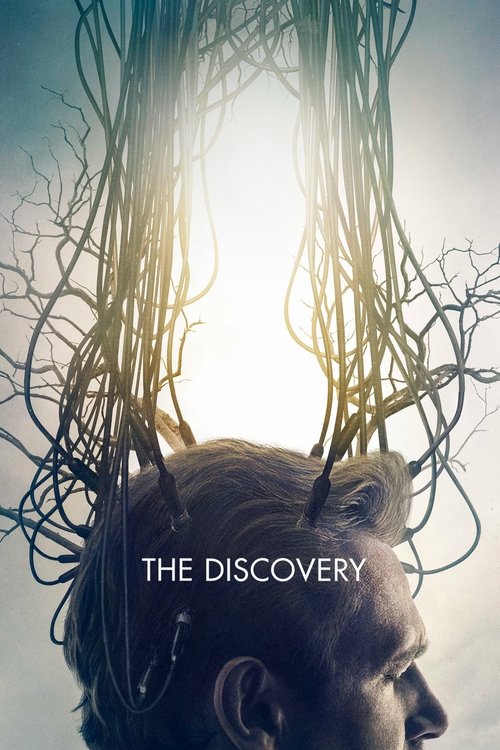
Imagine a world where the "great unknown" is no longer unknown. There’s no more debating Pascal’s Wager or wondering if Uncle Morty is looking down from a cloud; instead, a scientist has used subatomic imaging to prove that a piece of us leaves the body and heads somewhere else. That is the haunting, high-concept hook of Charlie McDowell’s The Discovery. It’s a film that asks what happens to the human psyche when the mystery of death is replaced by the certainty of a "reset." I remember seeing the teaser for this back in 2017 and thinking it was the ultimate "what if" scenario—it’s essentially Flatliners for the Sundance crowd, traded in for New England sweaters and a heavy dose of existential dread.
A Scientific Case for the Afterlife
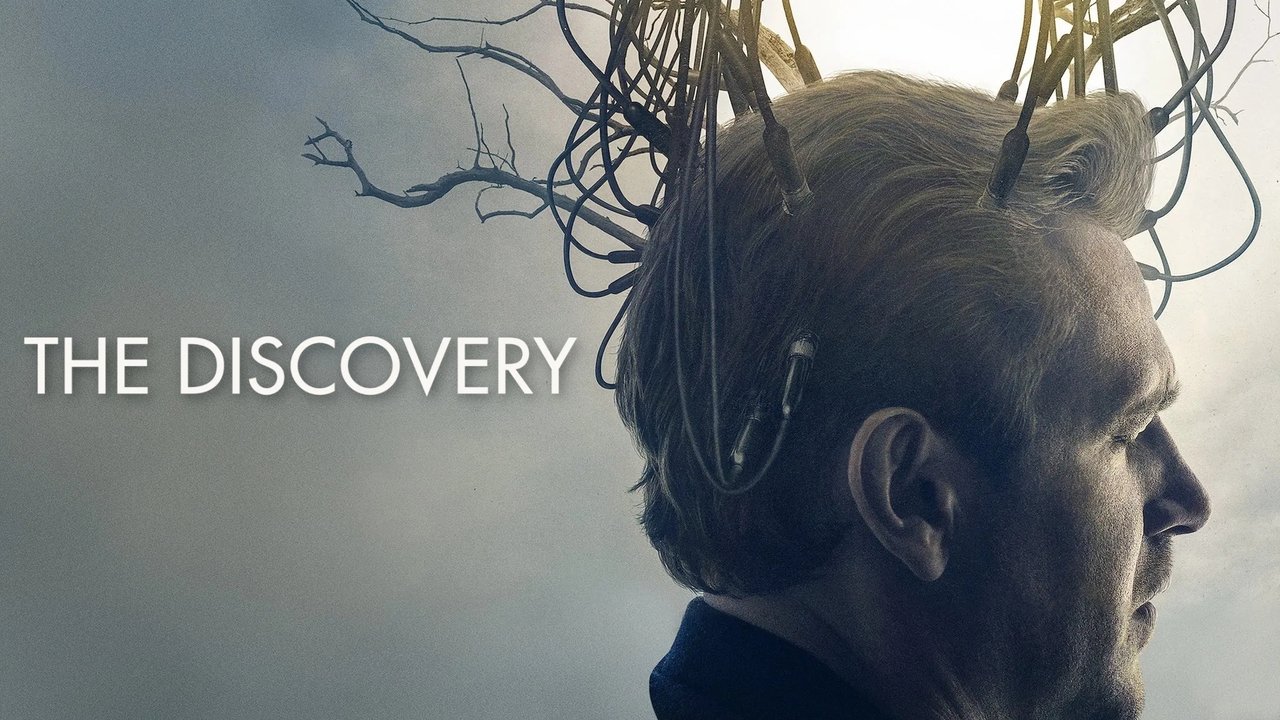
The film opens with an interview that sets the stakes: millions of people are killing themselves to "get there" faster. The man responsible is Dr. Thomas Harbor, played by the legendary Robert Redford with a cold, academic detachment that feels miles away from his charming Sundance Kid days. He’s hunkered down in a massive, secluded estate that serves as a sanctuary/cult-compound for people who attempted suicide and failed.
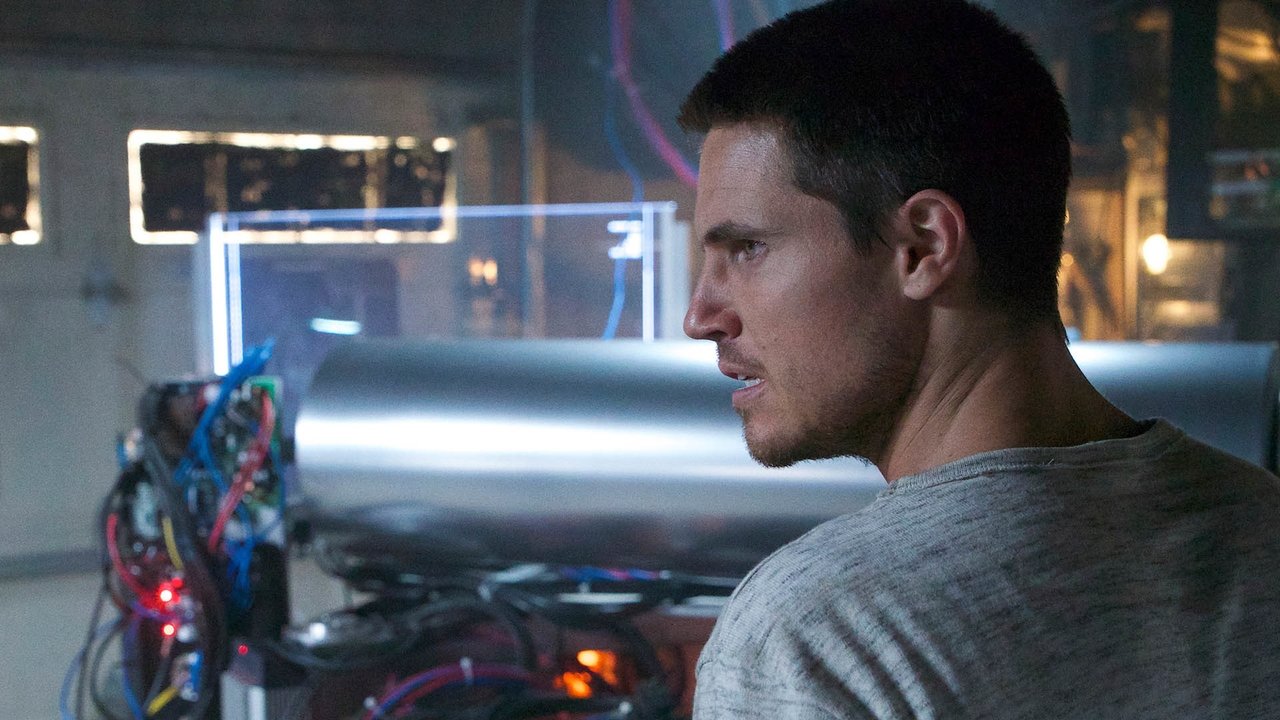
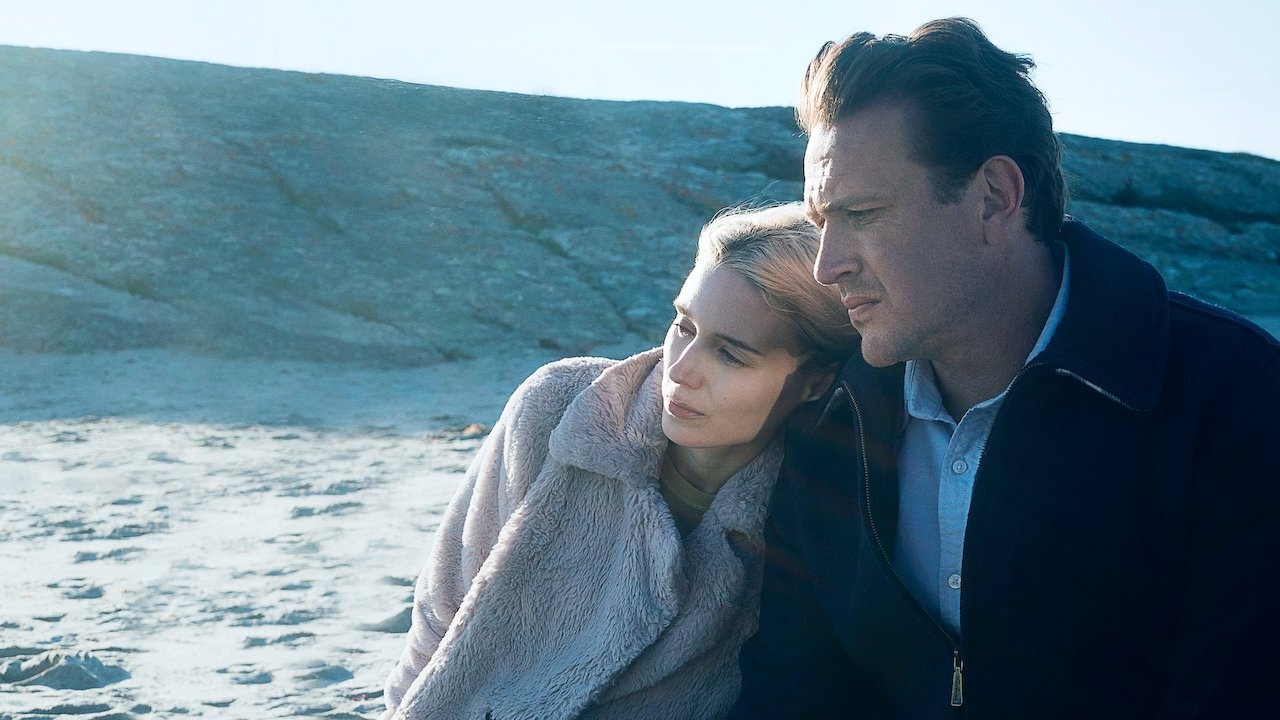
Into this mix comes his estranged son, Will, played by Jason Segel. If you only know Segel from How I Met Your Mother, his performance here might catch you off guard. He’s internalized everything; he carries a heavy, slumped sadness that reminds me of his incredible work as David Foster Wallace in The End of the Tour. Will is the skeptic in a house full of believers, and his journey into his father's basement—where Robert Redford’s lab looks like a RadioShack exploded inside a monastery—is where the film’s mystery really begins to hum.
The Chemistry of the Drowning
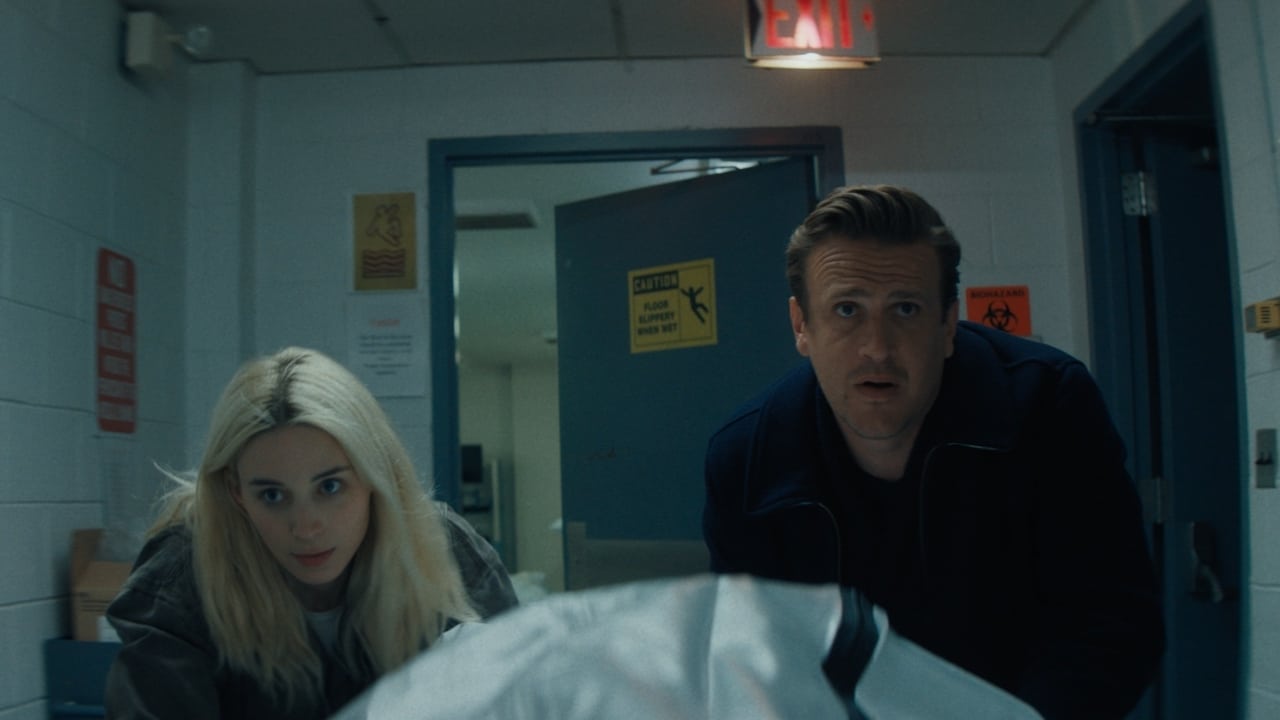
On the ferry to the island, Will meets Isla, portrayed by Rooney Mara. She’s sporting bleached hair and a cynicism that matches Will’s, though her pain is much closer to the surface. Rooney Mara has this uncanny ability to look both fragile and dangerous at the same time, a skill she used to great effect in Carol and The Girl with the Dragon Tattoo.
The two of them have a chemistry that isn't about romantic sparks in the traditional sense; it feels more like two drowning people discovering they’re holding onto the same life raft. Their dialogue, written by McDowell and Justin Lader, is sharp but avoids the "movie-speak" trap. It feels like real conversations between people who have given up on the world. I watched this on my couch while nursing a lukewarm cup of peppermint tea that I’d forgotten to stir, and honestly, the gritty, bitter sediment at the bottom of the mug felt like a fitting companion to the film’s dour, grey-toned atmosphere.
The Netflix Shuffle and Lost Cinema
One of the reasons The Discovery has drifted into the "obscure" bin is purely a matter of timing and platform. Released during the early gold rush of Netflix original films, it was part of a wave of prestige indies that the streamer bought at festivals to prove they were serious about cinema. But because it didn’t have a massive theatrical run or a legacy franchise attached, it eventually got buried under the weight of the "Trending Now" algorithm.
It’s a shame, because the craft here is top-notch. The cinematography by Sturla Brandth Grøvlen—who did that amazing one-take film Victoria—uses the bleak, wintry Rhode Island landscape to make the whole world feel like it’s in mourning. The supporting cast is equally stacked. Jesse Plemons (who seems to be in every great "weird" movie lately, like I'm Thinking of Ending Things) plays Will’s brother, Toby. He brings a strange, twitchy energy to the compound, while Riley Keough and Ron Canada add layers to the mystery of what the Harbor family is actually recording in that basement.
High Concept vs. Human Emotion
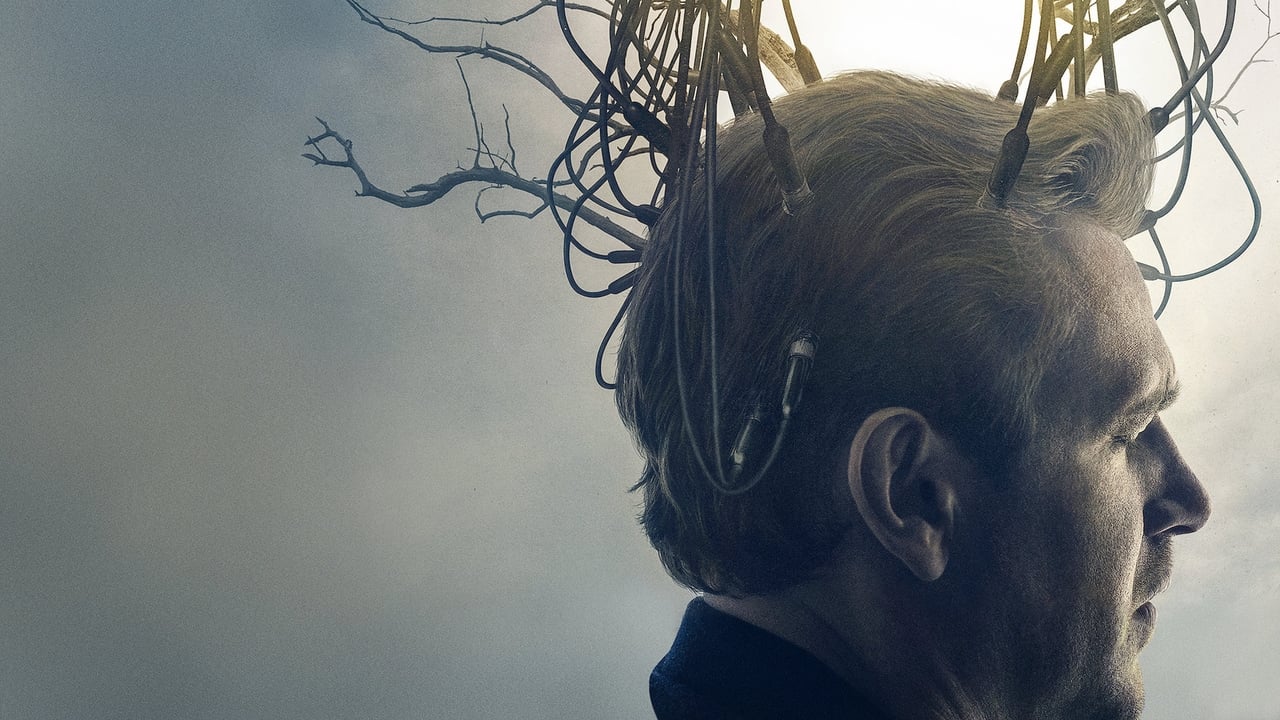
As the plot shifts from a philosophical drama into a sci-fi thriller, the film begins to toy with some very big ideas about memory and regret. Without spoiling the final act, the twist is either a stroke of genius or a desperate reach for profundity depending on how many philosophy 101 classes you slept through. Personally, I found it moving. It moves the goalposts from a movie about "where we go" to a movie about "what we leave behind."
It’s not a perfect film—the middle act meanders a bit as it tries to figure out if it wants to be a ghost story or a romance—but its ambition is undeniable. In an era of franchise dominance where every "original" idea feels like a remix, The Discovery at least has the guts to ask a new question. It’s a quiet, reflective piece of science fiction that doesn't need lasers or aliens to freak you out; it just needs a brain scan and a mirror.
The Discovery is a somber, intellectually stimulating watch that deserves a second life on your watchlist. It’s the kind of "streaming era" artifact that proves you don't need a $200 million budget to build a world that stays with you. If you’re in the mood for a film that feels like a cold winter morning and a long, difficult conversation, this is the one to find. It might just make you appreciate the "here and now" a little bit more.
Keep Exploring...
-
2:22
2017
-
The Vast of Night
2019
-
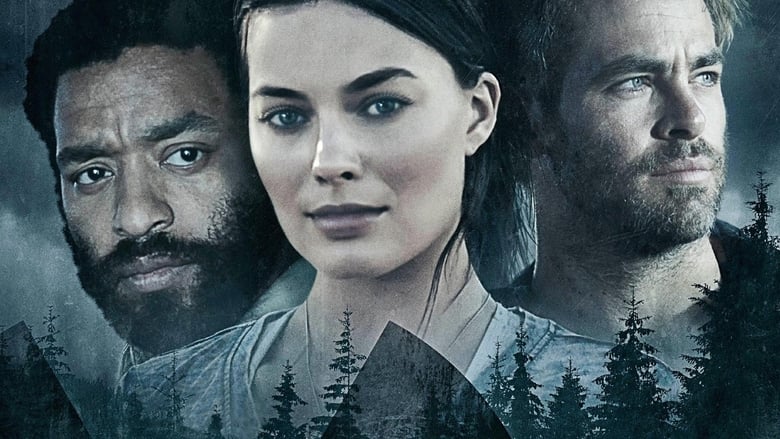
Z for Zachariah
2015
-
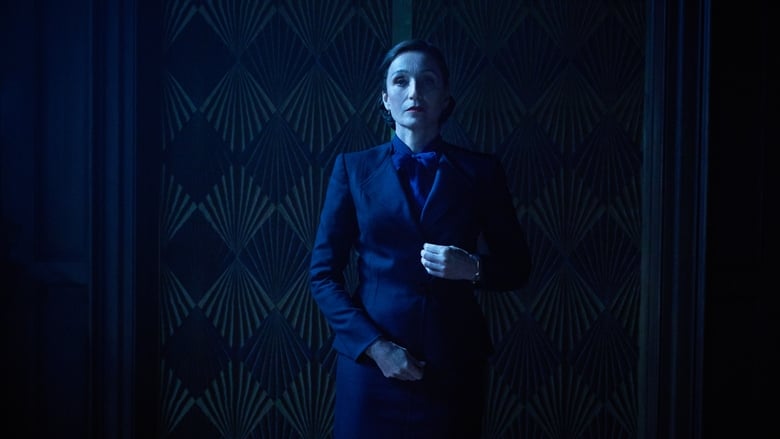
Rebecca
2020
-
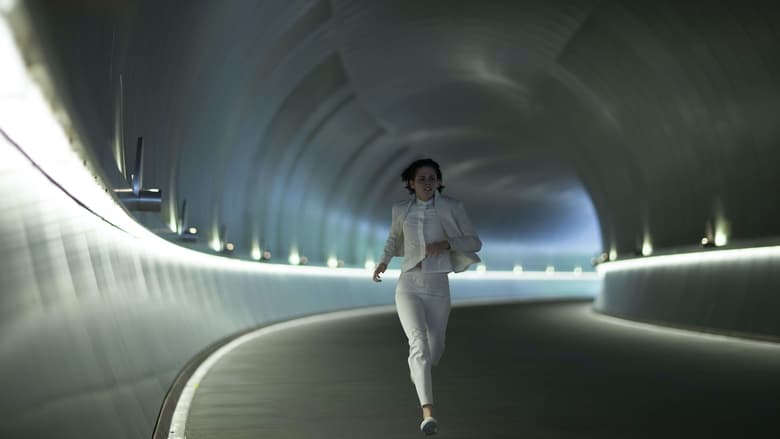
Equals
2015
-
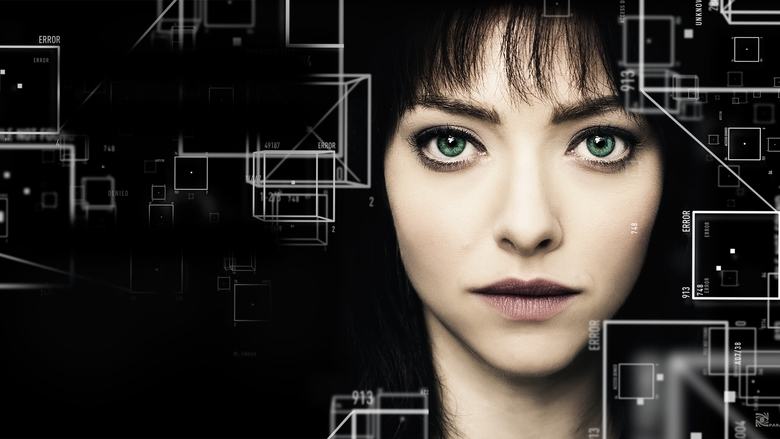
Anon
2018
-
Color Out of Space
2020
-
Deep Water
2022
-
The Outfit
2022
-
Batman vs. Robin
2015
-

Dark Places
2015
-

Personal Shopper
2016
-
Attraction
2017
-
Thelma
2017
-
You Get Me
2017
-
Extinction
2018
-
High Life
2018
-
Mute
2018
-
Greta
2019
-

The Professor and the Madman
2019