The Glass Castle
"The architecture of a broken home."
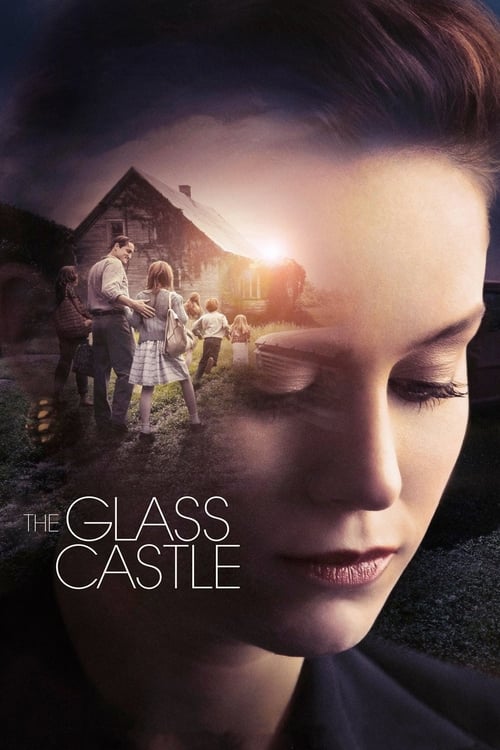
There was a specific flavor of prestige drama that dominated the mid-to-late 2010s—that "glossy grit" era where Hollywood took best-selling memoirs about harrowing poverty and polished them until they glowed with an Oscar-season sheen. The Glass Castle is the poster child for this movement. It arrived in 2017, tucked between the indie-darling explosion of The Florida Project and the blockbuster takeover of the multiverse, and then it just… sort of evaporated. I revisited it recently while my apartment’s radiator was letting out a rhythmic, ghostly thumping sound that felt oddly appropriate for a movie about a house that's falling apart.
Based on Jeannette Walls’ gargantuan best-seller, the film reunites Brie Larson with director Destin Daniel Cretton. If you haven't seen their previous collaboration, Short Term 12 (which also featured a young Rami Malek and LaKeith Stanfield), do yourself a favor and find it immediately. That film was a lightning strike of authentic empathy. By the time they got to The Glass Castle, the budget was bigger, the stars were brighter, and the rough edges had been sanded down just enough to make the trauma feel a little more "cinematic."
The Manic Pixie Dream Dad
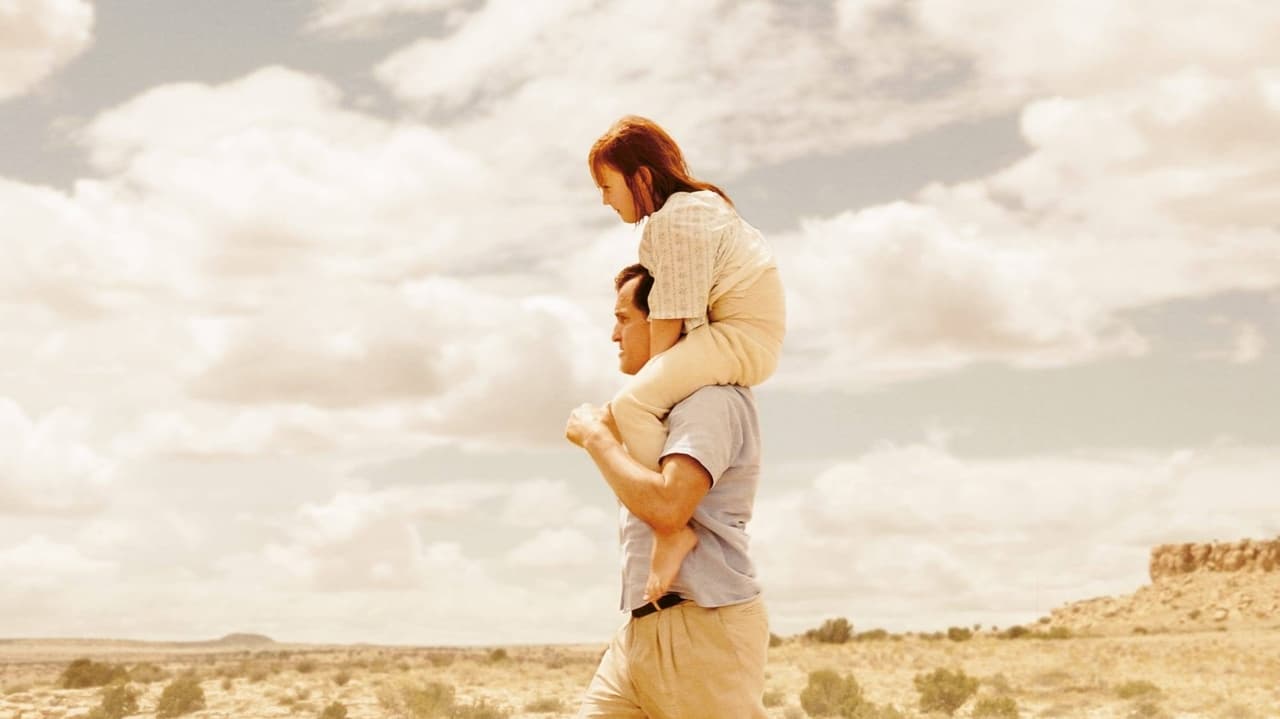
The movie lives and dies on the back of Woody Harrelson as Rex Walls. Rex is a fascinating, terrifying creation: a brilliant, alcoholic patriarch who treats his children like pioneers in a grand experiment rather than human beings who need, you know, food and shoes. Harrelson is doing career-best work here, pivoting from "whimsical storyteller" to "dangerous drunk" with a speed that gives you whiplash.
I’ve always found that Harrelson has this specific energy—a mix of Southern charm and genuine unpredictability—that makes him the only person who could play Rex without turning him into a caricature. Opposite him is Naomi Watts as Rose Mary, the mother who is so committed to her art and her "nonconformity" that she essentially checks out of motherhood entirely. Watching them is like watching a slow-motion car crash where the drivers are arguing about the philosophy of the internal combustion engine while the tires are flying off.
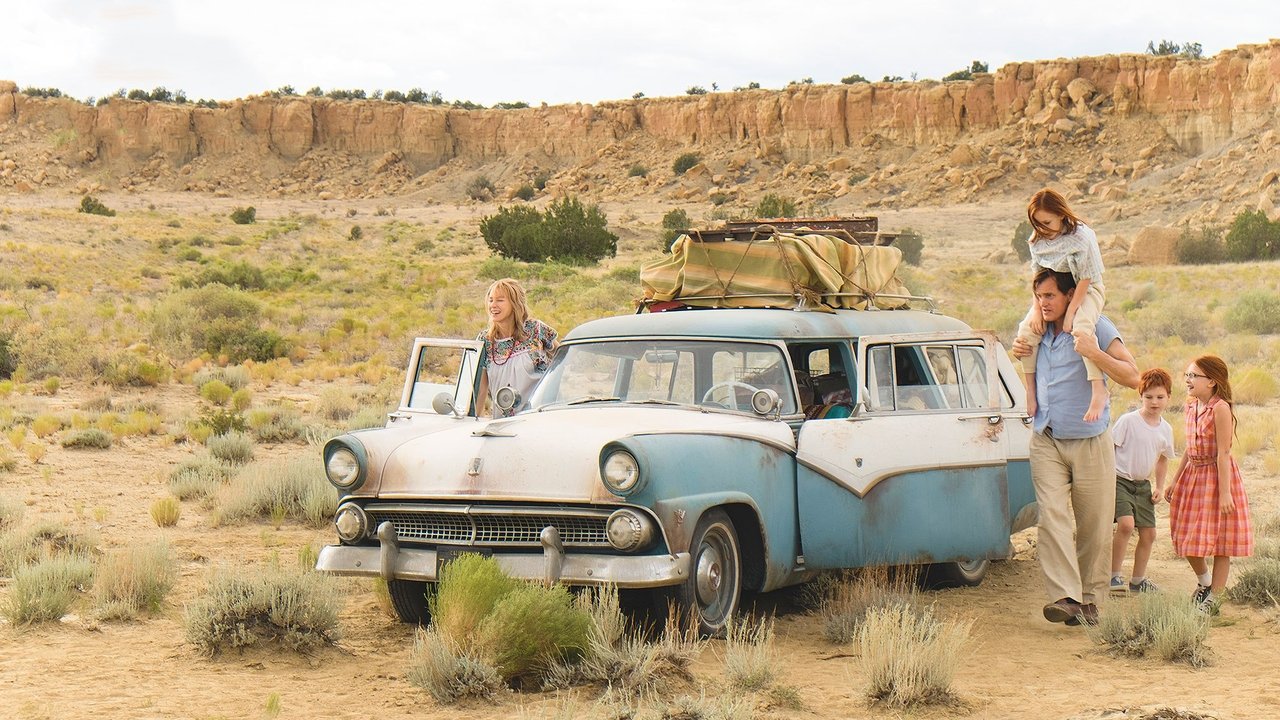
The movie treats child neglect like a whimsical camping trip gone slightly awry, and that’s where it gets into trouble. There are scenes where the kids are literally starving, yet the cinematography by Brett Pawlak (who also did the gorgeous Short Term 12) makes the Appalachian wilderness look like a high-end Pinterest board. It’s beautiful, sure, but it creates a dissonance that is hard to shake.
A Tale of Two Jeannettes
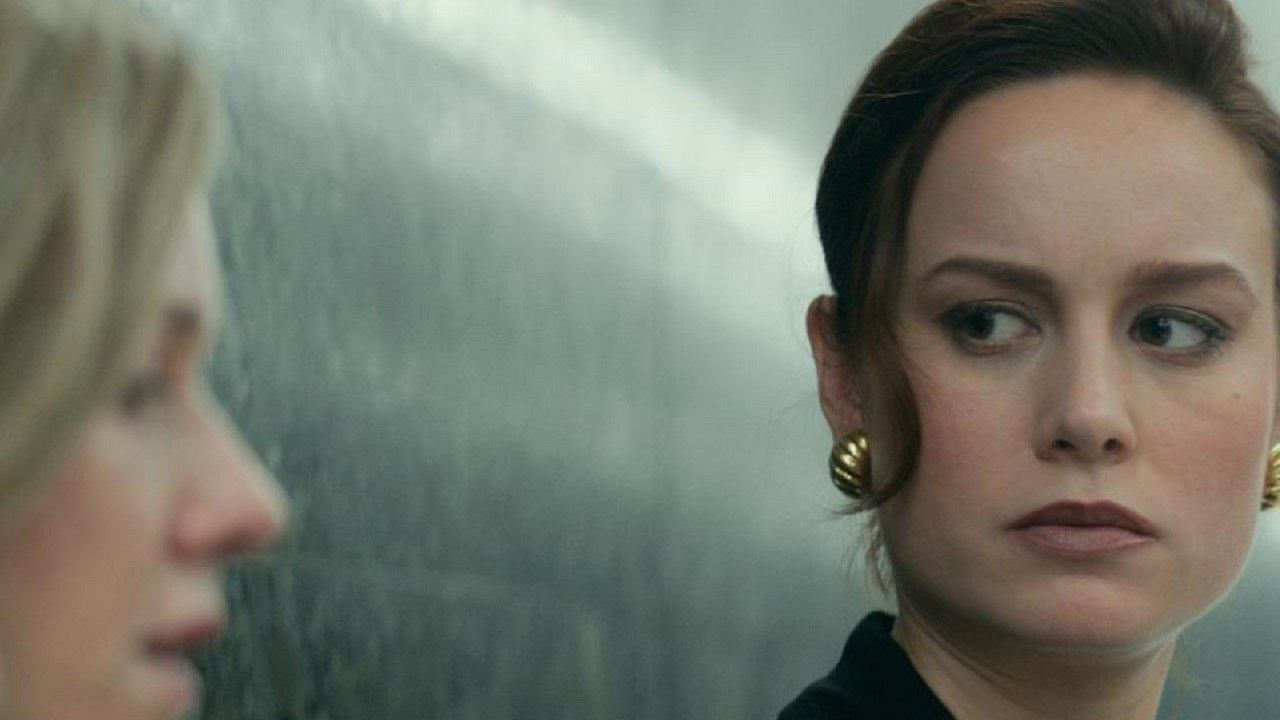
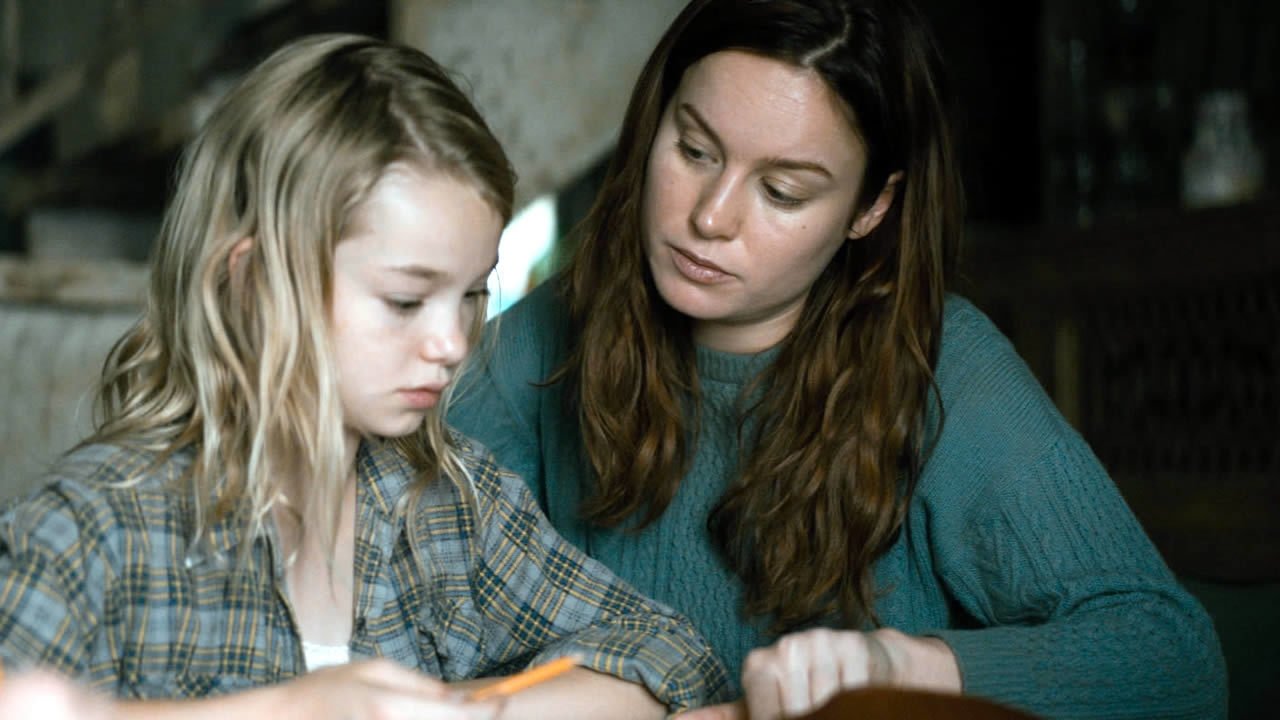
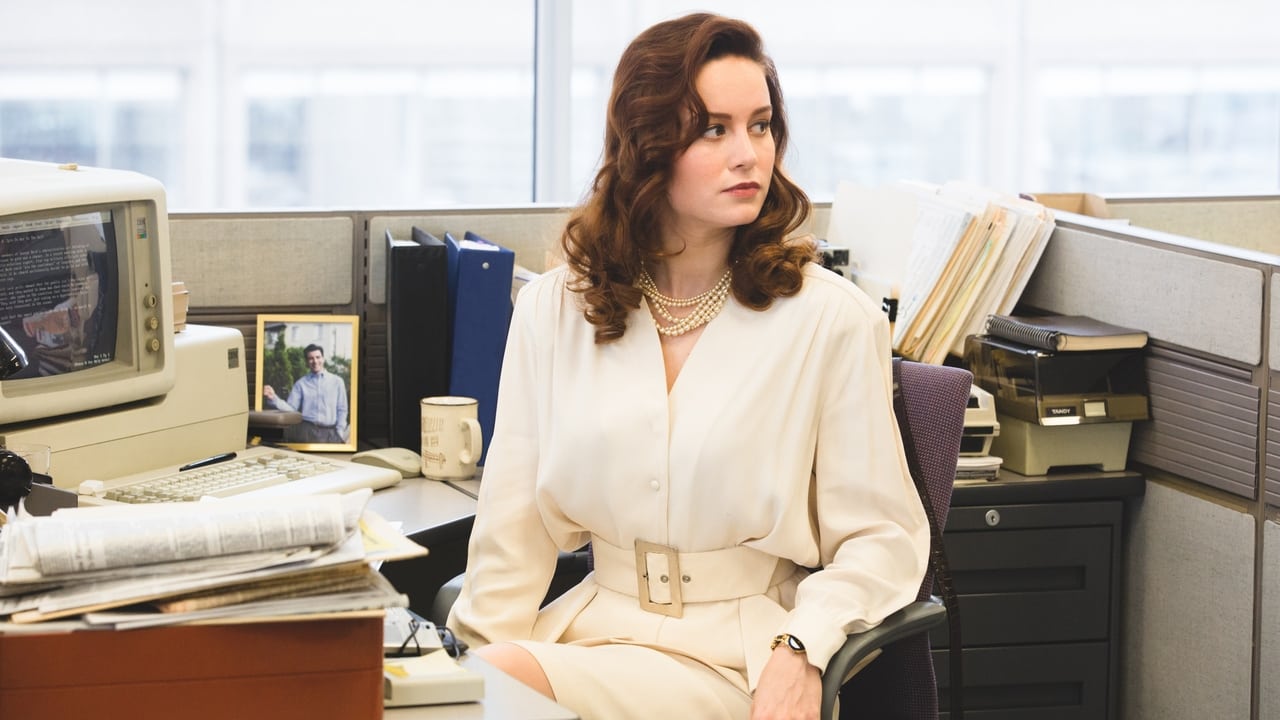
The story splits itself between the "present" (the 1980s, where Brie Larson’s Jeannette is a successful gossip columnist in NYC) and the past. While Brie Larson provides the sturdy, emotional anchor the film needs, the real heavy lifting in the flashbacks is done by Ella Anderson. As the younger Jeannette, Anderson has to carry the most gut-wrenching scenes, including a moment with a stove that still makes me wince just thinking about it.
In the 80s timeline, we get Max Greenfield (Schmidt from New Girl!) as Jeannette’s buttoned-up fiancé. He’s fine, but he’s essentially playing a cardboard cutout of "The Life She Thinks She Wants." The meat of the movie is the reckoning between the adult Jeannette and her aging, squatting parents. It’s about that uncomfortable moment in adulthood where you realize your parents aren't gods or villains—they're just flawed, broken people who happened to raise you.
Why Did We Forget This?
It’s strange to think that a movie starring a fresh Oscar winner (Brie Larson), a perennial favorite (Woody Harrelson), and a future Marvel director (Destin Daniel Cretton) could just slide into obscurity. But 2017 was a transitional year. We were moving away from these traditional "awards bait" biopics and toward more experimental storytelling. The Glass Castle feels like a movie made for 2005 that accidentally showed up a decade late.
There’s also the "streaming effect." This is exactly the kind of mid-budget drama that studios stopped putting in theaters shortly after this was released. Now, you’d find this as a "Netflix Original" appearing on your dashboard on a Friday morning. Seeing it in a theater felt like a grand event, but on a small screen, its flaws—the episodic structure, the slightly manipulative score by Joel P. West—become more apparent.
Still, there is something deeply moving about the central metaphor. The "Glass Castle" of the title is a house Rex promises to build for his family—a sustainable, transparent masterpiece. He carries the blueprints everywhere, even as they move from one shack to another. It’s a tragedy about the lies we tell our children to keep them from seeing how scared we are.
If you grew up in a family that was even slightly "unconventional," this movie will hit you like a freight train. It doesn't quite reach the heights of the book, mostly because it tries too hard to find a "happy" ending in a story that is fundamentally about survival. But for the performances alone—especially the electric, terrifying chemistry between Harrelson and the younger cast—it’s worth a look. Just maybe keep some snacks nearby, because watching the Walls family "fend for themselves" will make you very grateful for your own pantry.
Keep Exploring...
-
Just Mercy
2019
-

Shang-Chi and the Legend of the Ten Rings
2021
-

Short Term 12
2013
-
The Dressmaker
2015
-
Colonia
2015
-
Dope
2015
-
Entourage
2015
-
Far from the Madding Crowd
2015
-

Fathers and Daughters
2015
-

Max
2015
-
Mr. Holmes
2015
-

Pawn Sacrifice
2015
-
The 33
2015
-
Trumbo
2015
-
Gold
2016
-
Loving
2016
-
Midnight Special
2016
-
Miracles from Heaven
2016
-
Risen
2016
-
The Choice
2016