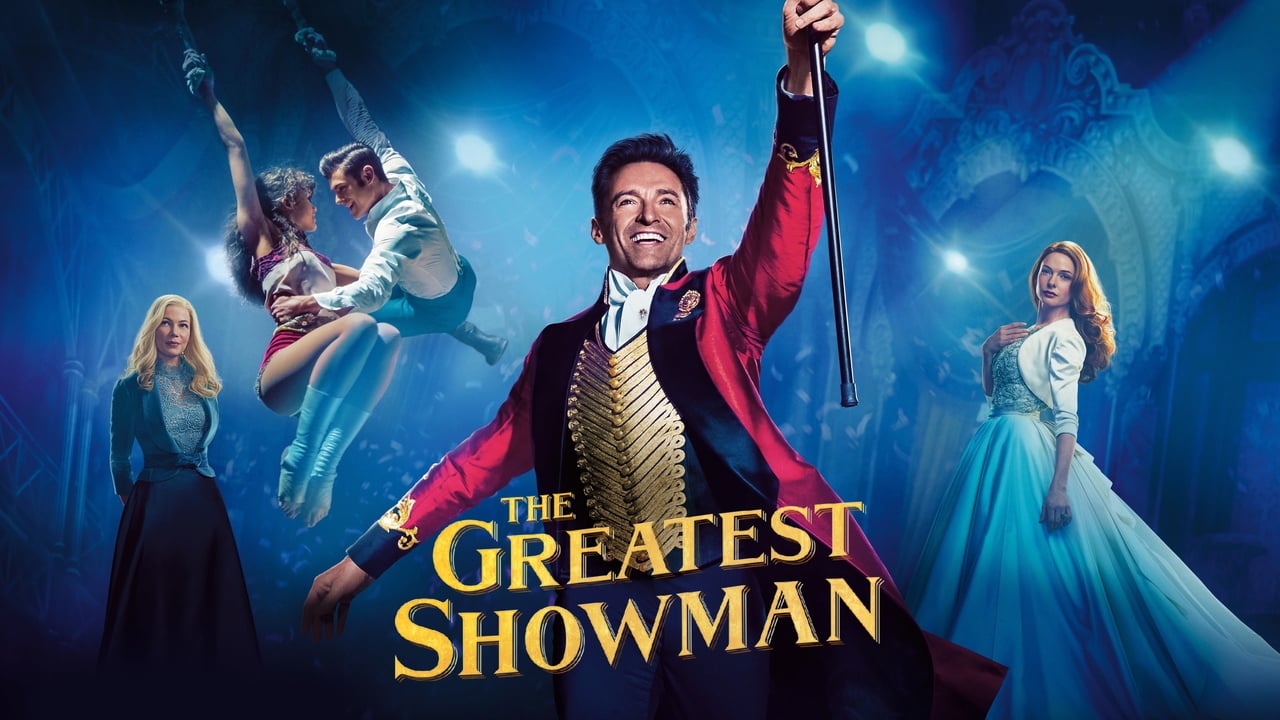
The Greatest Showman
"The noble art of the beautiful lie."
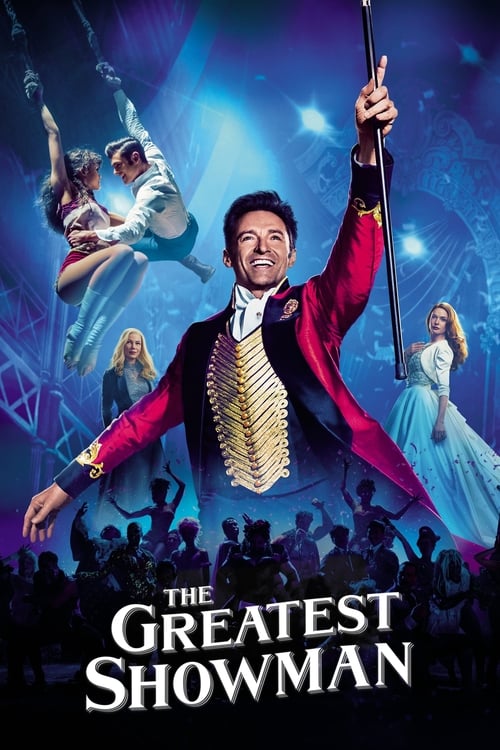
P.T. Barnum once suggested that "the noblest art is that of making others happy," a sentiment that The Greatest Showman takes not just as a motto, but as a legal defense for its own existence. This film doesn't care about the gritty, problematic reality of the historical Barnum—a man whose relationship with "truth" was, let’s say, spiritually flexible. Instead, it invites us into a neon-soaked, stomp-clap fever dream where the 19th century is filtered through the lens of a modern pop-rock Coachella set. It’s a film that asks a very contemporary question: In an era of crushing cynicism, is there a moral value in the "Humbug"?
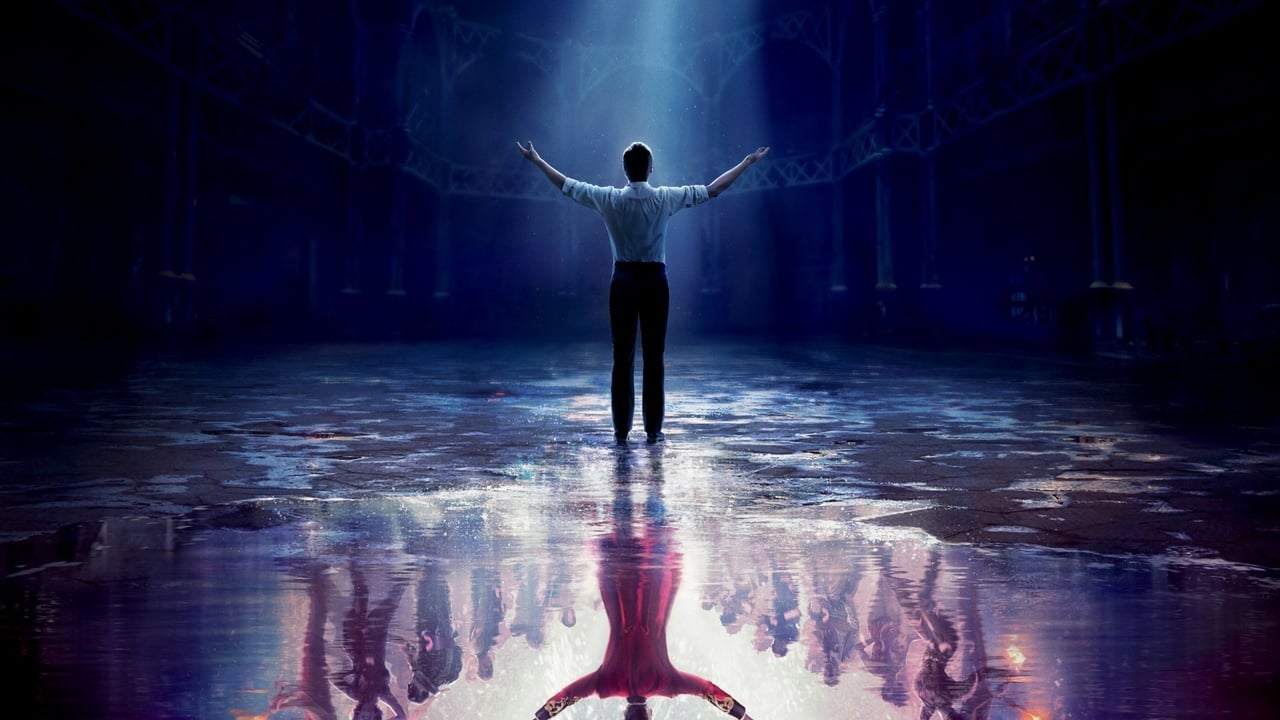
The Philosophy of the Humbug
The movie is essentially a high-gloss argument for the idea that a beautiful lie is worth the price of admission if it makes you feel less alone. Hugh Jackman plays Barnum not as a huckster, but as a visionary dreamer, a man whose primary motivation is a desperate need for social validation from the elite. When he gathers his "oddities"—led by the powerhouse Keala Settle as Lettie Lutz—the film pivots into a meditation on identity and visibility.
I watched this on a laptop while waiting for a delayed flight in O’Hare, and I’m fairly certain the woman sitting next to me thought I was having a mid-life crisis because I kept tapping my feet to "The Other Side" on the terminal floor. That’s the trick of this movie. It’s intellectually thin but emotionally overwhelming. It operates on the logic of a "Post-Truth" era, where the feeling of a moment carries more weight than the historical accuracy of the ledger. Is it exploitative to put "unique" people on a stage for profit? The film suggests that if you give them a family and a spotlight in the process, the exploitation becomes a form of liberation. It’s a complex, slightly uncomfortable idea wrapped in a very shiny, very catchy bow.
A Masterclass in Calculated Spectacle
Director Michael Gracey, making his feature debut, leans heavily into his background in visual effects and commercials. The result is a film that feels remarkably modern despite the top hats. The cinematography by Seamus McGarvey (who gave us the gritty realism of Atonement) creates a world that looks like a moving oil painting dipped in glitter. There’s a specific kind of "Contemporary Prestige" at work here—the kind where the production value is so high it almost distracts you from the fact that the screenplay by Bill Condon and Jenny Bicks moves at the speed of a TikTok scroll.
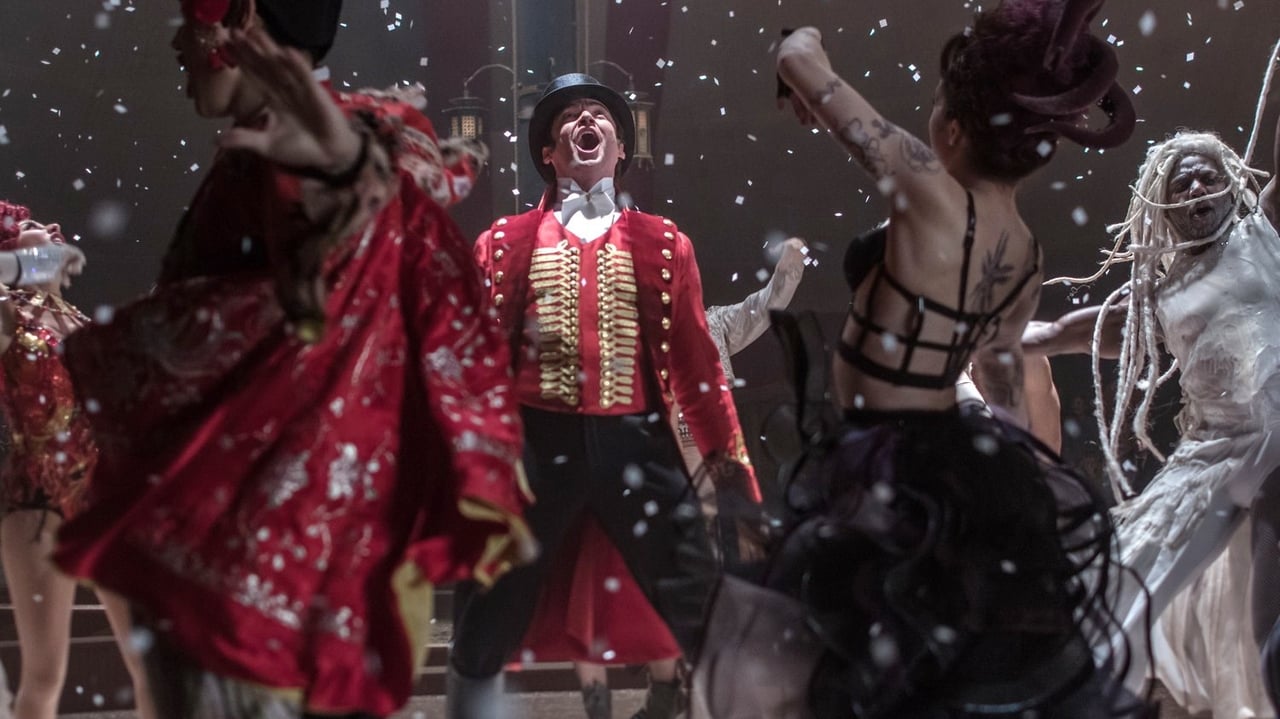
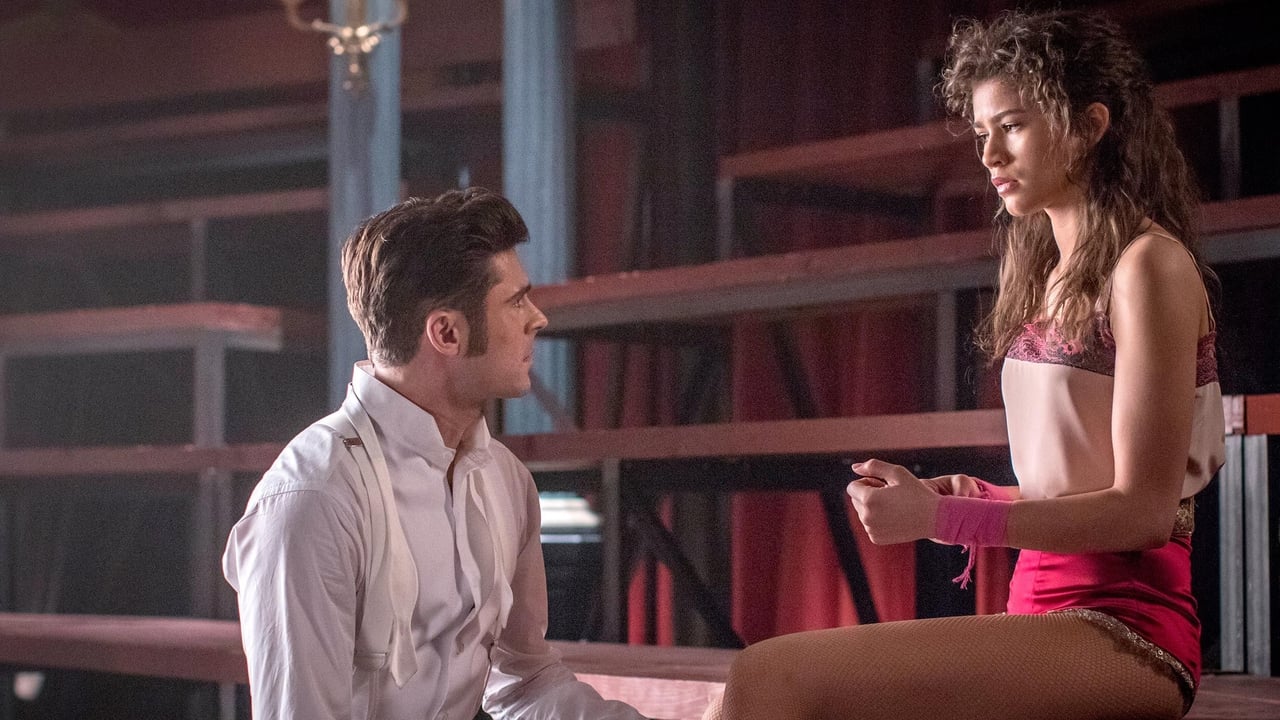
Hugh Jackman is, predictably, the engine that keeps the whole thing from flying off the tracks. He has that rare, old-school movie star quality where you believe he could sell you a glass of salt water and make you feel like you’re drinking champagne. His chemistry with Zac Efron, who plays the fictional high-society playwright Phillip Carlyle, provides the film's most grounded dramatic arc. Efron and Zendaya, who plays the trapeze artist Anne Wheeler, carry the weight of the film's social commentary. Their "Rewrite the Stars" sequence is a marvel of practical choreography and CGI enhancement, serving as a metaphor for the literal and figurative heights people will go to defy social stratification. The historical Barnum would have probably sued this movie for making him look too handsome, but Jackman sells the "dreamer" archetype so well you almost forget the real Barnum once purchased an elderly enslaved woman and advertised her as George Washington’s 161-year-old nurse.
The Sound of Recognition
We have to talk about the music. Pasek and Paul, the songwriting duo who had just come off the success of La La Land, crafted an anthem-heavy score that bypassed critics and went straight to the top of the charts. "This Is Me" became more than just a movie song; it became a cultural touchstone for marginalized groups globally. Interestingly, Keala Settle was reportedly so terrified of performing the song that she hid behind the music stand during the initial workshops. When she finally stepped out, she didn't just sing it; she claimed it. That raw, authentic vulnerability is what saves the film from being just another studio product.
The film also makes the bold choice to have Rebecca Ferguson's character, the "Swedish Nightingale" Jenny Lind, sing a power ballad ("Never Enough") that sounds more like Whitney Houston than 19th-century opera. It’s a jarring choice that underscores the film’s commitment to emotional resonance over period accuracy. While Ferguson gives a nuanced, icy performance as the woman who briefly tempts Barnum away from his family, her singing voice was actually provided by The Voice alum Loren Allred. It’s a "humbug" within a "humbug," perfectly in line with the film’s DNA.
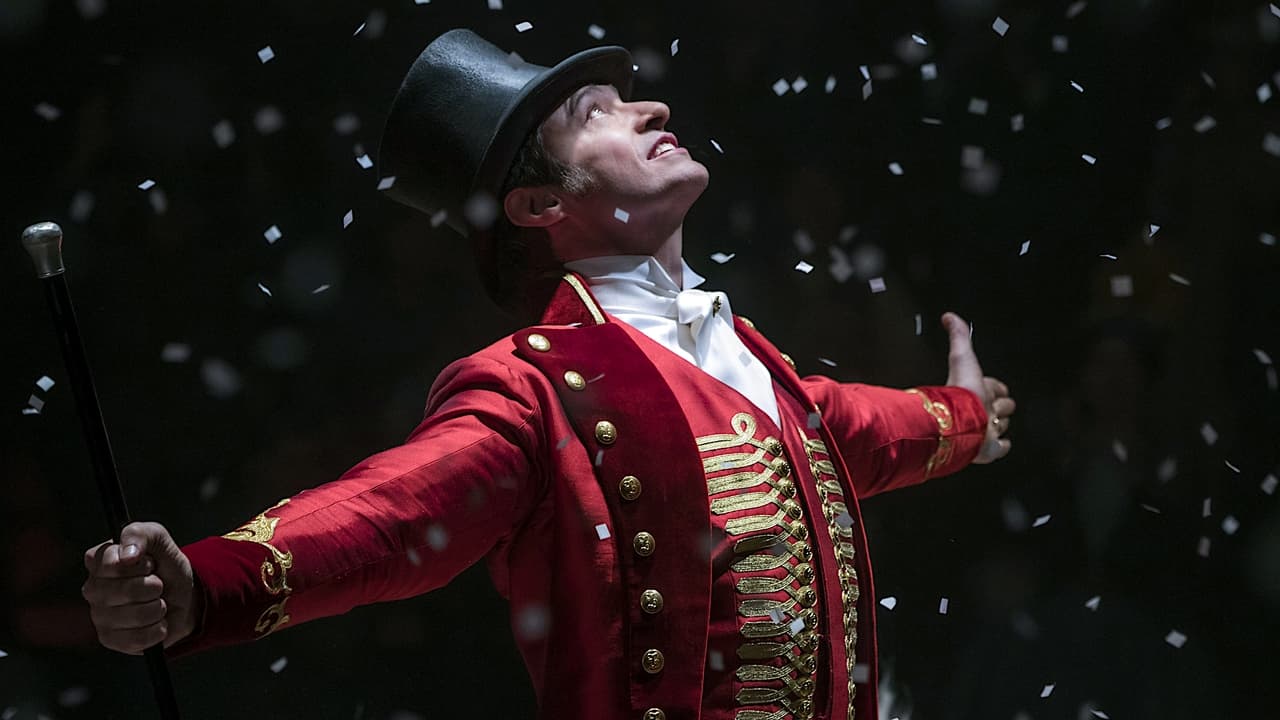
Despite being an awards contender (it snagged an Oscar nod for Best Original Song and three Golden Globe nominations, winning one for the song), the film’s true legacy isn't in its trophies. It’s in its bizarre box office trajectory. It had one of the lowest openings for a big-budget musical in history, only to become a "sleeper hit" that stayed in theaters for months. In our current era of "opening weekend or bust," The Greatest Showman proved that word-of-mouth and the sheer human desire for a communal, joyful experience still matter.
Ultimately, The Greatest Showman is a film that rewards you if you’re willing to suspend your cynicism at the door. It doesn’t pretend to be a history lesson; it’s a celebration of the idea of the circus—a place where the fringes of society become the center of the world. It’s loud, it’s messy, and it’s arguably morally oversimplified, but like Barnum’s best tricks, it’s almost impossible to look away from. It reminds me that sometimes, the "humbug" is exactly what we need to get through the day.
Keep Exploring...
-

Logan
2017
-
Ford v Ferrari
2019
-
Spotlight
2015
-

Straight Outta Compton
2015
-

Captain Fantastic
2016
-

Wonder
2017
-

Love, Simon
2018
-

Midnight Sun
2018
-

Five Feet Apart
2019
-
Little Women
2019
-
Finch
2021
-
Guillermo del Toro's Pinocchio
2022
-
The Wild Robot
2024
-

F1
2025
-

A Silent Voice: The Movie
2016
-

Lion
2016
-
Perfect Strangers
2016
-

Miracle in Cell No. 7
2019
-
The Father
2020
-

Manchester by the Sea
2016