The Lost City of Z
"The jungle is a jealous god."
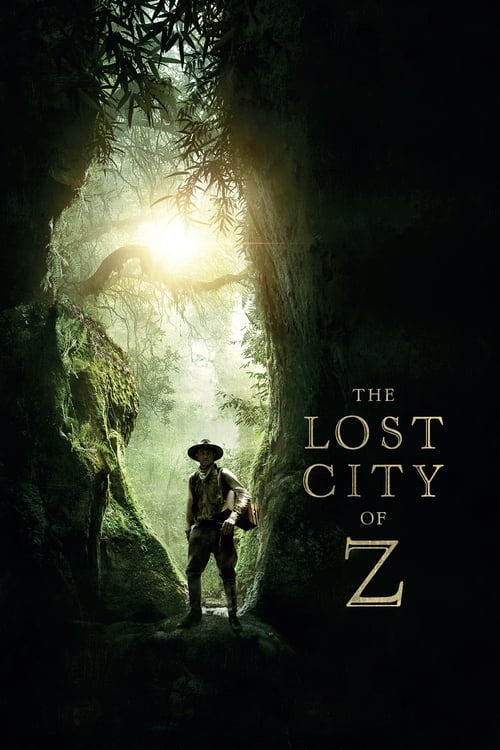
In an era where every second "adventure" film feels like it was shot entirely against a neon-green screen in an air-conditioned warehouse in Atlanta, there is something almost transgressive about the way James Gray’s The Lost City of Z looks and feels. You can practically smell the damp rot and the malaria-induced sweat seeping through the screen. Released in 2017, just as the Marvel Cinematic Universe was reaching its peak saturation point, this movie felt like a ghost from 1974—a sprawling, meditative, and deeply un-cynical epic that cares more about the cost of a man’s soul than the thrills of a whip-crack.
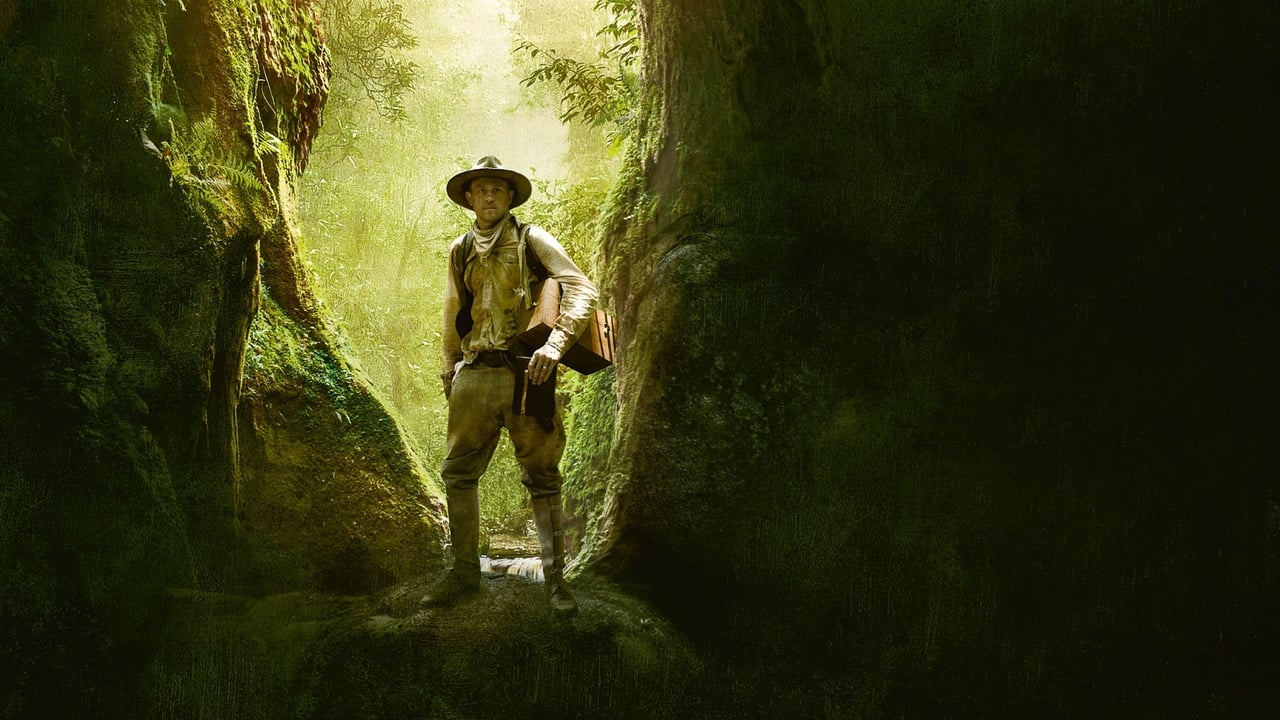
I watched this for the second time last Tuesday while trying to ignore a persistent squeak in my ceiling fan, and honestly, the rhythmic chirp-chirp-chirp of the fan blades ended up blending perfectly with the ambient jungle noise of the Amazon. It’s that kind of movie; it bleeds into your environment.
The Last of the Old-School Epics
The story follows Col. Percy Fawcett, played with a brittle, haunting dignity by Charlie Hunnam, a man desperate to reclaim his family name from the "unfortunate" reputation of his father. What starts as a simple surveying mission for the Royal Geographical Society turns into a lifelong obsession with "Zed"—a hidden, advanced civilization he believes is tucked away in the deepest reaches of the Amazon.
It’s easy to see why this didn't set the box office on fire. It’s a movie that asks for your patience and then slowly, methodically devours it. While mainstream audiences in 2017 were looking for the next superhero punch-up, Gray was delivering a story where the primary antagonist is time itself. It’s a tragedy of the "one more trip" variety. Every time Fawcett returns to England, he’s a stranger to his wife, Sienna Miller, and his growing children, including a young Tom Holland. The film captures that specific, agonizing itch of a person who is only truly alive when they are a thousand miles away from the people they supposedly love.
Beards, Brass, and Brawn
If you still think of Charlie Hunnam as just the guy with the leather vest from Sons of Anarchy, this is the performance that should change your mind. He plays Fawcett not as a swashbuckler, but as a man possessed by a vision. However, the real secret weapon here is Robert Pattinson as Henry Costin. This was right in the middle of Pattinson’s "I’m going to do the weirdest indie projects possible" phase, and he is marvelous. Buried under a beard that looks like it has its own ecosystem, Pattinson provides the grounded, quiet ballast to Fawcett’s soaring idealism.

Then there’s Sienna Miller. In a lesser film, she would be the "nagging wife" archetype waiting at home. But Gray and Miller give Nina Fawcett a fierce intelligence. She isn't just waiting; she’s an intellectual partner who is held back solely by the suffocating gender roles of the 1920s. The scene where she asks to accompany him and is flatly rejected is more heartbreaking than any spear-fight.
The film’s visual language is where it truly separates itself from its contemporary peers. Shot by Darius Khondji (the genius who shot Se7en and Uncut Gems) on actual 35mm film, the movie has a grainy, organic texture. The greens are deep and suffocating; the river looks like liquid gold at sunset and obsidian at night. In a world of digital perfection, The Lost City of Z looks wonderfully, messily human.
A Ghost in the Streaming Machine
Despite bombing at the box office—earning back less than a third of its $30 million budget—the film has developed a fierce cult following on streaming platforms and among physical media collectors. It’s the kind of "Dad Movie" that transcends the genre, appealing to anyone who misses the days when movies like Lawrence of Arabia or The Mission were the standard, not the exception.
The production itself was a bit of a nightmare, which usually bodes well for a jungle movie. The cast and crew dealt with actual caiman attacks, swarms of biting insects, and a heat so intense it reportedly caused equipment to fail. Robert Pattinson apparently lost a staggering amount of weight during the shoot, living on little more than a handful of rice some days to capture the look of a starving explorer. This isn't the kind of "method" work you do for a paycheck; it’s the kind you do when you know you're making something that will last.
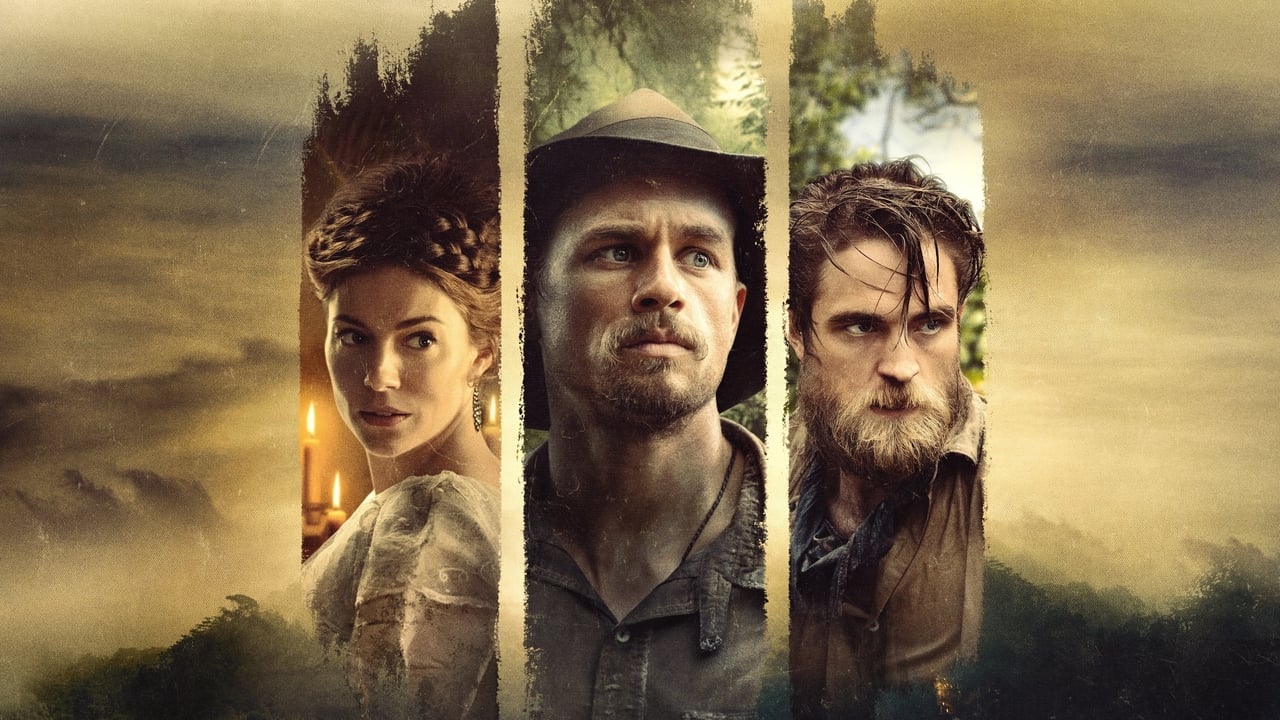
Interestingly, Charlie Hunnam took his role so seriously that he didn't speak to his long-term girlfriend for nearly five months while filming in Colombia to maintain the sense of isolation Fawcett felt. It's a wonder he wasn't dumped the second he got home.
The film also feels remarkably relevant in our current cultural moment. As we grapple with the history of colonialism, Gray doesn't let Fawcett off the hook. He shows the arrogance of the British establishment, but he also shows Fawcett as a man who was, in many ways, ahead of his time—seeing the indigenous people of the Amazon not as "savages" but as the architects of a civilization that rivaled Europe’s.
This is a film about the nobility of failure. It doesn’t offer the easy dopamine hits of a modern blockbuster, but it lingers in your mind like a fever dream. It’s a beautiful, melancholy reminder that sometimes the search for something is more important than actually finding it. If you have two hours and change to spare, turn off your phone, dim the lights, and let the jungle swallow you whole. You won't regret the trip.


Keep Exploring...
-

In the Heart of the Sea
2015
-
Ad Astra
2019
-
The Walk
2015
-

Eddie the Eagle
2016
-
Hostiles
2017
-
Papillon
2017
-
Risen
2016
-

Steve Jobs
2015
-
Hail, Caesar!
2016
-
Patriots Day
2016
-
Silence
2016
-

Snowden
2016
-
The Founder
2016
-
The Mountain Between Us
2017
-
12 Strong
2018
-
The Green Knight
2021
-
Everest
2015
-
The King
2019
-
Black Mass
2015
-
Brooklyn
2015