The Mummy
"The gods don't want a cinematic universe."
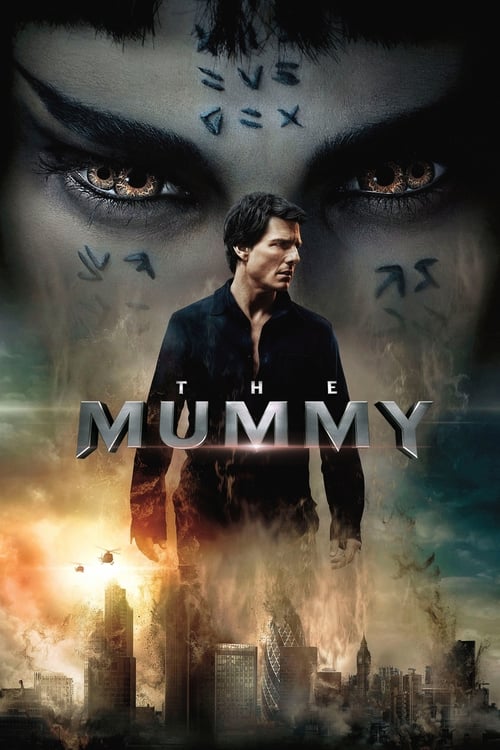
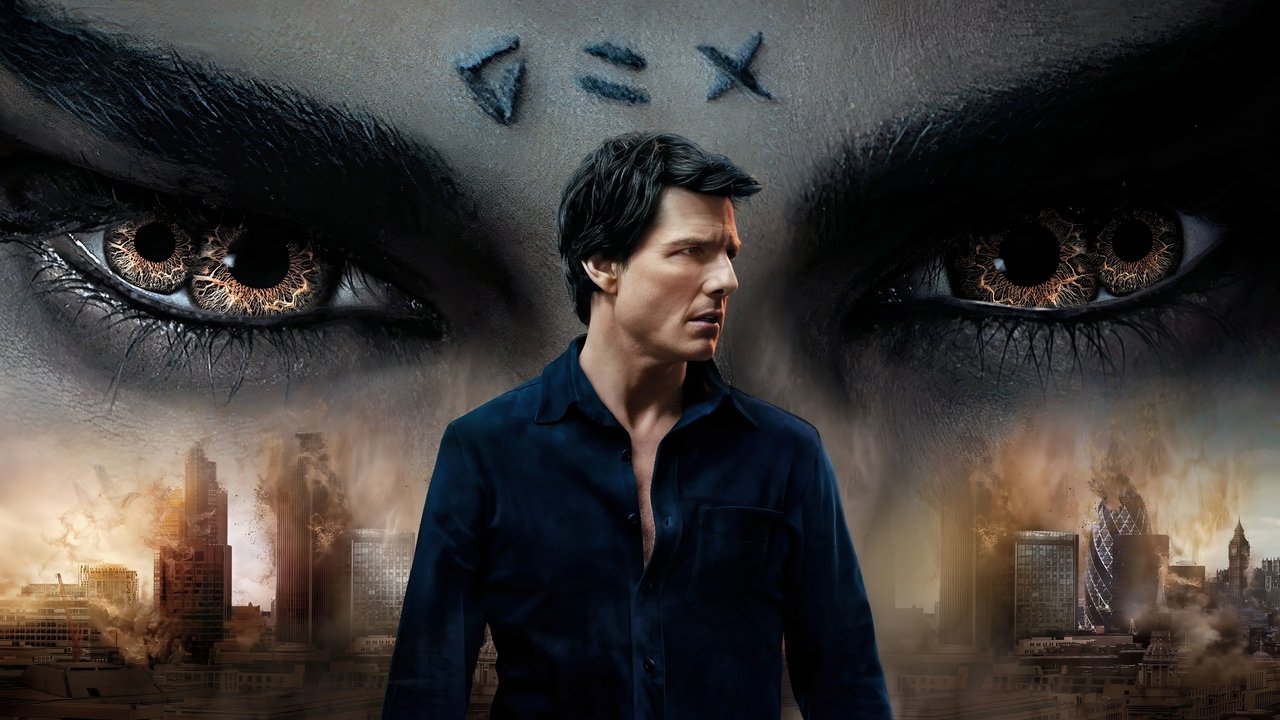
Few images in modern Hollywood history carry as much accidental comedy as the "Dark Universe" cast photo. You know the one: Tom Cruise, Russell Crowe, Sofia Boutella, Johnny Depp, and Javier Bardem all standing together like an awkward group of cousins at a wedding they didn’t want to attend. It was a declaration of war on the Marvel Cinematic Universe—a promise of a monster-filled future that evaporated the moment audiences actually saw the 2017 reboot of The Mummy.
Watching it today, outside the suffocating hype of "Phase One" planning, the film feels like a fascinating archaeological ruin of the mid-2010s. It’s a movie caught in a three-way tug-of-war between a traditional horror flick, a Tom Cruise stunt spectacular, and a desperate corporate mandate to build a franchise. I watched this while nursing a slightly warm Ginger Ale, and honestly, the carbonation bubbles were more consistent than the plot.
The Franchise That Wasn't
The fundamental problem with this iteration of The Mummy is that it doesn't really want to be a movie about a mummy. It wants to be an introductory lecture. Alex Kurtzman, a producer-turned-director who has spent much of his career steering massive IPs like Star Trek, treats the narrative like a checklist. We have to meet Nick Morton (Tom Cruise), a looter who accidentally releases the cursed princess Ahmanet (Sofia Boutella), but we also have to spend twenty minutes in a basement with Russell Crowe’s Dr. Henry Jekyll so he can explain the lore of a secret monster-hunting organization called Prodigium.
It’s a classic symptom of the "Franchise Fatigue" era: the movie you’re watching is constantly being interrupted by a trailer for the movie they hope you’ll watch in three years. It’s less a movie and more a very expensive, two-hour-long PowerPoint presentation for a business plan that went bankrupt before the meeting ended. Because of this, the actual horror—the dread of an ancient, malevolent queen reclaiming her stolen destiny—gets pushed to the sidelines.
Cruise vs. The Creature
Tom Cruise is a singular force in cinema, but he’s a weird fit for horror. Horror relies on the protagonist being vulnerable, and Cruise hasn't looked vulnerable on screen since the 90s. When Ahmanet chooses Nick to be the human vessel for the god Set, the movie tries to make him a "chosen one" in a way that feels suspiciously like a standard action hero origin story.
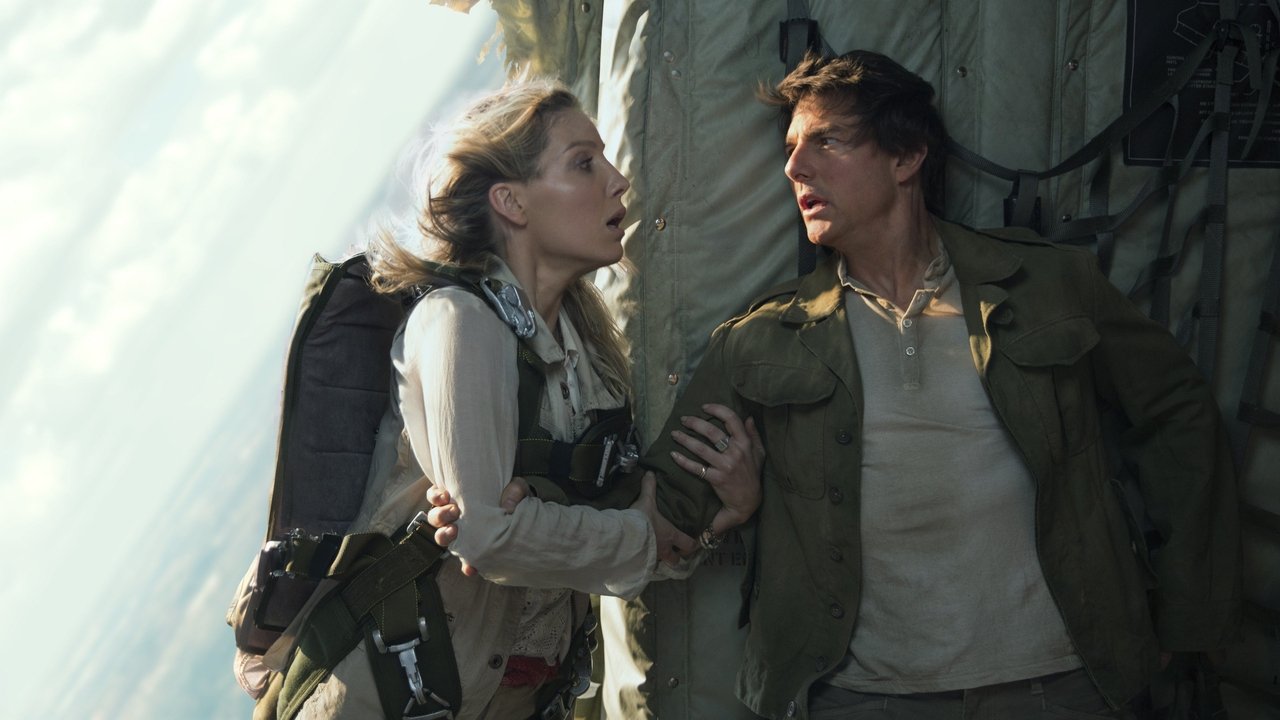
Cruise brings his usual 110% commitment—the man literally insisted on filming the plane crash sequence in a real vomit comet (a parabolic aircraft) to achieve true zero-G. It took 64 takes and left most of the crew nauseated, but the result is the film's one undisputed masterpiece of a scene. It’s a terrifying, tumbling piece of technical wizardry that reminds you why Cruise is a star. Unfortunately, the rest of the movie can’t keep up with that initial adrenaline hit. Annabelle Wallis does her best as Jennifer Halsey, but she’s mostly relegated to being the person Nick has to jump over or run toward.
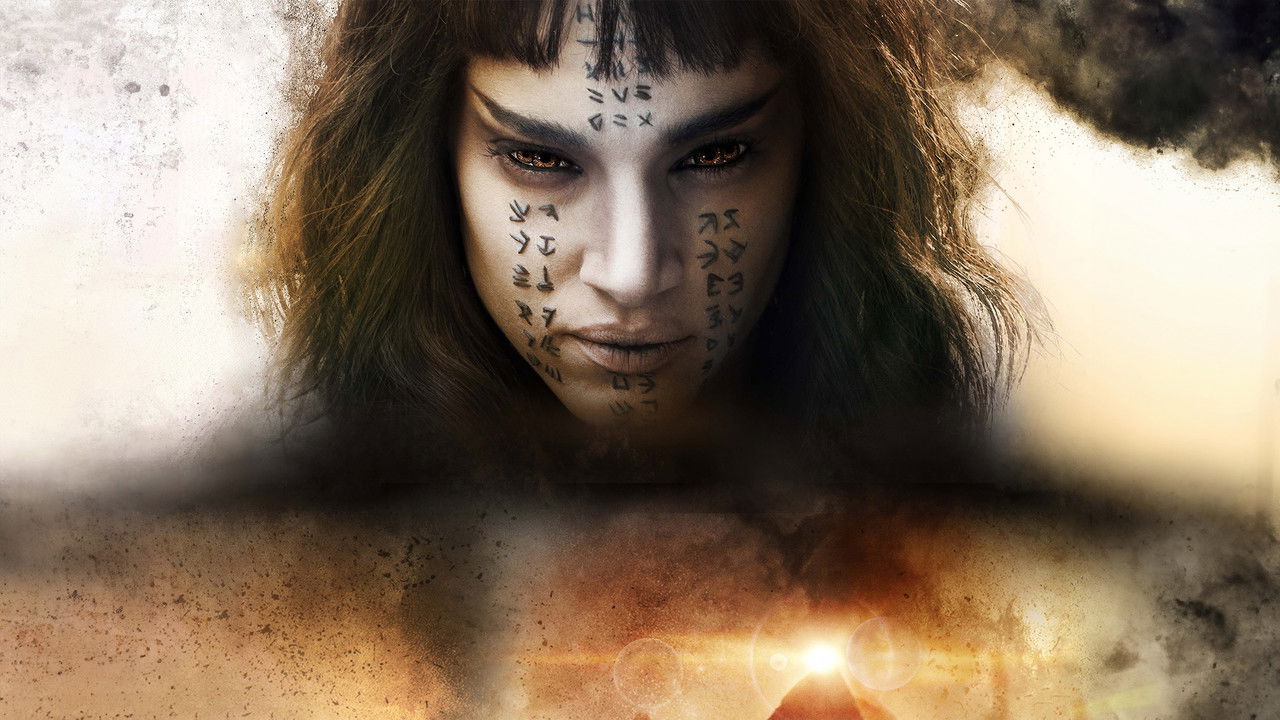
Then there’s Sofia Boutella. After her breakout turn in Kingsman: The Secret Service (2014), she proves here that she can command the screen with just her eyes—even when she has four pupils thanks to some eerie (if overused) CGI. She brings a physical, dancer-like grace to Ahmanet that is genuinely unsettling. It’s a shame the script turns her into a secondary character in her own movie to make room for the Jekyll/Hyde subplot.
Monsters, Medics, and Missteps
Speaking of Jekyll, Russell Crowe is clearly having the most fun of anyone on set. He’s chewing the scenery with such gusto that I’m surprised there were any sets left for the sequels. Russell Crowe’s Henry Jekyll is doing an accent that sounds like he’s trying to pass a kidney stone made of Victorian gravel. When he finally transforms into Edward Hyde, it’s not through a grotesque practical effect—something that defined the genre’s peak—but through some gray face paint and a bit of aggressive shoving.
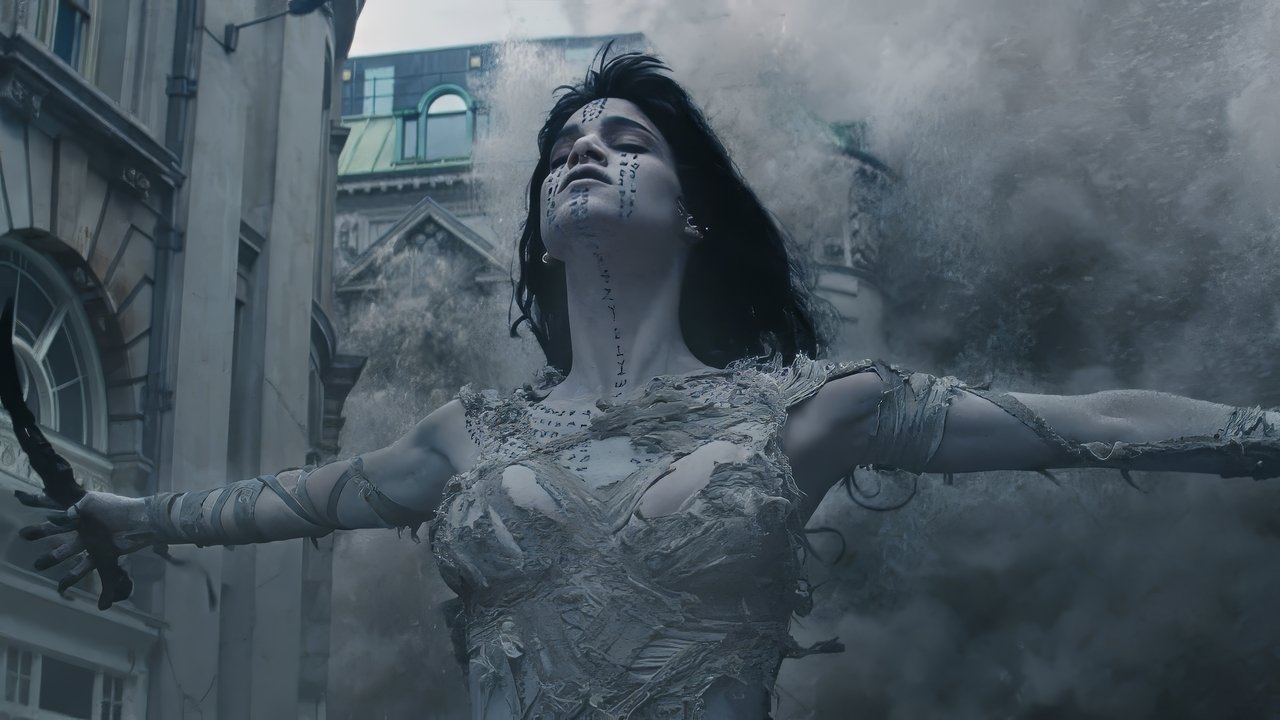
The film's screenplay, co-written by Christopher McQuarrie (the man who saved the Mission: Impossible franchise), shows flashes of wit. The banter between Nick and his cursed sidekick Chris Vail, played by a very funny Jake Johnson, feels like a nod to the 1981 classic An American Werewolf in London. But these moments of levity clash violently with the "end of the world" stakes. It’s a film that wants to be scary, funny, and epic, but ends up being a noisy blur of gray-scaled CGI sandstorms and shuffling undead.
In our current era of "Legacy Sequels" and IP dominance, The Mummy serves as a cautionary tale. It’s a reminder that you can’t build a house starting with the roof. You need a foundation—a single, solid movie that people actually like—before you start picking out the wallpaper for the fifth installment.
Despite the identity crisis, The Mummy isn't a total slog. The plane crash is an all-timer, the production design of the London underground tombs is appropriately creepy, and Brian Tyler's score hits some delightfully bombastic notes. It’s a high-budget curiosity, a relic of a time when Hollywood thought every monster needed a cinematic universe. If you’re looking for a breezy action flick with some cool stunts and you don't mind the "to be continued" vibe that never went anywhere, it’s a perfectly fine way to spend two hours—just don't expect to be "welcomed to a new world" by the time the credits roll.

Keep Exploring...
-
Hellboy
2019
-

Underworld: Blood Wars
2016
-
Robin Hood
2018
-
Batman v Superman: Dawn of Justice
2016
-
Jason Bourne
2016
-
Suicide Squad
2016
-
X-Men: Apocalypse
2016
-
The Purge: Election Year
2016
-

The First Purge
2018
-
Terminator Genisys
2015
-
Jurassic World
2015
-
Day Shift
2022
-

Atomic Blonde
2017
-
Point Break
2015
-
The Last Witch Hunter
2015
-
The Great Wall
2016
-

The Legend of Tarzan
2016
-
Warcraft
2016
-
Bright
2017
-
Pacific Rim: Uprising
2018